Meaning
Measurement procedure required to quantify the water content in hygroscopic resins before melt processing. Moisture determination ensures that engineering plastics like nylon or polycarbonate are dry enough to avoid hydrolytic degradation. The process concludes when the sample weight reaches a stable equilibrium at the set temperature.
Resin Preparation
Heating the material in a desiccant dryer removes the water that has been absorbed from the atmosphere. Moisture determination is performed before the resin enters the injection moulding machine to confirm that the drying cycle was effective. If the water level is too high, the polymer chains will break during melting, resulting in brittle parts.
Splay Prevention
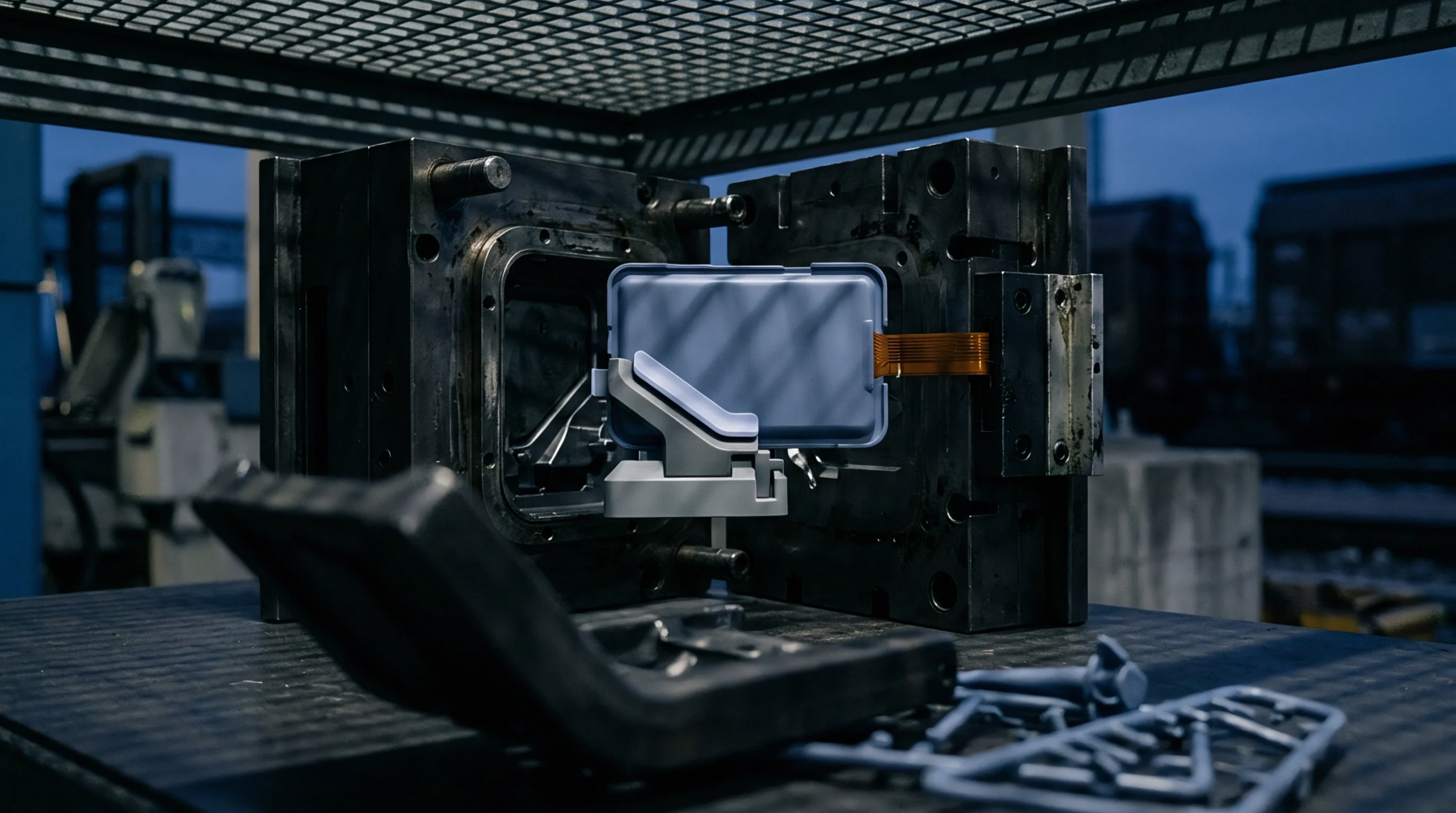
Surface defects like silver streaks or bubbles occur when steam is trapped in the melt as it enters the mould. Moisture determination helps in eliminating these cosmetic issues by providing an objective measure of dryness. Consistent results allow the moulder to maintain a high level of surface finish on every part.
Measurement Technique
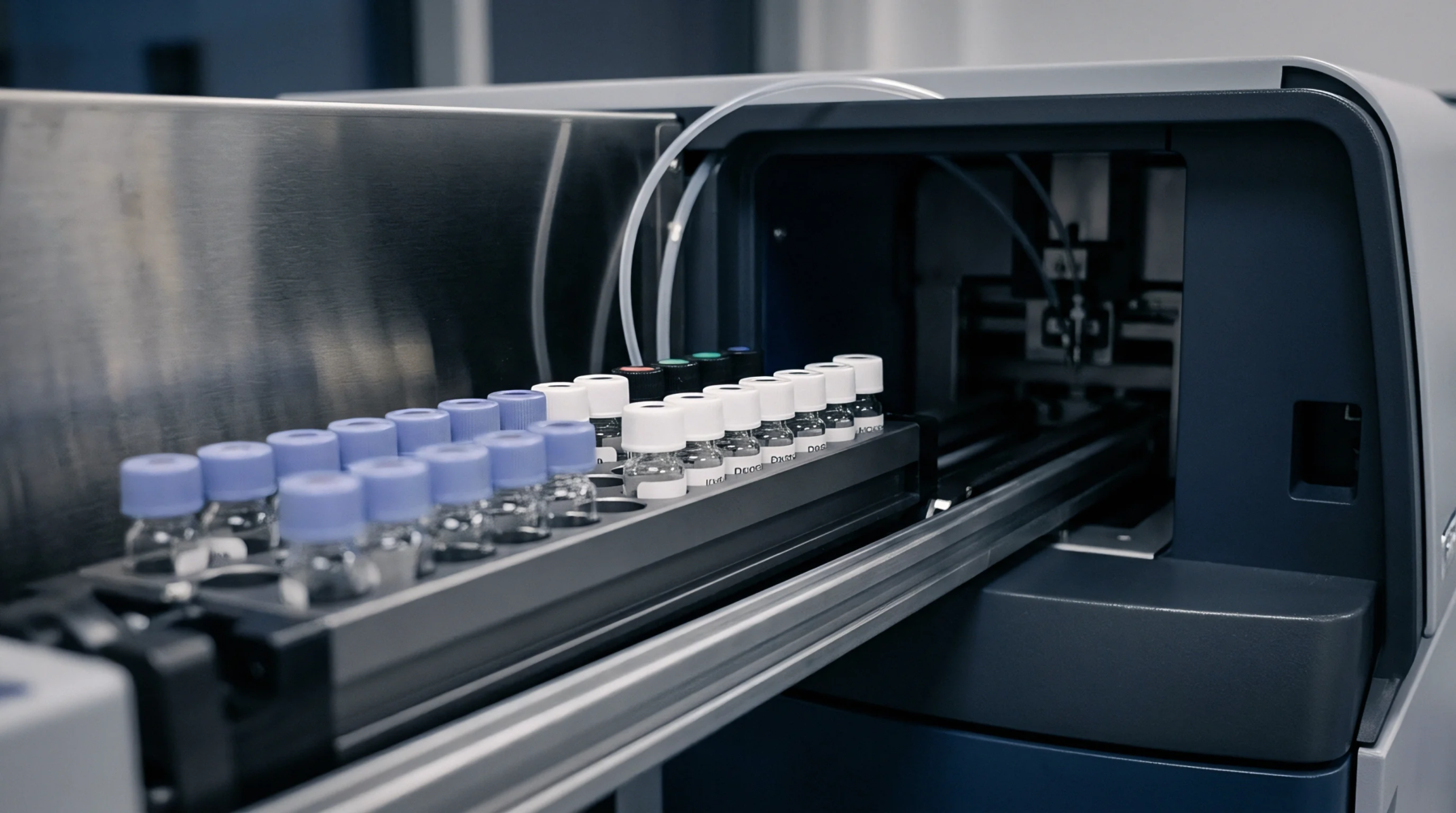
Accuracy of the result depends on using a method that distinguishes between surface water and chemically bound moisture. Moisture determination often uses the karl fischer titration or a high-precision loss on drying balance. The choice of method depends on the target moisture level and the specific sensitivity of the resin.
This measurement is a mandatory step in the quality control of all moisture-sensitive polymers.