Establishing Resin Moisture Liability and Direct Machine Downtime Penalties in Processing Contracts
Processor contracts assign resin moisture liability by enforcing Karl Fischer dock verification, liquidated downtime rates, and direct debit offset terms.
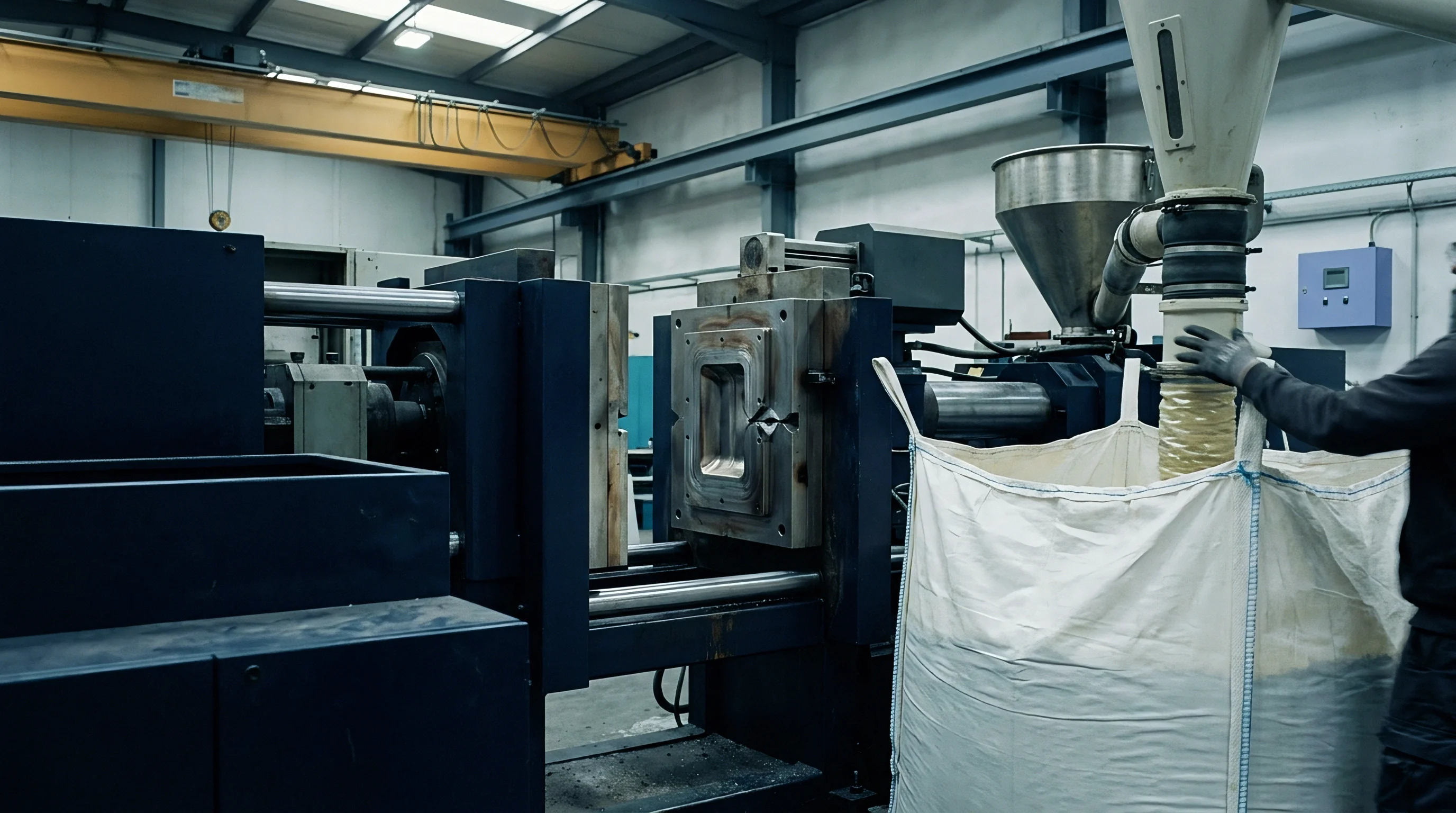
Limit
Polycondensation polymers experience irreversible polymer chain degradation in the presence of molten moisture. Hydrolysis cleaves ester and amide bonds along the macromolecular backbone when barrel temperatures exceed the melting point, reducing average molecular weight and destroying tensile properties in molded components. Water drives immediate ester cleavage.
Polyamides, polyesters, and polycarbonates exhibit rapid equilibrium absorption when exposed to ambient air, pulling humidity directly into their amorphous regions. Unfilled polybutylene terephthalate dried to 0.02 percent moisture by weight experiences significant intrinsic viscosity loss when processed at 0.08 percent, yielding brittle parts that crack under standard ejection loads. Target water content equals 0.02 percent.
Contractual disputes over wet resin originate in the difference between surface moisture and chemically bound internal water. Surface moisture on non-hygroscopic polyolefins volatilizes rapidly at the feed throat, venting through hopper throat openings without lowering resin molecular weight. Engineering thermoplastics hold water molecules bonded to polar functional groups deep within the pellet matrix.
Desiccant drying systems must supply air with a dew point of minus 40 degrees Celsius to extract this bound moisture before processing. A supplier delivering resin certified under bulk moisture standards often misses the specific processing threshold of sensitive engineering grades. Polycarbonate degrades rapidly when wet.
| Polymer Grade | Chemistry Type | Equilibrium Moisture Content At 50% RH | Maximum Processing Moisture Limit | Degradation Mechanism |
|---|---|---|---|---|
| Polybutylene Terephthalate Unfilled | PBT Polyester | 0.20 weight percent | 0.02 weight percent | Ester linkage hydrolysis causing immediate intrinsic viscosity collapse |
| Polyamide 66 Neat | PA66 Polyamide | 2.80 weight percent | 0.15 weight percent | Amide bond cleavage yielding oligomers and volatile amine off-gassing |
| Polycarbonate Injection Grade | PC Carbonate | 0.15 weight percent | 0.02 weight percent | Carbonate bond scission generating carbonic acid and severe embrittlement |
| Polyethylene Terephthalate Glass Filled | PET Polyester | 0.30 weight percent | 0.01 weight percent | Chain cleavage reducing molecular weight below the ductile threshold |
| Polyoxymethylene Copolymer | POM Acetal | 0.22 weight percent | 0.10 weight percent | Formaldehyde unzipping triggering gas pocket formation in mold cavities |
| Values determined via Karl Fischer coulometric titration according to ISO 15512 Method B2 at 230 degrees Celsius. | ||||

Equilibrium Absorption in Engineering Thermoplastics
Pellet chemistry dictates how rapidly surrounding environmental water vapor penetrates the amorphous matrix. Neat polyamide 66 absorbs moisture until it reaches an equilibrium level near 8.5 percent by weight in fully saturated environments. Moisture ingress rates accelerate during humid summer months when warehouse conditions exceed 30 degrees Celsius and 80 percent relative humidity.
Pellets loaded into standard atmospheric hoppers without heated drying blankets gain 0.05 percent moisture per hour. Processors running high-cavitation connector molds experience flash and splay defects forty minutes into a production shift if incoming gaylords arrive above baseline moisture limits. Melt strength drops under high humidity.
Karl Fischer titration per ASTM D6869 at 230 degrees Celsius detects water concentrations down to 0.005 percent in saturated polybutylene terephthalate.
Drying damp resin inside the plant transfers drying costs and cycle delays from the resin supplier to the processing facility. Sourcing agreements define the precise delivery condition of the material, establishing whether the seller bears responsibility for delivering ready-to-mold pellets. When agreements omit clear incoming moisture specifications, resin suppliers claim that post-delivery storage caused the excessive water absorption.
Incoming verification procedures isolate supplier defects by testing sealed samples directly at the unloading dock.

Hydrolytic Scission Rates during Extrusion Melting
Extruder barrels maintained above melting temperatures convert trapped moisture into reactive steam within seconds. Water molecules attack polymer chains in the compression zone where mechanical shear and thermal energy accelerate nucleophilic substitution reactions. A PBT resin with an initial melt volume rate of 15 cubic centimeters per 10 minutes at 250 degrees Celsius under 2.16 kilograms shifts to 38 cubic centimeters per 10 minutes when processed at 0.09 percent moisture.
This shift doubles the flow rate, generates flash along tool parting lines, and leaves molded parts structurally compromised. Clear resin that purges milky white reveals hydrolytic breakdown before lab test results confirm the loss.
Liner
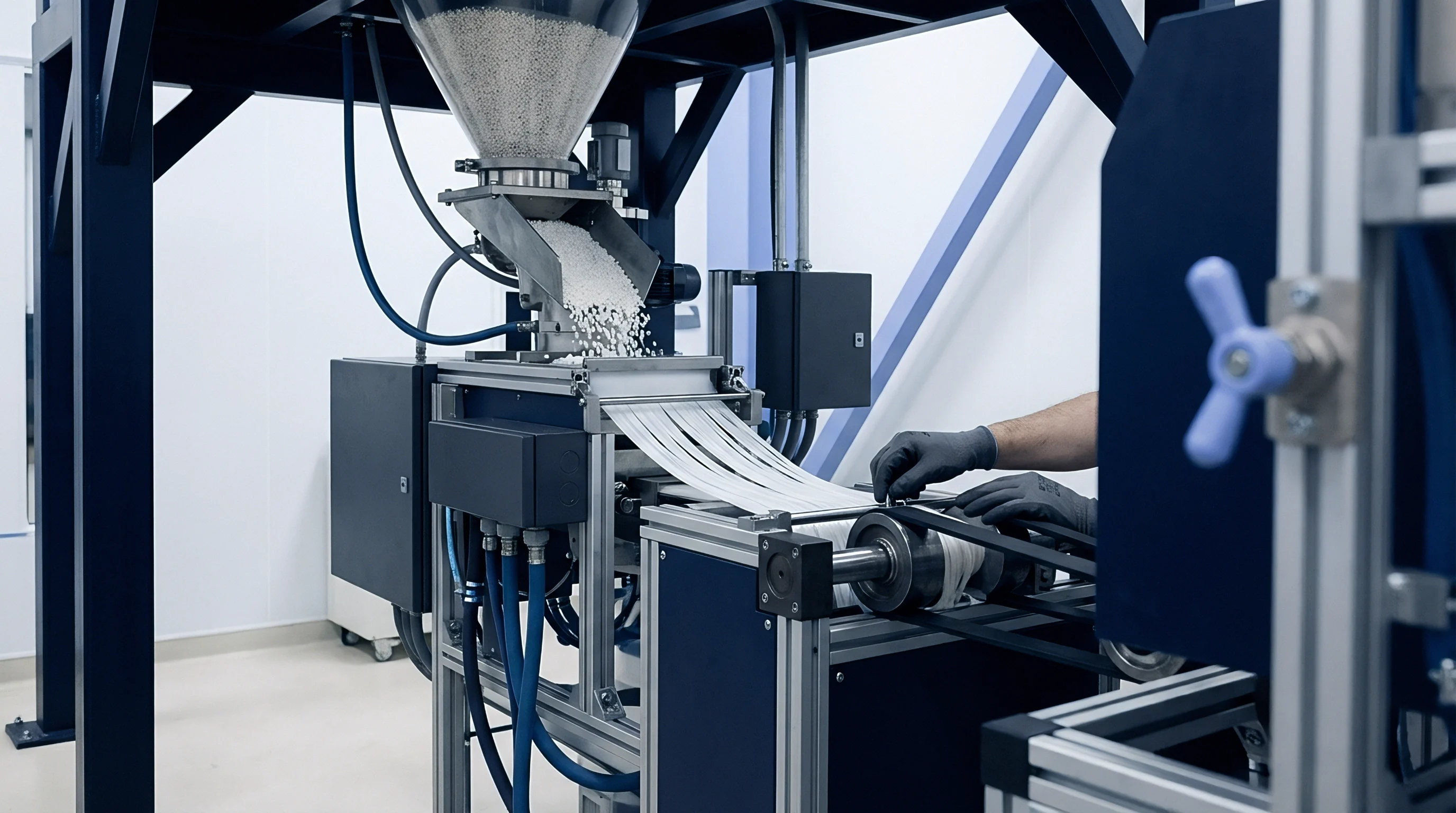
Multi-wall kraft bags containing metalized polyolefin films protect dry resin inventory against ambient relative humidity. Standard polyethylene liners without aluminum barrier foils permit moisture vapor transmission rates exceeding 1.5 grams per square meter per day at 38 degrees Celsius and 90 percent relative humidity. Over a sixty-day ocean transit, this transmission rate introduces hundreds of grams of water into an octabin of desiccated resin.
Foil packaging prevents atmospheric diffusion. Suppliers attempting to lower packaging expenditures substitute low-density polyethylene liners for multi-layer aluminum barrier laminates, leaving hygroscopic resins vulnerable to environmental conditions.
Incoming inspection procedures require immediate dockside testing before pallets move into warehouse staging areas. Warehouse receiving personnel cut core samples using sealed grain samplers inserted through liner ports, resealing the penetration points with vapor-barrier tape. Moisture meters utilizing loss-on-drying heating coils often misread volatile additive evaporation as moisture loss.
Coulometric Karl Fischer titration vaporization per ISO 15512 Method B2 provides the legal standard for commercial disputes, measuring moisture release up to 250 degrees Celsius without burning polymer additives. Desiccant pouches saturate over ocean crossings.
Barrier Packaging and Moisture Vapor Ingress Rates
Puncture defects measuring less than one millimeter permit atmospheric humidity diffusion into sealed octabins over extended ocean freight transits. Container condensation, known commercially as container rain, pools on octabin tops when ocean vessels cross temperature gradients. A punctured top liner allows liquid water into pellet strata, creating pockets where moisture exceeds 0.50 weight percent while the lower bin core remains dry.
Processors dumping such bins into central vacuum distribution systems inject moisture spikes into drying silos, overloading desiccant beds and shutting down downstream injection presses. The compounding report arrived blank.
- Sampling the sealed core within five minutes of opening the barrier bag avoids atmospheric humidity pickup that invalidates lot rejections.
- Sealing the glass vial under dry nitrogen prevents ambient equilibrium shifts during transit between the warehouse dock and the titration bench.
- Measuring oven vaporization at 200 degrees Celsius isolates volatile moisture without decomposing flame retardant packages in the formulation.
- Recording titrator drift establishes an empirical baseline that prevents false supplier warranty claims during commercial disputes.
The incoming tolerance clause in Section 8 reallocates processing scrap costs back to the pellet vendor whenever delivered pellets exceed 0.03 percent water by weight.
Where Does Moisture Responsibility Shift across Transfer Points?
Contractual custody transfers occur precisely when the carrier signs the initial bill of lading at the loading dock. Incoterms define freight risk, but materials purchase agreements govern latent quality defects discovered after physical delivery. Free Carrier terms place loading risk on the seller, while Carriage Paid To contracts place transit humidity exposure on the freight forwarder unless packaging was inadequate.
Processors specify moisture barrier retention standards in purchase specifications to bind suppliers even when transit insurance denies damage claims. The account manager claimed that ambient warehouse storage by the freight forwarder broke the packaging seals without factory fault.
Purge
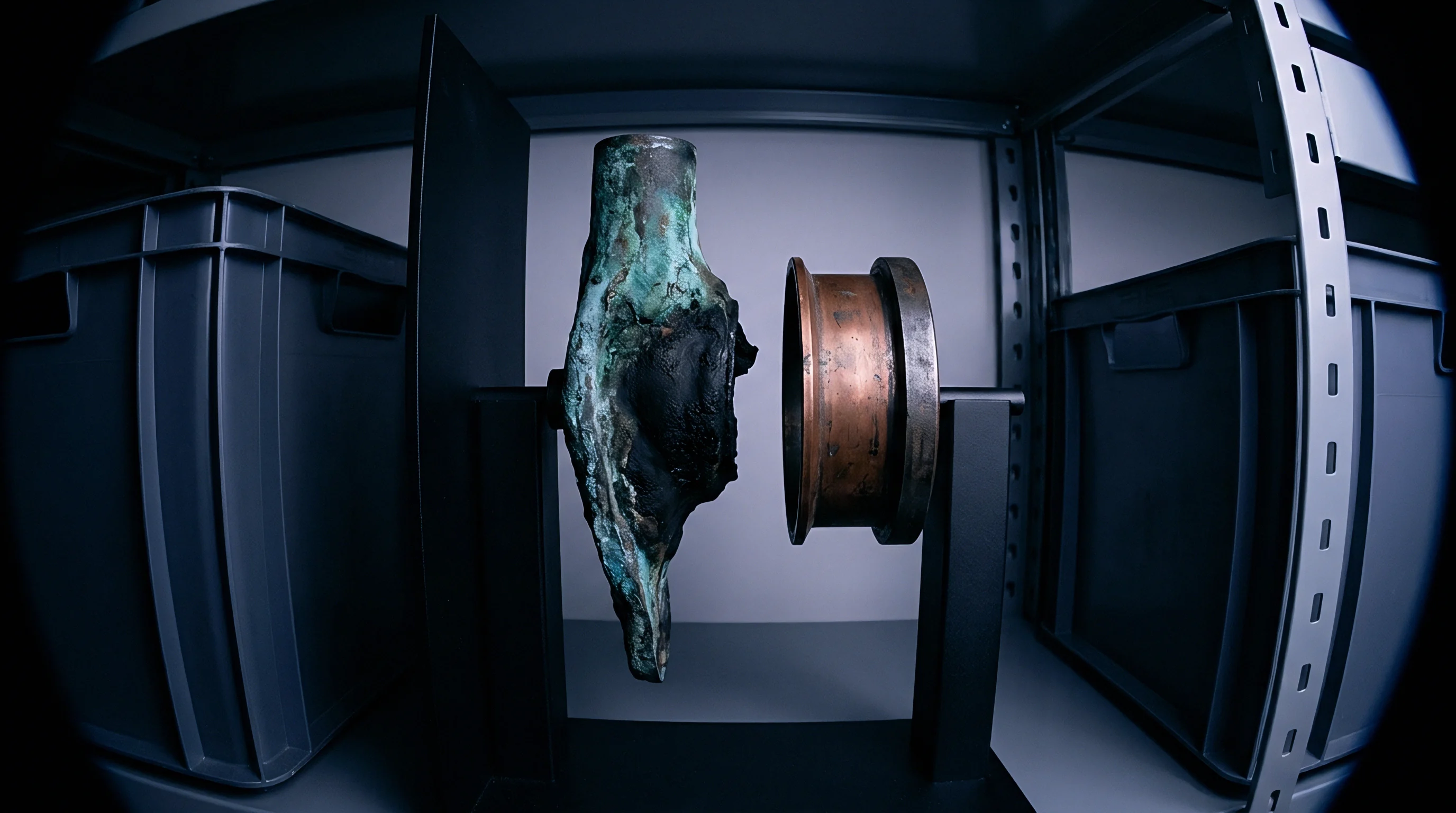
Thermal degradation products coat extruder screws whenever wet polyamides encounter barrel temperatures exceeding 280 degrees Celsius. Moisture accelerates chain unzipping and thermal cross-linking, transforming degraded polymer into stubborn black specs and carbonized gel deposits along the root diameter of the screw. Polymer drool fouls the nozzle tip.
Purging these degraded resins demands high-viscosity mechanical cleaning compounds that scour screw flights and barrel walls under elevated back pressure. Ten kilograms wasted per screw pull.
Standard color changes consume minimal purge material, whereas removing hydrolytically degraded polyester requires intensive chemical purging procedures. Molders pull the injection screw entirely when acid degradation etches the check ring assembly. Hydrolyzed polycarbonate releases bisphenol compounds that pit the polished tool steel of hot runner manifolds, necessitating complete manifold teardowns and ultrasonic cleaning cycles.
Purge piles create immediate disposal fees. The financial burden includes not only machine downtime, but also the direct cost of engineering purge resins, scrap disposal, and maintenance labor.
- Silver streaking spreads across cosmetic faces when trapped steam flashes inside the mold cavity during high-velocity injection phases.
- Melt drool drips continuously from the sprue bushing between shots, fouling mold platens and forcing emergency operator interventions.
- Molecular weight collapse lowers intrinsic viscosity in hydrolytically cleaved polyester chains, causing structural wall cracking during part ejection.
- Foaming extrudate surges out of the nozzle orifice during decompression, depositing charred polymer residue across delicate electrical runner nozzles.
Brittle sprues indicate internal molecular chain degradation before surface blisters emerge on finished mouldings.

Barrel Splay and Unscheduled Screw Cleansing
Injecting hydrolytically degraded plastic generates visible cosmetic defects that cause immediate quality control rejections. Steam bubbles stretch along the flow direction against cold tool surfaces, creating silver splay streaks that cannot be polished away. Silver splay streaks ruin cosmetic surfaces.
Molders encountering splay stop production immediately, clear the hopper, and initiate screw purging. Production technicians spend up to four hours pulling screws, torching check rings, and hand-polishing flight surfaces to remove degraded skin layers. Cold feeds cause heater band burnout.
| Clamp Force Class | Screw Diameter | Mechanical Purge Required | Virgin Sweep Volume | Average Cleaning Duration |
|---|---|---|---|---|
| 1000 to 1500 kN | 30 to 40 mm | 12 to 18 kg | 25 kg | 1.5 to 2.5 hours |
| 2500 to 3500 kN | 50 to 60 mm | 30 to 45 kg | 60 kg | 2.5 to 4.0 hours |
| 5000 to 6500 kN | 70 to 85 mm | 75 to 110 kg | 150 kg | 4.5 to 6.5 hours |
| 10000 to 15000 kN | 100 to 120 mm | 180 to 260 kg | 350 kg | 7.0 to 11.0 hours |
Resin Loss Quantification during Recovery Cycles
Clearing decomposed molten plastic demands mechanical scrubbing compound followed by virgin prime material. The cost of discarded purge material accumulates rapidly when running high-value engineering resins such as polyetheretherketone or sulfone polymers. A 60-millimeter screw running polyphthalamide generates over 100 kilograms of contaminated purge mixture during an unscheduled cleaning cycle.
This scrap cannot enter standard regrind streams due to severe thermal and hydrolytic degradation. Neglecting immediate screw evacuation leaves corrosive oligomers inside the barrel that permanently pit hardened flight surfaces.

Stoppage
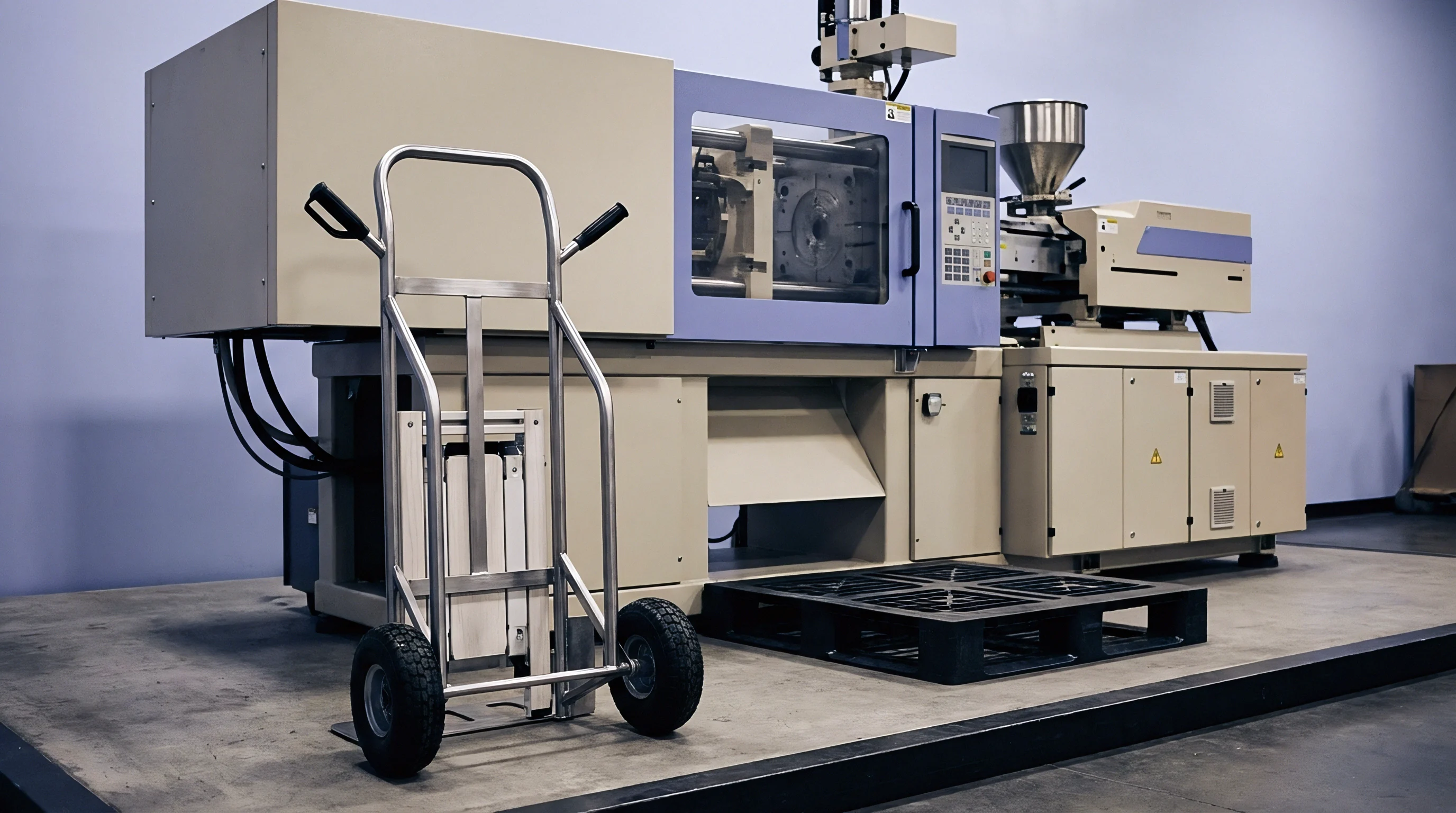
Production interruptions trigger substantial financial losses across high-tonnage injection moulding cells. Press scheduling requires continuous operation to cover capital expenditure and fixed overhead allocations. Press tonnage sets the hourly baseline.
When a wet resin lot enters production, the resulting unscheduled downtime idles operators, stops automated packaging conveyors, and delays downstream assembly lines. A 500-ton press bills 140 dollars hourly. Contractual downtime penalty clauses quantify these losses through predetermined machine burden rates, establishing transparent cost-recovery schedules that eliminate post-incident dispute inflation.
Calculating machine downtime penalties requires integrating direct machine amortization, allocated factory floor overhead, and assigned direct labor. An unscheduled stoppage on an automated production cell incurs fixed costs regardless of part output. A contract specifying 125 dollars per hour for an idling 300-ton machine reimburses the moulder for unabsorbed plant overhead.
Excess moisture hydrolyzes polyamides in seconds. When processors establish clear downtime penalty figures within raw material supply contracts, resin vendors handle incoming moisture compliance with high scrutiny.
Wet resin fed directly into hot feed zones produces foaming melt and catastrophic pressure drops at the injection nozzle.
Machine Burden Rates in Downtime Penalties
Injection moulding facilities track capital amortization, plant electricity, floor space allocation, and operator wages as an integrated hourly cell cost. Idle machines fail to generate the revenue necessary to cover these continuous expenditures. Consider a practical scenario involving an automotive connector moulder running a 35-tonne lot of glass-filled PBT on a 3000 kN injection press.
Assume an hourly press burden rate of 115 dollars, direct operator staffing of 35 dollars per hour, and an eight-hour unscheduled stoppage caused by a saturated octabin containing 0.12 percent moisture. The direct machine downtime cost totals 1,200 dollars, with scrap production adding another 850 dollars in discarded material and 400 dollars in purging compound. The barrel temperature stands at 290 Celsius.
- Machine tonnage classification fixes the hourly operating burden, pegging recovery claims to calibrated plant depreciation tables.
- Purge compound expenditure covers commercial chemical purging agents consumed during resin evacuation cycles.
- Technician setup hours document the maintenance personnel time devoted to barrel teardowns, screw brushing, and hot-runner clearing.
- Tooling damage assessments verify whether degraded acidic resin gases etched cavity chrome plating during wet processing cycles.
Why Do Standard Moisture Certificates Fail Incoming Audits?
Factory certificates of analysis report laboratory moisture readings taken at compounding extruders days prior to final packaging and global transit. A certificate stating 0.015 percent moisture guarantees nothing regarding pellet condition upon arrival at a processing plant sixty days later. Pellets absorb moisture through packaging permeation, seal failures, and container humidity spikes during transit.
Incoming quality control audits verify the actual physical state of the resin upon arrival, superseding origin paperwork. Whether downstream processors can establish indirect legal liability for unfulfilled end-customer assembly schedules remains an open legal dispute across multiple manufacturing jurisdictions.

Offset
Processing contracts demand structured financial recovery mechanisms when non-conforming shipments disrupt production schedules. Standard resin sales contracts attempt to limit buyer remedies to simple material replacement or credit for the purchase price of the defective pellets. This limitation leaves the processor bearing the full expense of unscheduled machine stoppages, mold cleanouts, and discarded scrap parts.
Sophisticated purchase agreements replace one-sided supplier terms with comprehensive direct damage recovery mechanisms. These agreements grant buyers explicit rights to offset direct machine downtime costs, labor expenses, and purge material costs directly against unpaid resin invoices.
Establishing enforceable offset rights requires explicit contractual language governing claim notification windows, joint verification protocols, and liquidated damage schedules. Sellers must receive prompt notification within forty-eight hours of defect discovery, accompanied by certified Karl Fischer titration test results from an ISO 17025 accredited laboratory. The buyer preserves the opened bag, the liner lot code, and twenty kilograms of unblended pellets from the disputed container for seller verification.
If the seller fails to inspect the material within five business days, the buyer’s test results establish binding non-conformance.
| Tested Moisture Level | Material Disposition | Downtime Penalty Rate | Purge And Scrap Compensation |
|---|---|---|---|
| 0.01% to 0.03% above limit | Processor dries on-site if silo capacity allows | 100% of auxiliary dryer energy and labor costs | Not applicable; material processed after drying |
| 0.04% to 0.08% above limit | Immediate lot rejection; return to vendor | Full hourly press burden for elapsed run plus 2 hours setup | 100% replacement of consumed resin and purge chemical |
| Greater than 0.08% above limit | Immediate lot rejection; hazardous moisture | Full press burden for elapsed run plus 6 hours maintenance | Full resin replacement, purge costs, and tool inspection fee |
Liquidated Damages Calculations for Wet Shipments
Formal purchase agreements outline predetermined compensation schedules to bypass lengthy courtroom disputes over secondary processing disruptions. Quantifying machine hourly damages in advance prevents contentious arguments over plant overhead calculations following a failure event. Liquidated damages clauses set specific hourly rates categorized by machine tonnage class, ranging from 65 dollars per hour for small 50-ton electric presses to over 350 dollars per hour for large 2000-ton hydraulic units.
Incorporating these pre-agreed values into the core master supply agreement transforms subjective damage disputes into objective mathematical accounting procedures.
Debit Invoicing and Batch Settlement Mechanics
Financial accounting departments execute administrative withholdings directly against open vendor payables following technical verification of out-of-spec resin. The buyer issues a formal debit memo itemizing the direct machine downtime, technical cleaning labor, contaminated purge compound, and unusable scrap mouldings. Rather than awaiting a voluntary cash reimbursement from the supplier, the buyer deducts the total debit amount from current or upcoming payments due under active purchase orders.
The bilateral settlement addendum eliminates pre-arbitration disputes by converting verified downtime logs into automatic deductions against current accounts payable balances.