Meaning
Specialized halogenated-alcohol Karl Fischer titration formulations engineered to prevent parasitic ketal and acetal condensation during moisture testing define these chemical solutions. Keto reagents replace standard methanol solvents with compounds such as 2-chloroethanol or 1-methoxy-2-propanol to suppress the side reactions that occur when testing moisture in carbonyl-containing polymers and additives. This formulation governs accurate water quantification in polyesters, polyamides, ketone-modified resins, and polymeric processing masterbatches.
The reagent ceases to be effective if test temperatures rise high enough to drive chemical decomposition of the solvent or when strong basic additives overwhelm the internal pH-buffering capacity of the medium.
Suppression Chemistry
Standard Karl Fischer reagents contain methanol, which reacts with ketones and aldehydes in samples to form ketals or acetals alongside water. This secondary reaction continuously yields stoichiometric quantities of water during titration, making true endpoints impossible to detect as current consumption climbs endlessly. Keto reagents avoid this interference by using substituted alcohols that lack the nucleophilic reactivity needed to attack carbonyl carbons.
As a result, only pre-existing water in the dissolved polymer or vaporized resin extract undergoes Bunsen reaction with sulfur dioxide and iodine, preserving a sharp, reproducible titration endpoint without signal creep.
Moulding Applications
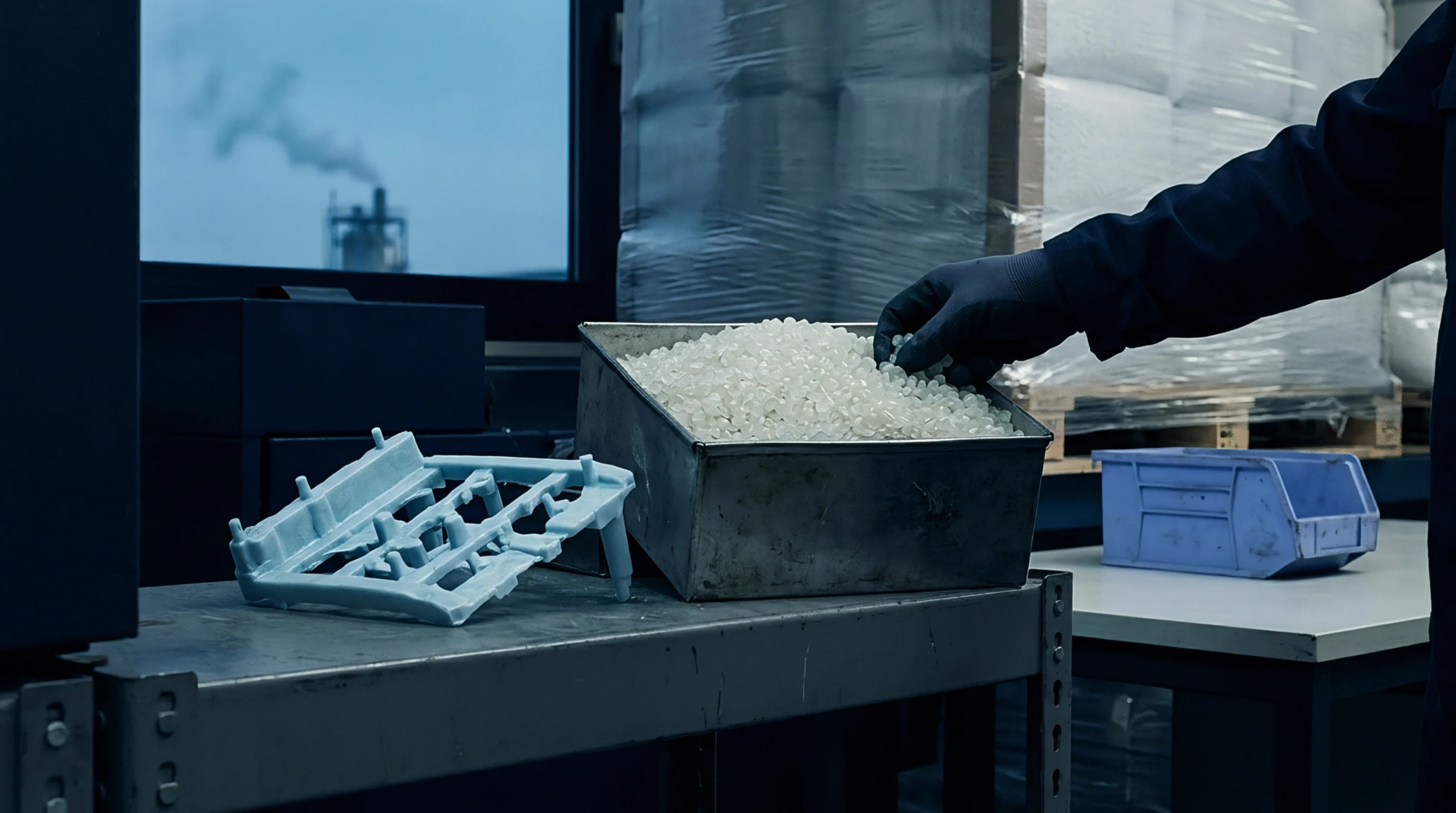
Accurate moisture determination in carbonyl-rich materials is essential to prevent hydrolytic degradation during injection moulding and extrusion. Resins such as polyetheretherketone, polyethylene terephthalate, and modified acrylics contain abundant carbonyl groups that can distort standard moisture testing. Keto reagents enable laboratories to measure moisture down to 10 parts per million before resin lots enter dryers and moulding hoppers.
Processors relying on standard methanol reagents for ketone-functional compounds receive false high moisture readings, driving operators to dry material at excessive temperatures or for prolonged hours, causing resin discoloration, pellet sintering, and thermal oxidation.
Handling Guidelines
Reagent reactivity and capacity remain lower in non-methanol media than in conventional Karl Fischer formulations. Titration reaction speeds proceed more slowly, necessitating reduced injection volumes and extended drift measurement windows. Virgin resins demand these specialized reagents whenever liquid-injection dissolution methods are used to verify moisture in masterbatch carriers.
Regrind materials containing blended pigments, ester plasticizers, or ketone-based solvent residues similarly require keto reagents to prevent artificial drift spikes. Technicians replace keto reagent cells frequently, as titration vessel exhaust products accumulate faster, gradually depleting the pH-stabilizing imidazole bases that maintain chemical efficiency.