Meaning
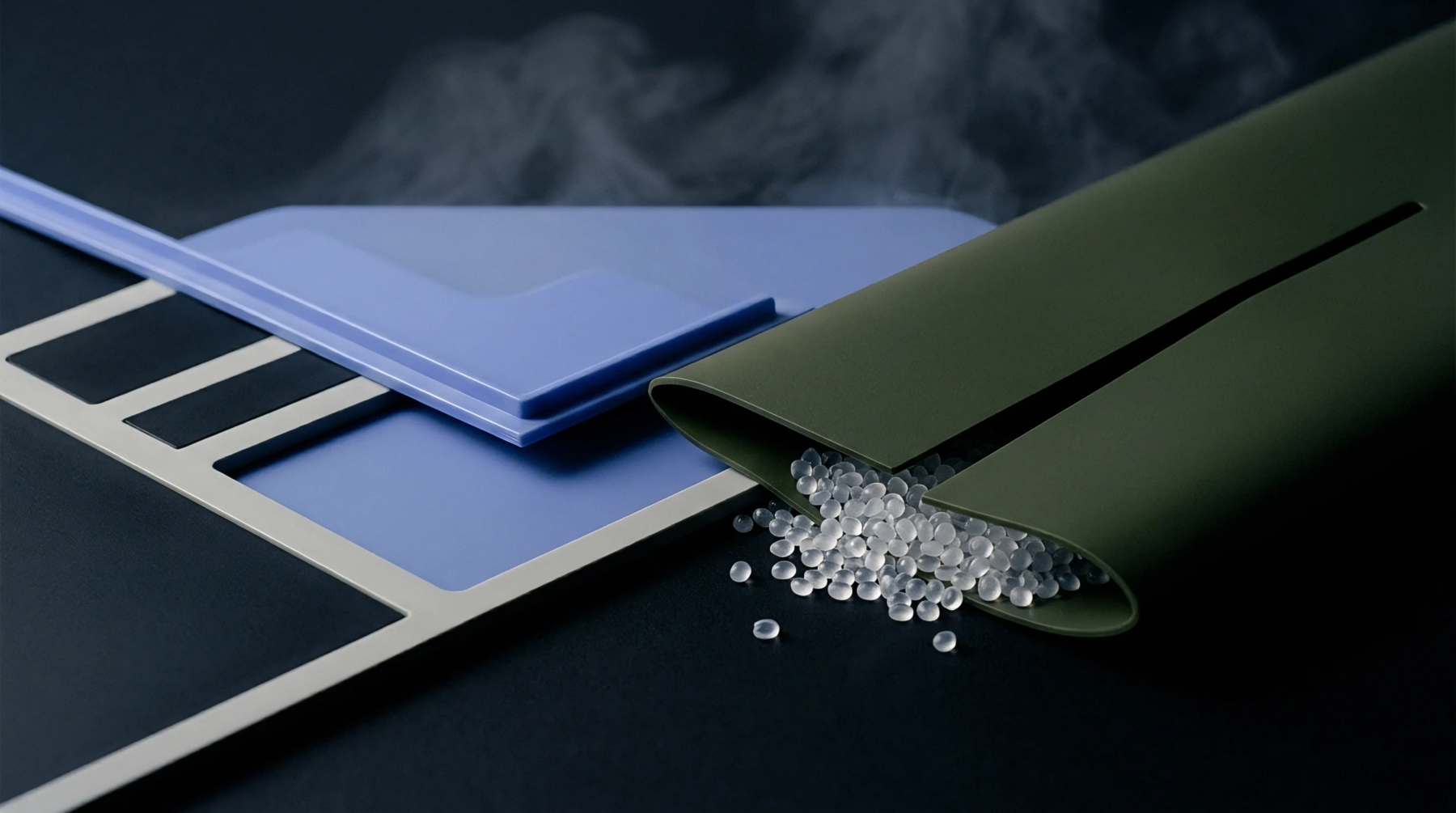
Hygroscopic equilibrium represents the specific water content percentage in a plastic resin above which hydrolysis triggers molecular chain degradation during thermal processing. A moisture threshold governs the drying duration for hygroscopic materials like polyamide or polycarbonate, where excessive vapor pressure during melting severs polymer linkages and slashes mechanical properties. Manufacturers derive this limit from the chemical susceptibility of the resin structure to water molecules at elevated temperatures.
Processing Limit
Excess water within the pellet structure converts to steam inside the injection barrel, causing localized cavitation and silver streaking on molded surfaces. This moisture threshold dictates the operational drying time required for virgin resin prior to its entry into the plasticizing unit. Recycled material consistently demands a lower baseline limit because repeated heat histories diminish the capacity of the polymer to tolerate residual water without sacrificing structural integrity.
Material Specification
Datasheets define the maximum acceptable intake of water by weight for a resin to perform according to stated tensile and impact standards. Testing protocols involve heating samples under controlled airflow to measure weight loss until the mass stabilizes, which identifies the point of complete water removal. Technicians translate this lab value into a safe dryer setting, ensuring the material remains below the critical saturation level throughout the entire production run.
Operational Variance
Production equipment occasionally fails to maintain the necessary environmental conditions to prevent re-absorption from ambient humidity. Moulders mitigate this risk by using sealed material hoppers or desiccant air drying systems that constantly force the resin moisture content below the established threshold. Consistent monitoring of the drying process minimizes the probability of brittle part failure by preventing the chemical breakdown of the polymer chain.