Meaning
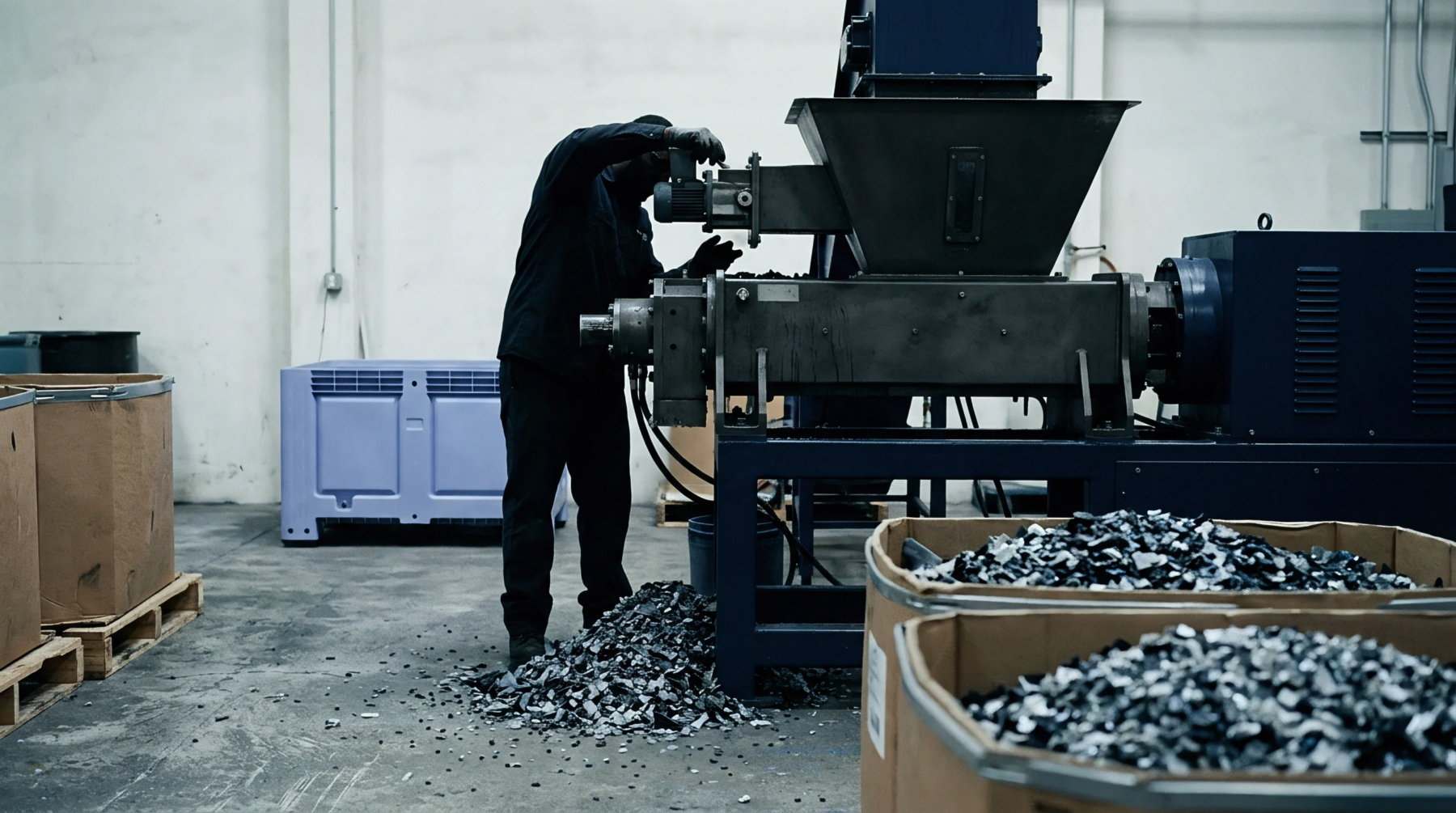
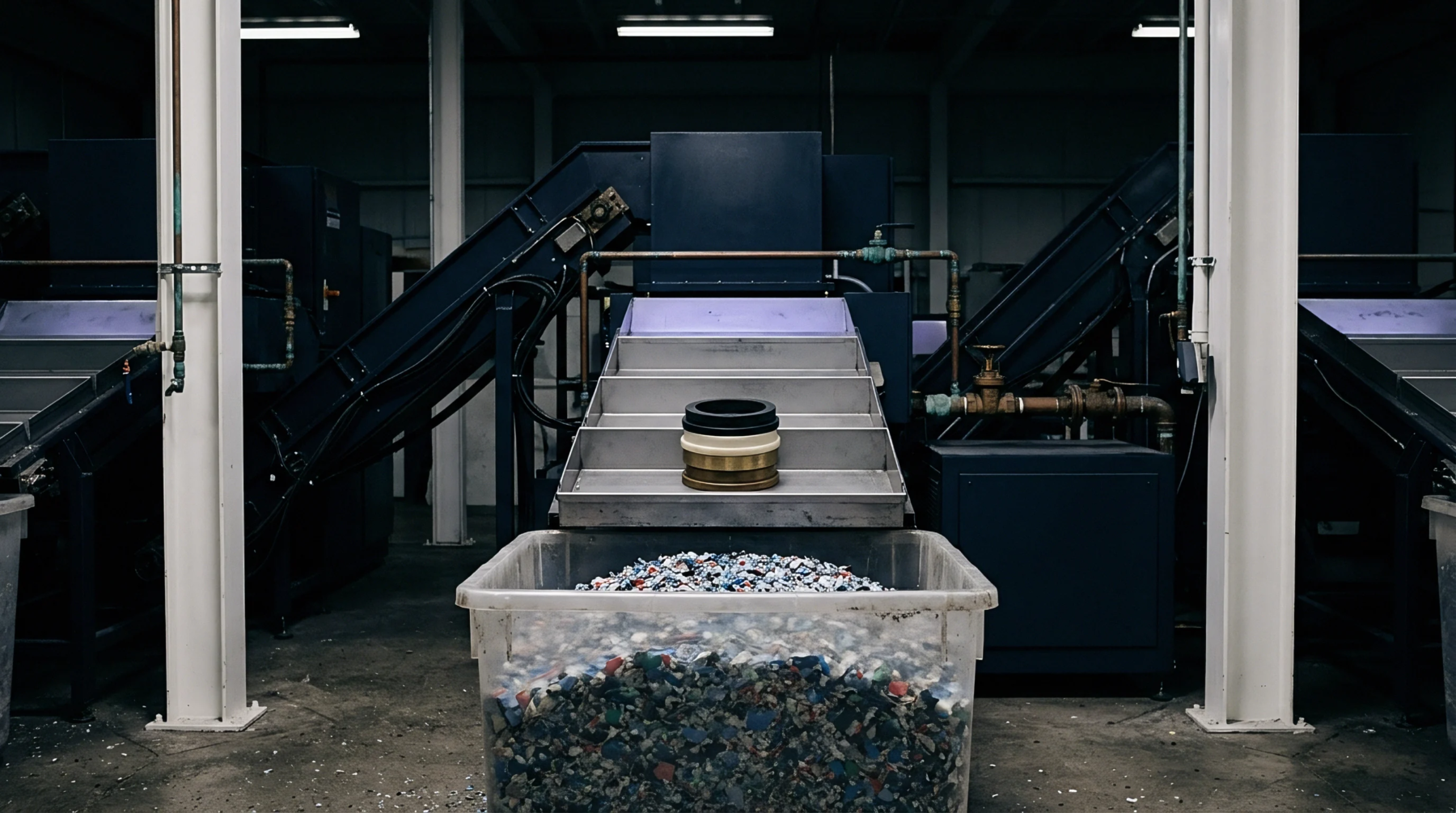
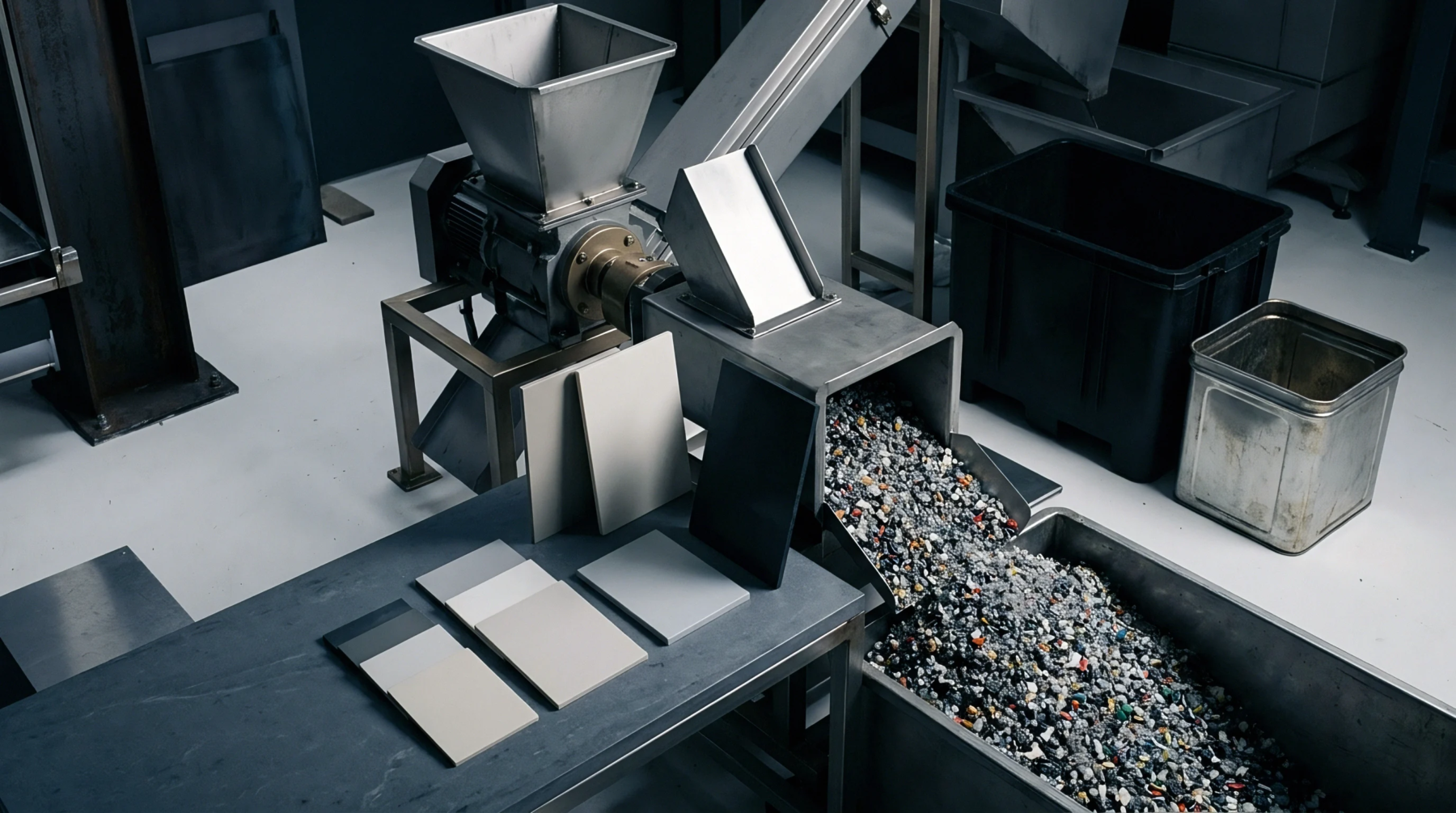
Recycled thermoplastic resins derived from plastic packaging and household goods after they have completed their intended use-cycle represent an alternative to virgin polymers. Post consumer polyolefins, which primarily include polyethylene and polypropylene, are recovered from municipal waste streams through sorting and washing processes. Sourcing these materials reduces the carbon footprint of molded products.
Resin Consistency
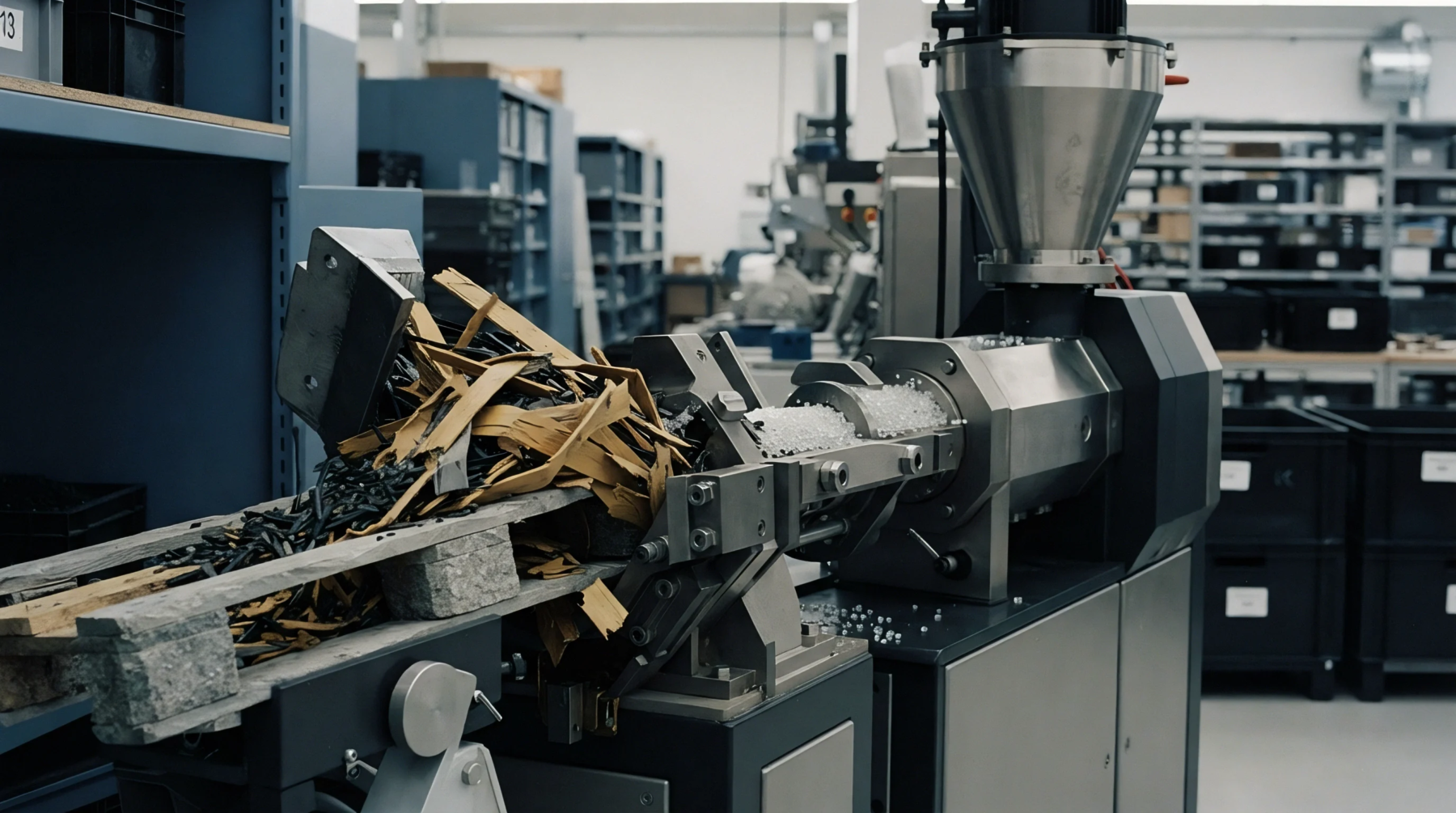
Variations in melt flow index and density are common in these recycled streams due to the mixed nature of the starting waste. Moulders must adjust their injection moulding process parameters to accommodate these batch-to-batch fluctuations. Using melt filtration and blenders helps to homogenize the incoming material.
Odour Management
Residual volatile organic compounds from previous uses often impart a distinct odor to post consumer polyolefins. This odor can be reduced through the use of vacuum devolatilization during compounding or by adding scent-masking additives. However, this raises the processing cost and must be factored into the overall economics of using recycled resins.
Product Application
Mechanical properties such as impact strength and tensile modulus are typically lower in recycled plastics compared to virgin grades. This limits the use of post consumer polyolefins to non-structural or thick-walled parts where mechanical demands are less critical. In addition, food-contact applications are restricted unless the recycling process has been validated by food safety authorities.
Therefore, product designers must incorporate generous safety margins and optimized wall thicknesses when developing new items from recycled resins to ensure long-term durability.