Cross Border Secondary Machining Capital Amortization Mechanics and Asset Recovery under Foreign Insolvency Laws
Secondary machining capital amortization requires per-unit capital allocation tied to enforceable title retention and clear cross-border insolvency carveouts.
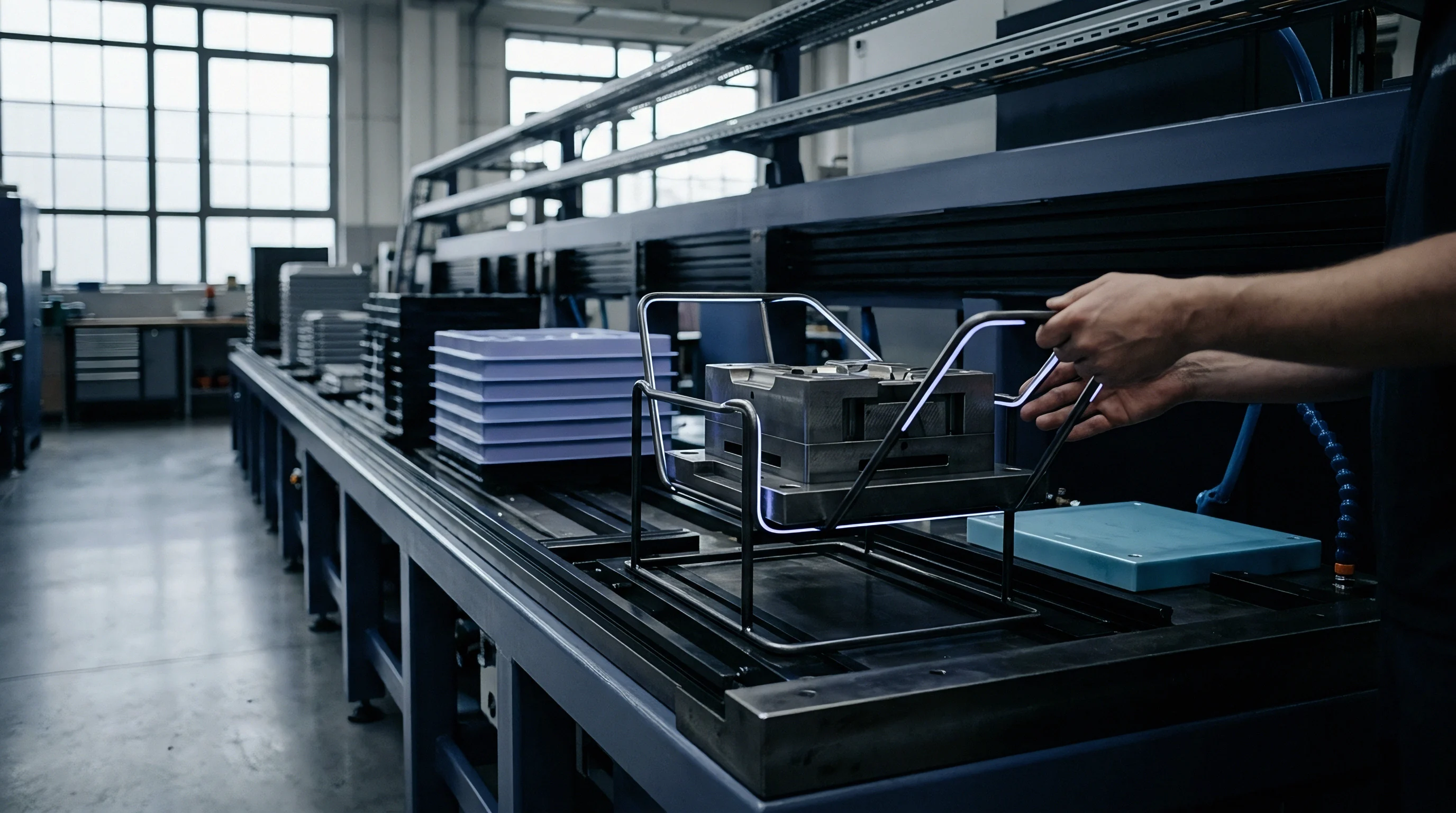
Rig
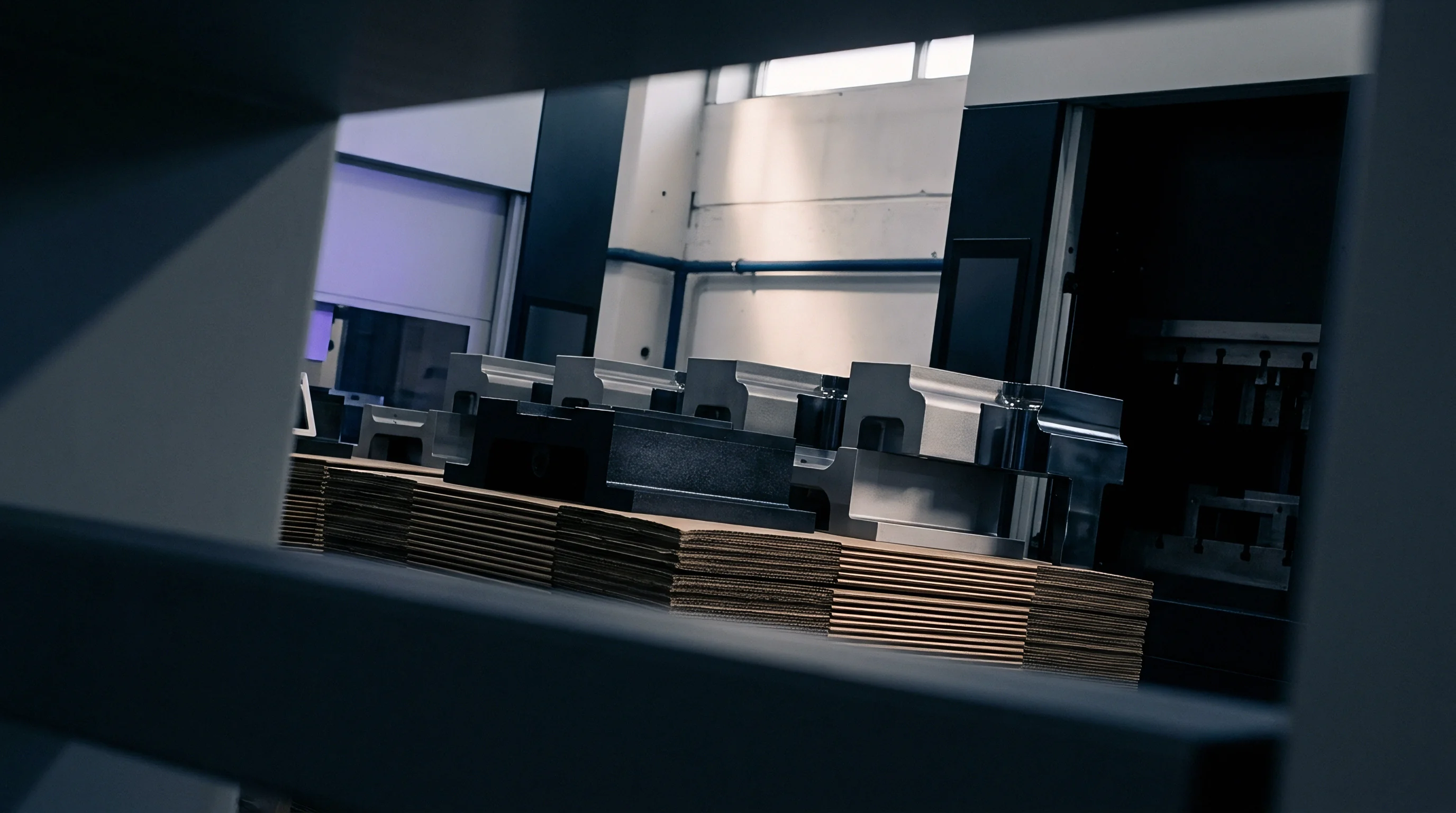
Dedicated post-moulding CNC machining cells integrate custom hydraulic clamping fixtures, high-speed spindles, and automated part-handling gantries. While injection moulding holds tight dimensions across standard engineering polymers, high-precision parts often require secondary cutting operations. Critical seal grooves, lateral hydraulic ports, and tight-tolerance bearing seats requiring DIN 16742 TG3 tolerances cannot be formed directly in the tool steel because of differential volumetric shrinkage and polymer chain orientation.
Multi-axis milling cells resolve these geometric constraints by cutting critical features only after the polymer thermally stabilizes.
When semi-crystalline polymers such as 30 percent glass-filled polyetheretherketone or polyphenylene sulfide cool, anisotropic shrinkage sets up localized internal stress. If a warm moulding is clamped into a secondary machining fixture, the geometry distorts before the cutter even engages. Once clamping pressure releases, the matrix recovers elastically and shifts dimensions well past drawing limits.
Process engineers qualify dedicated machining capital by enforcing strict thermal holding times, ensuring the part reaches dimensional equilibrium before entering the milling enclosure.
Secondary machining fixtures held below room temperature induce localized thermal stresses that compromise post-milling axial alignment.
Post-Processing Cell Specifications and Mechanical Integration
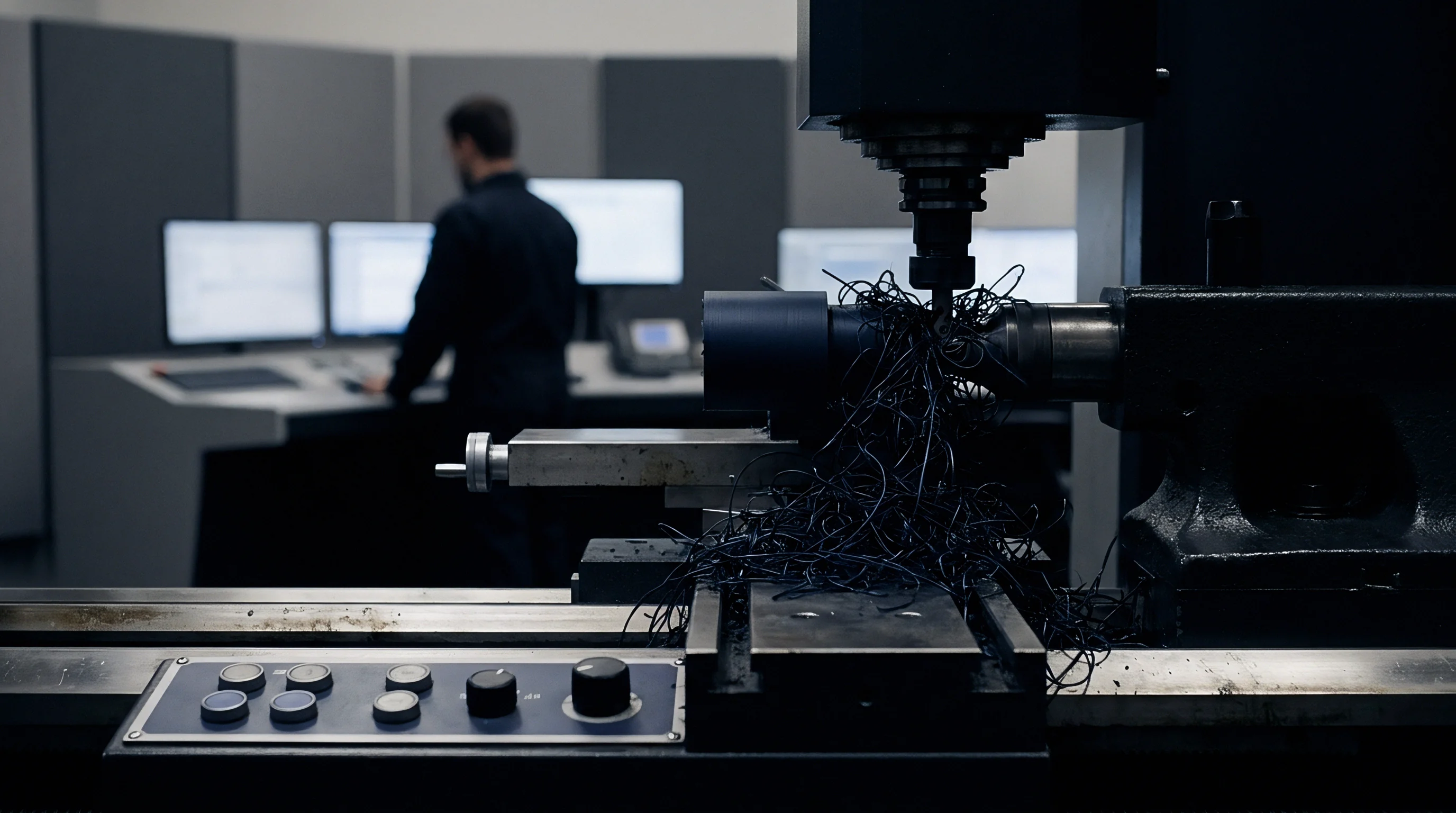
Integrating dedicated secondary capital into a high-volume moulding facility requires physical mounting, utility drops, coolant filtration, and digital controls. A four-axis vertical machining center equipped with a rotary trunnion table represents a substantial capital expenditure. Tooling engineers specify dedicated pneumatic indexers and hydraulic power units to secure mouldings within two micrometers of positional repeatability.
High-speed spindles running at 24,000 revolutions per minute deliver the cutting velocities needed to shear glass fibers cleanly without pulling them out of the polymer matrix.
Secondary cell integration exposes several mechanical and thermal failure modes during continuous production runs.
- Thermal Expansion Variance causes spindle growth during multi-shift operation, shifting cutter z-height and cutting out-of-spec rebate depths on critical flange faces.
- Abrasive Swarf Contamination wears down sliding fixture components, introducing positional play that degrades hole-concentricity tolerances over long runs.
- Elastic Part Creep occurs when hydraulic clamping pressures exceed the compressive yield strength of thin-walled plastic bosses, distorting internal bore diameters after release.
- Coolant Matrix Degradation results from synthetic cutting fluid reacting with residual moulding release agents, triggering environmental stress cracking in amorphous resins.
Machining cells require dedicated dust extraction and mist collection systems. Microscopic resin chips generated during high-speed milling create particulate loads that jam pneumatic valves and coat optical encoders. Supplying dry, oil-free compressed air to spindle air-purges prevents fine swarf from getting into spindle bearings.
Tooling contracts allocate explicit capital line items for these ancillary systems, ensuring the secondary processing rig functions as a self-contained manufacturing unit.
Secondary surface deviations often stem from incoming moulded blanks exceeding specified volumetric shrink bands before mounting, rather than from errors introduced by the machining cell itself.
Charge
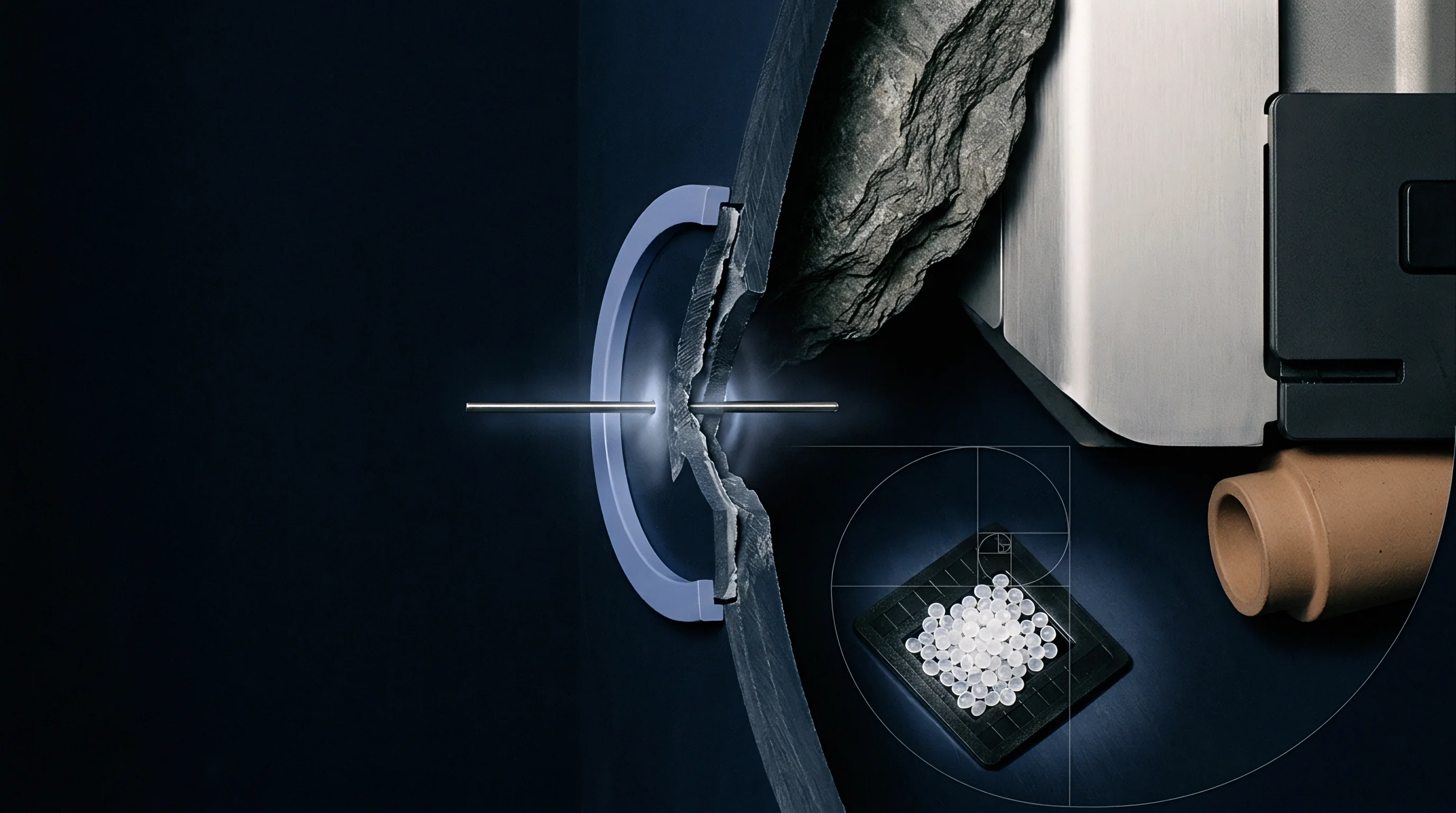
Capital recovery through piece-price add-ons links equipment repayment directly to press output schedules. Purchasing secondary machining centers through per-part amortization fees spreads capital expenditure across projected production volumes. The buyer pays a baseline piece price for the raw moulding, plus an agreed fee per delivered part to service the principal and interest on the post-processing equipment.
This unit-rate recovery model aligns cash outflows with revenue, provided press yields and production volumes hit contractual projections.
When production runs fall short of agreed baseline volumes, the capital cost of the secondary equipment remains unpaid. Sourcing agreements must account for volume variance through explicit shortfall settlement mechanics. If an automotive program projects a run of 100,000 units over three years but cancels the line at 32,000 units, the supplier holds an unrecovered capital balance on the dedicated CNC milling cell and custom fixtures.
The contractual framework defines whether this residual debt converts into a lump-sum buyout or extends across alternative product lines.
A thirty percent drop in planned production volume triples the per-unit capital amortization timeline when piece-price add-ons remain fixed.
Amortization Schedule Design and Shortfall Calculations
Designing a balance-neutral capital repayment schedule demands clear assumptions regarding machine working life, scrap rates, and interest carrying charges. For a secondary machining center valued at $350,000, installed specifically to post-process precision medical pump housings, a typical structure might assume a 100,000-unit production run, a nominal interest rate of 6 percent per annum, and a two-year recovery window. The baseline amortization charge equals $3.68 per part, calculated by dividing total capital debt service by contracted unit output.
| Production Volume (Units) | Amortization Add-On ($/Unit) | Cumulative Recovered Capital ($) | Unamortized Principal Balance ($) | Carrying Cost Exposure ($) |
|---|---|---|---|---|
| 20,000 | 3.68 | 73,600 | 276,400 | 16,584 |
| 40,000 | 3.68 | 147,200 | 202,800 | 12,168 |
| 60,000 | 3.68 | 220,800 | 129,200 | 7,752 |
| 80,000 | 3.68 | 294,400 | 55,600 | 3,336 |
| 100,000 | 3.68 | 368,000 | 0 | 0 |
Calculating the capital shortfall upon early project termination follows a clear sequence.
- Determine the delivered, accepted part count from certified press logs and quality inspection sign-offs.
- Multiply the accepted part count by the contractual per-unit capital amortization add-on rate.
- Subtract total recovered principal from the original equipment acquisition cost plus accrued carrying interest.
- Apply the contractual premature termination fee percentage to cover asset re-tooling or decommissioning expenses.
Scrap rates alter the amortization schedule significantly. If the secondary machining cell yields an 8 percent reject rate from surface tearing or fixture mis-location, the press must run 108,695 blanks to deliver 100,000 good parts. Sourcing contracts must explicitly state whether the amortization add-on applies to injected blanks placed into the fixture or accepted parts leaving inspection.
Applying the fee only to accepted parts forces the supplier to absorb capital amortization losses on scrap, shifting press-side operational risk directly onto the machining operation.
Miscalculating the production ramp rate leaves the equipment owner exposed to carrying costs that can wipe out margins on early deliveries.

Jurisdiction
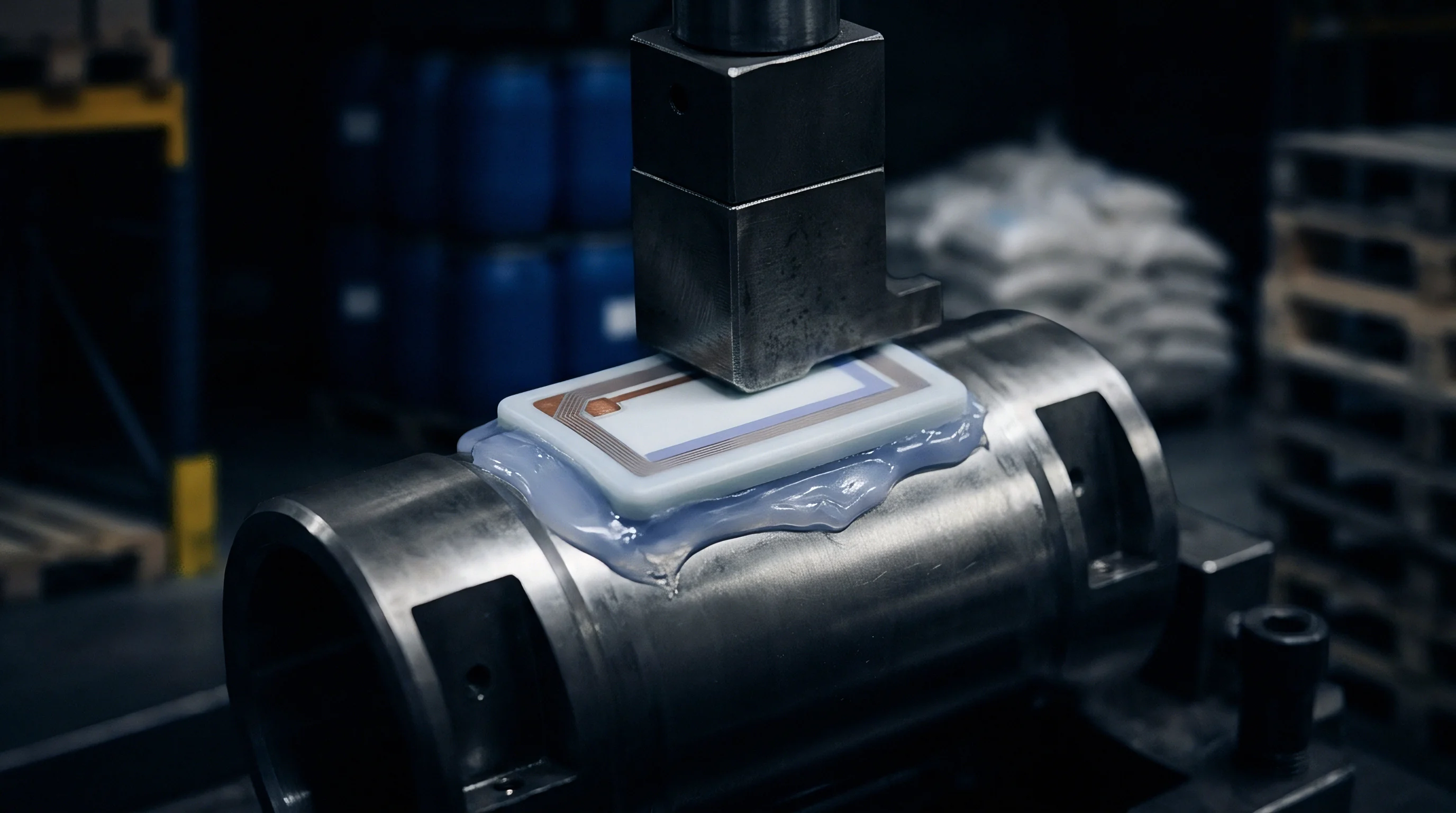
Legal protections for equipment inside foreign production plants depend on how local courts treat cross-border restructuring filings. When an international tier-one contract manufacturer enters insolvency proceedings, the physical location of the capital asset determines which court exercises immediate control over the facility. A secondary machining cell sitting in a foreign plant falls under the territorial jurisdiction of that national court, regardless of choice-of-law clauses designating another venue.
Cross-border insolvency frameworks attempt to harmonize asset disposition across multiple countries. The UNCITRAL Model Law on Cross-Border Insolvency, adopted by over fifty jurisdictions, provides mechanisms for recognizing foreign bankruptcy proceedings. Under Chapter 15 of the United States Bankruptcy Code and equivalent foreign statutes, the court presiding over the debtor’s Center of Main Interests manages primary restructuring efforts, while local courts where secondary machining cells reside oversee ancillary proceedings to protect domestic creditors.
UNCITRAL Model Law Article 20 mandates an immediate stay on asset enforcement actions upon judicial recognition of a foreign main proceeding.

Does Foreign Main Proceeding Protection Automatically Extinguish Asset Retention Rights?
Filing a foreign main insolvency proceeding triggers an automatic stay or broad enforcement freeze across most jurisdictions. This stay halts debt collection, repossession, and contract terminations involving the insolvent manufacturer’s estate. Buyers who funded secondary machining capital under unit-amortization agreements often discover that local administrators will block access to the factory floor, treating CNC equipment and custom trunnion fixtures as operational assets needed to keep the business running.
Overcoming an automatic stay to recover physical capital demands establishing clear, non-debtor title to the machinery before local judges. Insolvency laws in certain jurisdictions treat equipment on a debtor’s factory floor as presumptively owned by the debtor, placing the burden of proof entirely on the foreign equipment owner. Secured creditors holding mortgages over the whole facility frequently challenge foreign title claims, arguing that secondary machining cells are permanent fixtures attached to the real property.
The conflict between foreign main recognition and local possessory liens leaves buyers facing prolonged legal delays while unamortized machinery sits degrading on idle production lines.
Reclamation
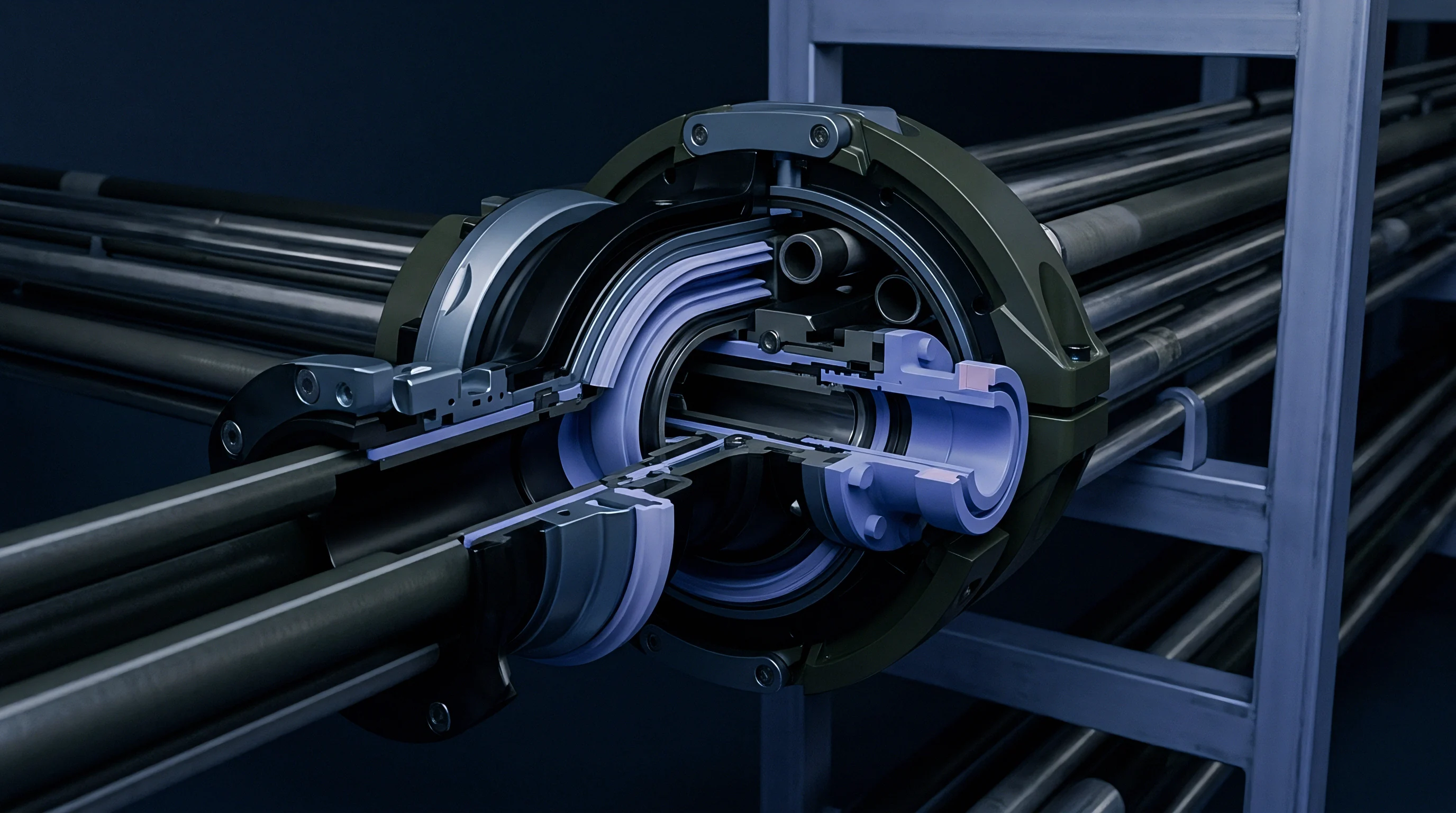
Extracting dedicated machinery from an insolvent foreign facility demands verified asset tagging, an unbroken chain of title, and administrative clearance. Foreign courts do not release capital equipment based on informal asset registries or unverified purchase orders. Sourcing operations must maintain detailed equipment dossiers containing serial numbers, original manufacturer invoices, proof of wire transfers, customs import documentation, and photographs showing permanent metal nameplates affixed to the machine frame.
Custom fixtures, trunnion tables, and auxiliary hydraulic power packs must carry laser-etched stainless steel tags explicitly identifying the asset owner. If an insolvency practitioner encounters untagged or ambiguous capital assets inside a closed plant, those assets are cataloged as bankruptcy estate property. Once listed on the official court inventory, removing the equipment requires filing formal interpleader motions or replevin petitions, extending recovery timelines by months.
Cross-border capital recovery requires navigating re-export regulations once local judicial release orders are granted. Foreign customs authorities inspect outgoing machinery to confirm original duty payments and check export licensing compliance. If secondary machining equipment entered under temporary import bonds or bonded manufacturing regimes, failure to present original import declarations triggers substantial re-export tariffs and administrative penalties before the asset leaves port.
| Jurisdiction | Primary Statutory Mechanism | Average Recovery Lead Time | Local Administrator Rights | Customs Exit Permit Requirement |
|---|---|---|---|---|
| United States | Chapter 15 Relief Motion / Section 362 Stay Relief | 30 to 90 Days | Can contest title if asset is integrated into realty | Standard Export Declaration (EEI) |
| Germany | InsO Section 47 Aussonderungsrecht (Separation Right) | 45 to 120 Days | May retain asset temporarily for estate evaluation | Atlas Export Customs Declaration |
| Mexico | Ley de Concursos Mercantiles Asset Separation Petition | 90 to 240 Days | Prioritizes local labor liens over foreign title claims | Pedimento de Exportacion / IMMEX Discharge |
| China | Enterprise Bankruptcy Law Article 38 Repossession Request | 120 to 360 Days | Requires full clearance of local employee obligations | CIQ Inspection / Customs Re-export Clearance |
Executing physical recovery after securing foreign court authorization requires systematically working through specific operational milestones.
- Dossier Compilation gathers original purchase agreements, wire transfer receipts, machine serial photos, and customs import declarations into a court-certified evidence package.
- Stay Relief Application petitions the presiding foreign bankruptcy court to lift the stay order specifically for the secondary cell.
- Site Inspection Audit verifies machine location, assesses physical condition, confirms serial tag integrity, and inventories custom tooling accessories.
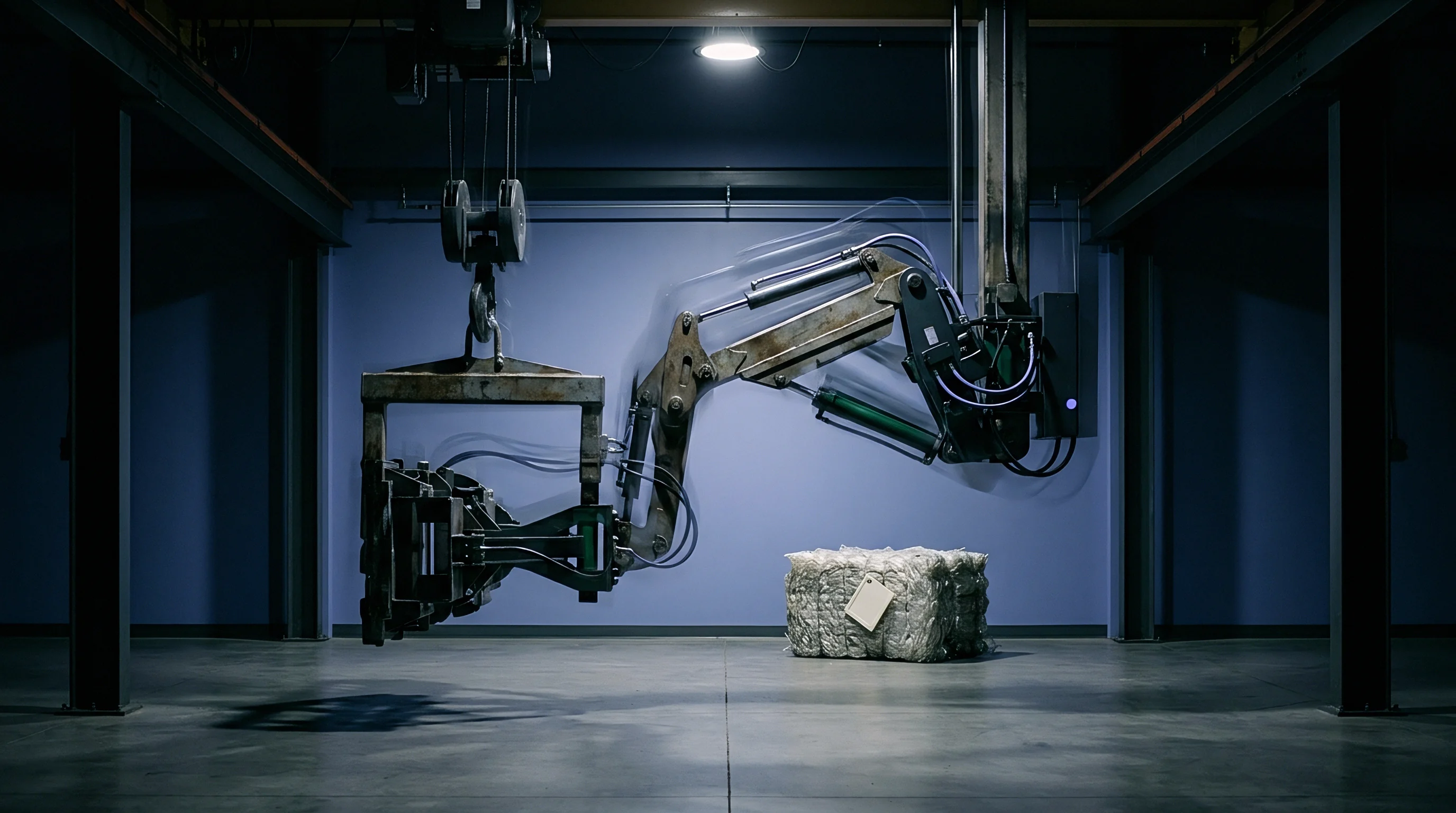
- Rigging Operations engages certified industrial millwrights to disconnect electrical power, purge coolant lines, dismantle safety enclosures, and crate the equipment.
- Customs Re-export Filing submits bonded export paperwork to border authorities to clear the equipment for transit without triggering re-assessed import duties.
Securing asset release hinges on proving that title remained vested in the buyer throughout the amortization term rather than passing to the supplier upon installation.
Under Article 11 of the UNCITRAL Model Law, a foreign representative seeking asset recovery must present certified authentic copies of foreign court filings and explicit title documentation to establish standing in local enforcement courts.
Clause
Contractual protections in tooling supply agreements must establish unambiguous title separation before equipment commissioning. Standard purchasing terms rarely protect secondary capital assets during foreign insolvency events. Buyers need explicit reservation-of-title language, structured bailments, and local security interest registrations completed long before secondary machining cells arrive on a foreign factory floor.
Title retention mechanisms prevent secondary equipment from being subsumed into a supplier’s bankruptcy estate. Under a formal Romalpa or reservation-of-title clause, legal ownership of the secondary machining cell, trunnion fixtures, and custom cutters remains with the buyer until every unit-amortization fee is paid in full. If the contract terminates early, title never transfers, giving the buyer immediate legal standing to demand asset segregation under foreign bankruptcy rules.
Unregistered security interests in foreign capital assets are routinely subordinated to local judicial liens during bankruptcy reorganizations.
Public Registration and Perfection of Security Interests
Drafting a robust contract clause is insufficient if the foreign jurisdiction requires public filing to perfect the security interest against third parties. In Personal Property Security Act jurisdictions and Uniform Commercial Code Article 9 venues, buyers must register financing statements recording their interest in the secondary machining capital. In civil law jurisdictions, recording security interests on national chattel mortgage registries or commercial pledges establishes the public notice required to defeat claims by general bankruptcy creditors.
Bailment agreements offer an alternative operational structure for secondary machining setups. Under a bailment structure, the buyer acts as bailor, lending capital equipment to the supplier as bailee. The bailee takes possession solely to post-process parts under strict contractual parameters.
Because the equipment never enters the bailee’s asset ledger, the bailment terms provide immediate rights of repossession upon contract default or insolvency filing.
Step-in rights reinforce bailment clauses by granting the buyer physical access to the foreign plant upon insolvency. These terms authorize designated engineers and millwrights to enter the facility, operate the secondary machining cell directly, or dismantle the rig for extraction. Escrow structures complement step-in rights by requiring the supplier to hold unamortized capital funds in segregated accounts, preventing capital repayments from mingling with general operating cash.
Clear, registered title reservation clauses supported by local filings protect cross-border machinery investments from being lost in supplier insolvencies.