Legal Paperwork Mechanics for Repossessing Bailment Tooling from Bankruptcy Estates
Secure immediate repossession of bailment tooling from bankruptcy estates by proving true bailment through UCC-1 filings, asset tags, and lifting the stay.

Filing
Statutory Perfection Mechanics and Asset Segregation
Bailment relationships in plastics manufacturing separate physical possession at the plant from legal title held by the buyer. When a tier-one or tier-two injection moulder enters Chapter 11 or Chapter 7 bankruptcy, every piece of production hardware on the shop floor faces immediate classification risks under Section 541 of the United States Bankruptcy Code. Unsecured creditors and debtor-in-possession lenders routinely argue that unfiled bailments are disguised financing transactions or vendor credit arrangements.
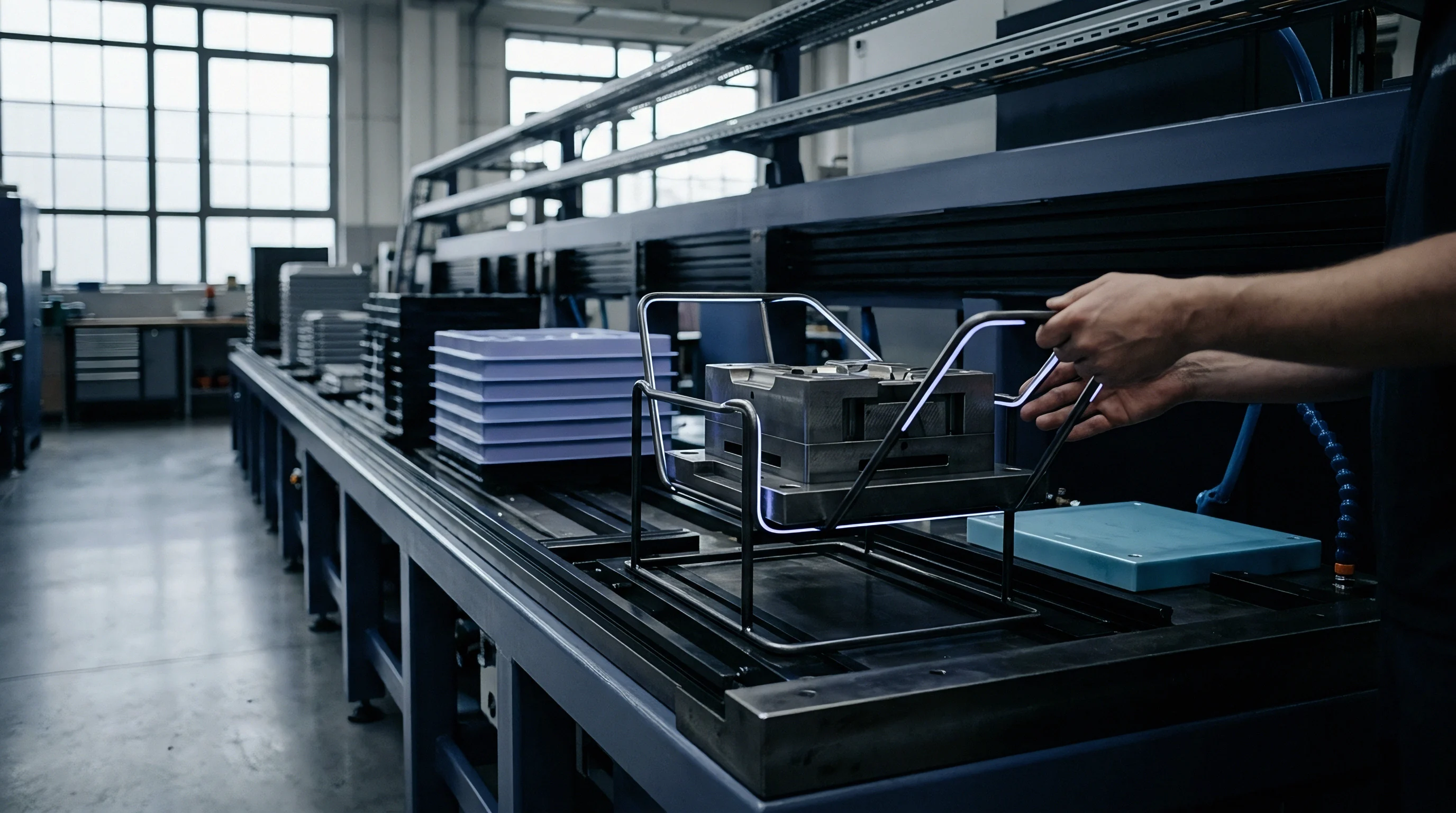
A properly structured bailment schedule identifies the specific mould base, hot runner manifold, interchangeable cavity inserts, and cooling bridge components by unique serial identifiers.
Article 9 of the Uniform Commercial Code provides the core mechanism to keep custom injection tooling out of the debtor’s estate. Buyers protect capital assets by lodging a precautionary UCC-1 financing statement with the Secretary of State where the moulder is incorporated. Section 9-505 explicitly authorizes protective filings using the terms bailor and bailee rather than secured party and debtor.
This filing gives public notice of true ownership without conceding that the arrangement creates a security interest. Failing to file leaves title vulnerable to a bankruptcy trustee’s strong-arm powers under Section 544.
A protective UCC-1 filing naming the tool owner as bailor isolates the steel from general creditor pools upon insolvency.
The line between a true bailment and a disguised security interest depends on economic substance rather than contract labels. Courts evaluate whether the tooling amortizes across piece parts, whether the moulder holds a purchase option at the end of the production cycle, and who assumes the financial risk of physical depreciation. True bailments preserve an absolute reversionary interest for the buyer.
The moulder receives only a revocable, limited license to run resin through the tool to fulfill purchase orders.
| Filing Category | Statutory Reference | Designated Parties | Collateral Scope Description | Lien Priority Status |
|---|---|---|---|---|
| Protective Bailment | UCC Section 9-505 | Bailor / Bailee | Specific serialized injection moulds, dies, fixtures, auxiliary end-of-arm tooling | Senior title assertion over general liens |
| Purchase Money Security | UCC Section 9-324(a) | Secured Party / Debtor | Tooling funded via progress payments prior to physical plant delivery | Super-priority over existing blanket inventory liens |
| True Lease Recordation | UCC Article 2A-103 | Lessor / Lessee | Dedicated processing assets leased without nominal buyout terms | Proprietary ownership exclusion from bankruptcy estate |
| Statutory Toolmaker Lien | State Specific Codes | Lienor / Owner | Fabrication and repair balances owed to the machine shop | Possessory priority over unperfected title claims |

Contractual Exhibits and Document Chains
Solid documentation requires an unbroken paper trail connecting the original tooling purchase order to the asset sitting in the press bay. The master bailment agreement serves as the commercial framework, but supporting exhibits carry the legal weight during liquidation. These exhibits include fully executed bailment receipts, tool design sign-offs, and landed invoices verifying zero balance owed to the original tool builder.
Any gap in payment receipts between buyer, broker, and mouldmaking facility exposes the tool to competing artisan liens.
- Tool Bailment Agreement defines the revocable license, prohibits co-mingling, and establishes immediate repossession triggers upon financial insolvency events.
- Executed Bailment Certificate records the physical delivery date, operating press tonnage, water circuit configuration, and the signed acknowledgment of receipt by the plant setter.
- Toolmaker Paid-In-Full Lien Waiver confirms that the tool shop received all progressive milestone disbursements and relinquishes statutory fabricating claims on the cavity blocks.
- Asset Allocation Schedule lists individual component costs, cavitation layouts, gate bushing dimensions, and serial tag verifications for each tool assembly.
Legal teams must verify these documents before machine bring-up. Tool ownership disputes worsen when piece prices bundle hidden tooling amortization charges. Separate the part price from tooling capital costs entirely.
Section 14 of the standard bailment agreement establishes that title remains strictly with the bailor, regardless of physical modifications, maintenance cycles, or insert changes completed by the contract processor.

Tag
Physical Verification and Identification Architecture
Visual identification on the shop floor serves as the physical counterpart to statutory paperwork. When a court-appointed trustee or financial auditor locks the plant gates, physical inspection teams verify tool identity directly against the bailment schedule. Steel injection moulds stored without permanent, corrosion-resistant identification plates risk immediate commingling with the debtor’s general plant assets.
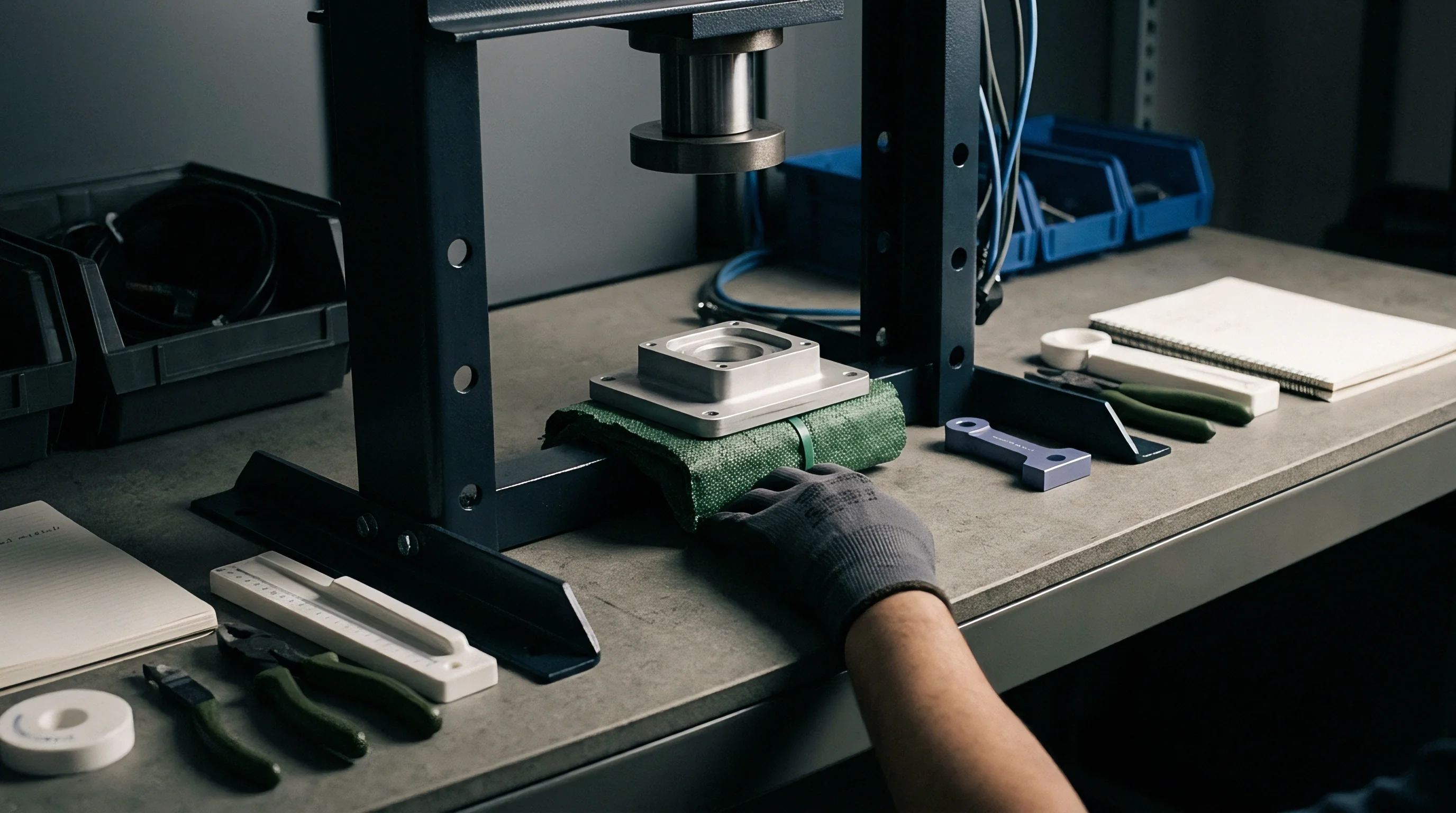
Stamp serial numbers directly into the clamp slots and attach engraved stainless steel or anodized aluminium asset plates to the operator-side mould base.
Mould tagging requires precise metadata beyond company names. Asset plates should state proprietary ownership, the protective UCC-1 filing reference number, the specific tool code, and explicit bailment language. Rivet these plates into a machined pocket on the non-moving platen half to prevent accidental dislodgement during overhead crane transit or mold changes.
When auxiliary components like hydraulic core-pull cylinders, hot-runner temperature controllers, or robot end-of-arm grippers belong to the tooling package, attach matching secondary identification tags to each piece.
Tooling identification plates stamped with bailment registration numbers hold up under physical inventory audits conducted at press-side.
- Mill a recessed pocket measuring 100 millimeters by 50 millimeters with a depth of 3 millimeters into the operator-side clamping plate.
- Engrave a 304-grade stainless steel plate with the bailor legal entity, tool serial code, part drawing revision number, and bailment statement.
- Fix the nameplate permanently using four stainless steel blind drive rivets to eliminate unauthorized removal.
- Stamp the primary serial identification directly into the top steel surface of both the core plate and cavity plate using 10-millimeter steel character dies.
- Capture high-resolution photographic evidence showing the stamped serials, the attached plate, and the overall mould assembly mounted inside the machine platen.
- Log the photographic records alongside the signed plant receipt in the central bailment asset registry.

Audit Protocols and Evidence Preservation
Plant audits conducted across working shifts establish operational proof of ownership. Processors frequently swap insert blocks between company-owned universal master frames and customer-dedicated mould bases. This practice creates severe evidentiary complications if the contract manufacturer enters liquidation while running mixed-ownership setups.
Routine physical inspections confirm that customer-owned cavity blocks reside exclusively within customer-owned steel frames.
Photographic verification should capture the tool operating in the press, showing water connections, hot runner drops, and part drop chutes. Date-stamped imagery links the physical hardware to maintenance log entries, shot count readouts, and cavity pressure calibration certificates. These technical records demonstrate that the debtor never exercised ownership dominion over the steel.
Missing plates or undocumented steel alterations allow trustees to claim debtor investment in the asset.
Omitting permanent asset plates during plant bring-up causes costly evidentiary delays during liquidation hearings, adding tens of thousands of dollars in administrative legal expenses.

Stay
Section 362 Automatic Stay Mechanics
Filing a bankruptcy petition under Chapter 11 or Chapter 7 immediately triggers the automatic stay under Section 362(a) of the Bankruptcy Code. This statutory injunction halts all debt collection activities, foreclosures, and asset repossession efforts worldwide. Even when a buyer holds undisputed legal title and maintains perfectly filed UCC-1 documentation, entering the debtor’s facility to remove injection tooling without bankruptcy court approval constitutes a stay violation.
Unauthorized repossession risks substantial judicial sanctions, compensatory damages, and civil contempt penalties.
The automatic stay preserves the status quo while the debtor-in-possession evaluates its operational resources. If the insolvent processor considers the tooling vital to ongoing operations or customer part deliveries during reorganization, the debtor will resist tool surrender. The buyer must file a formal Motion for Relief from the Automatic Stay under Section 362(d) to obtain judicial permission to extract the steel from the facility.
What Prevents Automatic Stay Enclosure?
Excluding custom tooling from the bankruptcy estate requires establishing that the debtor holds bare possessory rights rather than an equitable or financial interest. Section 541(d) of the Bankruptcy Code specifies that property in which the debtor holds only legal title or physical possession without equitable interest becomes part of the estate only to the extent of that possessory interest. Demonstrating that the bailment agreement expired, was properly terminated before the bankruptcy filing, or created an absolute duty to return the mould prevents the estate from retaining long-term control.
Bailment assets lacking equity or operational utility for the debtor qualify for expedited relief from the statutory stay under Section 362.
Bailors seek relief under Section 362(d)(1) for cause, which includes lack of adequate protection, or under Section 362(d)(2) by establishing that the debtor lacks equity in the tool and that the asset is unnecessary for an effective reorganization. Proving lack of equity is direct: the tool belongs entirely to the bailor, so the debtor holds zero financial value in the hardware. Demonstrating that the tool is unnecessary for reorganization succeeds when the debtor has stopped moulding parts or when the underlying supply contract was formally terminated before the petition date.
Insolvent processors frequently contend that moulds cannot be released because upcoming production shifts are necessary to meet debtor payroll obligations.
Motion
Structuring the Emergency Lift-Stay Motion
An emergency motion to lift the automatic stay requires clear technical details and supporting affidavits. The moving papers must prove true ownership, detail the immediate commercial injury caused by halted production, and establish that the tooling faces physical degradation or improper handling. In plastics manufacturing, assembly line shutdowns generate severe downstream financial liabilities across automotive and medical supply chains.
The motion must communicate this supply chain risk clearly to the presiding bankruptcy judge.
The legal filing package pairs formal arguments with a comprehensive technical dossier. The lead engineer or sourcing manager provides an affidavit certifying the provenance of the tool, its operating history, current maintenance state, and cavitation balance. Supporting documentation includes CAD tool design cross-sections, original purchase orders, paid wire receipts, certified copies of UCC-1 filings, and dated asset tag inspection logs.
This paper trail strips the debtor of credible ownership claims.
| Document Type | Technical Content | Legal Purpose | Vulnerability Risk |
|---|---|---|---|
| Engineering Affidavit | Cavity count, resin grade, DIN 16742 tolerance class, cycle time | Establishes unique asset characteristics and process identity | Vague descriptions allow claims of asset substitution |
| Wire Transfer Audit | Progressive bank disbursements matching toolroom milestones | Proves zero outstanding manufacturing debt | Unpaid engineering changes create artisan lien claims |
| Bailment Agreement | Prohibition of assignment, termination terms, choice of law | Negates debtor leasehold or partnership assertions | Unsigned revisions invalidate clear title definitions |
| Plant Inspection Log | Date-stamped photos of asset plates and maintenance history | Confirms asset location and verified possession state | Absence of photos permits debtor denial of custody |

Adversary Proceedings and Emergency Carve-Outs
When a debtor disputes ownership or a creditor committee challenges the UCC-1 perfection, the matter escalates into an adversary proceeding under Bankruptcy Rule 7001. Adversary proceedings function as formal civil lawsuits within the bankruptcy case, complete with discovery requests, depositions, and evidentiary hearings. Buyers cannot afford months of litigation while assembly lines sit idle.
Securing a negotiated consent order or an agreed cash collateral carve-out offers a much faster resolution.
Negotiated recovery protocols frequently involve reimbursing the debtor for documented, reasonable packaging costs and unpaid finished inventory. In exchange, the debtor stipulates to immediate relief from the stay, allowing entry by qualified rigging contractors. If the debtor attempts to sell facility assets under Section 363 of the Bankruptcy Code, the bailor must immediately file a formal objection to ensure the auction inventory explicitly excludes all customer-owned tooling.
- Affidavit of Ownership demonstrates unencumbered title backed by purchase documentation and bank payment receipts.
- Evidence of Supply Line Harm details daily downstream shutdown costs and customer warranty penalties.
- Emergency Hearing Request secures court scheduling within fourteen calendar days under Bankruptcy Rule 4001.
- Proposed Rigging Stipulation outlines exact rigging schedules, insurance coverage minimums, and site safety procedures.
The fastest route to retrieving critical steel from an insolvent plant is an agreed consent order signed by both the bailor and the secured lender committee.


Dispatch
Rigging Logistics and Site Extraction Protocols
Executing a bankruptcy court extraction order requires rapid, professional coordination at the debtor’s facility. Once the signed order granting relief from the stay is docketed, the bailor mobilizes specialized machinery riggers and qualified plastics process technicians. The physical extraction team must carry certified copies of the court order, photographic identity sheets for each tool, and comprehensive commercial liability insurance certificates.
Plant security or bankruptcy marshals verify these documents before granting access.
Process technicians must oversee the physical teardown of the tool from the press. Hasty extraction risks severe mechanical damage to precision steel surfaces. The technical team inspects the mould while it hangs from the overhead crane, verifying that hot-runner electrical cables, hydraulic core cylinders, water manifolds, and limit switch assemblies remain complete.
Drain all internal cooling channels thoroughly and inject rust-preventative oil through the circuits prior to transport.
Rigging contractors must blow down all cooling circuits with compressed air and coat mould surfaces with industrial rust inhibitor prior to transport.
Condition Assessment and Transfer Verification
Before the rigging crew places the tool onto the transport truck, conduct a thorough condition assessment on the shop floor. Document parting line condition, leader pin alignment, return pin wear, and cavity finish quality with high-resolution photography. Note any missing auxiliary equipment, damaged hydraulic fittings, or damaged hot-runner junction boxes on the physical bill of lading.
Both the rigging supervisor and the debtor’s authorized representative must sign the final asset transfer document.
Once loaded, secure the mould halves with dedicated transport straps and safety retaining bars bolted across the parting line. Movement during transit can dislodge delicate slide retainers or shear internal core alignment dowels. The transport carrier must carry adequate cargo insurance sized to the full replacement value of the tooling, which frequently ranges from fifty thousand to over five hundred thousand dollars for high-cavitation, hardened steel production moulds.
The transport moves the recovered asset directly to an independent toolroom for ultrasonic cleaning, teardown inspection, and CMM dimensional qualification before production recommences at an alternative moulding supplier.
Whether unrecorded tooling modifications completed during debtor possession compromise the legal enforceability of warranty indemnifications against downstream part defects remains an open question in cross-border manufacturing disputes.