Meaning
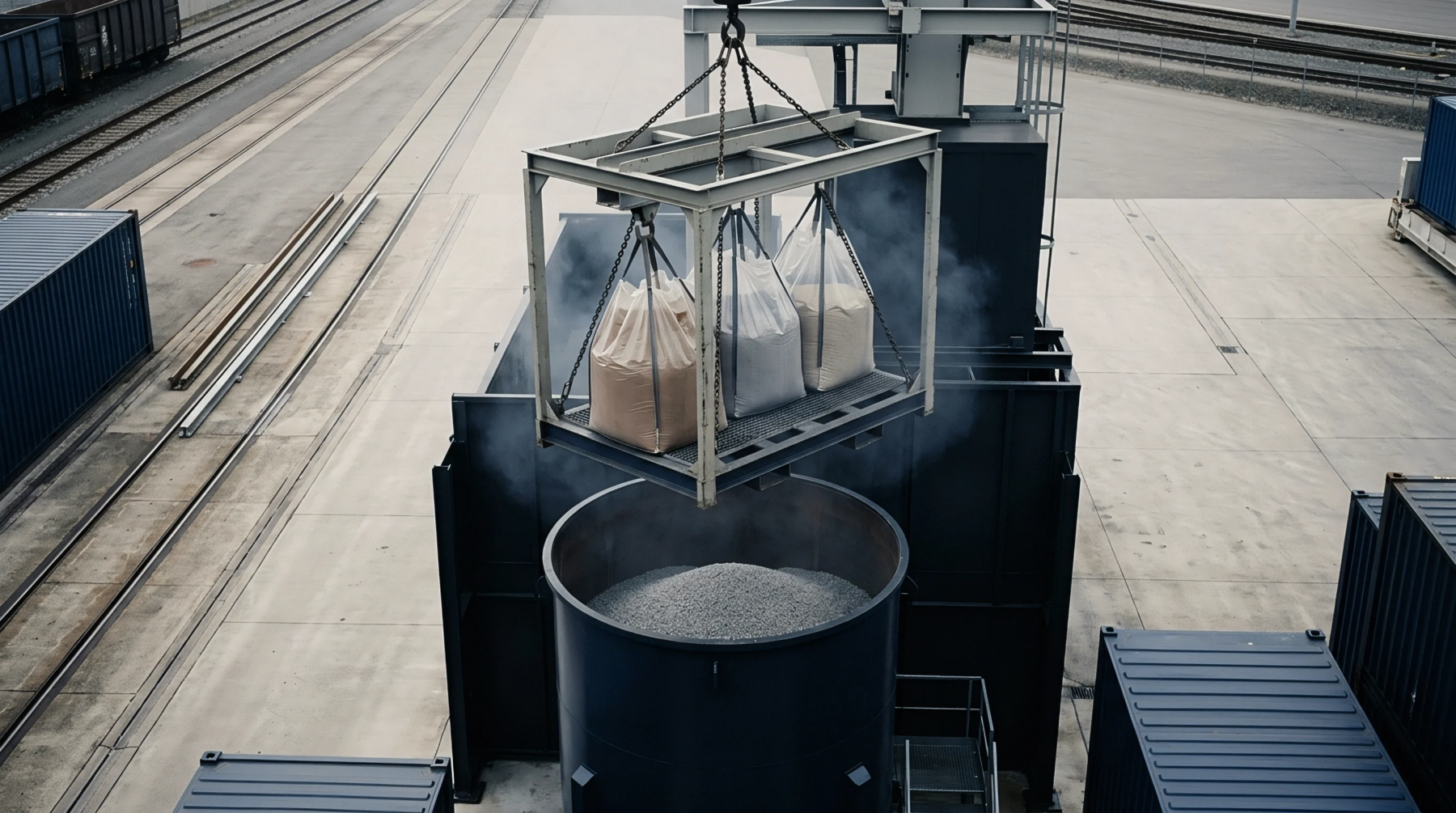
Administrative actions taken by customs authorities prevent the entry of goods into a jurisdiction when documentation or material samples fail to satisfy local safety and environmental laws. A border rejection occurs when a shipment of polymer resin or finished parts is halted because it contains restricted chemicals above the legal limit. This event triggers an immediate stop to the supply chain and requires the importer to return or destroy the cargo.
Customs officials verify compliance with directives such as reach or rohs before allowing the stock to pass. It marks the point where a supplier’s failure to provide accurate lab testing becomes a legal and financial liability for the buyer. Documentation must be perfect.
If the technical file lacks a valid safety data sheet or if the origin of the feedstock is unclear the shipment enters a holding phase. Officials look for specific chemical markers that suggest the presence of recycled content containing legacy additives.
Entry Barrier
Physical inspections of containers often involve a review of the chemicals used in pigments and additives within the plastic matrix. A border rejection happens when a batch fails a spot check or when the paperwork lacks the required registration numbers. The authorities take samples for laboratory analysis to confirm the absence of banned flame retardants or plasticizers like phthalates.
Cargo sits in bonded storage while these tests proceed which adds daily costs to the logistics budget. If the results confirm non-compliance the goods are denied entry into the market without exception. No amount of negotiation can bypass a failed laboratory test for restricted substances.
The material is marked as hazardous and stays under the control of the port authorities.
Regulatory Consequence
Monetary penalties and administrative delays follow the halting of a shipment at the port of entry. The cost of a border rejection involves the loss of the original material value and the fees associated with returning the goods to the source. Importers face increased scrutiny on future shipments which slows down the arrival of raw materials for production.
Insurance policies rarely cover losses caused by a failure to meet known legal standards for chemical safety. The moulder must find an alternative resin source immediately to keep the machines running. This search often leads to higher spot prices and additional freight costs for air transport.
A single event can erase the profit margin of an entire production run. The contract between the buyer and the supplier should define who pays for the freight and the disposal in these cases.
Material Diversion
Handling the disposal of non-compliant plastics requires a specialized process to prevent the material from entering the local waste stream. When a border rejection forces the destruction of parts the importer must provide proof of incineration or deep burial at a certified facility. Reselling the resin to another market is only possible if the target country maintains lower standards for hazardous substances.
Such actions must be documented to satisfy the original customs agency that the risk has left their jurisdiction. The paperwork trail must be complete and verified by a third party. If the resin is returned to the manufacturer it must be kept separate from the virgin stock to avoid cross contamination.
No trace of the rejected batch should remain in the local warehouse. The incident is recorded in a public database which affects the risk profile of the shipping company and the manufacturer. Every border rejection helps to tighten the oversight of the global polymer trade.