Harmonizing Lex Situs Enforcement Rights with Contractual Bailment Terms in Offshore Insolvency Restructurings
Offshore tooling recovery succeeds when physical asset marking and title documentation override local possessory press liens during factory insolvency.

Jurisdiction

Choice of Law versus Physical Asset Location
Local property statutes govern physical injection tooling mounted inside foreign manufacturing facilities. Commercial contracts between offshore brand owners and foreign contract manufacturers frequently specify domestic governing law, such as Delaware or English law, to handle contractual bailment and title retention. That choice of law controls personal obligations between the contracting corporate entities, but it does not govern physical enforcement rights over the steel tool when the press shop goes insolvent in its home jurisdiction.
Under the private international law principle of lex situs, the legal regime where the physical property sits determines property rights, security interests, possessory encumbrances, and enforcement procedures. An offshore buyer relying solely on a foreign court judgment runs into immediate trouble when local court bailiffs and receivers enforce territorial insolvency laws over the physical injection mould.
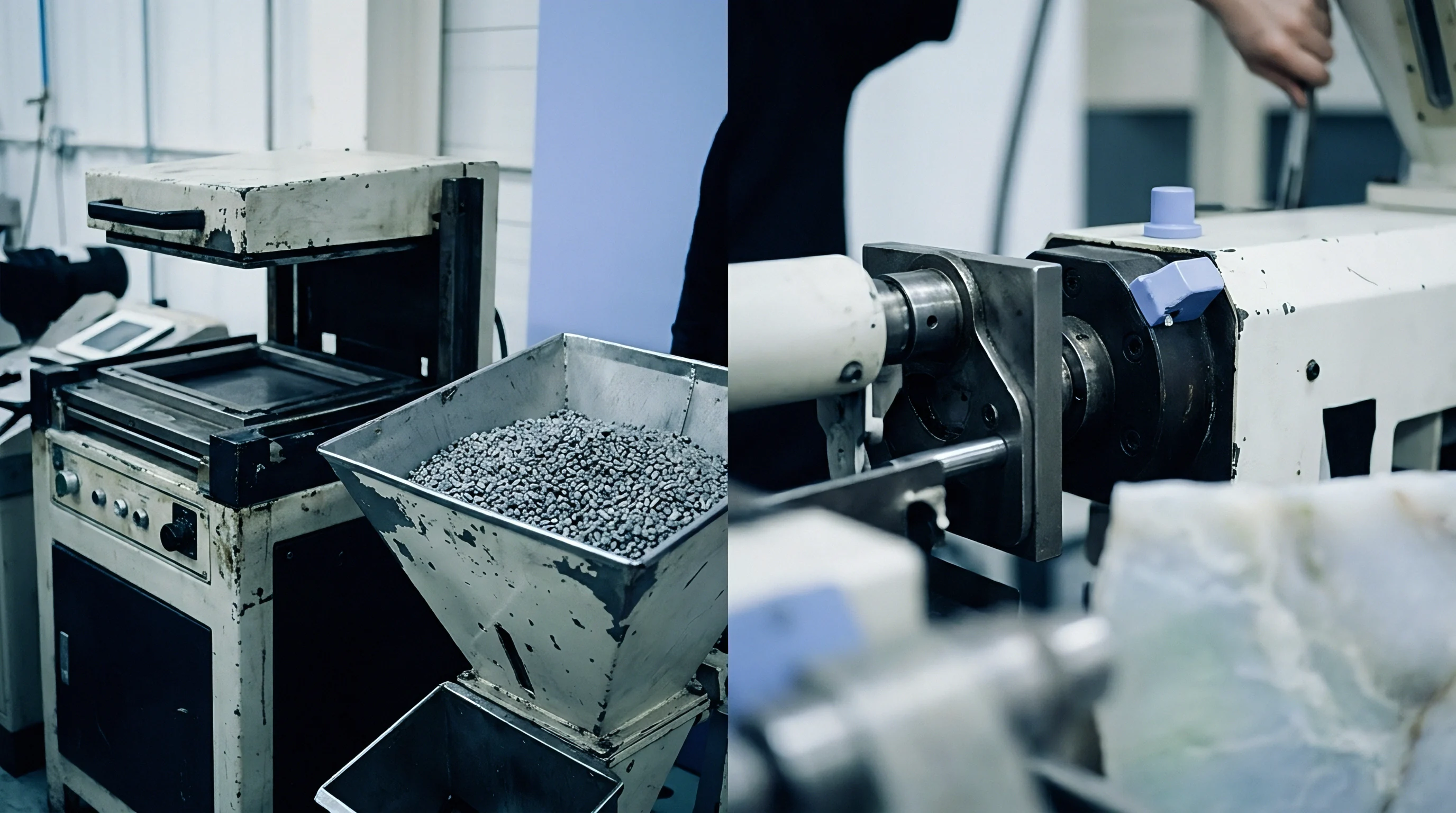
Injection moulding tools sit in press rooms bolted to platen frames, connected to water chillers, hydraulic core-pull lines, and electrical hot runner temperature controllers. When financial distress forces an offshore molding plant into liquidation or court-ordered receivership, local bankruptcy administrators secure the premises under territorial law. Overseas choice-of-law clauses do not bind the local bankruptcy tribunal.
The local court applies its own property and insolvency statutes to inventory all physical assets found inside the factory walls. Without unequivocal proof of third-party ownership recognized under local law, the court presumes the asset belongs to the insolvent debtor in possession.
Paper contracts do not move physical moulds. Reclaiming a custom multi-cavity tool built from P20 or H13 tool steel requires matching contractual bailment terms to the strict statutory mandates of the host nation. Bailment agreements have to account directly for how local enforcement works at the plant site.
For operations in coastal manufacturing hubs like Shenzhen, Ningbo, or Dongguan, bailment structures must align with the property rights framework of the People’s Republic of China Civil Code. For plants in Monterrey or Tijuana, contracts must incorporate the specific provisions of the Mexican Commercial Code and local civil codes. Without this alignment between international bailment terms and local lex situs statutes, the steel remains stuck on the factory floor while delivery schedules collapse.
Conflict Dynamics in Foreign Press Operations
Manufacturing vendors facing bankruptcy prioritize local creditors over foreign equipment owners. When liquidity dries up, press shop management often tries to pledge customer-owned tooling as collateral for emergency credit from local lenders. In other cases, unpaid raw material suppliers or press operators obtain court-ordered pre-judgment attachments against machinery in the plant.
The physical presence of the tool inside the vendor’s facility creates an impression of ownership. Local courts and lenders assume the press shop owns the multi-cavity injection moulds mounted on its machines, especially when the vendor handles routine maintenance, pays for repairs, and runs daily production.
Protecting tooling from vendor creditors requires strictly following local asset registration and bailment publication rules. In many civil law jurisdictions, third-party ownership of equipment on a commercial debtor’s premises cannot be enforced against third-party creditors unless that interest appears in a public registry. In Mexico, failing to register a bailment contract or equipment lease on the Sistemas de Garantías Mobiliarias allows judgment creditors of the moulder to seize customer tooling.
In China, establishing clear title takes an unbroken paper trail: export-import customs filings, tax-compliant invoices, and formal bailment notices countersigned by the vendor before the tool ever arrives on the floor. Possession determines operational control.
Tooling documentation has to link financial ledgers directly to what is sitting in the press room. Engineering specifications, mold design drawings, hot runner manifold schematics, and DIN 16742 dimensional tolerance reports form the core evidence during insolvency disputes. When court-appointed receivers audit a plant, a vague description like “one plastic injection mould” will not prove title to a specific 32-cavity valve-gated tool producing glass-filled polyamide electrical housings.
The legal dossier must match the exact physical tags, serial numbers, and steel markings stamped on the tool core, cavity plates, and ejector housing. Matching legal descriptions precisely to physical characteristics leaves little room for a receiver to claim the asset belongs to the debtor.
Bailment contracts must set out explicit terms for returning assets when financial default triggers are met. Insolvency proceedings move fast, and termination clauses that kick in only upon formal bankruptcy filings usually activate too late. Contracts should build in financial monitoring metrics, allowing the buyer to terminate the bailment and order immediate physical repossession at the first signs of trouble.
These include missed vendor payrolls, raw material supplier invoices unpaid past sixty days, or sudden shifts in plant operating schedules. Pulling tooling steel out before formal court freezing orders take hold is always better than fighting complex lex situs litigation later.
The standard bailment clause stating that title remains with the buyer at all times is virtually useless in foreign courts unless accompanied by an explicit submission to local possessory enforcement protocols, translated into the local language and registered with local commercial registries.
Vault
Physical Identification and Asset Segregation Protocols
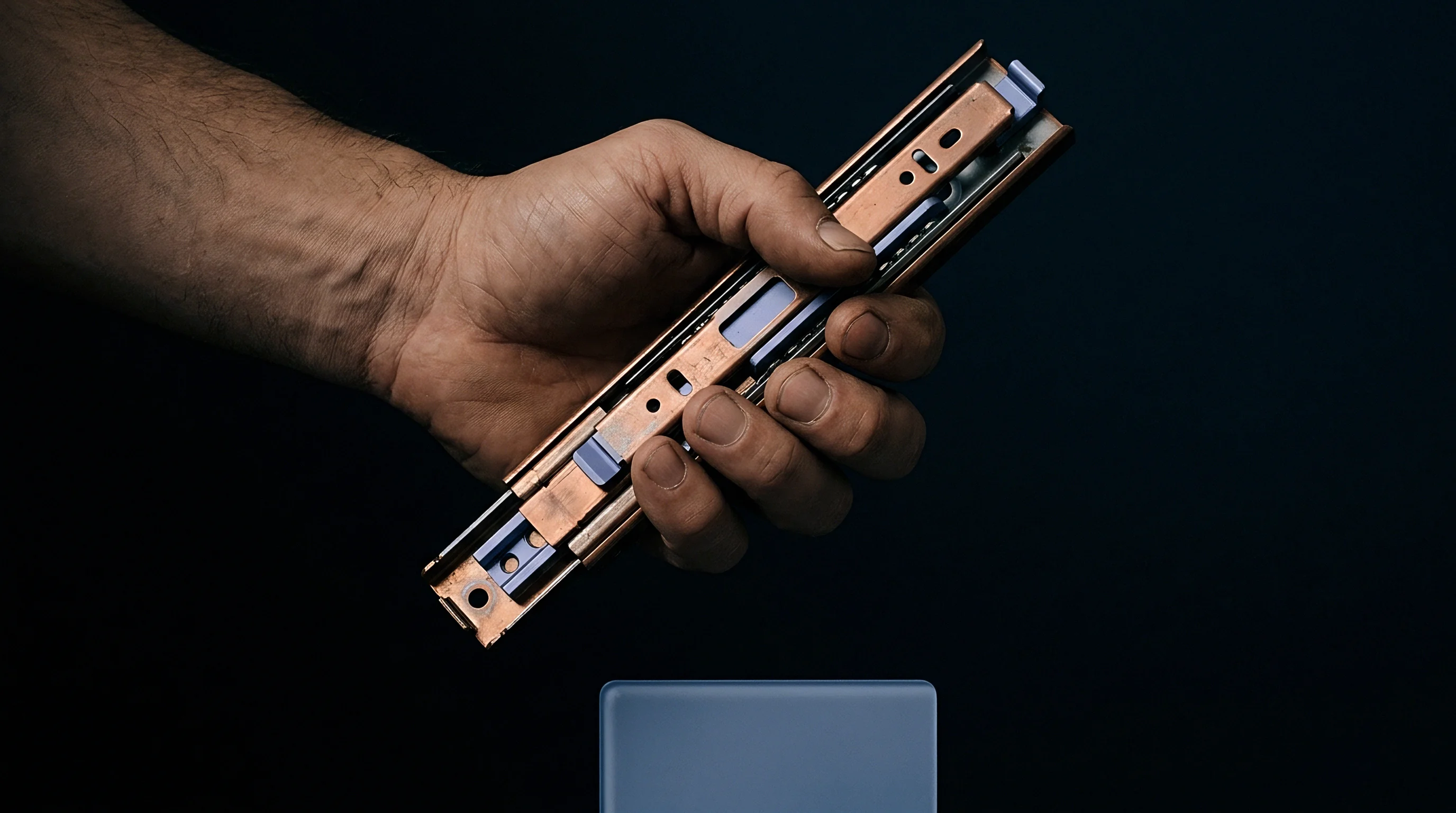
Securing ownership requires permanent identification cut directly into the steel mold base. Offshore press shops run tight production schedules where moulds are routinely dismounted, serviced, cleaned, and swapped between presses. During plant insolvency, unmarked or poorly tagged tools quickly get lumped in with vendor-owned machinery and generic tooling inventory.
Asset protection starts in the toolroom before the first production shot leaves the press. Every injection mould needs deep, indelible physical markings that clearly declare third-party ownership in both English and the official language of the host country.
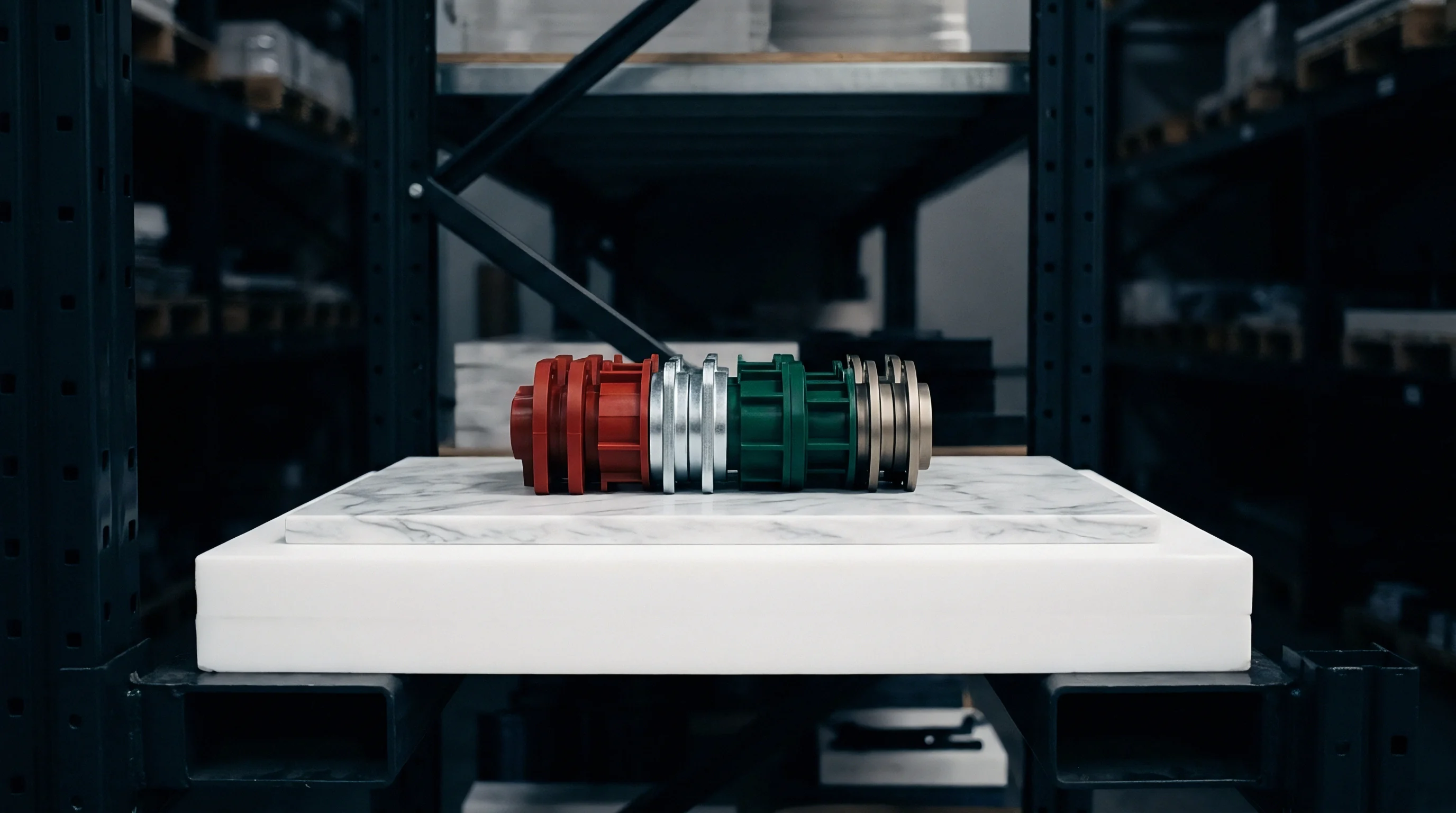
Laser etching asset identifiers into P20 steel cavity plates prevents confusion if a plant gets seized. Markings must be placed on non-wearing structural surfaces, such as the primary top clamp plate, the stationary cavity plate, the moving core plate, and the ejector box assembly. Stamping a basic alphanumeric string is not enough; the markings should include the buyer’s full corporate legal name, a unique asset registration code, original purchase order number, and an explicit statement of bailment ownership.
CNC-milled identification plates made from 316 stainless steel, riveted into recessed pockets on the mold base, withstand harsh cleaning solvents, heat, and mechanical wear over long production runs.
| Marking Method | Placement Location | Verification Standard | Press Room Degradation Risk |
|---|---|---|---|
| Deep CNC Milling (0.5mm depth) | Mold Base Operator Side Plate | ISO 1043 / DIN 16742 Structural Audit | Negligible; survives aggressive shot blast cleaning |
| Riveted 316 SS Asset Plate | Ejector Housing Exterior Face | Visual Inspection and Asset Registration Check | Low; high resistance to heat up to 300°C |
| Laser Etched Matrix Code | Hot Runner Manifold Wiring Box Cover | Handheld Optical Scanner Verification | Moderate; vulnerable to heavy mold oil accumulation |
| Cavity Identification Stamping | Non-Show Surface Parting Line Rim | First Article Inspection Report (FAIR) Cross Check | Low; requires mechanical surface grinding to erase |
Physical segregation inside the facility reinforces legal ownership claims. Tooling agreements should specify that whenever custom moulds are off the press, the vendor must store them in a dedicated, secure area. This physical vault or fenced rack system needs clear signage identifying the tools inside as bailment property owned by the buyer.
Having a separate, designated storage zone cuts off arguments from bankruptcy receivers that the tooling was simply part of the contract manufacturer’s general, unencumbered floor inventory.

Dossier Alignment for Tooling Identification
Production records need to trace every cavity serial code back to the original purchase order. When a foreign court bailiff steps into a disputed plant, the written records must match the physical markings on the tool down to the letter. The technical tooling dossier serves as primary evidence in repossession proceedings.
It should contain full manufacturing records: final tool build drawings, material certs for the steel (such as chemical analysis sheets for certified P20, H13, or S7 tool steel), hot runner schematics, and complete mold trial records (T1, T2, and final T3 approval reports).
A stainless steel asset plate riveted to an injection mould base must withstand continuous platen operating temperatures up to 180°C and solvent exposure without loss of legibility.
Discrepancies between physical tool dimensions and technical documentation destroy ownership claims in local courts. If a contract lists a single-cavity prototype tool but the item on the press floor is a 4-cavity production tool with hydraulic side-actions, receivers will argue the physical tool is an entirely different asset built and owned by the vendor. Auditing mold maintenance logs and updating technical dossiers immediately after any major tool modification, cavity insert replacement, or engineering change order (ECO) keeps documentation aligned.
Keeping an audited, synchronized dossier ensures judicial repossession orders describe the asset down to its total weight, hydraulic cylinder count, and water manifold setup.
Electronic tracking adds another layer of verification. Installing tamper-evident RFID tags or industrial shot counters directly in the mold base creates an unalterable log of tool usage. Automated shot counters record every press stroke, tying production volume directly to invoice records.
During insolvency disputes, shot counter data shows whether the tool was used for unauthorized third-party production while confirming that its physical location aligns with the bailor’s production logs. Combining digital tracking with steel stampings establishes a clear evidentiary chain.
Unidentified tools in a distressed plant almost always end up in liquidator auctions, and recovery is practically impossible once the steel leaves the factory.

Encumbrance

Statutory Pressroom Liens and Unpaid Tooling Amortisation
Commercial disputes routinely end in legal freezes over custom tooling. When an offshore contract manufacturer runs out of cash, its immediate instinct for preserving cash flow is to assert possessory liens over customer-owned tools. Almost every local legal system recognizes some form of artisan’s lien, possessory lien, or right of retention.
Under these statutory rules, a contractor who performs work on an item can hold it until all related debts are paid in full. In injection moulding, vendors frequently stretch the definition of an artisan’s lien to cover not just unpaid mold repair bills, but outstanding part production invoices and disputed tooling amortisation balances as well.
Moulders frequently argue that physical moulds act as general collateral for unpaid component bills and whatever receivables the buyer owes. In civil law jurisdictions like China or Vietnam, the boundary between a specific tool repair lien and a general commercial possessory lien is heavily contested. If a buyer owes $150,000 for finished parts, the moulder will hold onto a $500,000 multi-cavity tool, claiming a right of retention under local law.
Beating this tactic requires explicit contract provisions that separate component manufacturing accounts from tooling ownership.
Unamortised tooling contracts create major legal risks during vendor insolvency. Buyers frequently negotiate deals where the upfront cost of the mould is not paid in full. Instead, the vendor finances part or all of the tool build, and the buyer reimburses them through an amortisation surcharge tacked onto the piece price over a set production run (for example, adding $0.25 per part across the first 200,000 units).
If the vendor goes bankrupt before hitting that target volume, ownership of the steel gets murky. The liquidator will claim title never transferred because the amortisation schedule was never completed, treating the mould as a company asset available to satisfy primary creditors.
| Production Tier (Cycles) | Unit Amortisation Charge ($) | Cumulative Amortisation Paid ($) | Remaining Unamortised Balance ($) | Liquidator Lien Exposure Level |
|---|---|---|---|---|
| 0 (Tool Build Complete) | $0.40 | $0.00 | $100,000.00 | Critical: Vendor holds 100% financial title claim |
| 50,000 | $0.40 | $20,000.00 | $80,000.00 | High: High statutory retention risk under local law |
| 125,000 | $0.40 | $50,000.00 | $50,000.00 | Moderate: Balanced ownership dispute threshold |
| 200,000 | $0.40 | $80,000.00 | $20,000.00 | Low: Minor buyout required to extinguish lien |
| 250,000 (Target Volume) | $0.00 | $100,000.00 | $0.00 | Zero: Full title vested in buyer via contract |
Dissecting Component Piece Price versus Amortised Steel
Unbundling mould capital expenses from resin processing costs clears up title issues. To establish ownership that stands up in court, buying the tool should be handled as a separate, fully settled transaction. The buyer should pay for the build under a dedicated tooling contract with milestone payments tied to technical gates (such as 30% at design sign-off, 30% on T1 sample delivery, and 40% upon final First Article Inspection Report approval and Cpk verification under DIN 16742).
When piece prices stay completely separate from tooling capital costs, the vendor gains no equity in the steel, making artisan liens for unamortised tooling legally groundless.
Problems in tooling bailment contracts usually happen when financial terms are not cleanly separated from press room operations. Drafting teams need to address these failure points early to keep physical tooling from getting locked up.
- Amortised Tooling Pricing Structures create joint-ownership confusion during insolvency, giving liquidators an opening to seize tools with unrecovered balances.
- Commingled Maintenance Invoicing lets moulders assert possessory liens over expensive tooling over minor, unpaid shop repair bills.
- Vague Asset Identification Clauses omit specific drawing numbers, cavity counts, and steel marks, allowing receivers to treat tools as general debtor inventory.
- Omission of Local Registry Filings undermines foreign bailment claims against local secured creditors holding floating charges over plant equipment.
A contractual bailment clause declaring immediate title transfer upon vendor insolvency is unenforceable under civil law lex situs rules unless all historical mold maintenance invoices are fully settled.
A press shop liquidation in Ningbo incurred $42,000 in unamortised tool charges when the local court applied a possessory lien over two 16-cavity hot runner moulds. The manufacturer had absorbed initial tooling costs, agreeing to collect $0.35 per part over 150,000 units. When the plant shut down at 60,000 units due to insolvency, the court-appointed liquidator blocked access to the factory, ruling that the remaining $31,500 balance made the physical tools assets of the estate.
Reclaiming those moulds required paying the liquidator the full unamortised balance plus accrued factory storage fees, demonstrating how costly amortised tooling structures can become overseas.
Avoiding possessory liens means enforcing strict financial controls around all mold maintenance and modification work. When an offshore moulder carries out routine repairs ~ replacing worn ejector pins, re-polishing core inserts, or fixing hot runner heating zones ~ the work should be authorized under individual, capped purchase orders. Maintenance invoices need to be audited and paid as soon as work is finished.
Letting repair bills sit open on account gives the moulder a direct legal excuse to slap a valid artisan’s lien on the steel if the business stumbles.
Maintaining clear title over foreign tooling ultimately depends on maintaining unbroken financial and maintenance records.

Extraction

Technical Protocol for Foreign Press Shutdown
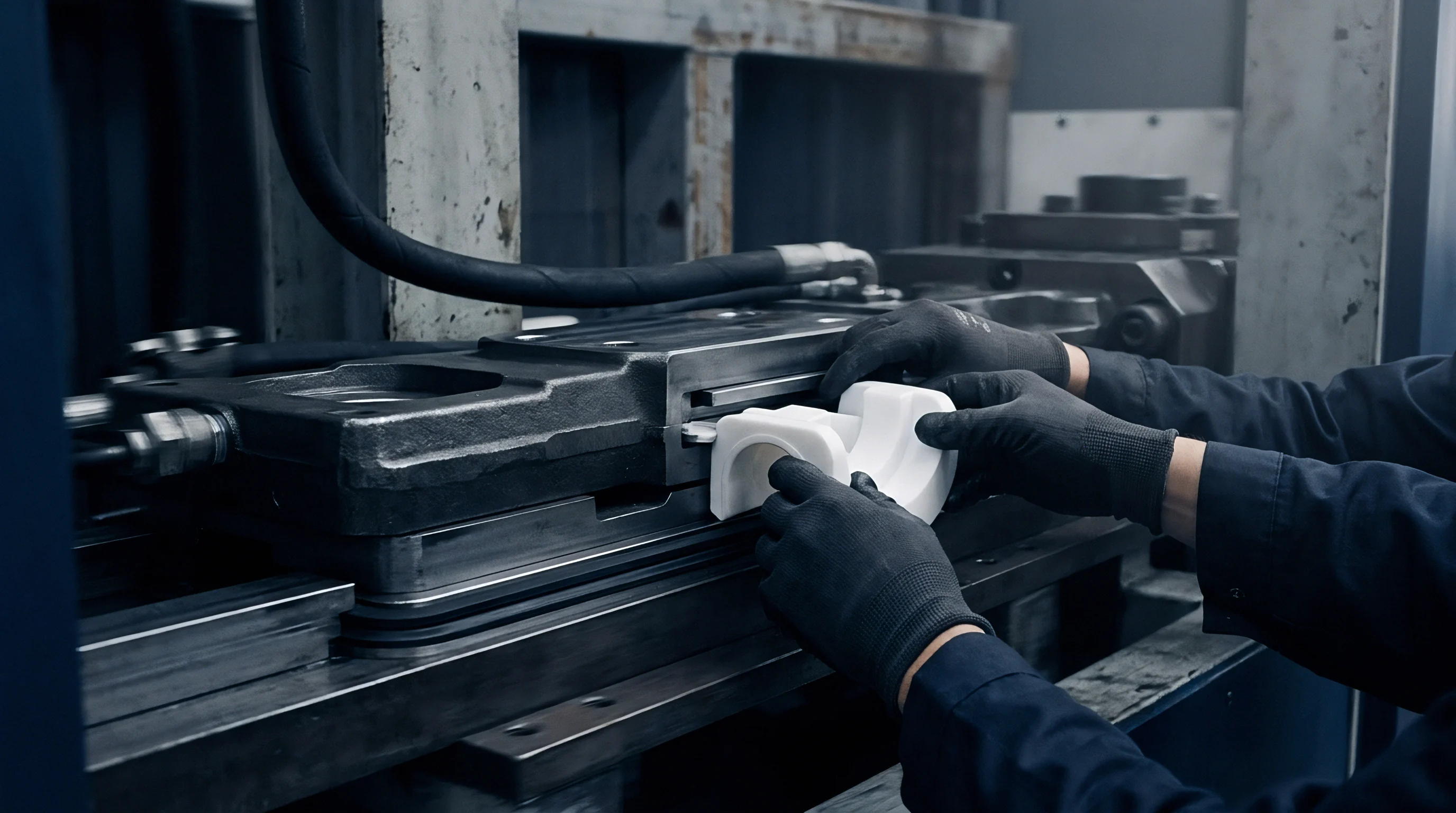
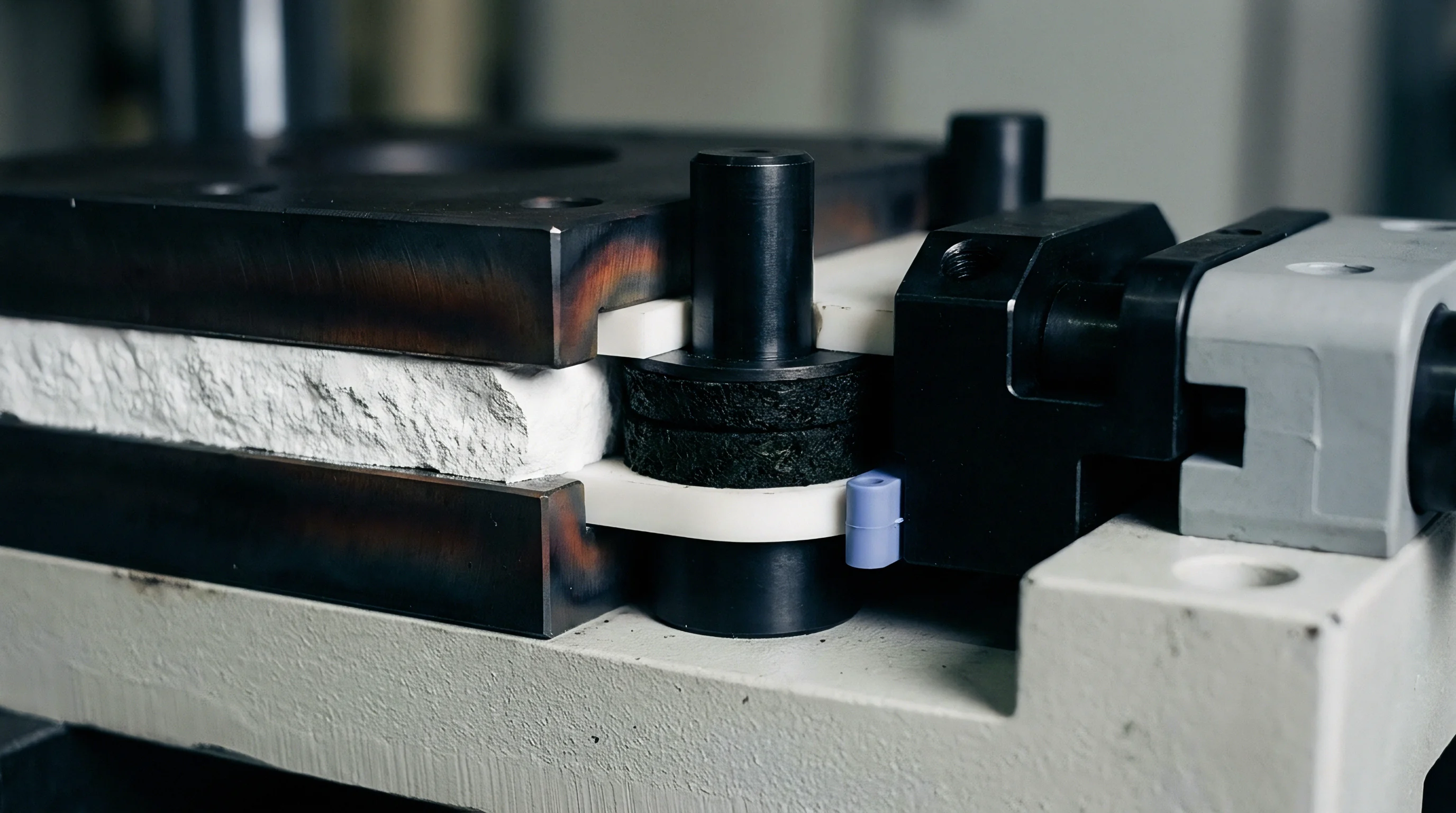
Moving custom injection tooling requires a systematic shutdown and careful mechanical preparation. Getting an injection mould out of a distressed foreign plant under legal pressure takes a practical plan run by experienced tooling engineers. When insolvency hits, utilities can be cut without notice, and key shop floor staff often walk away.
The extraction team needs to enter the facility ready to handle dismounting, polymer purging, anti-corrosion treatments, and transport locking without relying on local plant personnel.
Purging high-temperature resins from hot runner manifolds prevents carbonization inside the tool. If a mould runs polyamides (PA66), polycarbonates (PC), or polybutylene terephthalate (PBT), leaving resin sitting in the manifold during an extended shutdown leads to severe degradation and carbon buildup. The extraction team should bring portable purging compounds, such as high-viscosity acrylic resin, to flush the hot runner system and barrel before unbolting the tool.
After purging, electrical connections should be unhooked carefully, with wiring harnesses stowed inside protective metal terminal boxes on the mold frame.
Cooling channels inside P20 or H13 steel core and cavity plates oxidize within days when moisture sits in narrow passages. The team must blow out every cooling circuit with high-pressure compressed air until no liquid comes out of the return ports. After blowing the lines dry, flush the channels with an anti-corrosion fluid or water-displacing oil, then seal them with threaded brass plugs or plastic caps.
Skipping this step lets rust build up, permanently restricting coolant flow and wrecking thermal balance and cycle times when the tool is installed at a new factory.
Transport locks prevent severe damage while the tool is on the move. Heavy injection moulds have sliding core-pulls, angled lifters, and spring-loaded ejector assemblies that shift during transport if left loose. Steel transport latches should be bolted across the parting line, locking the cavity and core plates together into a single unit.
Hydraulic core-pull cylinders need to be locked in their retracted positions using physical stop-blocks. Polished cavity surfaces and textured finishes should be coated with heavy-duty VCI (Vapor Corrosion Inhibitor) grease before the mold is closed and latched.

Tooling Qualification and Pre Transport Audit
Checking part dimensions before pulling the tool establishes a clear baseline. If possible, the engineering team should run a final sample batch to produce golden samples before unmounting. These parts should be measured against original drawing tolerances under the DIN 16742 standard.
Getting a verified dimensional baseline right before extraction separates tool condition from machine variables, making it clear whether any part defects come from steel wear or simply from poor press settings at the insolvent shop.
- Purge polymer melt completely from hot runner manifolds using high-viscosity acrylic purging compound until a clean stream exits the nozzles.
- Disconnect electrical hot runner thermocouple and heater harnesses, stowing connectors inside sealed stainless steel junction boxes on the mold frame.
- Blow out all internal cooling water circuits with compressed air at 6 bar pressure until no water mist exits manifold ports.
- Inject industrial water-displacing anti-corrosion fluid into all internal cooling channels and cap ports with threaded brass plugs.
- Apply heavy-duty VCI anti-rust wax across all polished cavity surfaces, core faces, slide assemblies, and guide pins.
- Retract hydraulic core-pull cylinders and install mechanical steel locking blocks to keep rods from moving during crane transit.
- Mount heavy-duty steel transport plates across the parting line, bolting them securely to both cavity and core mold plates.
- Measure physical dimensions and mass, recording exact mold weight, platen hole spacing, and ejector rod connection points in the transport dossier.
Rust destroys precision core inserts. Protecting the tool during extraction ensures it arrives at the next press shop ready for trial runs without needing costly toolroom repairs.
Never transport an unlatched injection mould over sea or rough roads.

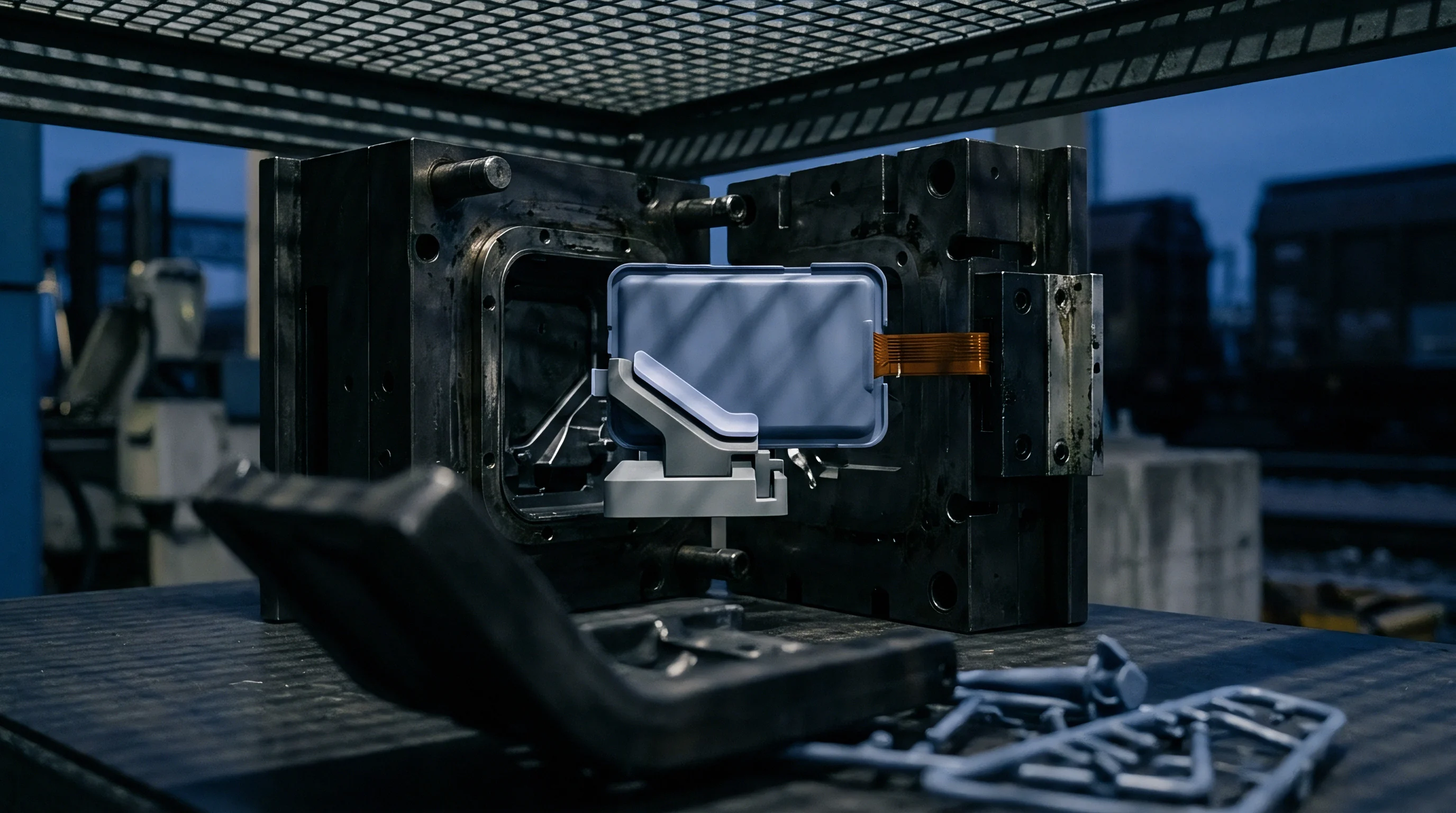
Injunction

Local Judicial Remedies and Asset Repossession Writs
Filing emergency replevin applications allows asset owners to block tooling from being moved or sold. When negotiations fail to free a tool held by a struggling offshore supplier, the buyer has to file formal repossession claims in local court. In civil law jurisdictions, this usually means petitioning the local intermediate court for a provisional asset preservation order or a writ of replevin.
The filing must show clear legal title, include registered bailment paperwork, and demonstrate an immediate risk that the tool could be hidden, seized, or damaged if left with the vendor.
Foreign judges are extremely hesitant to grant ex parte repossession orders that let an overseas buyer enter a local factory and haul off machinery without substantial security. To protect domestic companies against wrongful seizure, courts almost always require the petitioner to post a substantial financial bond. In jurisdictions like China, Vietnam, or Thailand, that bond ranges from 100% to 130% of the estimated value of the tool.
It has to be put up in cash or backed by an approved local bank or insurer, creating a heavy short-term cash demand for the buyer.
| Jurisdiction | Average Ex Parte Order Timeline | Required Security Bond % | Cross-Border Insolvency Recognition | Primary Enforcement Mechanism |
|---|---|---|---|---|
| China (Guangdong / Zhejiang) | 7 to 15 Business Days | 100% – 120% of Tool Value | Limited (Reciprocity Basis) | People’s Court Judicial Enforcement Bureau Bailiffs |
| Mexico (Nuevo León / Baja Cal.) | 10 to 20 Business Days | 100% – 130% of Tool Value | UNCITRAL Model Law (Chapter 15 equivalent) | Actuario Judicial with Local Police Escort |
| Vietnam (Binh Duong / Bac Ninh) | 15 to 30 Business Days | 110% – 130% of Tool Value | Very Limited | Civil Enforcement Agency (THADS) Execution Officers |
| Germany (Bavaria / NRW) | 2 to 5 Business Days | 50% – 100% of Tool Value | EU Insolvency Regulation (Automatic Recognition) | Gerichtsvollzieher (Court Officer) Direct Seizure |
Can Foreign Insolvency Stays Block Local Tool Repossession?
Cross-border restructuring creates serious jurisdictional friction when local factories enter receivership. Restructuring frameworks like Chapter 11 in the United States or administration in the United Kingdom impose an automatic stay on creditor collection efforts and asset seizures worldwide. In practice, however, the extra-territorial reach of a foreign stay is mostly theoretical when you are trying to pull physical steel out of an overseas plant.
Foreign bankruptcy courts and local law enforcement will always prioritize their own domestic insolvency rules over foreign stay orders.
If a parent company in Delaware files for Chapter 11 reorganization while its subsidiary plant in Shenzhen goes into local liquidation, a US bankruptcy stay will not freeze Chinese judicial enforcement. The liquidator in Shenzhen acts under Chinese corporate liquidation law and takes orders from the local People’s Court. An offshore buyer wanting to reclaim tooling inside that plant has to step directly into the Chinese legal proceeding or seek formal recognition under local cross-border assistance rules.
Relying on an automatic stay issued by a court back home leads straight to failure on the ground.
Posting a 120% cash security bond with a foreign court is often the only legal mechanism available to obtain an ex parte provisional asset order to extract tooling from a seized plant.
Tool recovery is a race between competing legal claims. If a local lender or unpaid landlord secures an attachment order on factory equipment before your repossession writ gets executed, the court bailiff will lock the gates and put every asset inside under judicial seal. Once that happens, getting an injection mould back means fighting through multi-year litigation over creditor priorities.
Retaining local counsel quickly and keeping eyes on the plant are essential if you want to execute a writ before other creditors seal the premises.
What specific cross-border filings actually convince a local court bailiff to grant immediate physical access to a sealed press room when receivers dispute bailment title?

Settlement

Commercial Workout Structures for Offshore Steel Release
Negotiating partial cash payments against verified maintenance records is often the quickest way to free locked moulds. While court action provides a formal legal path, judicial repossession is slow, expensive, and disruptive to supply chains. In many offshore insolvencies, the fastest route is a direct commercial workout with the court-appointed receiver, administrator, or primary secured creditor.
Liquidators care mainly about converting assets to cash quickly to cover administrative costs and court fees. Positioning the release of the mould as a straightforward cash settlement lets you recover the asset without waiting out lengthy court battles.
Commercial workouts have to be structured so you do not take on the vendor’s general debts. Liquidators often try to condition tool release on paying off all outstanding invoices owed by the insolvent vendor, including unpaid component bills and unamortised plant overhead. Agreeing to that sets a dangerous precedent and drives up recovery costs dramatically.
Your negotiation strategy should stick strictly to legitimate, auditable expenses directly tied to the tool itself: verified repair invoices, documented storage fees, and direct labor costs for dismounting and crating the mould.
Settlement agreements must include full legal releases and indemnifications signed by the bankruptcy administrator. The contract needs to state clearly that once payment is received, the liquidator and the debtor’s estate surrender all possessory rights, artisan liens, and ownership claims over the specified tooling. It should also explicitly authorize foreign logistics operators and rigging crews to enter the facility, load the equipment, and clear customs for export without interference from factory staff or local creditors.
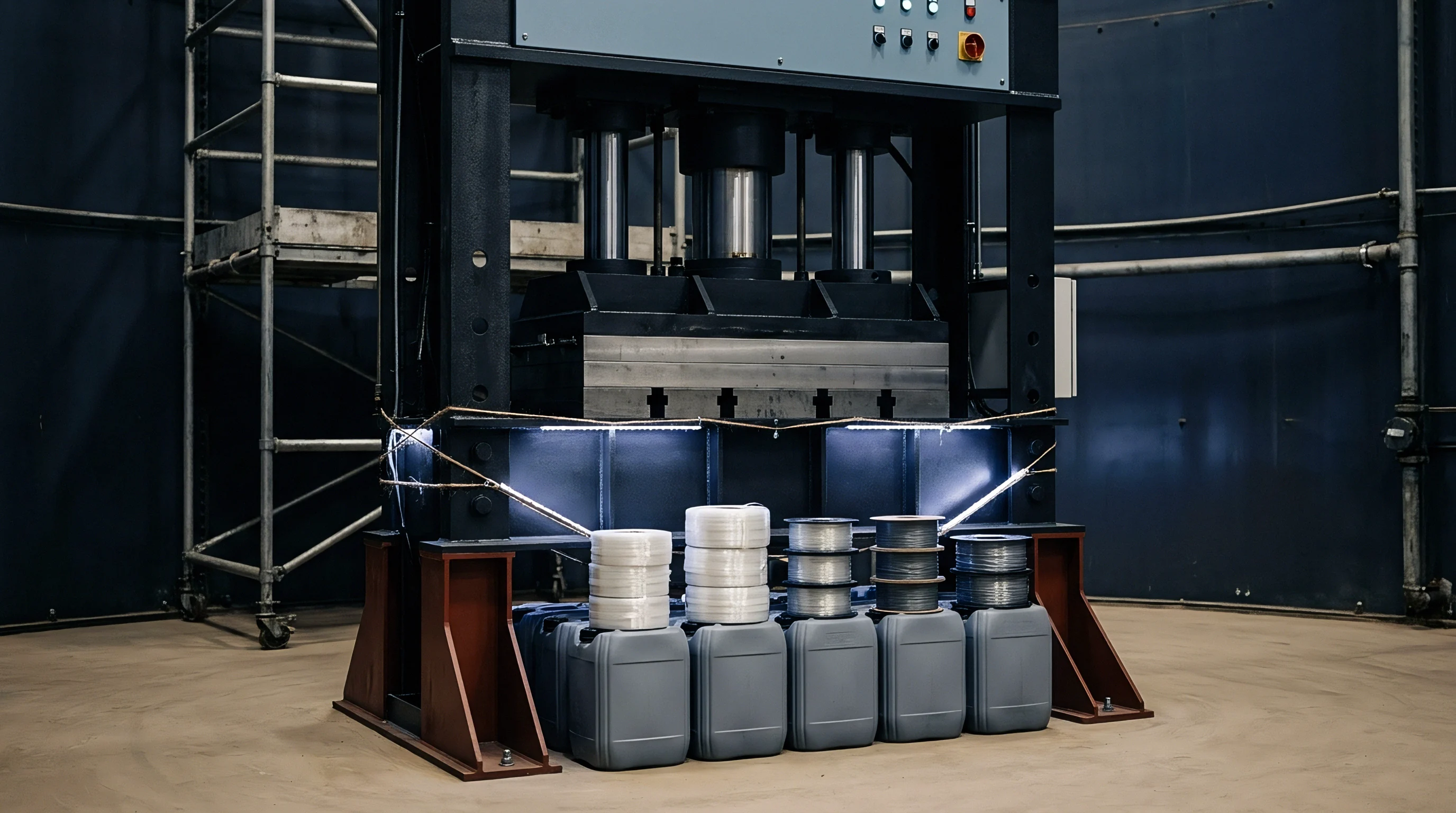
Transitioning Calibrated Tooling to Alternate Press Shops
Re-establishing stable process windows at a secondary molding plant requires rigorous parameter verification. Once a mould is safely out of a distressed factory, the challenge shifts to qualifying it at a new supplier. Injection tools react strongly to machine differences, including tie-bar spacing, platen rigidity, ejector pin patterns, hydraulic clamp response, and screw design.
Moving a tool from a 350-ton KraussMaffei press to a 400-ton Engel press changes thermal and mechanical dynamics, requiring a systematic scientific moulding re-qualification.
Polymers exhibit varying volumetric shrinkage rates based on cavity pressure history, melt temperature uniformity, and mould wall temperature distribution. When setting up a transferred multi-cavity tool, engineers need to re-calibrate cavity pressure sensors and run gate seal studies to find the new process window. For semi-crystalline resins like PBT-GF30 or PA66-GF30, even minor changes in cooling flow rates shift local crystalline structure, affecting final part dimensions, weld line strength, and warpage against drawing specs.
First article inspection reports (FAIR) must be completed on initial samples at the new press shop before approving full production runs. Dimensional data should be evaluated using statistical process control to verify that critical part dimensions reach a Cpk capability index of at least 1.33 under DIN 16742 standards. If parts drift out of spec during re-qualification, the engineering team needs to determine whether the issue comes from press settings or subtle damage sustained during emergency extraction and transport.
Re-qualifying a transferred multi-cavity injection mould at a secondary press shop requires a complete gate seal study and DIN 16742 dimensional Cpk audit before signing off on full production volumes.
Tooling transfer protocols must also update documentation across international logistics and local customs databases. Moving an injection mould between plants frequently involves crossing municipal lines or clearing national borders. Customs authorities check equipment movements closely to verify duty treatments and close out temporary import bonds.
Legal and engineering teams need to ensure that all temporary import permits tied to the original vendor are formally cancelled upon extraction, avoiding sudden customs fines, back duties, or port holds.