Statutory Moulder Lien Perfection Requirements against Senior Secured Automotive Lenders
Moulders prime senior bank liens under UCC 9-333 by holding continuous custody, isolating maintenance from part debt, and serving formal statutory notices.


Possession
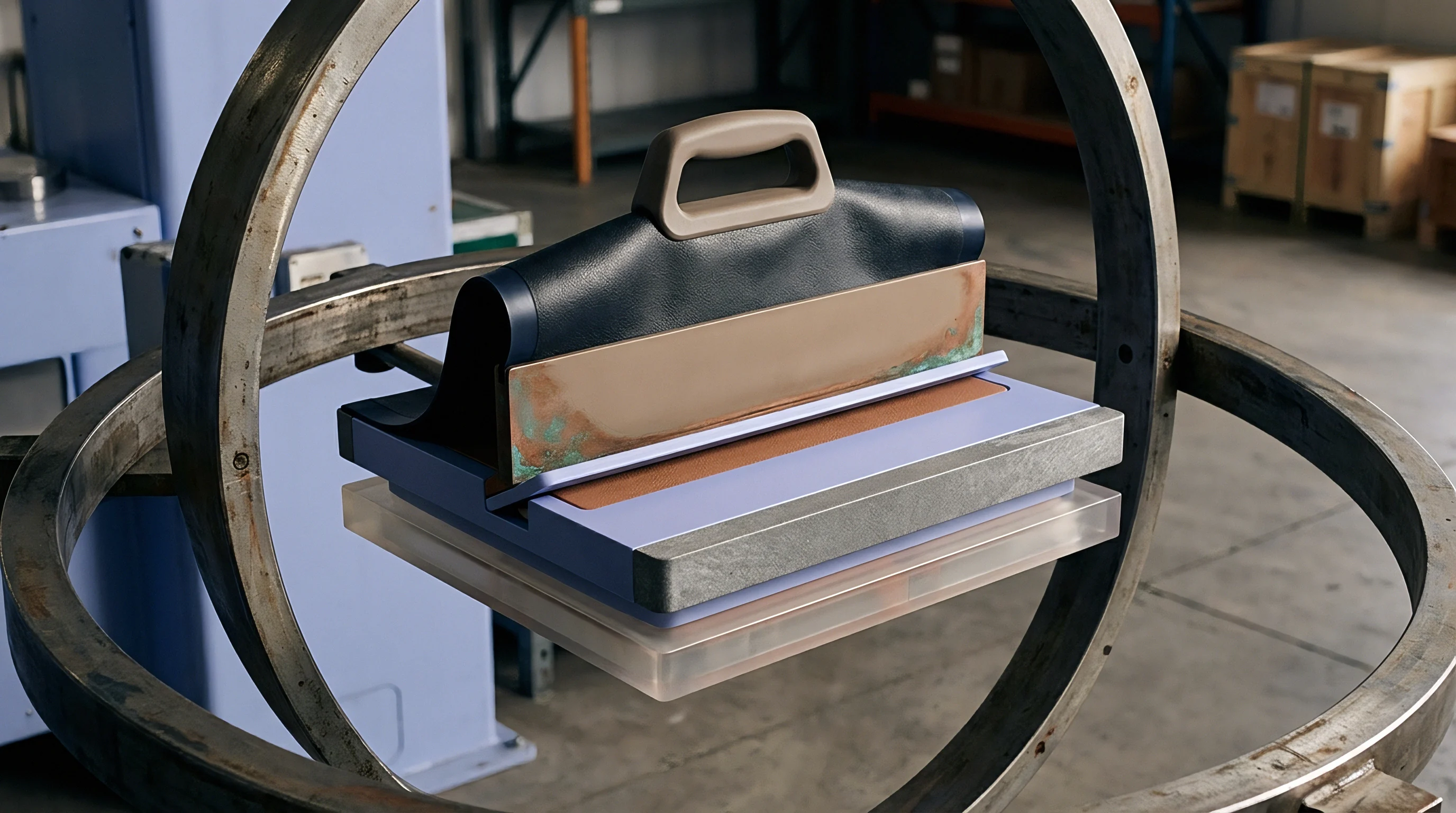
A ten-tonne hardened P20 steel injection mould runs an automotive console substrate in a 650-tonne hydraulic press. The tool cycles 30 percent glass-filled polypropylene at 48 seconds per shot, holding plus or minus 0.15 millimetres across its critical locating features. The press-side setter logs shot number 412,000 when the Tier 1 customer suspends invoice disbursements.
An unpaid balance of 380,000 dollars sits across ninety days of delivered components. Two riggers arrive at the bay door with a flatbed truck, brandishing an equipment surrender demand from a senior secured asset-based lender holding a blanket security interest under Article 9 of the Uniform Commercial Code. Steel stays in the press.
Retention of physical custody operates as the immediate defensive threshold against competing commercial claims. Under Uniform Commercial Code Section 9-333, a possessory lien created by statute or common law for materials or services furnished with respect to goods takes priority over an earlier perfected security interest, except where the underlying lien statute expressly dictates subordination. This possessory advantage survives only while the toolmaker or custom processor keeps physical control over the mould base, hot runner manifold, and interchangeable inserts.
Custody gives the processor immediate control over production continuity. Physical custody controls the asset.
Custody of the mould gives the tier supplier leverage only while the press holds the platen closed against rival freight carriers.
Surrender of the tool dissolves possessory status under common law artisan doctrines and statutory moulder frameworks alike. Once the mould leaves the bay, warehouse, or subcontract toolroom, the statutory possessory preference collapses. The processor converts into an unsecured general creditor for past-due piece-price invoices, subordinate to senior secured lenders holding blanket UCC-1 financing statements on customer accounts and equipment.
Unpaid invoices accumulate rapidly.
- Voluntary Equipment Surrender extinguishes common law artisan lien rights across every automotive manufacturing state the moment the rigging crew secures transport chains on the hauler bed.
- Off-Site Preventive Maintenance risks third-party possession challenges when a secondary die shop takes custody without an express written sub-bailment agency agreement preserving the primary moulder’s possessory holding.
- Commingled Part Warehousing muddles lien boundaries between OEM-owned tooling and completed production stock sitting on shipping pallets inside the contract warehouse.
Unauthorised release of the tool by freight handlers or maintenance vendors terminates the possessory status that underpins Section 9-333 priority. When custody slips during transit or off-site hot runner refurbishing, the senior lender’s floating lien attaches to the unencumbered equipment, extinguishing the processor’s leverage without judicial review.


Priority
Article 9 security interests attach to automotive inventory, machinery, and contract rights through filed UCC-1 financing statements. A commercial lender perfects its position across equipment and general intangibles by lodging records with the secretary of state in the debtor’s jurisdiction of incorporation. The statutory moulder lien, by contrast, derives power from targeted state legislation tailored to the tooling supply chain.
These statutes create specialized mechanisms that override the baseline rule of first in time, first in right, provided the moulder executes every procedural stage without error.
What Triggers Superiority under Uniform Commercial Code?
Subordination of a senior blanket lien turns on the precise statutory classification of the moulder’s work. State legislatures draw sharp boundaries between a tool builder lien, which covers the fabrication or engineering alteration of a die, and a moulder lien, which covers the fabrication of plastic or composite parts from an existing tool. In Michigan, the Special Tools Lien Act, codified at MCL 570.541 through 570.571, separates these rights into distinct procedural paths.
The mould builder lien covers unpaid design, construction, and modification costs, establishing priority over prior perfected secured creditors upon filing a financing statement within an exact statutory window. Tool custody determines leverage.
The operating moulder’s lien under MCL 570.561 covers the balance due from the customer for the manufacture, assembly, or fabrication of plastic components. This operational right requires unbroken physical possession of the tool alongside formal written demand. Notice halts the transfer.
| Jurisdiction | Governing Statute | Lien Character | Filing Mandate | Priority Against UCC Lender |
|---|---|---|---|---|
| Michigan | MCL 570.541 (Builder) / 570.561 (Moulder) | Possessory and Non-Possessory | UCC-1 within statutory timeframe for builders; notice for moulders | Primes prior perfected liens if statutory notices precede equipment movement |
| Ohio | ORC 1333.29 through 1333.31 | Possessory | Written notice to customer, owner, and secured parties | Maintains priority over senior Article 9 lenders under ORC 1333.31 and UCC 9-333 |
| Indiana | IC 32-33-16-1 through 32-33-16-8 | Possessory and Notice-Based | Notice recorded in county recorder office within 60 days of cessation | Possessory artisan priority holds against earlier filings for unpaid parts |
| Texas | Tex. Prop. Code Section 70.001 | Strictly Possessory Worker Lien | No state filing; retention of physical asset governs | Super-priority strictly limited to repair and alteration costs, excluding piece-price debt |
Lenders actively exploit these statutory distinctions. When an automotive moulder asserts a lien on an OEM-owned multi-cavity injection mould for unpaid piece-price receivables, secured lenders counter that the tooling cannot answer for component debt. The lender argues that the mould is bailed property owned by an OEM, not the bankrupt Tier 1 debtor who contracted the run.
The Texas statute restricts possessory artisan preference to the actual labour and materials expended directly on the tool itself, barring the processor from holding steel hostage for finished part invoices. Michigan and Ohio explicitly permit retention of the tool for unpaid parts run on that specific equipment, transforming the steel into collateral for outstanding piece-price accounts.
A customer purchase order clause stating that the moulder holds tooling solely as a bailee at will strips statutory possessory protection upon written demand for surrender.
Perfection against a recalcitrant lender demands sequential compliance with notification deadlines. Missing an alert deadline by twenty-four hours forfeits the statutory right. Default accelerates the timeline.
- Inventory Audit Verification pinpoints the exact tool drawing number, asset tag, cavitation count, and cumulative cycle records across every base stationed inside the manufacturing plant.
- Invoice Separation Analysis segregates routine tooling maintenance, toolroom modifications, and resin raw material costs from open part piece-price balances to match state statutory allowances.
- Certified Secured Party Notice delivers formal demand letters via registered mail with return receipt requested to all lenders holding active UCC-1 filings against the debtor.
- Financing Statement Perfection Filing lodges a specialized UCC-1 with the secretary of state identifying the tool, the owner, and the specific statutory provision within the prescribed notice period.
Lien waivers embedded in master service agreements present an acute obstacle. Automotive purchase orders typically contain standard language: “Supplier waives and releases all liens, claims, and encumbrances on Buyer tooling, whether statutory or possessory, and agrees never to assert detention rights against the property.” When signed without qualification, this line strips the processor of statutory leverage before the first pallet ships.


Clamp
Hydraulic clamping forces, mechanical toolroom interventions, and cavity wear histories determine the factual validity of a moulder lien claim. When a lender challenges the asserted debt, judicial scrutiny shifts to whether the invoice represents value added to the tool or ordinary operational overhead. In injection moulding, tooling maintenance encompasses routine preventative care alongside major restorative overhauls.
Parting surfaces sustain mechanical damage.
Routine press-side actions like grease application, slide lubrication, and optical sensor calibration do not add physical value to the steel. Toolmaker interventions that alter core geometry, weld thermal cracks on cavity ribs, or replace blown hot runner nozzle heaters represent substantial capital work. In jurisdictions limiting liens to improvements made directly to the chattel, documenting these toolroom interventions preserves the claim against lender challenges.
Cavity steel demands regular lubrication.
When an injection tool exceeds 600,000 cycles without certified overhaul records, documented lien value drops by forty percent under lender audit.

Why Do Finished Parts Lose Protection Post Delivery?
Component shipments exit the dock on commercial bills of lading, entering customer custody outside the moulder’s physical domain. Delivery terminates the possessory right. Once automotive brackets, bezels, or housings leave the moulding plant, the moulder’s common law possessory lien on those finished goods expires permanently.
The processor cannot recapture delivered inventory to satisfy outstanding balances. The mould itself remains the sole physical leverage point. The machine stays cold.
The physical tool, however, embodies continuous maintenance commitments. Consider an eight-cavity hot runner tool moulding glass-filled polyamide 66 sensor brackets at 290 degrees Celsius melt temperature and 90 bar injection pressure. The abrasive polymer wears the gate lands, eroding gate diameters from 0.80 millimetres to 1.05 millimetres across 250,000 shots, throwing part weights outside the DIN 16742 TG4 tolerance band.
The moulder pulls the tool, electro-discharge machines the gates, inserts hardened H13 steel bushings, and benches the parting surfaces. The resulting 28,000 dollar toolroom invoice attaches to the physical mould as an improvement, securing a defensible lien position even in states hostile to piece-price retention claims.
Tool tagging routines dictate evidentiary outcomes. Lenders dispatch field auditors to photograph metal property plates riveted to the mould base. If the plate bears an OEM property tag while the moulder’s internal system references the Tier 1 customer code, the mismatch sparks legal disputes over ownership authority.
“The toolroom skipped the asset tag update because the OEM engineering change order was thirty days behind press schedule.”

Paperwork
Commercial records determine whether an asserted lien survives lender review or gets struck down during insolvency litigation. Lenders examine financing filings, delivery tickets, customer communications, and master supply agreements for structural defects. A flawed debtor name on a notice letter or a generic asset description invalidates perfection under UCC Section 9-502.
Senior lenders monitor these filings.
Documenting a statutory moulder lien requires matching the physical reality of the tool to specific ledger accounts. Unpaid piece-price balances must trace directly to production runs executed on that exact mould base. Commingling invoices across multiple tools or rolling previous tool debt into a single aggregate balance enables lender attorneys to invalidate the lien for overstatement.
Title passes upon payment.
| Claim Element | Senior Secured Lender Position | Moulder Statutory Position | Evidentiary Requirement |
|---|---|---|---|
| Piece-Price Debt | Unsecured trade balance; tool cannot answer for component debt | Statutory right under specific state acts (e.g. Michigan MCL 570.561) | Production logs, press run records, matching purchase order numbers |
| Tool Overhaul Cost | Routine operation expense included in amortised part pricing | Capital improvement priming senior security interests via artisan statutes | Detailed work orders, steel certifications, toolmaker time logs |
| Storage and Warehousing | Unauthorised equipment detention; offset against production losses | Permitted possessory holding charge following formal default notice | Written notice of storage fee schedule, floor square footage calculations |
| Bailed OEM Tooling | Customer does not hold title; lien cannot attach to third-party asset | Statutory lien attaches regardless of title when OEM consented to tooling placement | Tooling bailment agreements, OEM production authorization letters |
Lien documentation packets must withstand aggressive discovery from lender turnaround teams. The assembly of verification dossiers establishes the legitimacy of the detention before bankruptcy judges enter emergency turnover orders.
- Tool Build Invoices demonstrate initial fabrication value, engineering change revisions, and historical toolmaker alterations.
- Press Production Records confirm that every dollar of component debt arose directly from parts produced using the specific detained tooling.
- Certified Mail Receipts prove formal delivery of statutory lien notices to the debtor and recorded UCC secured parties within statutory deadlines.
- Asset Photographic Records show intact mould identification plates, cavitation numbers, hot runner serials, and current physical condition.
Proof of delivery for statutory notices decides priority dates. Where state law grants priority from the date notice reaches the secured lender, registered mail delivery signatures lock the timestamp. Lenders freeze operating credit lines.
Senior secured lenders treat mould builder liens as subordinate claims until formal certified notice lands in the collateral agent’s registry.
A moulder asserting rights over multiple tooling sets must maintain separate dossiers for each asset. Blending tool accounts into a consolidated balance sheet exposes the claim to summary dismissal.

Foreclosure
Judicial enforcement represents the terminal phase of the statutory moulder lien mechanism. When customer negotiations collapse and senior lenders refuse to buy out the moulder’s claim, the processor initiates formal liquidation of the detained asset. Every state tool and mould statute mandates strict public auction protocols, requiring formal publication, certified customer notifications, and commercially reasonable conduct under standards mirroring UCC Section 9-610.
Replevin bonds double the debt.
Foreclosure auctions on automotive production moulds involve complex market dynamics. An eight-cavity injection tool custom-cut for a proprietary OEM instrument panel bracket holds negligible scrap steel value. The true value sits in its automotive qualification: PPAP documentation, production validation sign-offs, and tool lineage under AIAG guidelines.
The original OEM represents the sole commercial buyer capable of utilizing the asset without spending forty weeks and hundreds of thousands of dollars re-qualifying alternative tooling. The moulder uses the threat of public sale or tool destruction to force OEM intervention, extracting payment for outstanding piece-price invoices before releasing the asset to a competitor pressroom.
Senior lenders counter foreclosure proceedings by filing emergency motions for replevin or preliminary injunctions in federal or state court. The lender argues that shutting down OEM assembly lines threatens systemic enterprise harm, demanding immediate possession of the tooling upon posting a minimal surety bond. The moulder must defend the adequacy of the bond, insisting that the surety encompass the full value of past-due piece-price invoices, tooling upkeep, accumulated storage fees, and legal defense costs.
Where the moulder has executed every perfection step across possession, statutory notice, and document retention, courts routinely refuse tool turnover unless the senior lender or OEM pays the lien balance into an escrow account or posts a full cash bond.
Disputes persist regarding whether statutory moulder lien foreclosure rights survive a Chapter 11 bankruptcy filing by the automotive customer when the automatic stay freezes all asset liquidation actions before the statutory publication clock expires.