Navigating Article Nine UCC Perfection Rules for Contract Moulder Equipment
File a precautionary UCC-1 statement in the moulder's formation state and secure a senior lender lien waiver before delivering tooling to the production press.
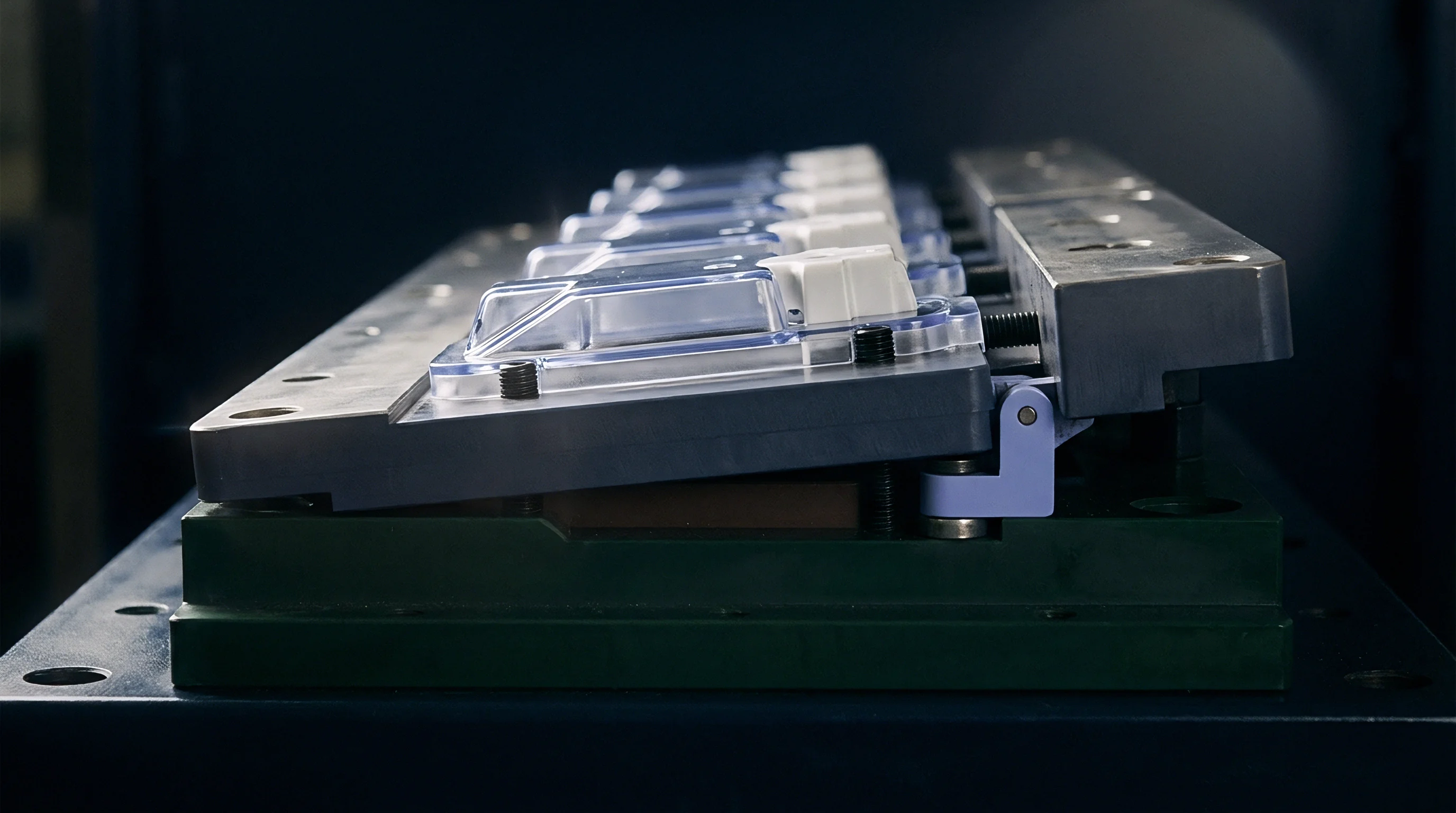
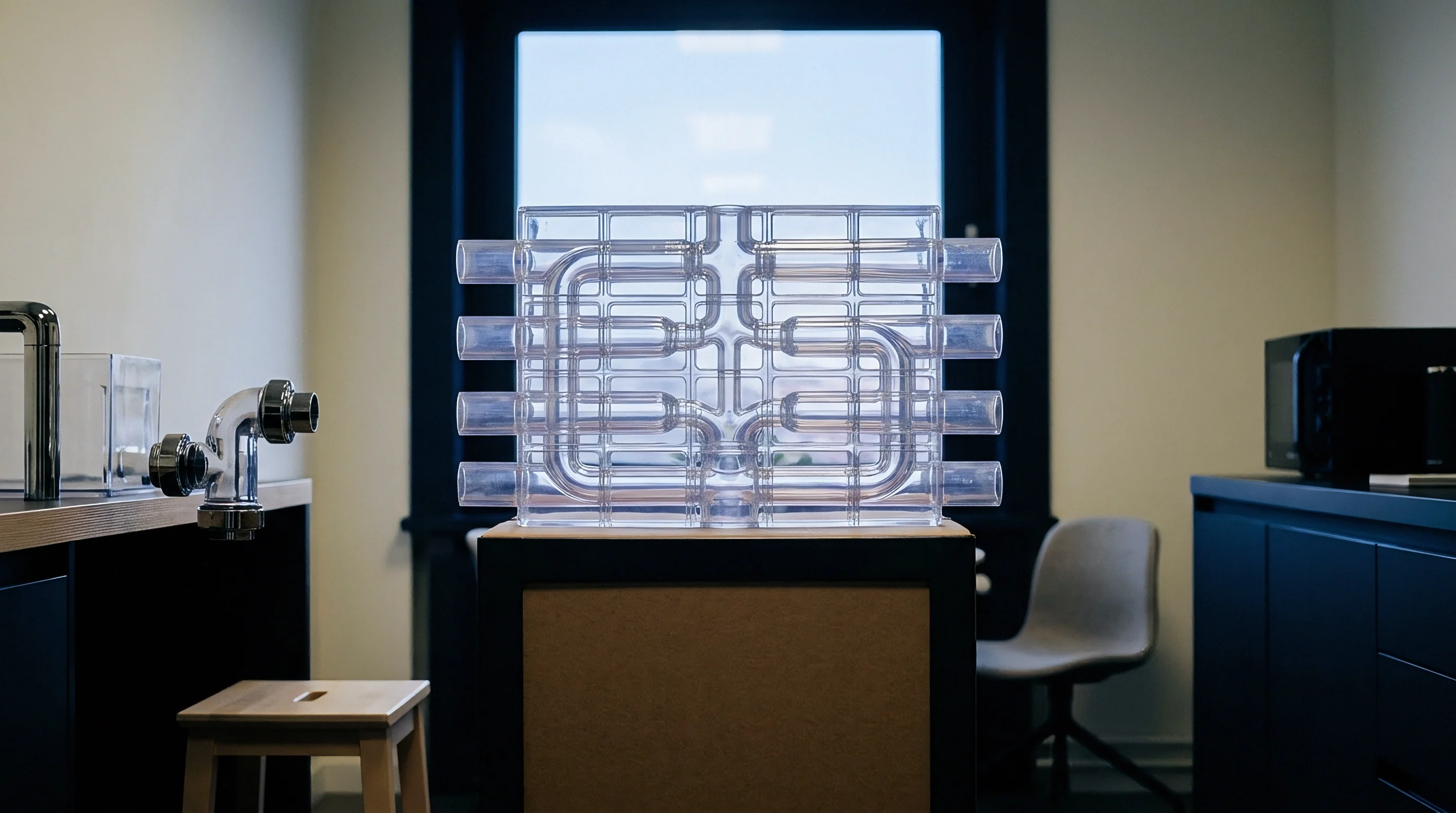
Filing
A thirty-two cavity hot-runner tool for an automotive connector housing represents 185,000 dollars in hardened H13 steel, copper-beryllium gate inserts, and balanced manifold heaters. When that tool hangs between the tie bars of an outside supplier’s hydraulic press, physical custody diverges from legal ownership. The purchasing company pays the tooling invoice, stamps an asset tag onto the clamp plate, and assumes the asset is secure.
That operational assumption fails in commercial insolvency. Under the Uniform Commercial Code, possession creates an apparent ownership that invites claims from the supplier’s secured lenders.
Article Nine establishes a comprehensive system governing rights in personal property, classifying industrial production tooling as equipment. A contract manufacturing agreement declaring that title remains with the customer provides zero protection against a bank holding a perfected, floating lien on the contract moulder’s inventory and equipment. Article Nine treats unperfected owner interests as subordinate to perfected security interests.
The secured lender’s security agreement attaches to all equipment present on the factory floor unless the true owner puts the commercial world on formal notice.
Section 9-505 authorizes a protective filing designed specifically for bailments and leases. The equipment purchaser submits a UCC-1 financing statement naming the customer as bailor and the contract processor as bailee. This submission concedes no security interest.
It puts every equipment financier, junior creditor, and bankruptcy trustee on record notice that the machinery does not belong to the debtor.
Under Section 9-505, an explicit precautionary filing preserves true bailment rights against third parties without conceding that the underlying transaction created a security interest.
Protecting capital equipment deployed across independent supplier networks demands five distinct procedural actions.
- Security Agreement Execution establishes legal attachment of the customer’s property rights to the specific tool asset, linking the physical machine to the purchase order and defining default remedies.
- Collateral Description Drafting specifies the mold base serial numbers, cavitation layout, part part-numbers produced, and physical dimensions down to the platen tie-bar clearance.
- Jurisdictional Record Searches reveal existing commercial blanket liens filed against the processor in its state of corporate organization before the steel leaves the crate.
- Financing Statement Submission enters the bailor status into the secretary of state corporate registry in the exact state where the contract manufacturer is organized.
- Lender Subordination Waivers eliminate competing claims from commercial banks holding prior floating liens over the supplier’s present and after-acquired equipment.
Filing establishes public priority. Tooling transfers accelerate during economic downturns, and unfiled customer assets routinely get locked inside dark plants when banks appoint receivers. The equipment owner without an active UCC-1 filing must litigate true bailment status against a bank that holds blanket perfected liens.
That fight occurs while injection presses sit silent and automotive assembly lines incur downtime penalties of 22,000 dollars per hour.
Production continuity rests on pre-shipment filings. The standard customer purchase order contains language stating: Bailor retains exclusive, unencumbered title to all specialized tooling, molds, dies, and fixtures supplied to Bailee, and Bailee grants Bailor the irrevocable right to file precautionary financing statements under UCC Section 9-505 reflecting Bailor as owner and Bailee as holder of the tooling.

Platen
Clamp tonnage exerts mechanical force across the mold base, locking the core and cavity plates against injection pressures exceeding 140 megapascals. The physical interface between machine platens and tooling steel mirrors the legal entanglement between shop-floor machinery and specialized tooling. In custom injection moulding, a machine operator bolts the mold into a 300-ton hydraulic press.
Auxiliary temperature controllers, hot runner cables, and pneumatic core-pull hoses couple the asset directly to the shop infrastructure. That integration leads external auditors and bank field examiners to categorize customer tools as shop machinery during physical inventory appraisals.
Affixing engraved metal identification tags directly to the mold base constitutes standard practice. Toolmakers mill a recessed pocket into the non-operator side of the top clamp plate, fastening a stainless steel or brass plaque using drive screws. The plate records the customer name, tool identification number, part drawing revision, and ownership declaration.
Tooling plates convey zero notice. A riveted brass tag fails to defeat a perfected Article Nine security interest held by the moulder’s primary credit facility. The UCC system gives legal priority to central electronic filings rather than physical markings visible only inside the press safety cage.
A 2.5-millimeter engraved brass tag riveted to an H13 clamp plate provides zero legal priority over a prior-filed commercial blanket lien recorded at the secretary of state.
Operating realities dictate strict physical verification routines. Molds suffer surface wash, cooling channel scaling, and mechanical wear during twenty-four-hour production runs. Asset tags loosen under high thermal cycling where mold bases cycle between 80 degrees Celsius and 140 degrees Celsius across five hundred thousand shots.
Plant personnel routinely mask or remove tags during cavity polishing, bench maintenance, or electro-discharge machining refurbishments. Physical identification protocols demand rigorous standards to survive hostile shop environments.
| Marking Method | Substrate Depth | Thermal Limit | Solvent Resistance | Legal Durability |
|---|---|---|---|---|
| Direct CNC Milling | 0.75 mm | 650 °C | Unaffected by aromatic hydrocarbons | Permanent machine verification |
| Laser Etched Stainless | 0.12 mm | 500 °C | Resistant to mold release agents | High readability at audit |
| Riveted Brass Plaque | 1.50 mm | 300 °C | Degraded by acidic vapor degreasers | Subject to mechanical loss |
| Anodized Aluminum Foil | 0.08 mm | 180 °C | Damaged by alkaline degreasers | Temporary staging only |
The shop floor frequently resists outside audits. Machinists report that customer tags fell off during the last ultrasonic bath or that the mold base had to be ground down to clear the ejector housing.
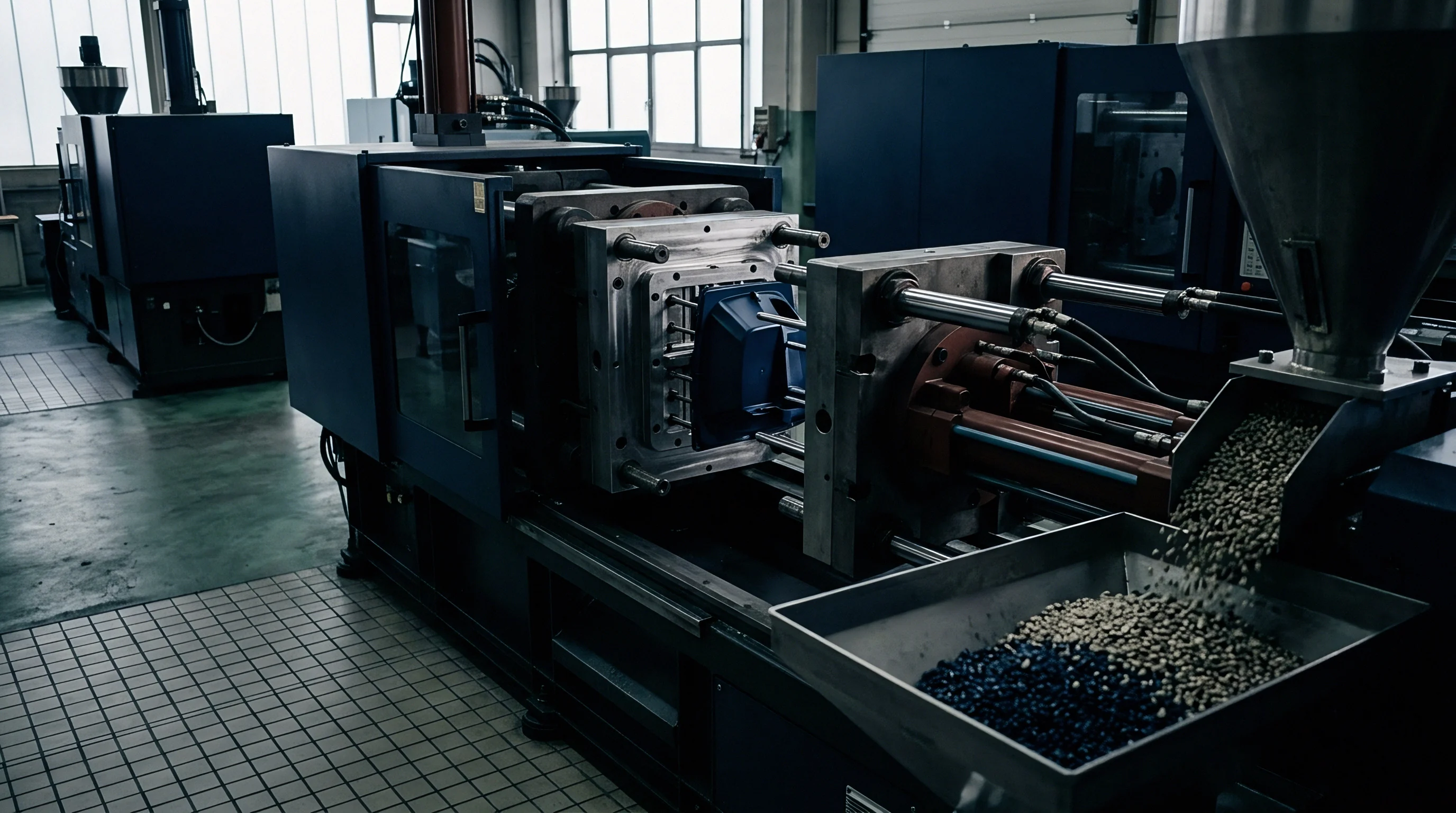

Registry
State recording offices administer commercial perfection rules through centralized electronic databases. Under UCC Section 9-307, the proper place to file a financing statement is the jurisdiction where the contract processor is legally organized, not where the tooling operates. If a customer designs a medical luer lock, commissions a multi-cavity tool, and ships the mold to a moulding facility in El Paso, Texas, but the moulding business is incorporated in Delaware, the customer records the UCC-1 in Dover, Delaware.
Filing in the Texas county records where the tool physically sits leaves the asset unperfected. Unperfected interests lose in bankruptcy.
Where Does Bailment End and Security Begin?
Section 1-203 establishes the statutory test separating a true bailment lease from a disguised security interest. The contract structure dictates the outcome. If an agreement provides that the custom moulder acquires ownership of the tooling upon completing a five-year production contract for nominal consideration, the transaction becomes a disguised sale.
The customer ceases to be a true owner in the eyes of a bankruptcy court. The customer transforms into an unperfected secured lender holding an unrecorded, subordinate interest. True bailments demand that the supplier acquires no equity in the steel.
Equipment bailment priority depends on filing in the debtor’s state of legal formation rather than the physical address of the manufacturing plant.
The boundary between pure bailments and financed tooling requires rigorous classification. Sourcing organizations frequently structure tool funding through piece-price amortisation. The customer pays thirty percent down, leaving the remainder to amortise across the first two million production mouldings.
Amortised tooling creates latent ambiguity. If the moulder fronted capital to build the mold, the moulder owns the tool until full repayment occurs. The customer must execute a security agreement and perfect an actual Purchase Money Security Interest under Section 9-324 to establish priority over the moulder’s existing lenders.
| Commercial Structure | UCC Classification | Required Document | Filing Location | Priority Window |
|---|---|---|---|---|
| Customer-Paid Tool | True Bailment | UCC-1 Precautionary | Debtor Home State | Prior to delivery |
| Piece-Price Amortised Tool | Disguised Financing | Security Agreement + UCC-1 | Debtor Home State | Twenty-day statutory limit |
| Customer-Furnished Resin | Bailment Inventory | UCC-1 Consignment | Debtor Home State | Prior to delivery |
| Supplier-Built Automation | Equipment Sale | PMSI Agreement | Debtor Home State | Twenty days post-possession |
A procedural checklist ensures that legal rights attach before tool dispatch.
- Corporate Verification confirms the exact legal name of the contract processor as registered with the relevant secretary of state, eliminating fatal spelling variations.
- Debtor Authorization secures an executed writing empowering the customer to record the financing statement against the processor’s corporate charter.
- Notice Dispatch delivers written notification to prior blanket lienholders holding secured positions against the processor’s manufacturing machinery.
- Serial Identification links each UCC exhibit to precise machine plates, mold drawings, and cavity block engravings.
Failing to verify the debtor’s legal formation details voids the financing statement, demoting the equipment buyer to an unsecured creditor when the supplier collapses.

Carveout
Bank loans rely on expansive language to encumber modern manufacturing facilities. Commercial lending agreements grant banks an all-asset security interest covering every piece of machinery, tooling, fixture, raw resin lot, and work-in-progress inventory located on the borrower’s premises. When a contract moulder enters restructuring proceedings, the bank’s counsel points to this blanket coverage.
The customer who paid 240,000 dollars for an optical-grade liquid silicone rubber mold discovers that the bank claims the tool as collateral for the moulder’s outstanding credit lines. Recovering the mold requires a written landlord and lender carveout agreement executed before the mold arrives at the loading dock.
The carveout agreement operates as an intercreditor document. The senior lender expressly disclaims any security interest, lien, or encumbrance on the customer’s specified tooling, molds, dies, and proprietary fixtures. The instrument confirms that the tooling does not constitute an accession to the press under UCC Section 9-335.
Accessions occur when personal property becomes so united with other goods that it forms part of the whole. A mold clamped into an injection press can be argued to be an accession to the press if machine hydraulics and controls integrate deeply. The lender waiver confirms that the tool remains distinct personal property, freely severable without damaging the parent machine.
Legal vulnerabilities multiply when customer contracts neglect commercial lien structures.
- Blanket After-Acquired Clauses pull newly arrived customer tooling into existing bank security agreements automatically through sweeping contract definitions.
- Landlord Distraint Rights empower commercial building owners to seize tenant equipment for unpaid rent regardless of equipment ownership claims.
- Accession Arguments assert that custom auxiliary equipment permanently integrates into plant infrastructure, terminating separate property claims.
- Taxing Authority Seizures claim statutory superiority over general personal property to satisfy unpaid municipal and state payroll taxes.
Industrial machinery transactions share functional similarities with maritime vessel charters, where owners separate the operational hull from specialized cargo-handling apparatus through recorded public notices. Commercial agreements must specify access rights. The lender carveout must grant the customer unconditional entry rights to inspect, service, unbolt, and remove the mold base within forty-eight hours of commercial default.
The debtor signs the schedule.
Possession creates an apparent ownership. Specialized tooling remains vulnerable to senior credit claims until the commercial lender executes an explicit disclaimer.

Replevin
Extracting tooling from a distressed factory floor requires immediate physical and legal intervention. When a contract moulder ceases production, doors lock and plant assets face impoundment. State law provides two competing mechanisms that clash with the customer’s extraction efforts: common-law possessory liens and statutory molders’ liens.
In prominent manufacturing jurisdictions such as Michigan, Ohio, and Illinois, statutes grant custom moulders a super-priority possessory lien on all tooling in their possession to secure unpaid processing balances, engineering changes, and piece-part invoices. Steel belongs to the purchaser.
A molder’s lien attaches by operation of law the moment resin enters the feed throat. Crucially, statutory molders’ liens frequently take priority over prior perfected Article Nine security interests. If the customer owes 45,000 dollars on past-due part shipments, the moulder can legally refuse to release the tool even if the customer holds a properly filed UCC-1 financing statement.
Extracting the asset requires a court writ of replevin or an emergency motion for relief from stay in federal bankruptcy court.
Statutory molders’ liens take legal priority over earlier perfected Article Nine security filings to the extent of unpaid moulding invoices.
Replevin proceedings require the owner to demonstrate immediate right of possession, unencumbered ownership, and payment of all valid, undisputed production invoices. The equipment buyer files an emergency complaint accompanied by an affidavit detailing the mold serial numbers, cavitation layouts, and physical location. The court demands a replevin bond, typically assessed at double the appraised value of the mold.
For a complex family mold valued at 160,000 dollars, posting a 320,000-dollar cash or surety bond is standard practice before the county sheriff escorts the rigger onto the floor. Riggers unbolt the water manifolds, drop the mold straps, hoist the tool from the machine bed, and transport the steel to an alternate qualified processor.
Default accelerates the full debt. Recovery costs escalate rapidly through bond premiums, rigging fees, transport, and validation runs at the receiving molder. Sourcing teams can mitigate operational exposure by maintaining dual-sourced insert sets and securing immediate access agreements.
Whether bankruptcy courts will continue to respect precautionary bailment filings when contract manufacturers incorporate customer-owned tools into robotic automated work cells remains a subject of ongoing commercial litigation.