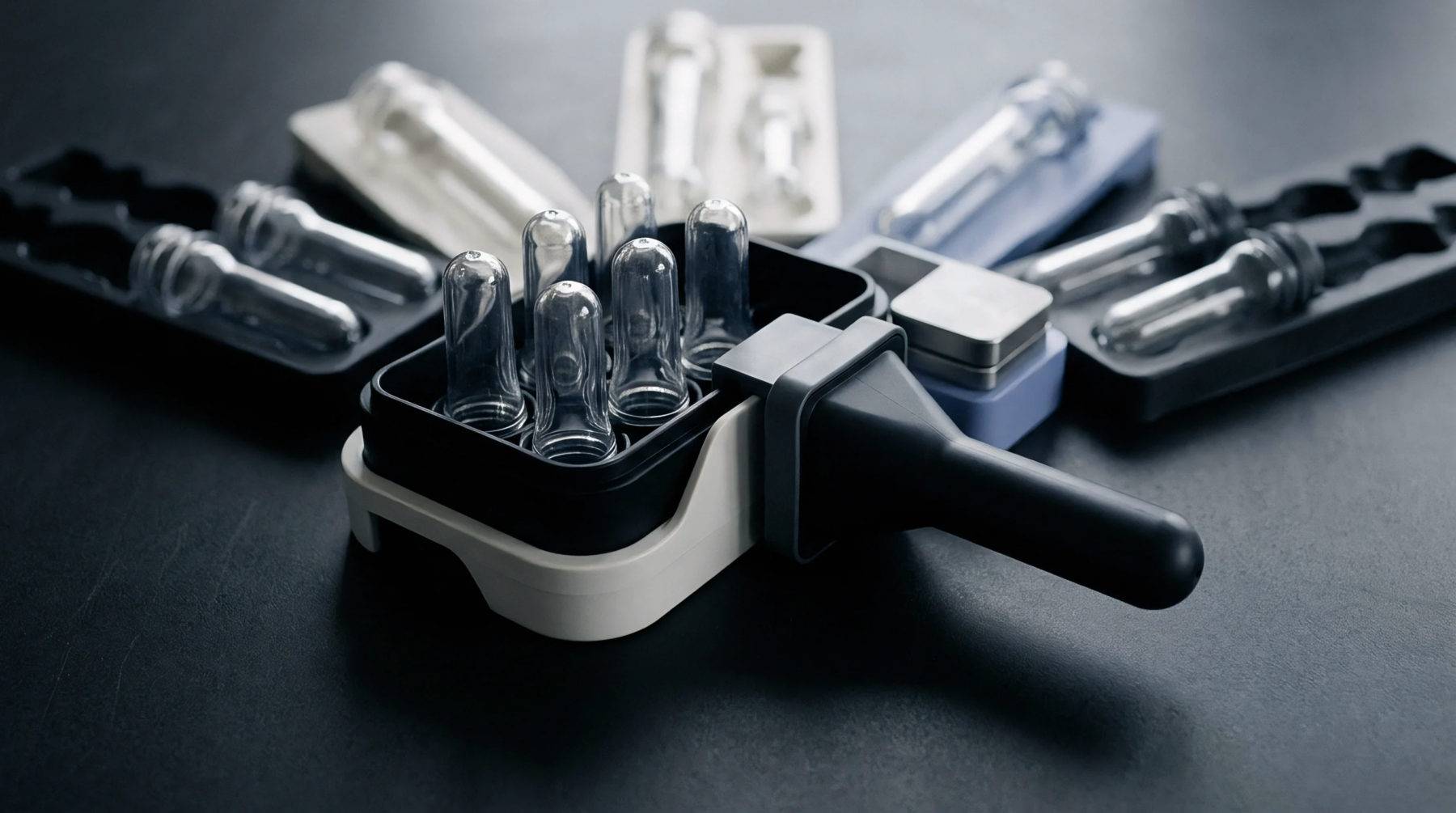
Determining Optimal Injection Molding Cavitation Counts and Processing Parameters
Optimal cavitation balances machine hourly rates, clamp tonnage, and shot capacity against thermal cooling limits and cross-cavity dimensional distribution.
Optimal cavitation balances machine hourly rates, clamp tonnage, and shot capacity against thermal cooling limits and cross-cavity dimensional distribution.
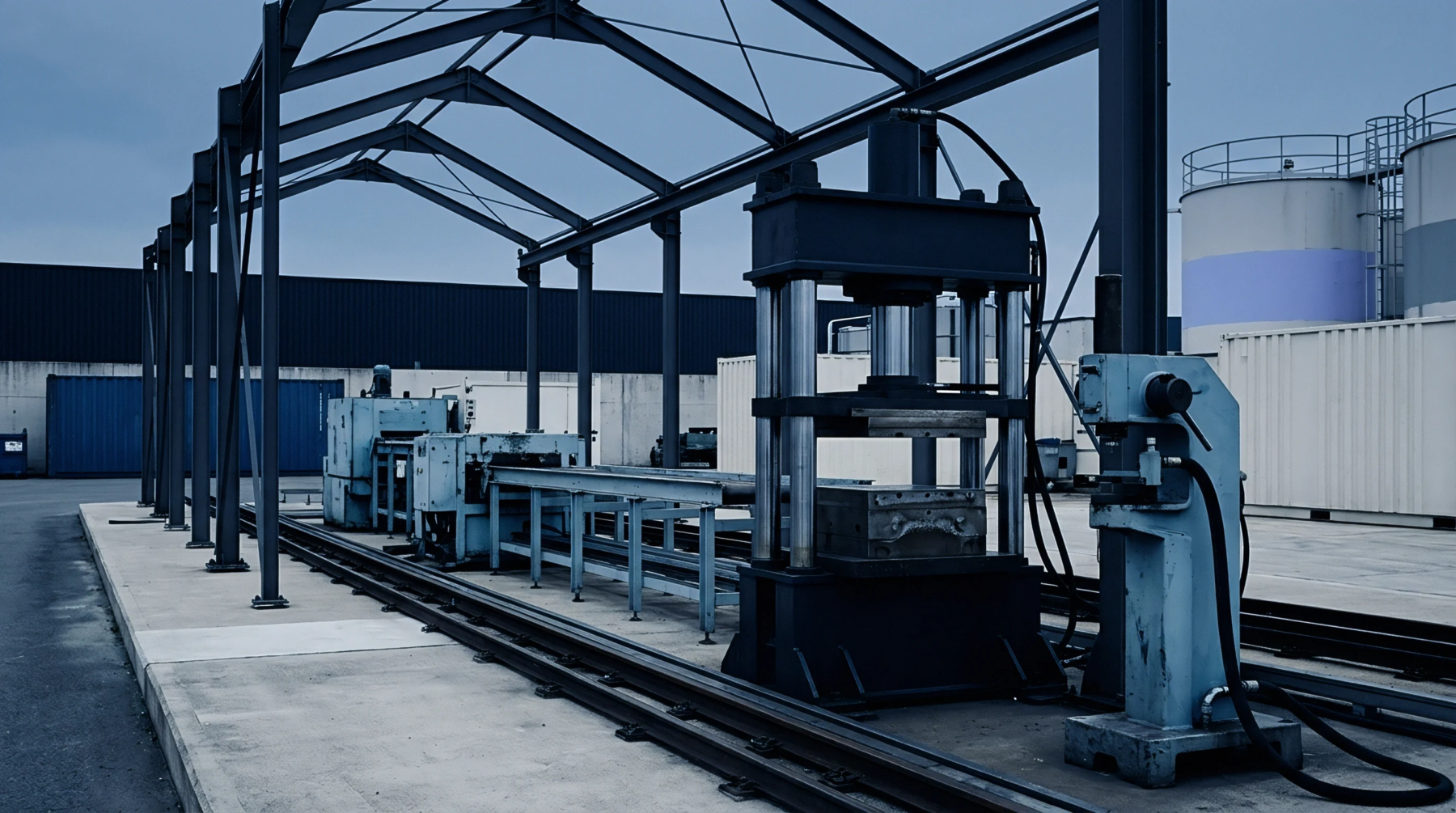
Suppress heavy wall thermal defects by sizing gates to 80% wall thickness, holding pack pressure past core freeze, and deploying conformal high-conductivity chill circuits.
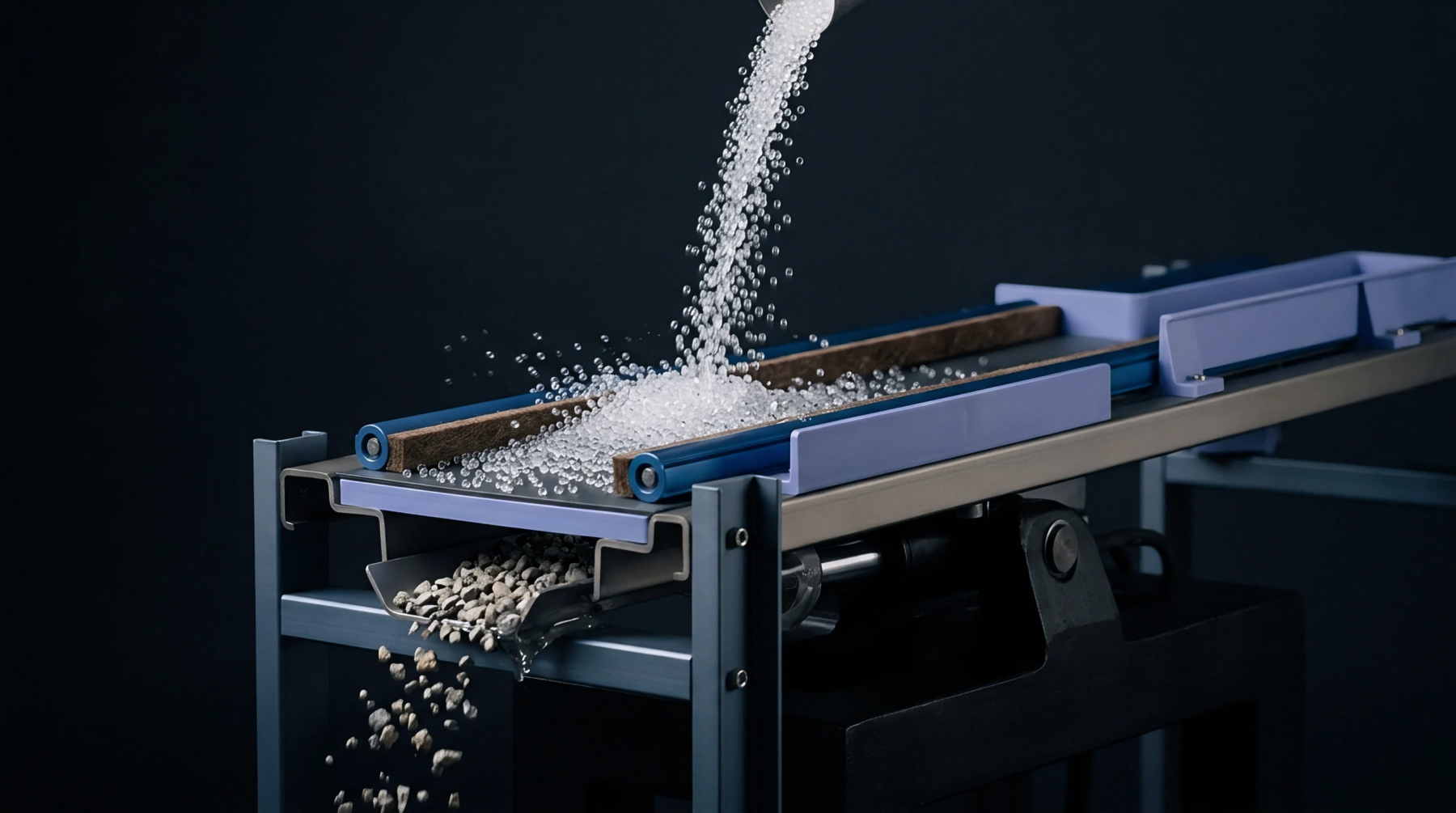
Calibrating emitter wavelength to polymer absorption bands and setting optical sag triggers prevents core temperature deltas exceeding five degrees Celsius.
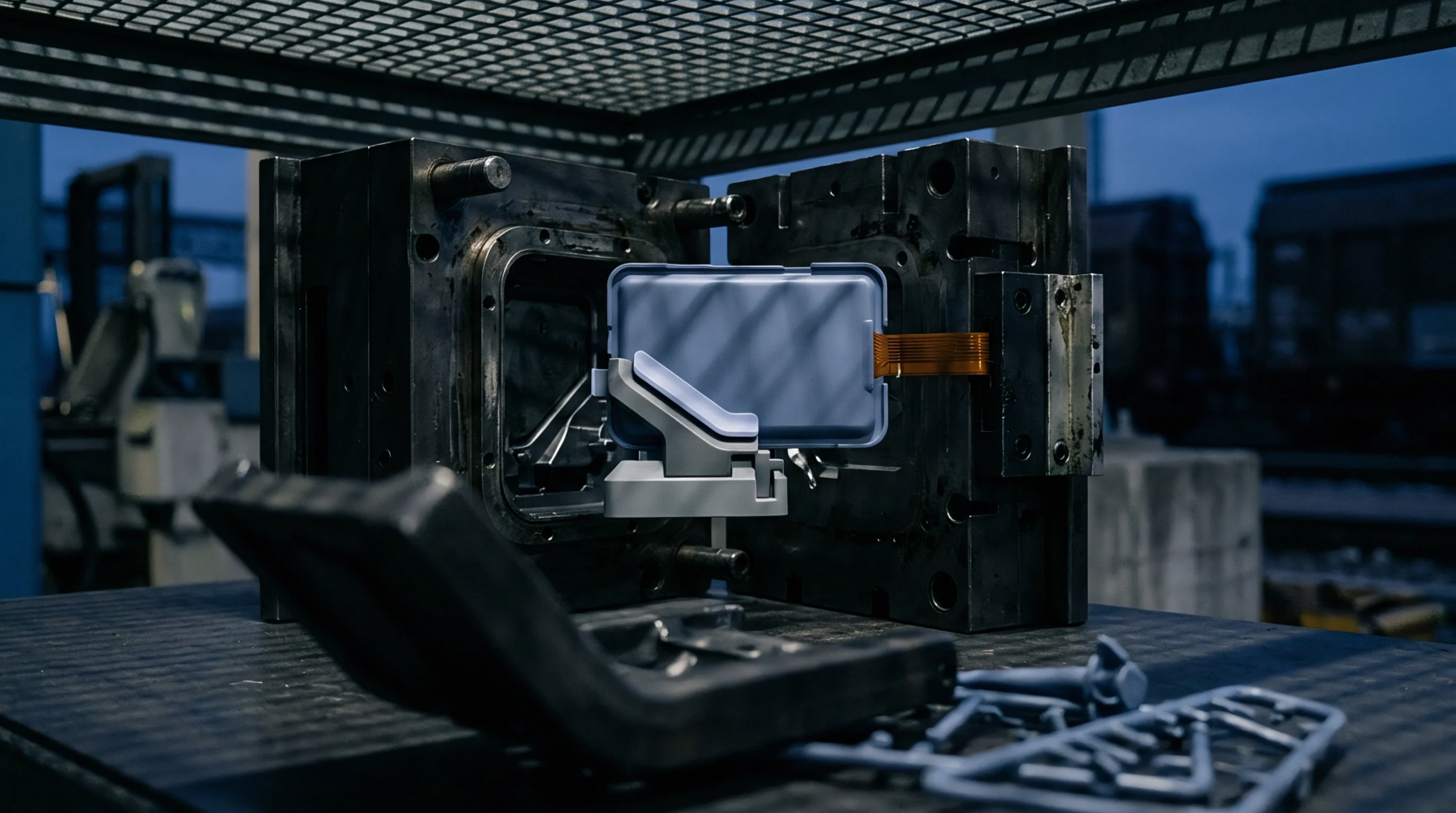
Cooling circuit design dictates actual injection cycle time; quotes assuming unrealistically fast cooling cause part warpage or forced piece-price increases.
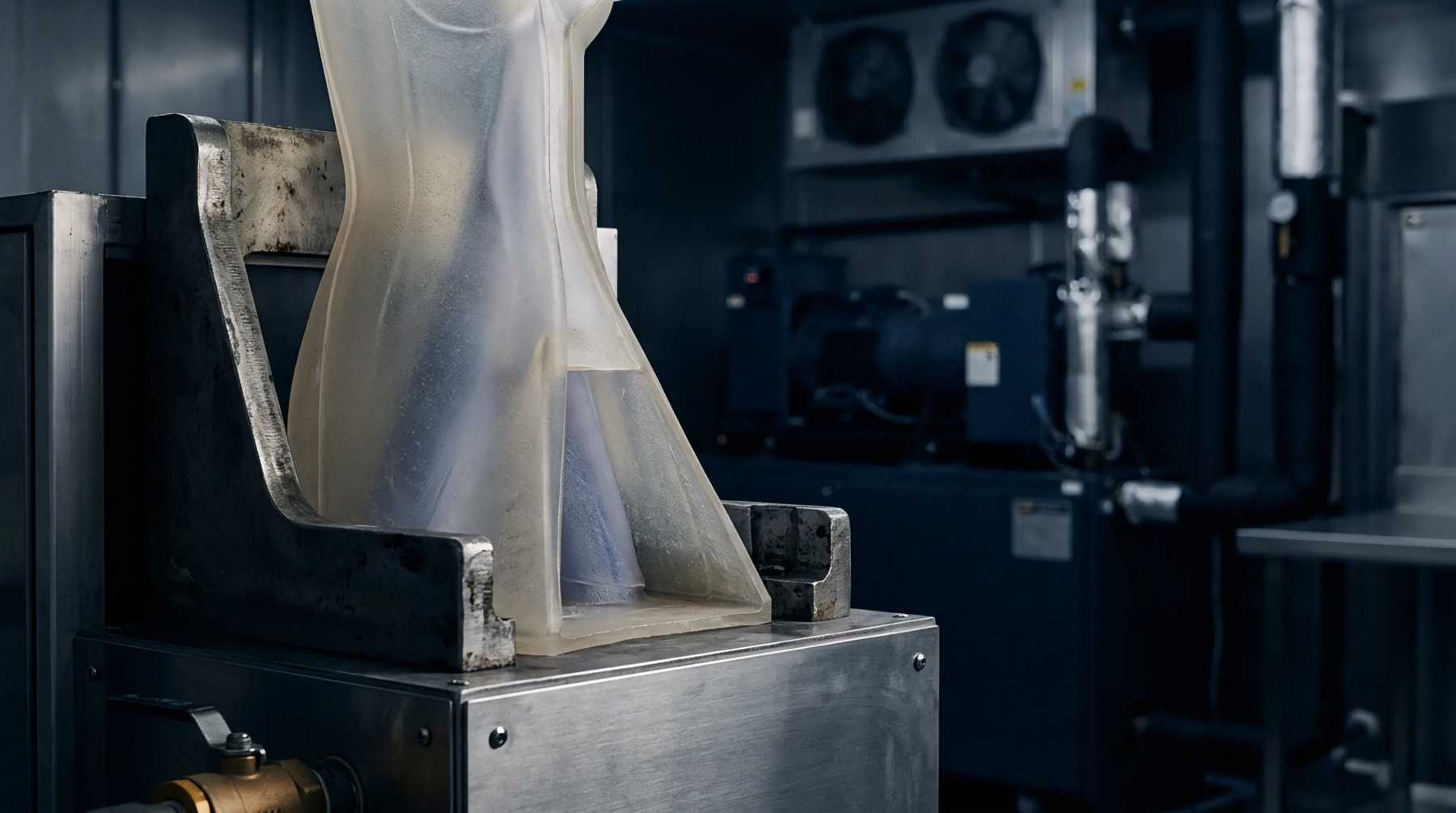
Determining cavitation count and cycle time requires balancing thermal cooling physics against clamping limits, runner shear, and capital amortisation curves.
Altering tool steel to eliminate heavy wall sections cuts cycle time and unit cost far more reliably than forcing process windows past physical thermal limits.
Expertise is a utility, not a secret. sentiention™ publishes its working knowledge as open reference: intelligence layer covering the materials it sources, the markets it enters, and the reference that serves both.