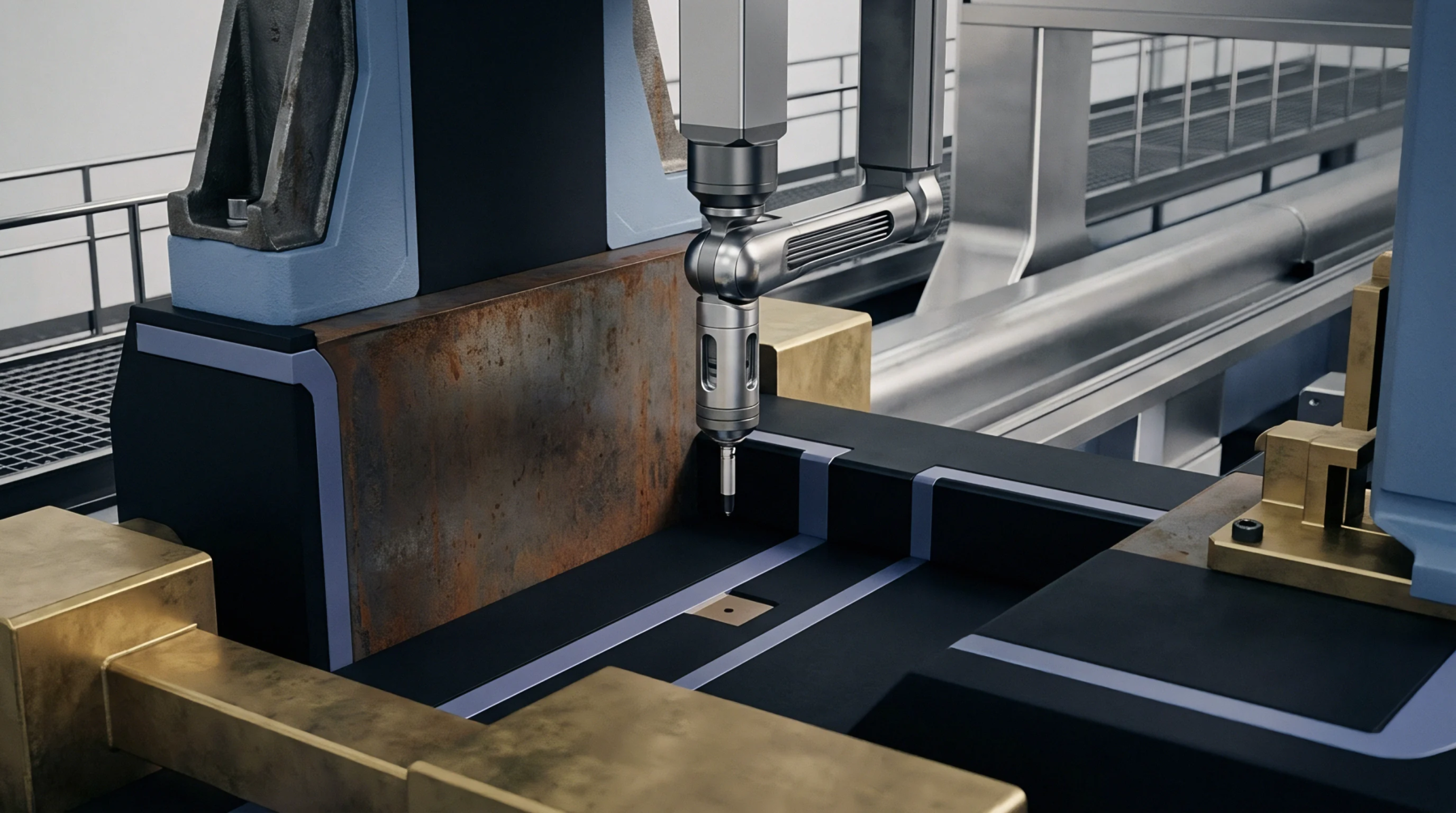
Establishing Baseline Injection Moulding Process Windows before Steel Modification
Establishing baseline process windows before modifying injection tooling steel isolates process variables from geometric tooling defects.
Establishing baseline process windows before modifying injection tooling steel isolates process variables from geometric tooling defects.

Selecting cavity pressure sensors requires matching transducer force paths, thermal limits, and signal acquisition methods to tool cavitation and tolerance targets.

Closed loop cavity pressure control isolates part dimensions from material viscosity shifts by triggering transfer and regulating packing directly from cavity telemetry.

Real-time cavity pressure monitoring directly senses melt compression to decouple filling stages, stabilize part weight, and automate scrap sorting at the press.
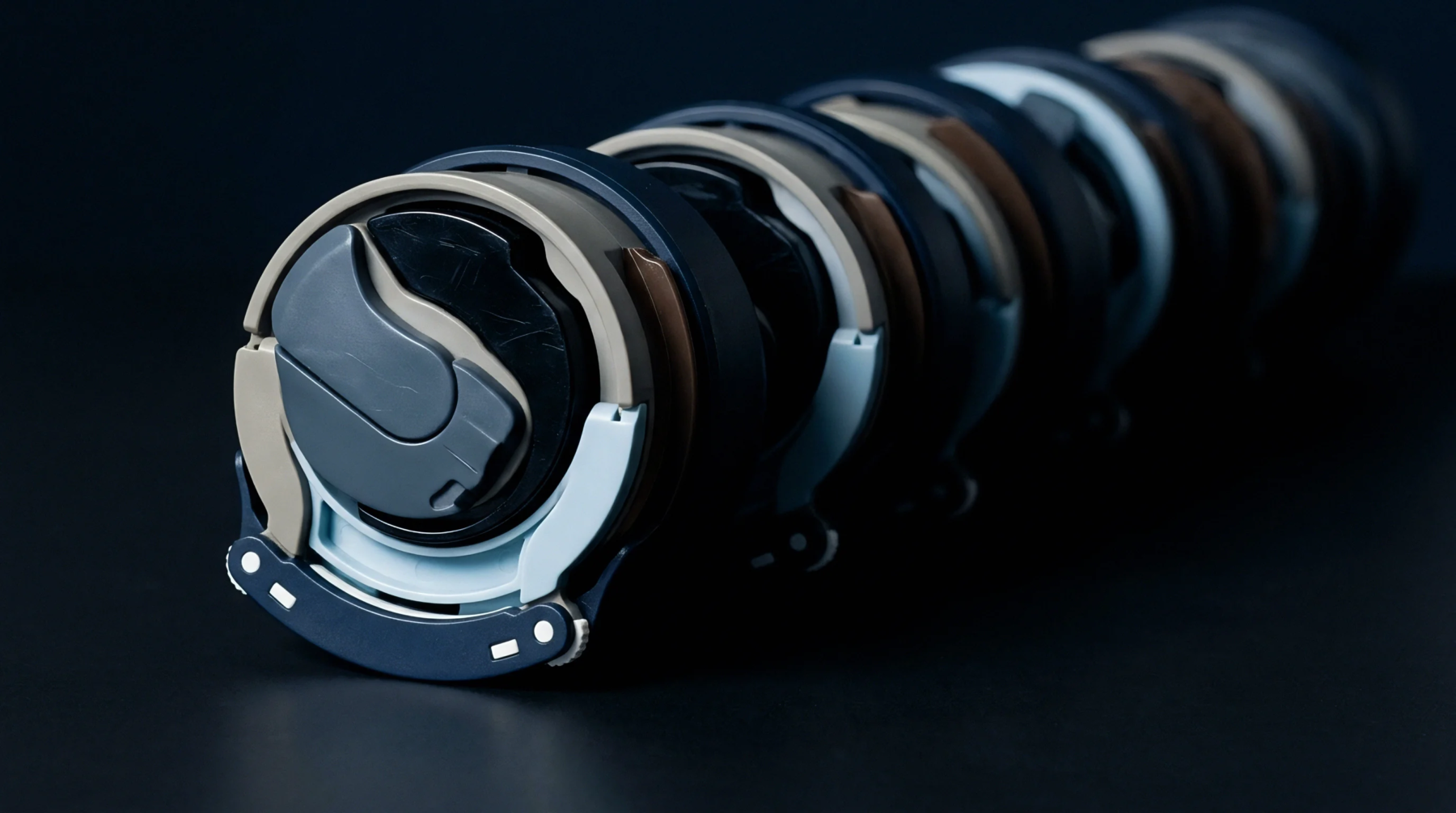
Scientific moulding balances multi-stage cavity pressure against gate freeze timing to eliminate differential shrinkage across non-uniform wall sections.

Naturally balanced manifolds require symmetrical 3D runner geometry, smooth transitions, and uniform thermal zones to ensure identical cavity filling.
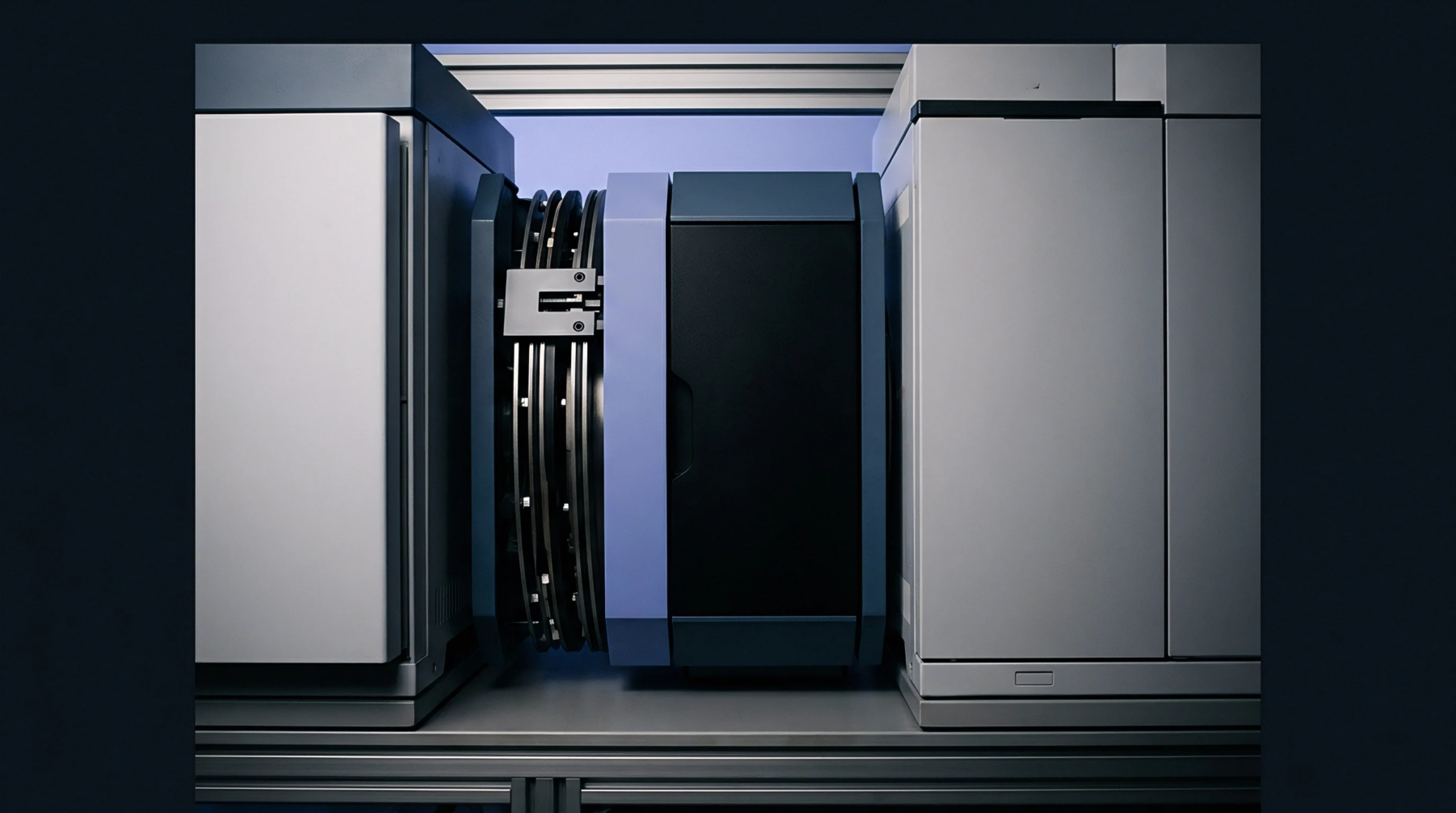
Decoupled cavity pressure control decouples melt rheology from machine mechanics, fixing peak pressure to guarantee tight dimensional stability.
Cavity sensor integration requires rigid pocket machining, protected wire routing, and direct melt placement to decouple press dynamics from part tolerance.
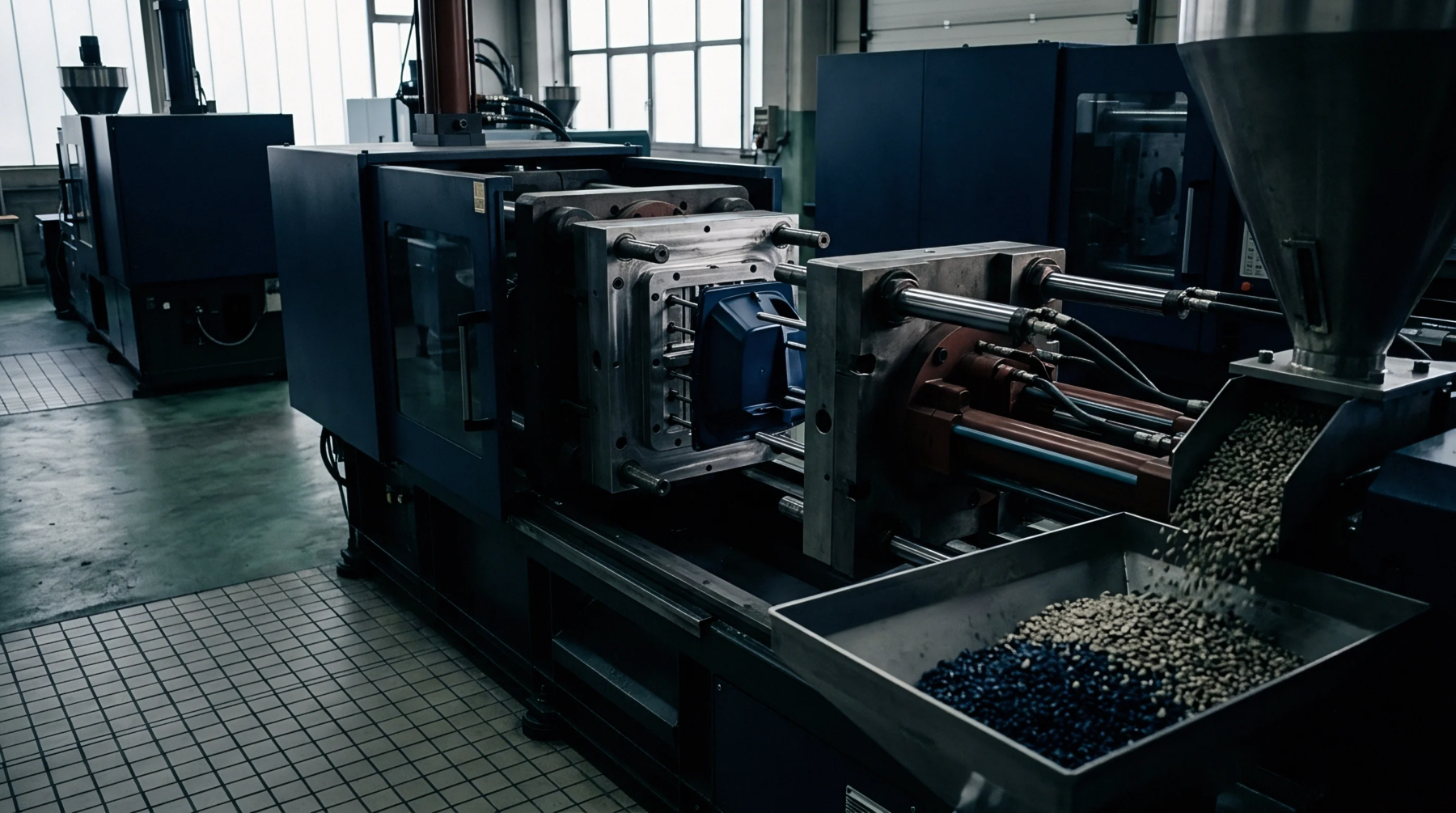
Press-side fill balance protocols decouple injection velocity from hold pressure using short shot weight analysis to equalize cavity fill within 5% balance.
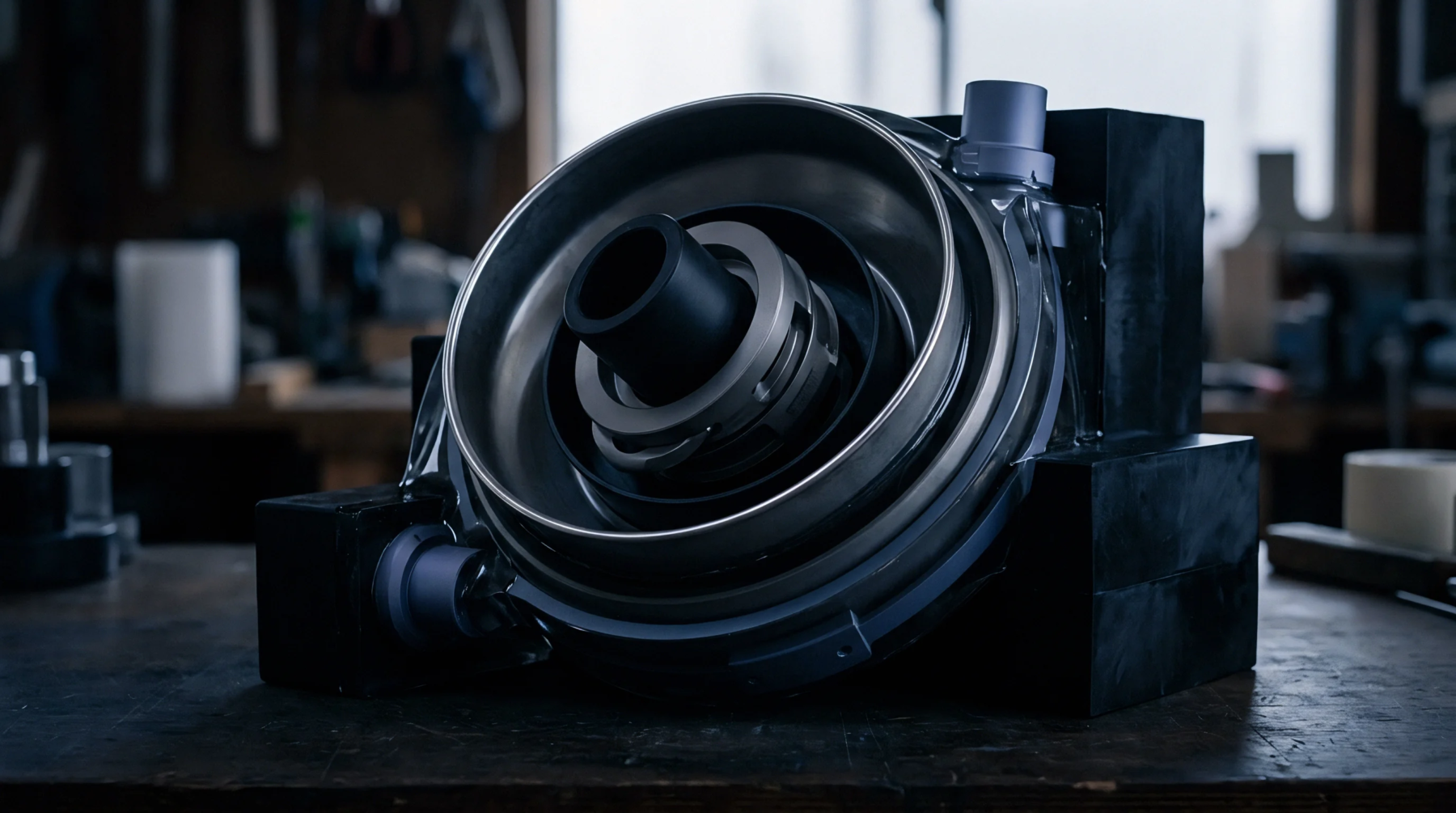
Real-time cavity pressure transducer feedback corrects shear-thinning thermal imbalances in multi-cavity tools by adjusting dynamic V/P crossover points.
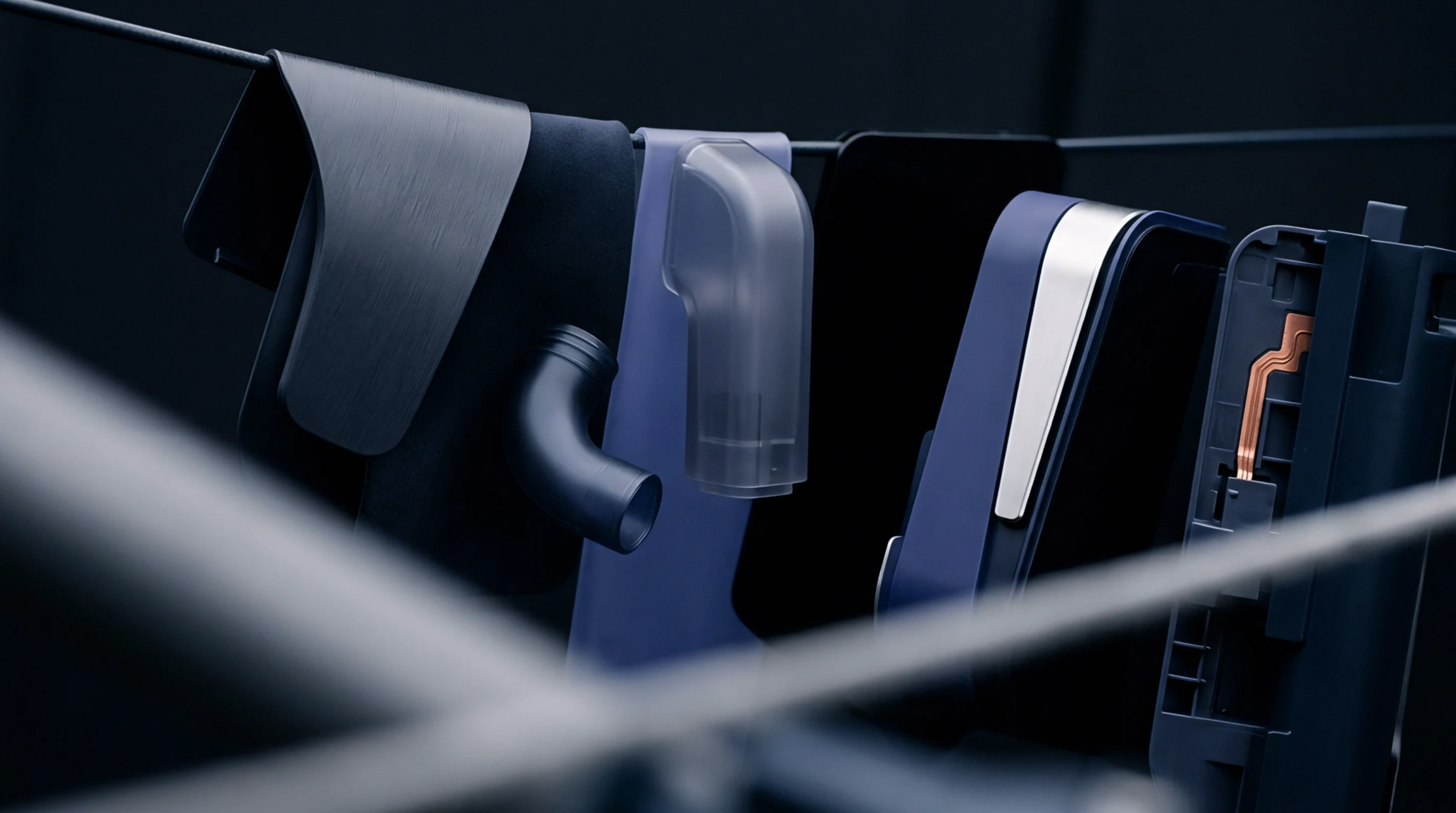
Wireless piezoelectric cavity pressure telemetry eliminates platen cabling, providing real-time process monitoring for active part quality containment.
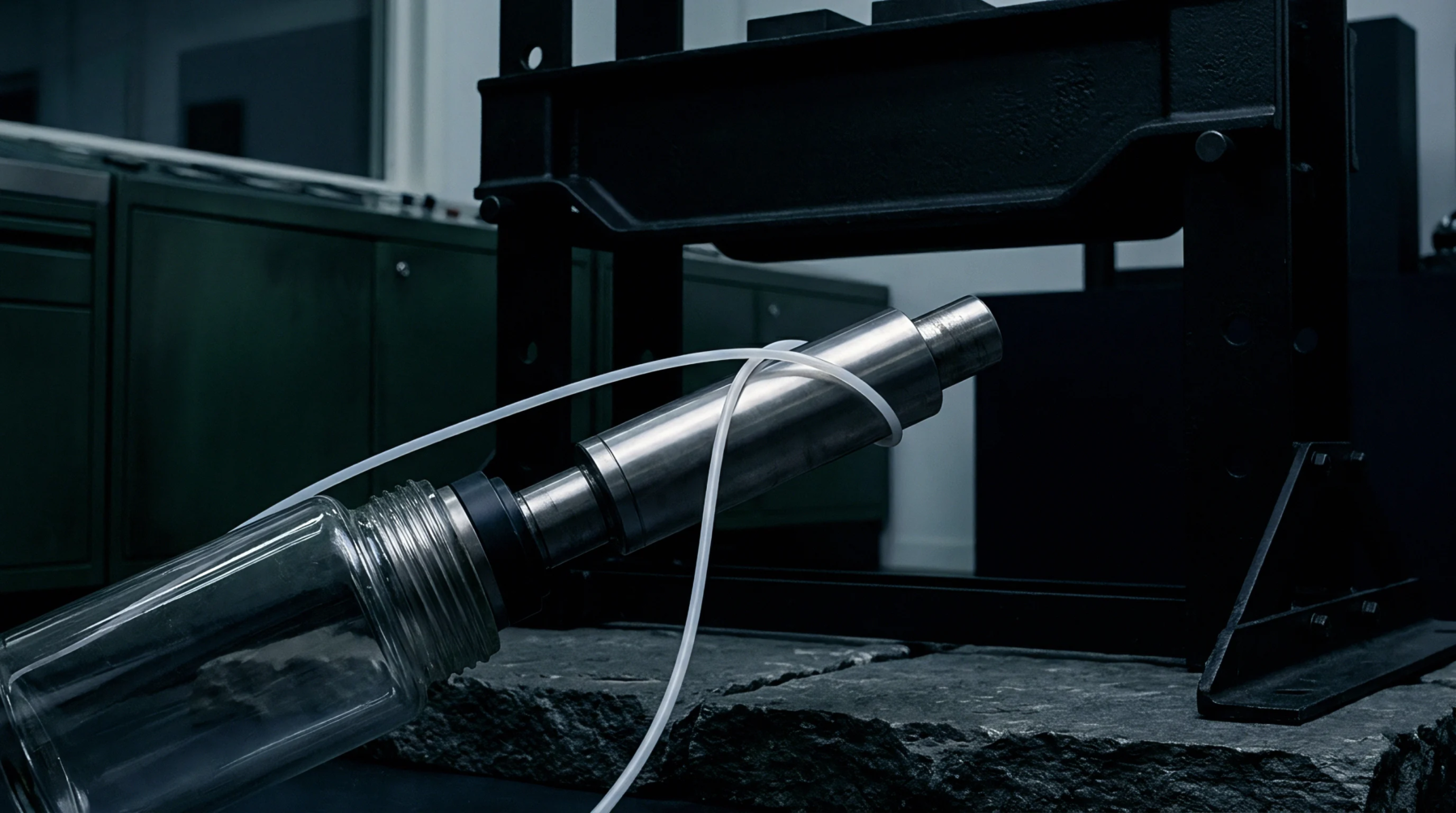
Closed loop cavity pressure regulation corrects melt viscosity drift by dynamically modulating switchover point and packing profile to hold volumetric shrinkage constant.

In-cavity piezoelectric pressure sensing setups in multi-cavity tools decouple fill control from hydraulic drift to minimize scrap and verify part density.

Resolving rheological imbalance in high cavitation manifolds demands shear-decoupled runner geometry, active zone heating, and cavity pressure monitoring.

Cavity pressure telemetry decouples fast-cycle moulding from resin viscosity shifts by driving switchover directly from real-time in-cavity melt fronts.
Cavity pressure closed loop control dynamically regulates melt pressure profiles to hold sub-hundredth millimeter tolerances despite batch and thermal drift.

Increasing peak cavity pressure compresses polyamide melt during solidification, directly counteracting phase-change volumetric shrinkage and tightening component tolerances.
Cavity pressure telemetry decouples polymer melt behavior from machine hydraulics, locking peak pressure to eliminate scrap and stabilize part dimensions.
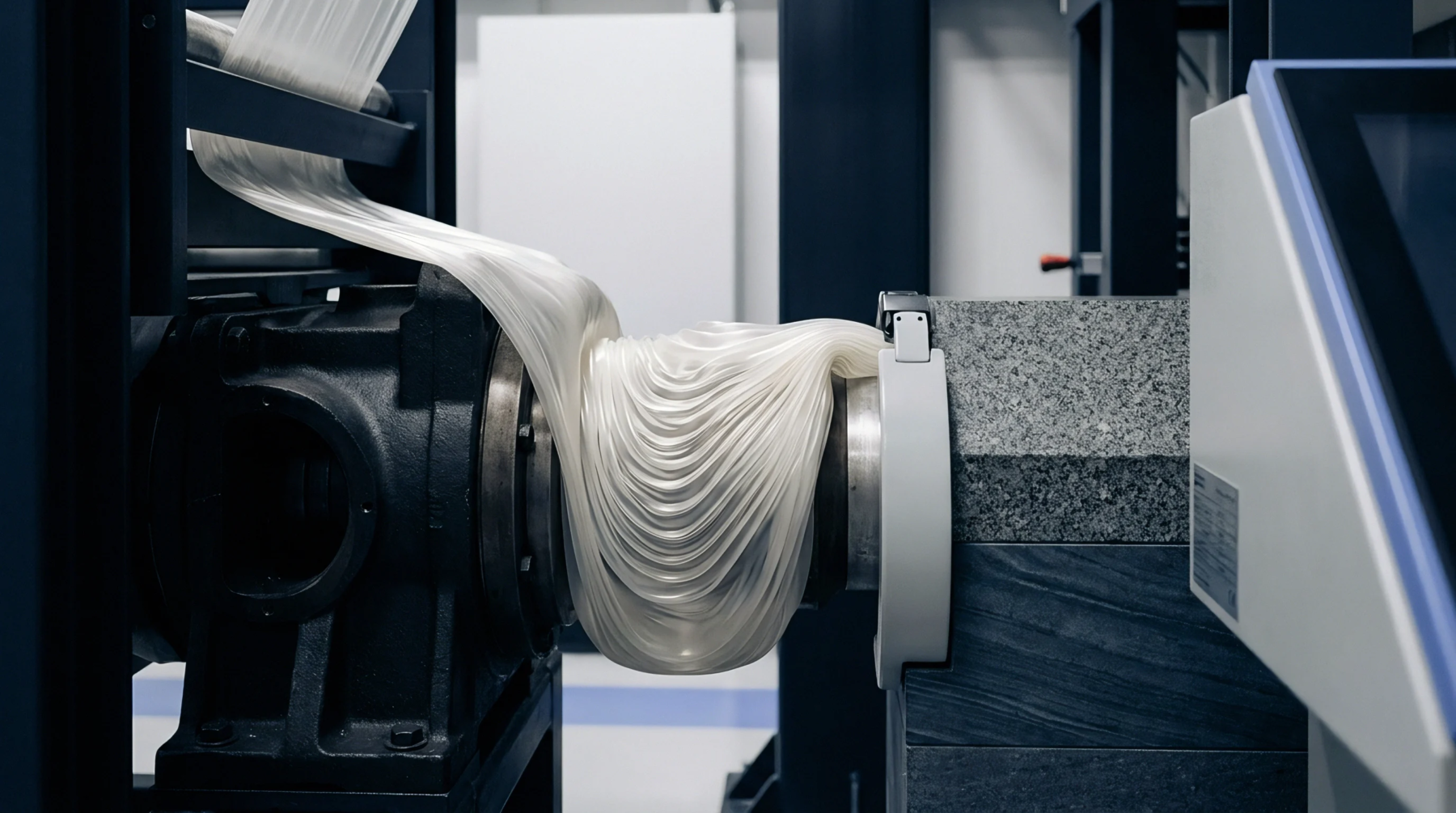
Wireless cavity pressure telemetry enables real time closed loop screw stroke compensation to hold part weight and dimensions against melt viscosity drift.
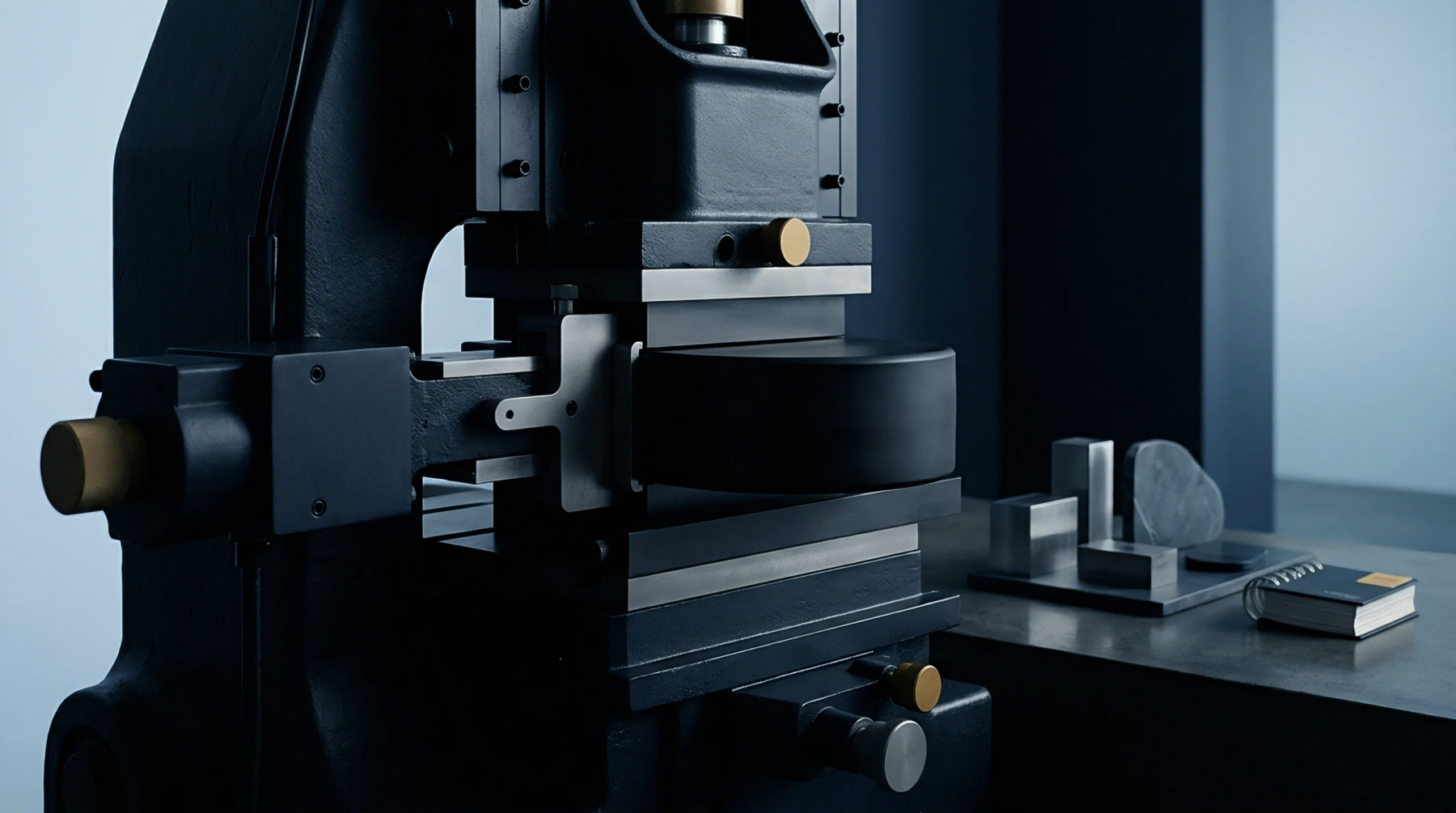
In-mold cavity pressure telemetry directly measures melt compression dynamics to lock down scientific moulding qualification and stabilize piece tolerances.

Predictive thermal resistance modeling balances multi-cavity heat extraction across textured tool inserts to hold tight DIN 16742 tolerances.

Press side multi cavity trial witnessing mandates independent volumetric fill verification, gate seal determination, and 24 hour conditioned metrology
Expertise is a utility, not a secret. sentiention™ publishes its working knowledge as open reference: intelligence layer covering the materials it sources, the markets it enters, and the reference that serves both.