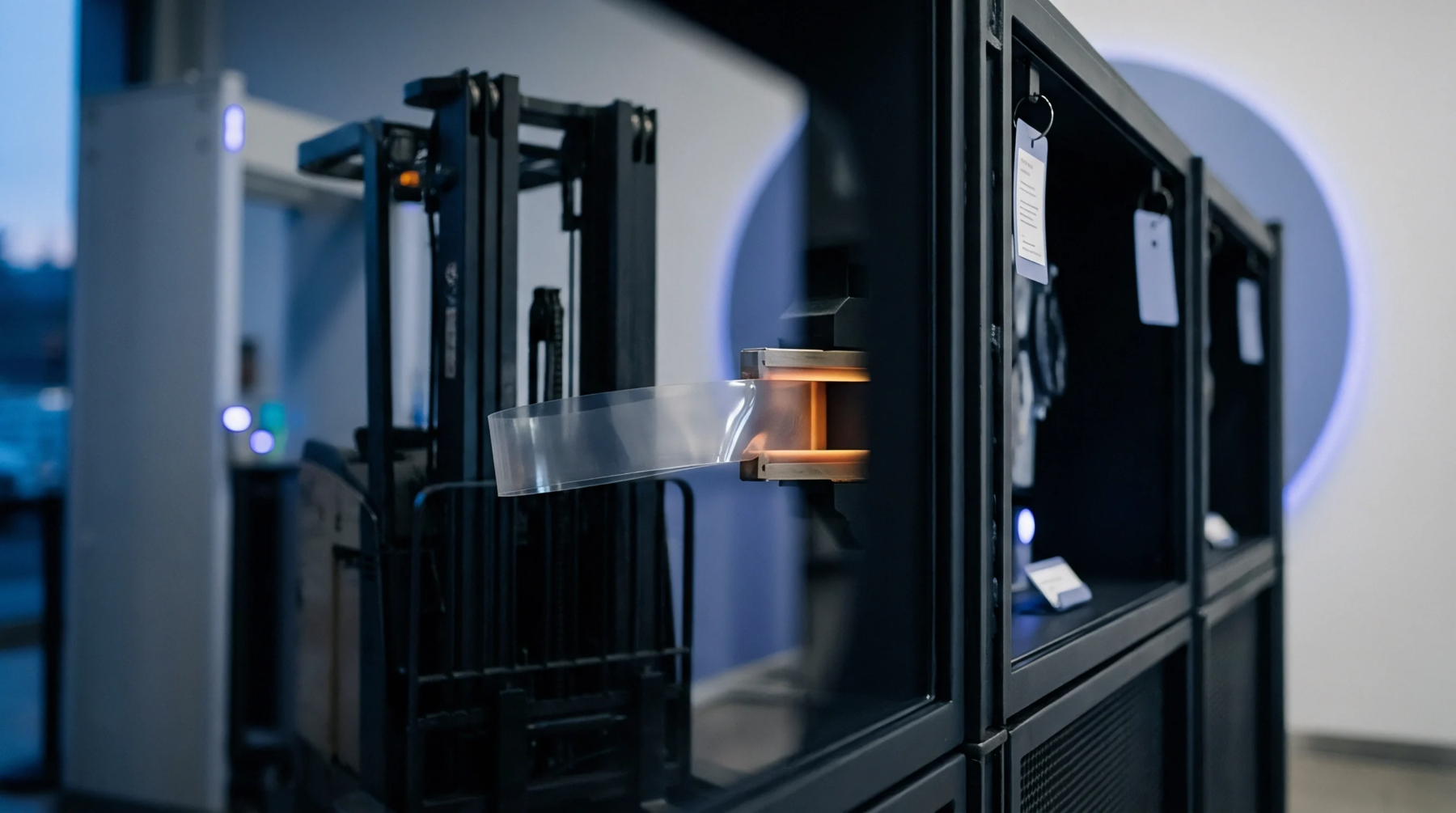
Thermal Expansion Loop Calculation Procedures for High Temperature Hot Runner Wiring
Calculating hot runner wiring loops from manifold thermal expansion rates prevents conductor shearing and premature heater open circuits in high-temp tooling.
Calculating hot runner wiring loops from manifold thermal expansion rates prevents conductor shearing and premature heater open circuits in high-temp tooling.

Perfecting tool ownership requires physical steel tagging, precautionary security filings, and explicit maintenance covenants to preserve recovery rights.
Dynamic thermal stack up analysis balances transient expansion lags against melt viscosity flash limits to prevent pin seizure under variothermal cycling.

Cavity surface texture replication depends on holding melt contact above glass transition temperature while peak packing pressure forces polymer into micro recesses.
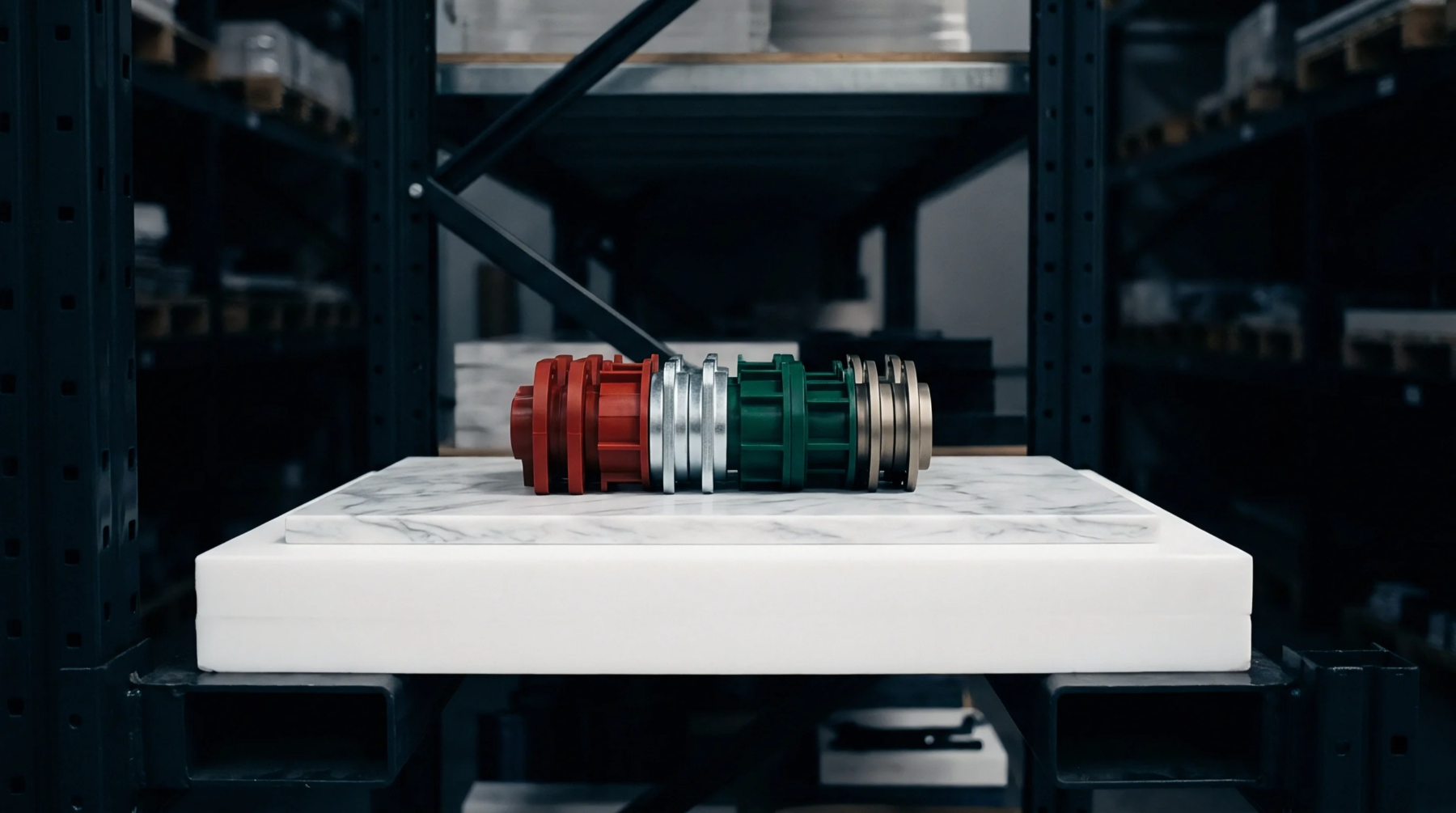
Cross-border mould ownership verification relies on physically stamped asset tags, steel heat certs, press telemetry logs, and explicit customs assist entries.
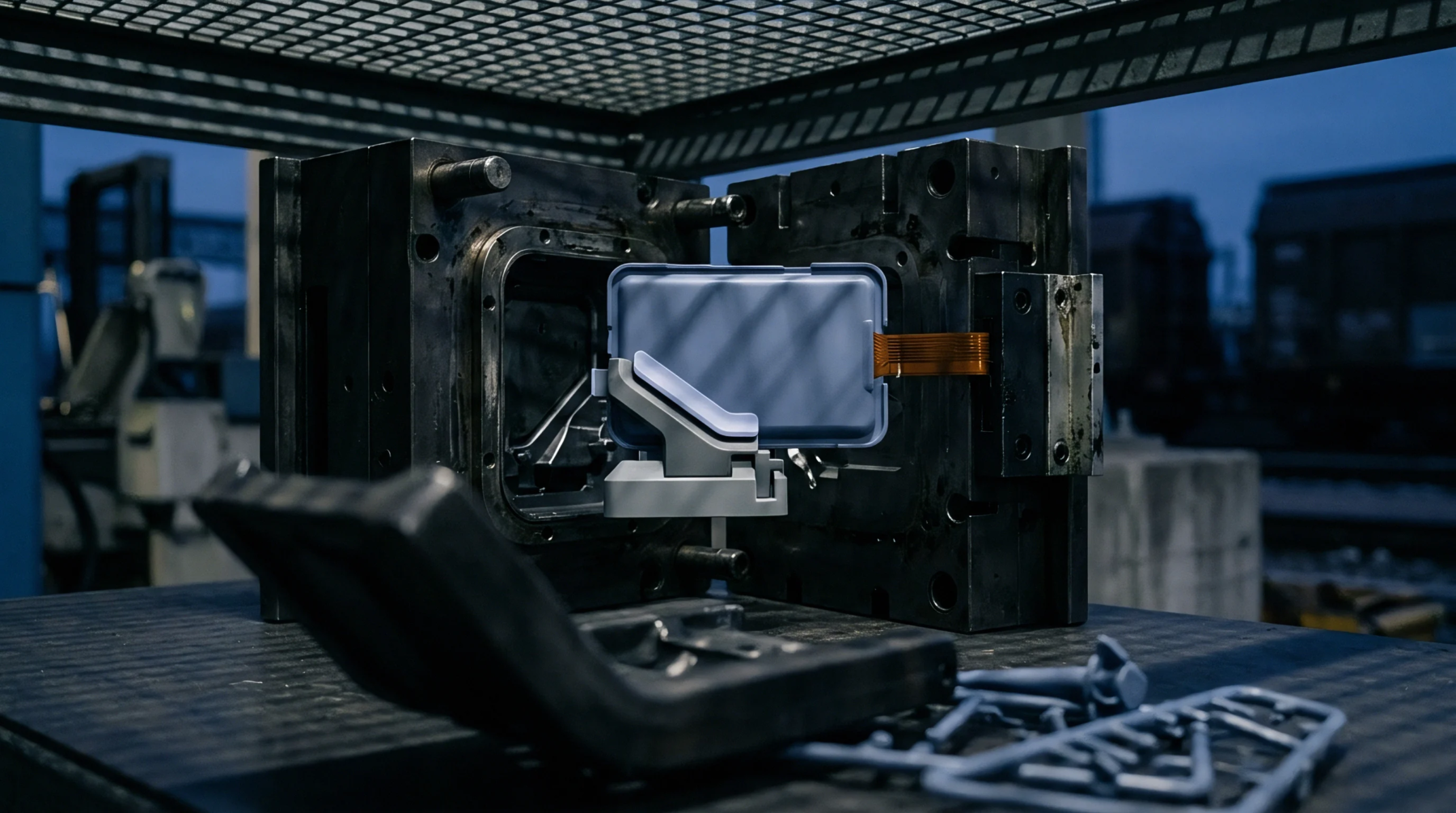
Dynamic thermal filtering of piezoelectric cavity pressure waveforms eliminates thermal shock drift to synchronize multi-cavity switchover within sub-millisecond tolerances.

Dynamic finite element modeling of micro-gap thermal decoupling prevents cycle time underestimation and unpredicted warpage by coupling clearance to heat flux.
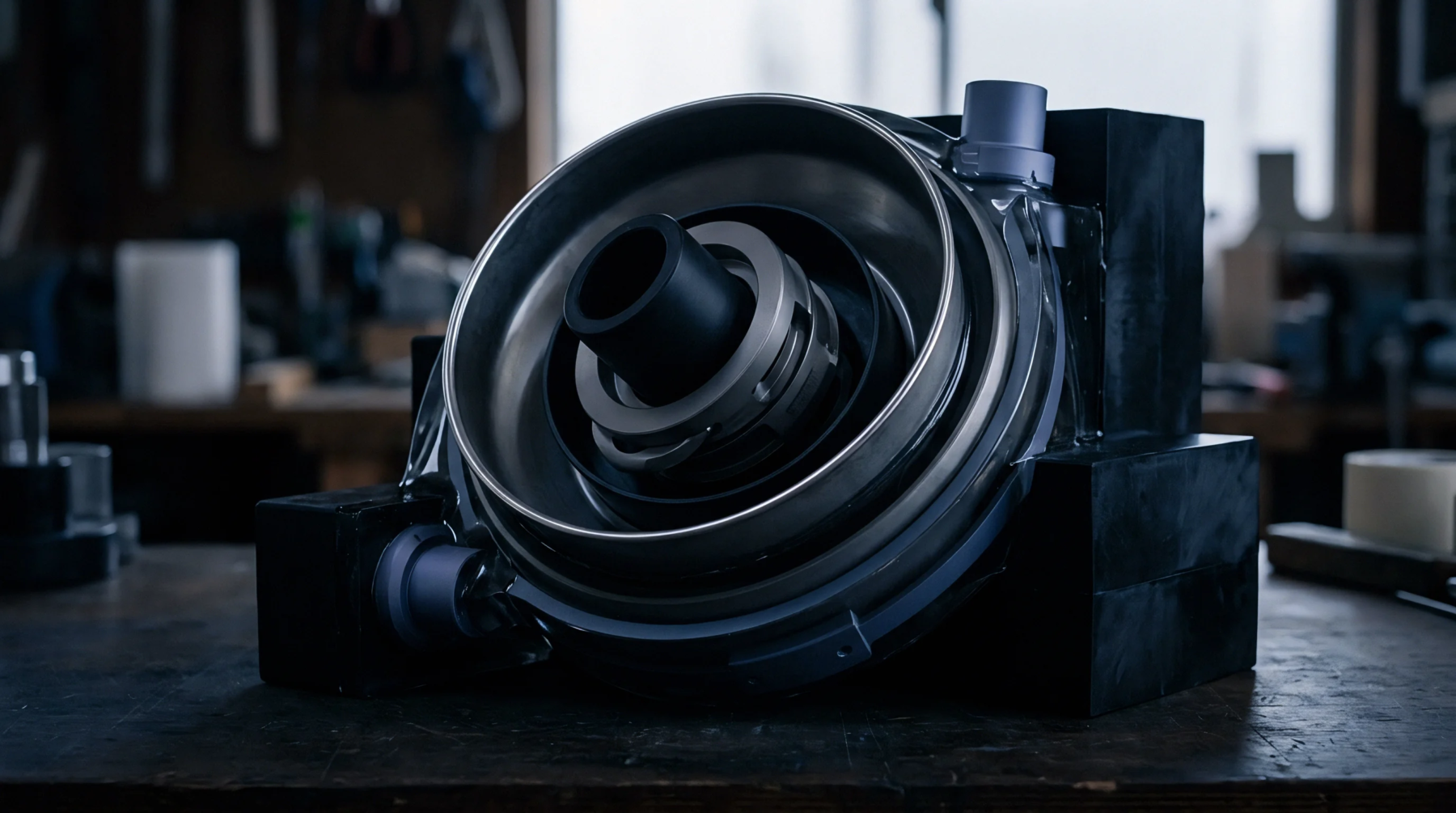
High-cavitation transient thermal balance requires turbulent coolant flow, conductive insert alloys, and equalized circuit pressure drops across every cavity.
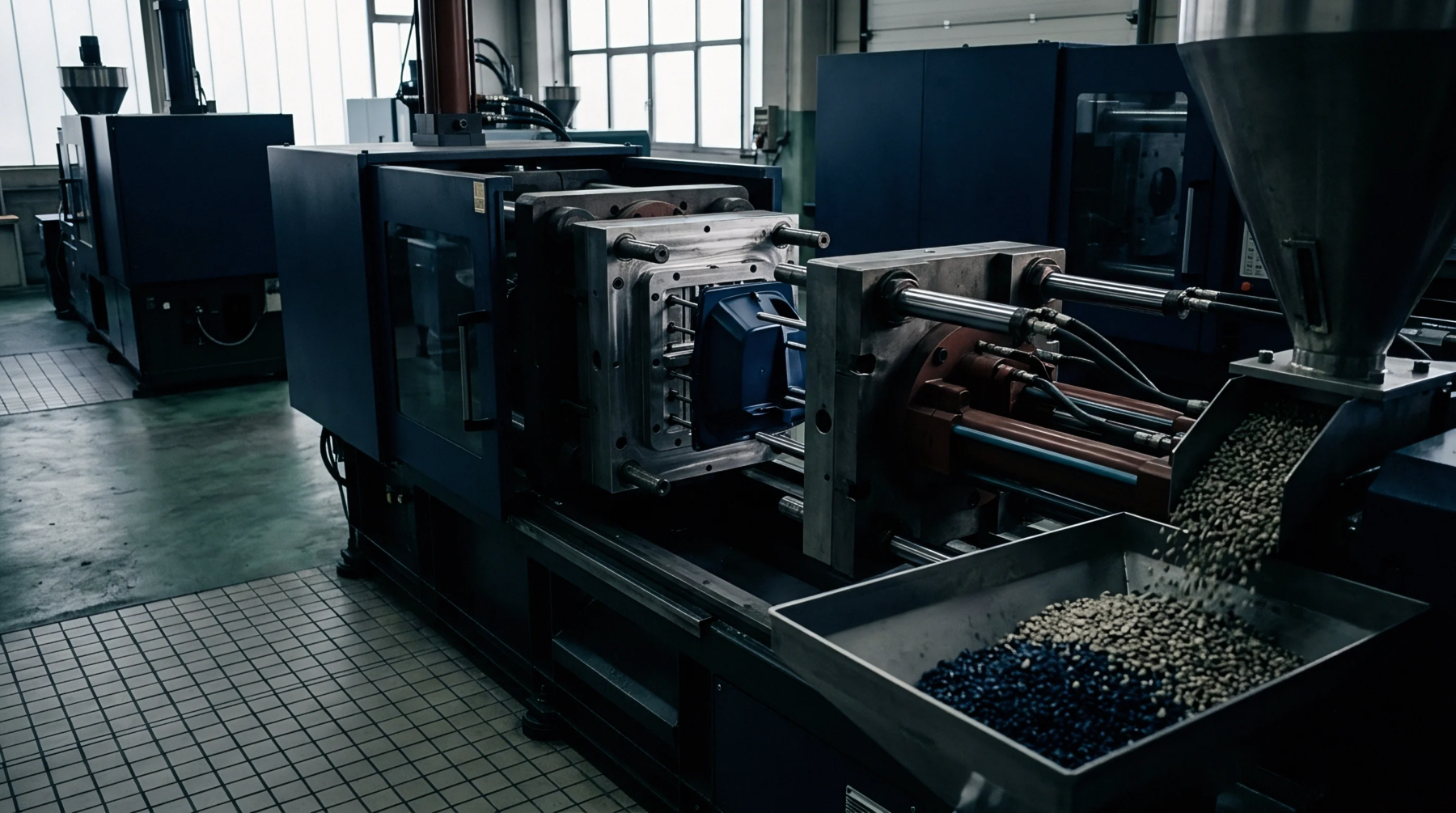
File a precautionary UCC-1 statement in the moulder's formation state and secure a senior lender lien waiver before delivering tooling to the production press.

Cross-border tooling repatriation demands registered national bailment filings, rapid judicial relief from automatic stays, and verified customs discharge.
Mitigate volatile part demand by selecting lower cavitation modular tools across standard press tonnages to avoid idle capital and startup scrap penalties.

Verify shutoff lands by balancing land contact area to machine tonnage and confirming 85 percent contact via pressure film and hot-mold wire crush testing.
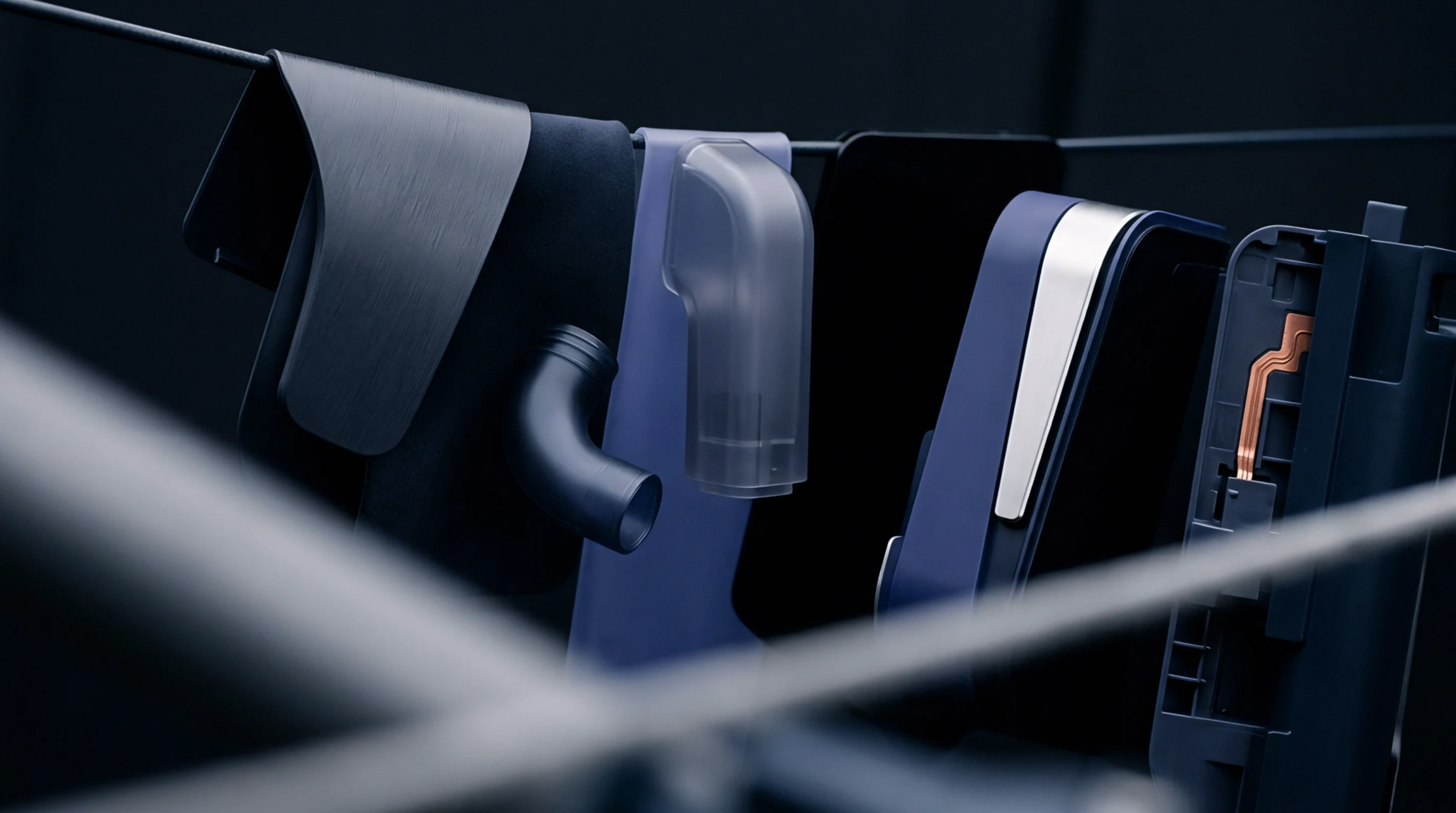
Rigid sensor pocket tolerances and in-press dynamic charge calibration isolate melt viscosity shifts from thermal pin deflection across multi-cavity tools.

Balancing standing steel thickness below sixty percent of nominal wall and maintaining turbulent cooling prevents cosmetic sink marks.
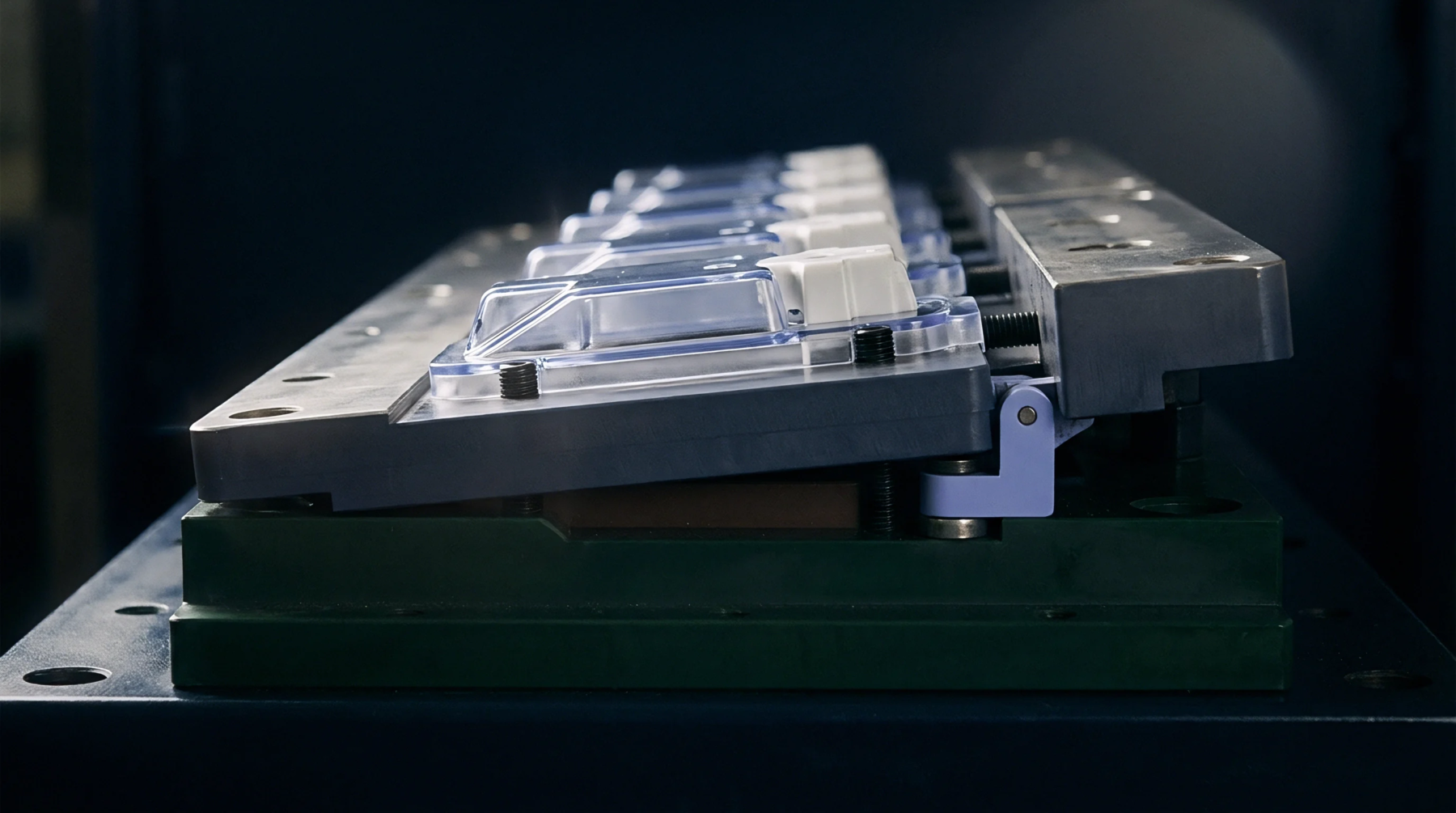
Injection mold land recession requires SPC tracking of shut-off steps to schedule laser micro-welding before parting line wear causes flash.
Hardened shutoff land profilometry establishes baseline surface texture to quantify parting wear and prevent flash in injection molds.
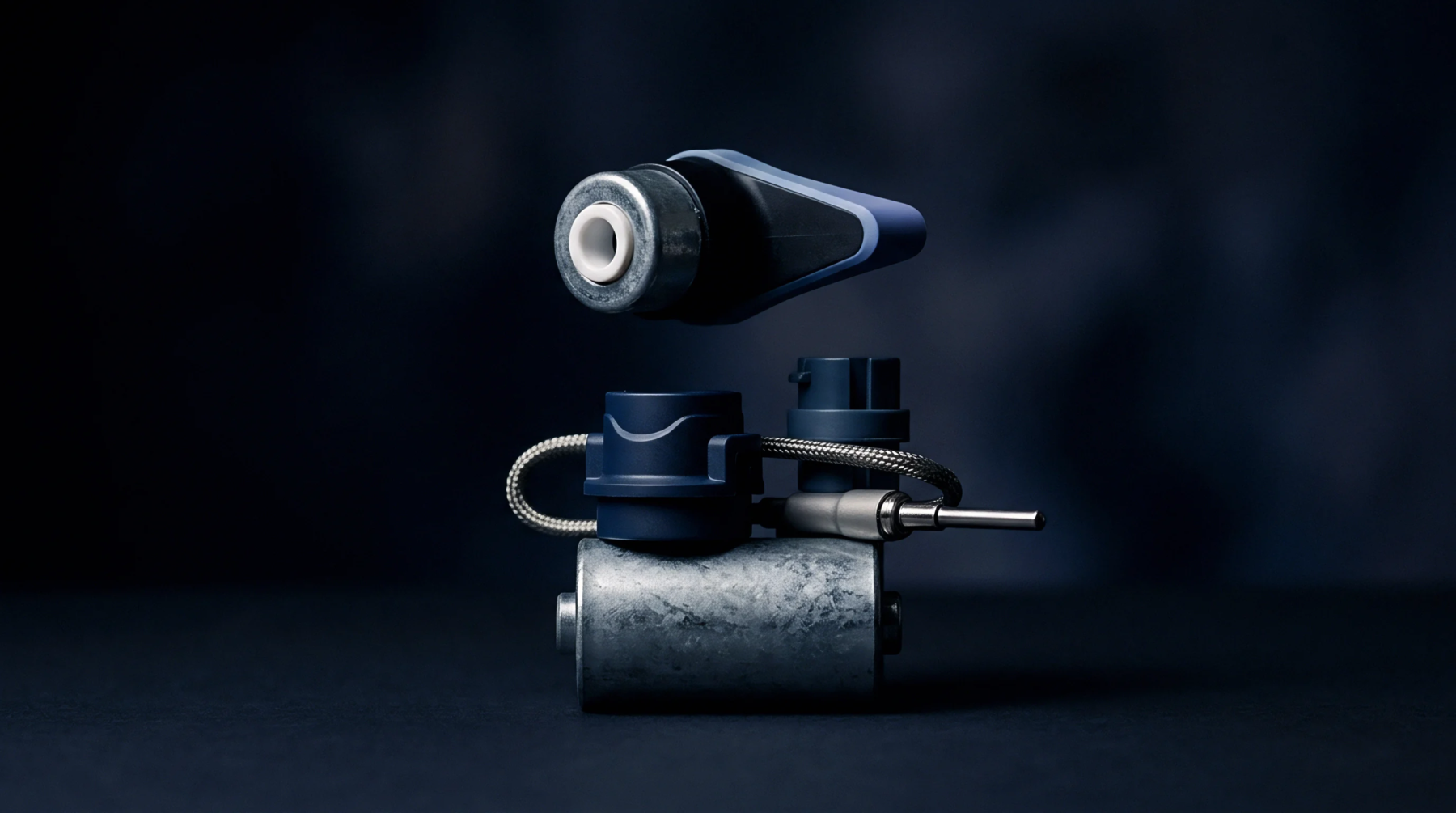
Cavity sensor integration requires rigid pocket machining, protected wire routing, and direct melt placement to decouple press dynamics from part tolerance.

Stepped packing pressure profiles decay holding force to match gate solidification, preventing secondary shear flow and mitigating glass fiber alignment warpage.

Optimizing tool steel grain homogeny and micro-milling shear kinematics yields sub-100nm Sa channel surfaces, preventing mmWave signal attenuation.

Calculate multi-cavity dimension drift by subtracting thermal steel plate expansion profiles from localized polymer shrinkage values across operating temperature zones.

Foreign tooling assets used for production abroad demand accurate assist value declaration on part entry and permanent steel ownership plates on the mold.

Foreign bailment registration requires permanent steel identification tags, regional customs filings, and explicit non-title contracts before offshore tooling entries.

Volumetric areal parameters predict gate wear before profile roughness detects steel loss, preventing tool failure in glass-filled polymer injection molding.
Harmonizing statutory factory liens demands pre-filed property registrations, direct bailment agreements, and press-side asset engravings before shipping steel.
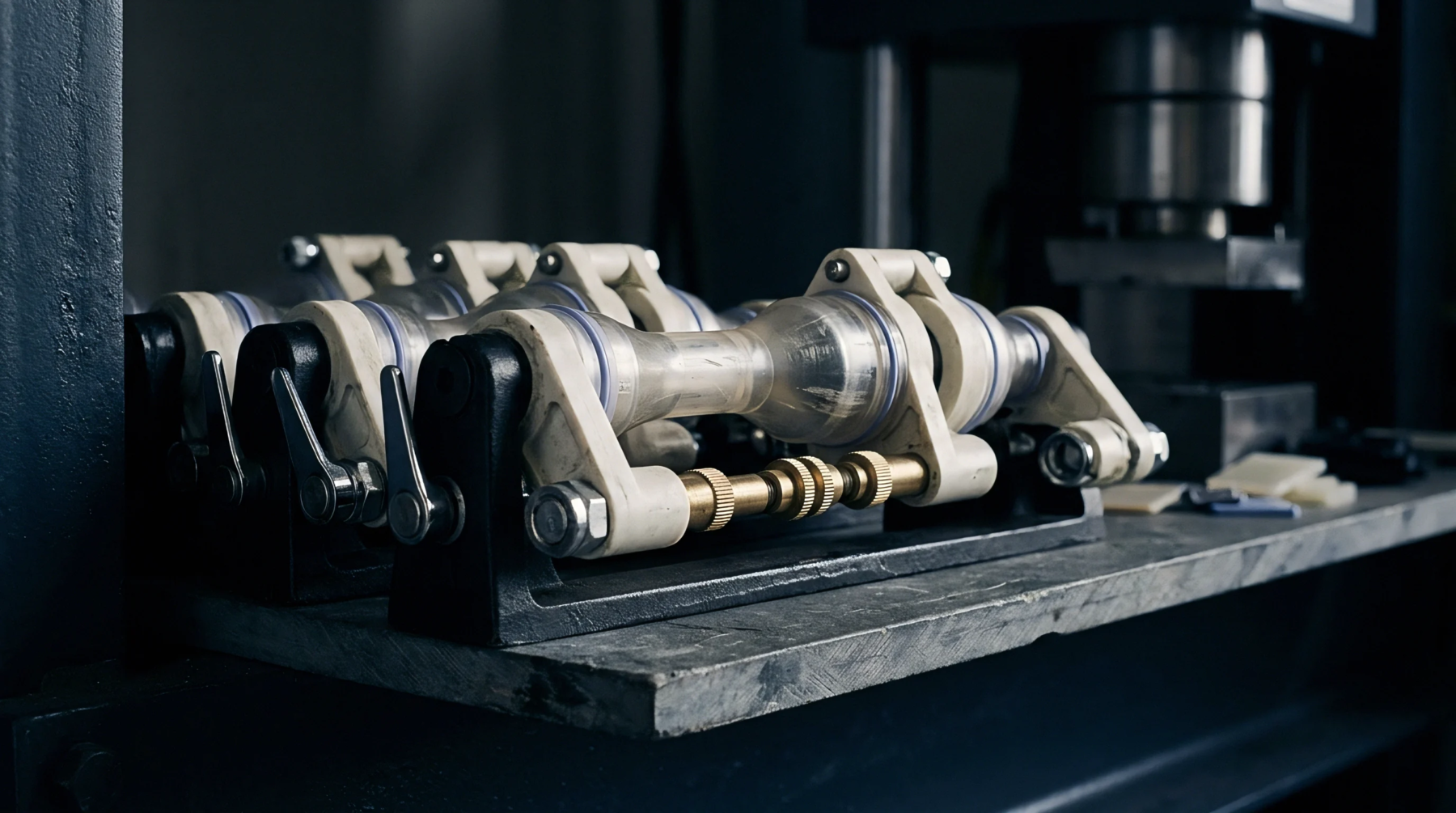
Textured mold cavity thermal resistance stems from trapped micro-air gaps, reducing interfacial heat transfer coefficients down to 800 W/m²K and extending cooling cycle duration.

Synchronized micro-cavity sensor arrays eliminate undetected fill imbalances and reduce scrap in micro-moulding tools by replacing complex wire harnesses with RF slot waveguides.
Expertise is a utility, not a secret. sentiention™ publishes its working knowledge as open reference: intelligence layer covering the materials it sources, the markets it enters, and the reference that serves both.