Injection Mould Bailment Agreement Drafting and Perfection Mechanics
Perfecting tool ownership requires physical steel tagging, precautionary security filings, and explicit maintenance covenants to preserve recovery rights.

Title

Bailment Characterization in Precision Tooling Contracts
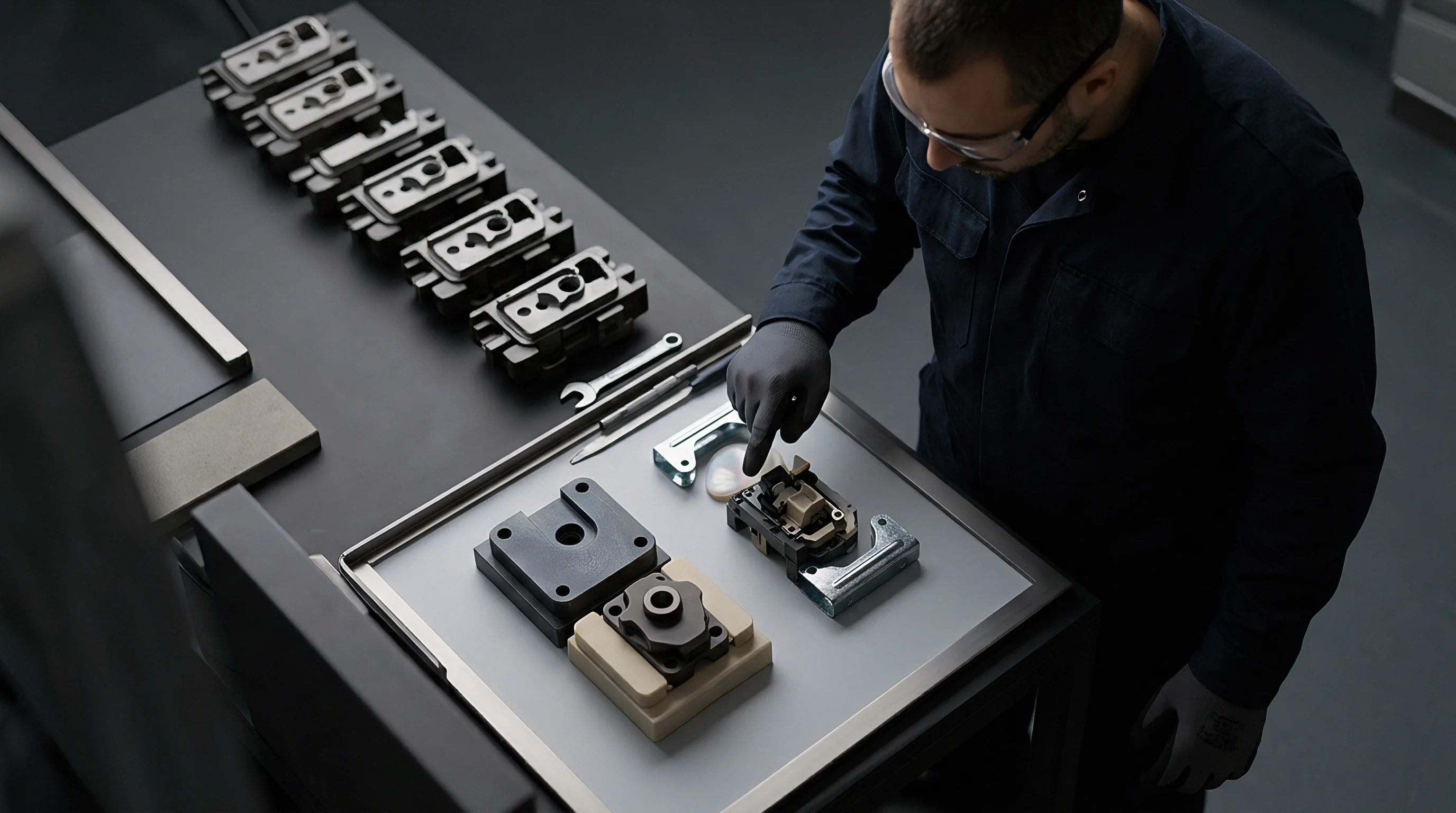
Ownership of injection moulding tooling stays with the bailor, even while the press operator maintains physical custody throughout production runs. A bailment contract clearly separates legal title from temporary operational control. When buyers fund P20 or H13 steel core and cavity sets, purchase documentation frequently mislabels the deal as an ordinary supply purchase.
That ambiguity leaves the buyer vulnerable to the moulder’s secured creditors, who often treat unsegregated tooling as plant equipment covered by blanket liens.
A sound bailment instrument must define exactly when title transfers from the toolmaker to the bailor. Standard practice ties title transfer to written acceptance of first article inspection reports and dimensional qualification protocols under DIN 16742. Delaying transfer until the tool is amortised across part piece-prices turns the agreement into an unperfected conditional sale.
If the bailor has not registered its ownership in local registries, secured lenders to the moulder can claim priority over amortised tooling.
Distinguishing Tool Purchase Contracts from Equipment Leases
How tooling invoices are structured financially determines whether commercial courts classify the agreement as a true bailment or an operating lease. A true bailment involves no rental payments for the steel; the bailee earns its compensation strictly through part margins on production runs. Charging periodic lease fees for the tool triggers statutory requirements under Uniform Commercial Code Article 2A or equivalent international personal property leasing frameworks.
Bailment contracts restrict the bailee’s use of the tool strictly to approved purchase orders. Custody is granted solely to fill authorized production releases. If an agreement lets the press operator run third-party work on the tooling, courts reclassify the relationship as a commercial lease or joint venture, depriving the bailor of straightforward repossession remedies in bankruptcy.
Title passes upon written acceptance.
Standard bailment drafting includes a specific ownership reservation clause stating: “Title to the tooling, including all core inserts, hot runner manifolds, slides, and cooling channels, remains exclusively with the Bailor throughout the term of custody, and no physical possession by the Bailee shall operate to create any security interest, lien, or equity of ownership in favor of the Bailee or its creditors.”


Mark
Physical Tagging Mechanics on Hot Runner and Tool Base Assemblies
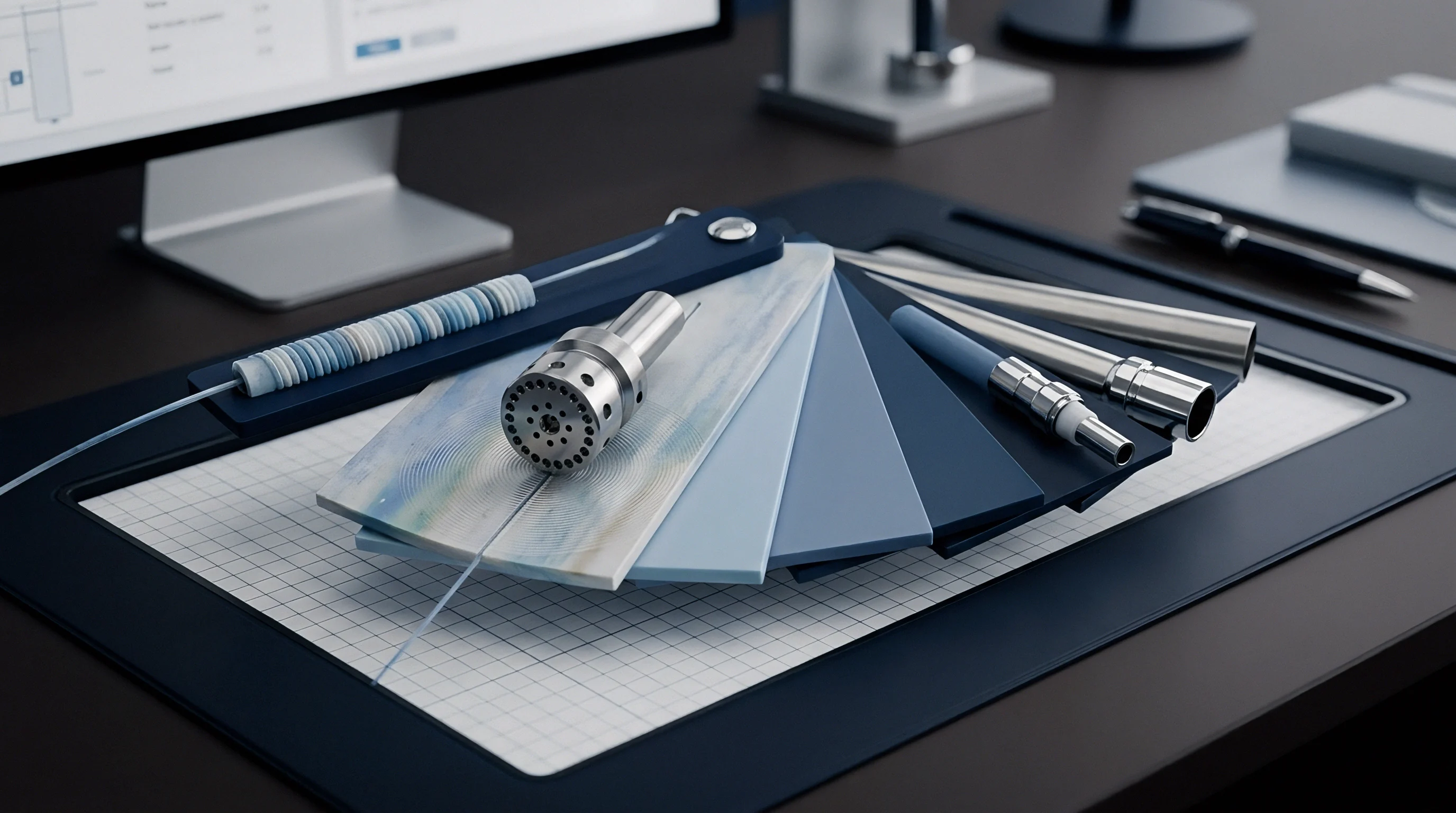
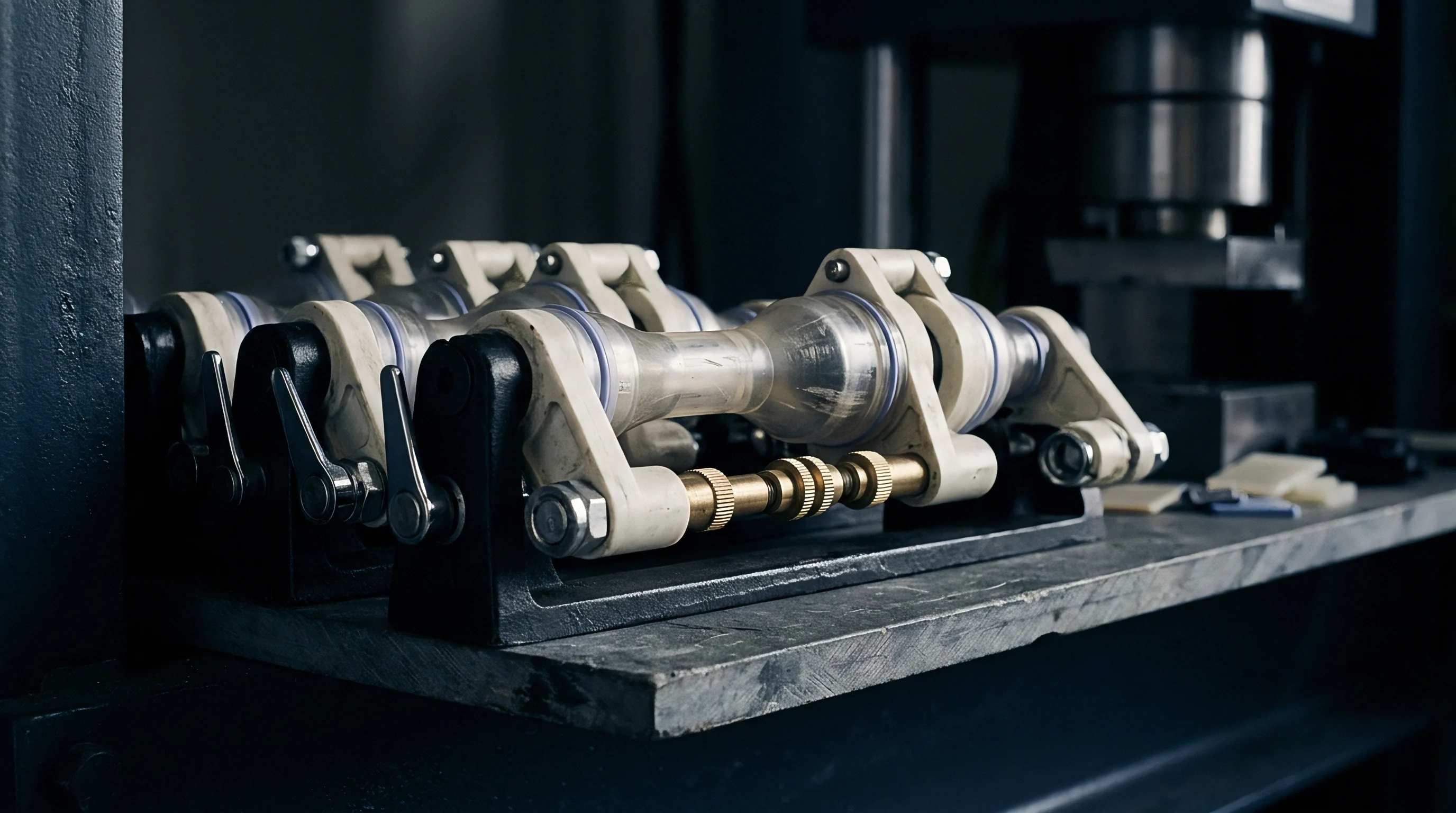
Establishing clear physical evidence of ownership requires permanently attaching metal identification plates to non-wearing external faces of the mold frame. Press operators check these plates during setup to confirm ownership before mounting the steel into press platens. Tagging specifications should set clear attachment standards so plates are not removed, painted over, or degraded by heat during long moulding runs.
Adhesive-backed plates inevitably fall off under thermal cycling, solvents, and press washdowns. Riveting or bolting a 316 stainless steel plate into a machined pocket on the operator-side flange ensures permanent physical notice. The plate must list the bailor’s corporate entity name, address, tool ID code, asset tag number, and an explicit declaration of bailment.
Laser Engraving and Deep Stamping Specifications for Asset Proof
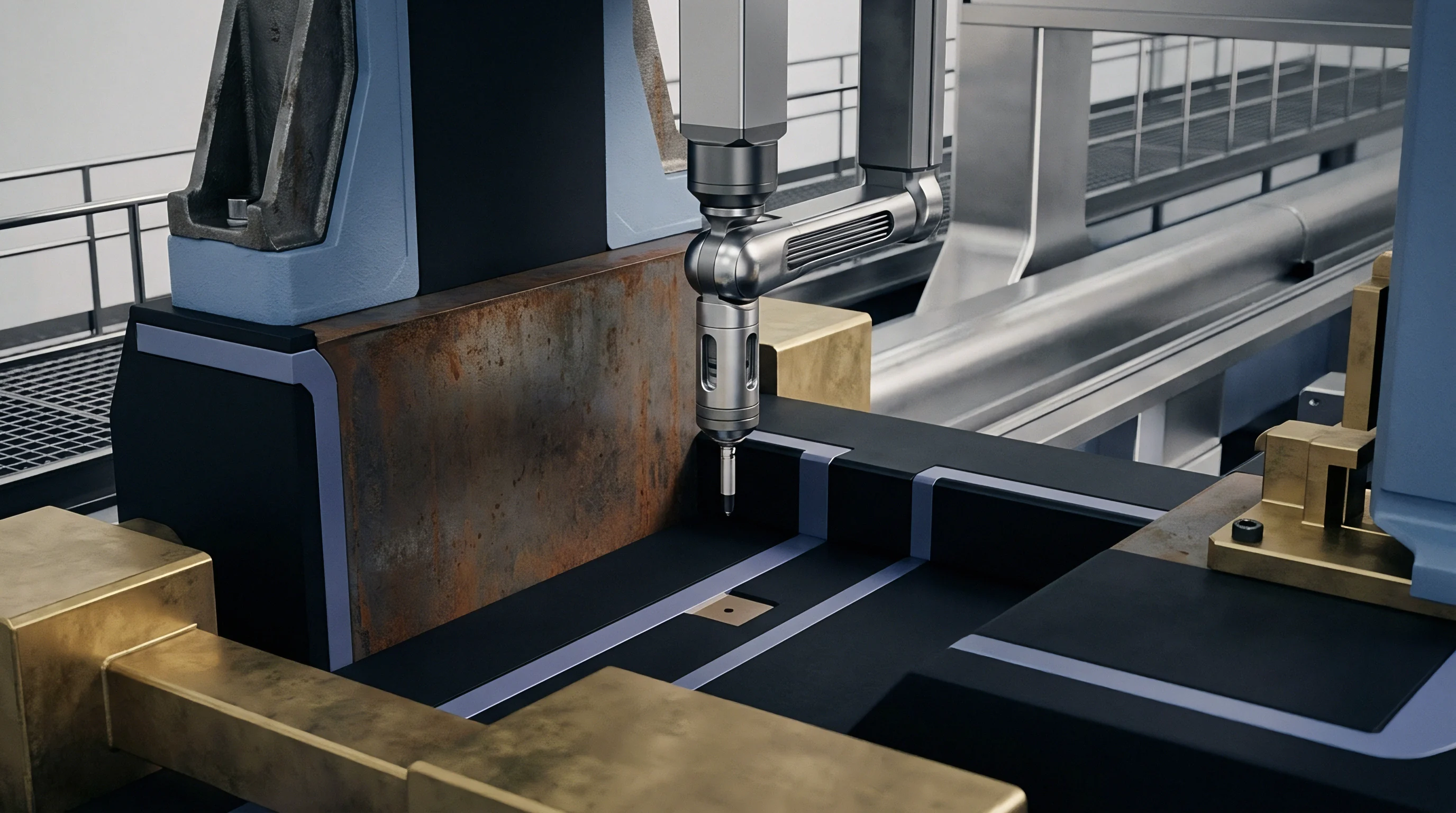
Engraving asset markings straight into structural steel removes any risk of plates coming loose during transit or maintenance. Toolmakers use CNC laser engraving or mechanical punch stamping on the P20 mold base or hard H13 cavity blocks before heat treatment. Stamping to a depth of 0.5 millimetres keeps markings readable even after aggressive surface polishing, sandblasting, or chemical cleaning.
Laser engraving hot runner manifold blocks ensures sub-assemblies remain traceable when taken apart for maintenance. Identification on internal components keeps the bailee from replacing worn core pins or cavity inserts with substandard parts during repairs. Stamped serial numbers on core blocks should match the asset numbers listed in the master bailment inventory ledger.
| Identification Method | Attachment Protocol | Machining Location | Evidentiary Value in Insolvency |
|---|---|---|---|
| Riveted Stainless Plate | 316 Stainless screws into machined pocket | Operator side clamp flange | High; visible during facility audits |
| Direct Laser Engraving | Fiber laser to 0.3mm depth | Top clamp plate exterior | Maximum; permanent steel alteration |
| Deep Mechanical Stamping | Impact stamp to 0.5mm depth | Core and cavity plate parting faces | Maximum; survives tool refurbishment |
| RFID Metal Transponder | High-temp epoxy in counterbored pocket | Non-magnetic tool frame edge | Moderate; requires reader verification |
A 1.5 millimetre stainless steel tag secured with recessed socket-head cap screws on the operator side tool clamp flange withstands thermal cycling to 180 degrees Celsius without detaching.
Tags require stainless backing plates.
Failing to mark the steel frame with explicit bailment notices allows third-party creditors to claim the tool as unencumbered factory asset during physical seizures.

Filing
How Does UCC Article Nine Protect Tooling in Bailee Insolvency?
Perfecting property claims through registry filings keeps third-party creditors from liquidating customer tooling if a supplier goes bankrupt. In the United States, Uniform Commercial Code Article 9 provides the framework for bailors to protect their assets against competing claims. Filing a precautionary UCC-1 financing statement establishes public notice of ownership without conceding that the transaction is a secured loan.
The bailor files the UCC-1 statement in the state or jurisdiction where the bailee is incorporated. The collateral description must specify tool numbers, mold drawings, cavity counts, part numbers, and actual physical locations. Using the phrase “Precautionary Bailment Filing regarding Customer-Owned Tooling” safeguards primary title claims while securing secondary priority if a court reclassifies the bailment as a consignment or conditional sale.
Precautionary Statements and Commercial Code Compliance
Public filings must strictly match statutory requirements for corporate debtor names. Listing an informal trade name or incorrect corporate suffix invalidates the filing under UCC Article 9 search rules. The bailor should search official state registers to confirm the moulder’s exact legal name before filing.
Outside UCC jurisdictions, equivalent personal property registers provide similar protections. In Canada, filings under the Personal Property Security Act secure the bailor’s interest if completed before the tool is delivered. In European civil law jurisdictions, protection depends on notarized bailment agreements and registration with local commercial courts.
Public filings require exact legal names.
Unperfected liens lose priority.
Timing is critical when making precautionary filings. Consider a buyer shipping a 4-cavity hot-runner injection mould valued at 120,000 USD to a contract moulder in Ohio. Completing a UCC-1 filing 10 days before delivery perfects the claim the moment the tool hits the shop floor, defeating any prior blanket liens held by the moulder’s bank.
Waiting until 30 days after delivery leaves the tool exposed to senior bank liens established under existing blanket security agreements.
Standard UCC filings expire after five years unless the bailor submits a formal continuation statement during the six-month window before expiration.

Covenant

Preventative Maintenance Protocols and Wear Allocation
Operational covenants define where routine press maintenance ends and major core refurbishment begins. Agreements typically require the bailee to perform preventative maintenance based on shot counts. The moulder tracks cycle counts, lubrication, parting line cleaning, grease flushes, and ejector pin checks in a dedicated log tied to the tool serial number.
Responsibility for wear and tear depends on expected component life. Routine wear on parting lines, ejector pins, slide bushings, and cooling seals is built into the moulder’s piece-price processing costs. On the other hand, core cracking, runner block erosion, structural fatigue, or cavity damage from clearing flash with steel scrapers is classed as bailee negligence and repaired at the moulder’s expense.
Tool Alteration Limits and Unapproved Cavity Engineering
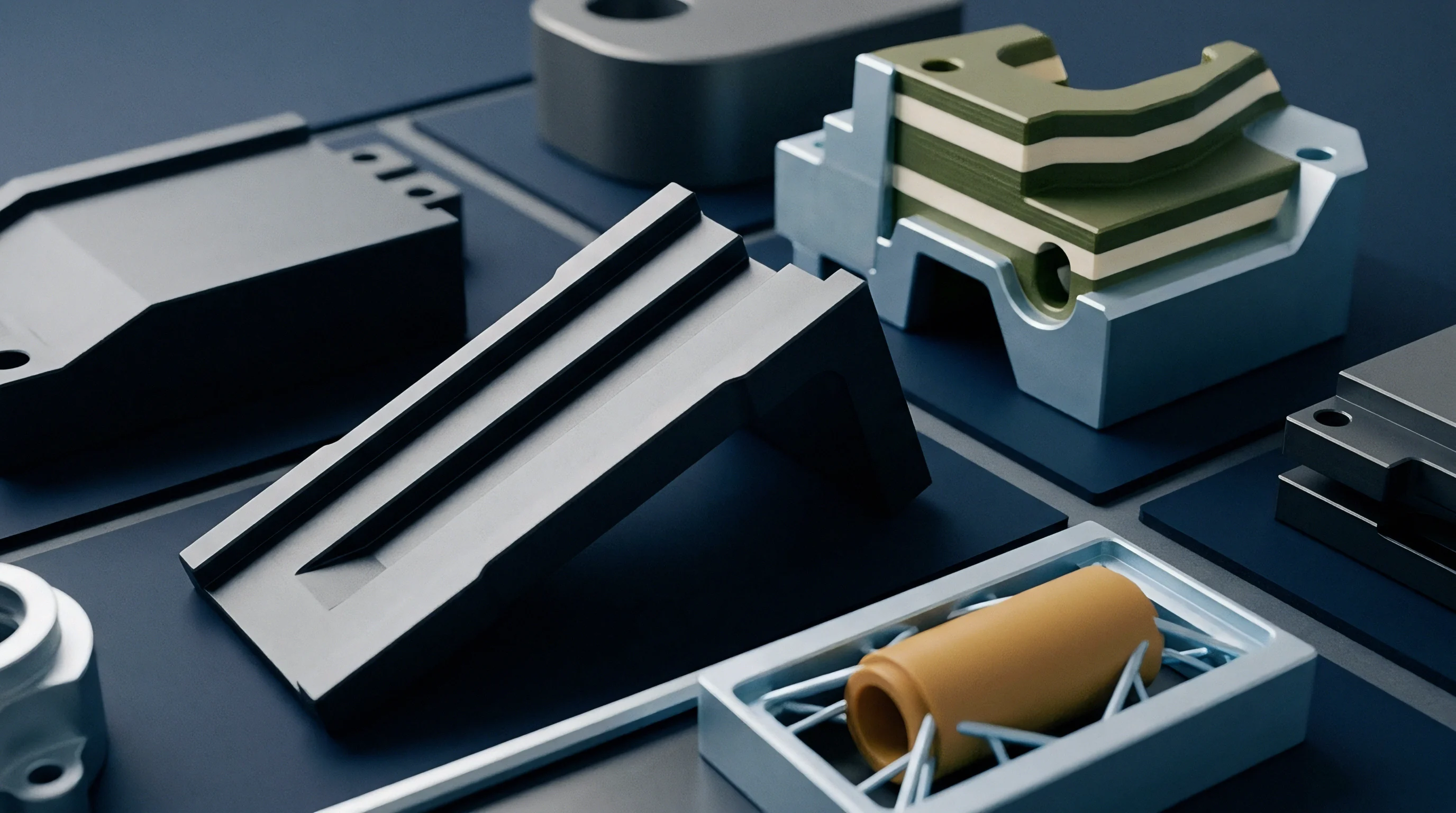
Unapproved steel alterations by press operators ruin part tolerances and void tool warranties. Bailment terms must forbid grinding, EDM burning, gate resizing, or wall thickness changes without prior written consent and signed CAD updates from the bailor. Contracts should stipulate liquidated damages for unauthorized modifications that compromise the tool.
Written consent prevents unauthorized tool modification.
Standard bailment terms assigning routine preventative maintenance to the bailee transfer cleaning costs and O-ring replacements to the press operator while preserving structural steel replacement for the bailor.
The contract incorporates detailed operational covenants to govern daily press-side management:
- Unrecorded Cavity Modifications ~ Unilateral alteration of gate geometry or parting line relief by press setters without engineering change orders voids dimensional guarantees.
- Shot Count Deficits ~ Operating tools past scheduled maintenance intervals without executing pin lubrication or slide polishing causes mechanical galling on precision guiding components.
- Subcontractor Location Transfer ~ Moving the steel frame to an unauthorized third-party machine shop for polishing or repair waives bailment protections and exposes assets to secondary subcontractor liens.
- Inadequate Tool Storage Conditions ~ Storing mold bases in high-humidity ambient environments without applying protective anti-rust coatings causes pitting on polished A2 cavity surfaces.
“The flash on the parting line required immediate press-side grinding to maintain cycle times, so shop setters modified the shut-off angles without delaying production.”

Repossession

Navigating Insolvency Stays and Judicial Extraction Orders
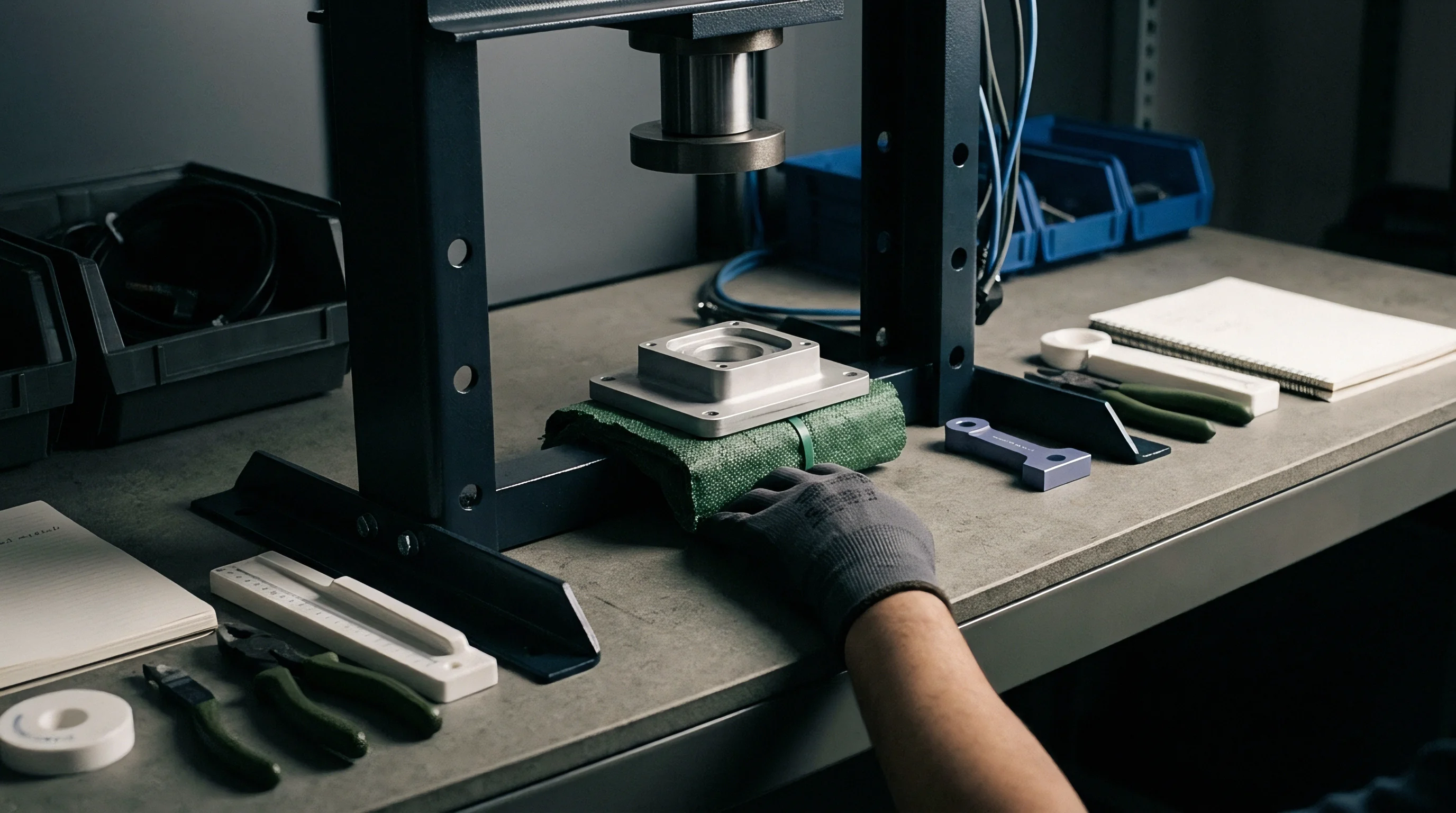
Retrieving tooling from a financially distressed plant requires explicit entry rights and airtight ownership records. When a moulder files for bankruptcy, automatic stay provisions freeze all equipment on-site. The bailor must file an emergency motion for relief from the stay, presenting perfected UCC filings, bailment contracts, and title records to prove the tool is not part of the bankruptcy estate.
Self-help repossession relies on clear contractual access provisions. A properly drafted agreement allows the bailor or its logistics agents to enter the facility during normal hours to inspect and remove customer-owned tooling after a default. However, physical recovery must still comply with statutory limits against breaching the peace.

Physical Retrieval Mechanics at Bailee Production Facilities
Removing multi-cavity tooling from press platens demands specialized rigging, secure transport, and careful inventory tracking. Logistics teams must ensure that all auxiliary gear ~ including hot runner controllers, temperature control units, end-of-arm tooling, and dedicated spare parts boxes ~ is retrieved along with the main mold base.
Insolvency freezes press-side access.
Local courts enforce physical possession.
| Jurisdiction | Automatic Stay Scope | Self-Help Permissibility | Precautionary Perfection Impact |
|---|---|---|---|
| United States (Chapter 11) | Immediate broad stay on estate assets | Prohibited upon stay trigger without court relief | Accelerates motion for relief from stay |
| Germany (InsO Proceedings) | Court-managed debtor asset administration | Prohibited; requires insolvency administrator consent | Establishes direct statutory separation right (Aussonderungsrecht) |
| Mexico (Concurso Mercantil) | Judicial injunction freezing plant assets | Restricted; requires judicial repossession order | Provides legal proof of third-party ownership to judge |
| United Kingdom (Administration) | Moratorium on asset recovery enforcement | Prohibited without administrator or court permission | Secures priority over unperfected floating charges |
Physical custody of the tool drawings and CAD files simplifies emergency tool transfer to a secondary moulder when primary production stalls.
A systematic recovery protocol ensures comprehensive asset extraction during plant shutdowns:
- Audit of Tool Location ~ Verify exact physical coordinates, press assignment, and operational status of all mold frames prior to initiating formal repossession actions.
- Notice of Bailment Termination ~ Issue formal written termination of custody citing specific monetary or operational defaults under the master agreement.
- Lien Discharge Verification ~ Confirm that local repair shops or toolmaker sub-suppliers hold no outstanding statutory possessory liens for unpaid maintenance invoices.
- Logistics Escort Provisioning ~ Secure heavy machinery riggers, flatbed transport, and security personnel to execute physical disconnect and loading without operational disruption.
How does a court weigh the competing claims of an insolvency administrator seeking to preserve plant enterprise value against a bailor demanding immediate surrender of production tooling essential for downstream supply chains?
Forum

Cross-Border Asset Protection and Choice of Law Selection
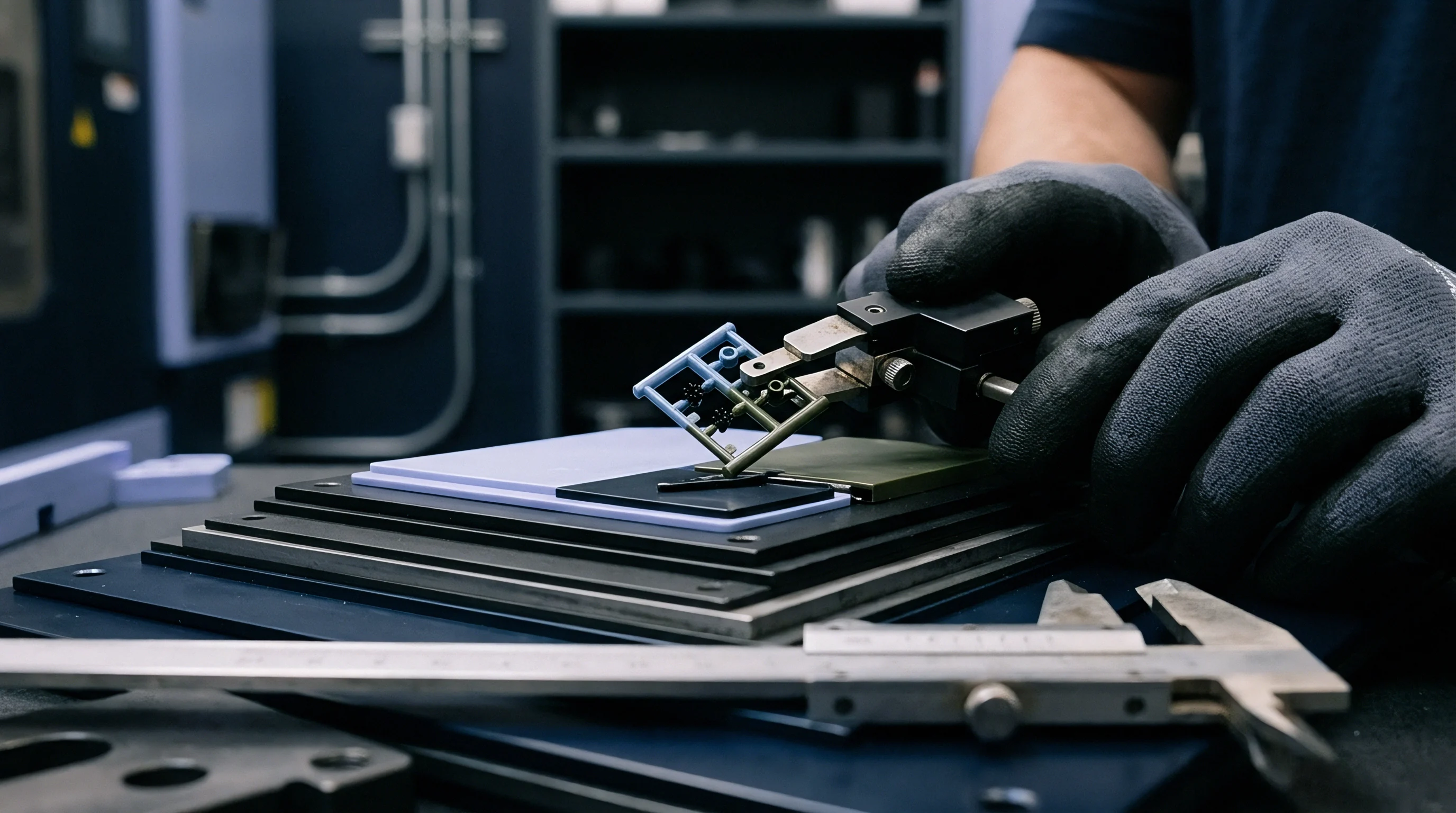
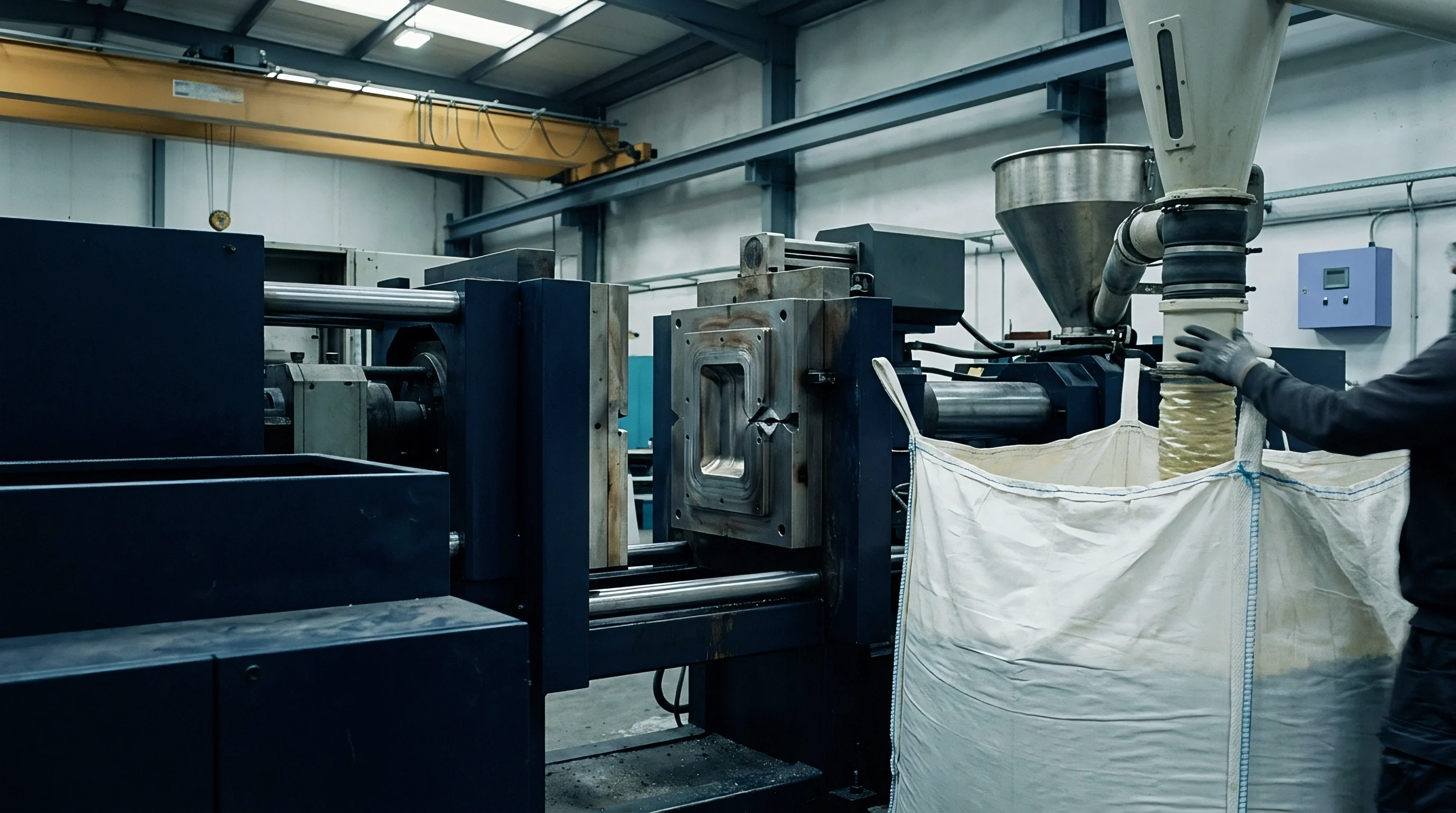
Enforcing bailment terms in foreign courts depends on aligning choice-of-law clauses with local property laws. When sending tooling to contract manufacturers in Mexico, China, or Vietnam, choosing a distant court’s law can make local repossession unenforceable. Local courts almost universally apply the law of the location where the physical steel sits (lex rei sitae) in possessory disputes.
Experienced drafters split governing law provisions, specifying home-country law for commercial contract disputes while submitting to local courts for physical repossession, injunctions, and attachment orders. This dual approach allows arbitration of commercial claims while preserving direct access to local authorities for tool recovery.

Arbitration Execution versus Local Property Seizure Mechanics
Turning an arbitral award into physical recovery requires converting the decision into a local court enforcement order. Although the New York Convention governs foreign arbitral awards across 170 nations, arbitration panels have no officers to physically seize equipment. Winning an award that confirms ownership is useless until local courts issue the order that lets a bailiff or sheriff onto the factory floor.
Foreign courts enforce physical asset recovery faster when local filings explicitly identify the precise GPS coordinates of the manufacturing plant.
Custom hot runners demand spare components.
Cross-border tool perfection requires an ordered sequence of legal and logistical actions:
- Execute a bilingual bailment contract explicitly incorporating local statutory property protection provisions alongside chosen commercial choice-of-law clauses.
- Secure localized notarization, apostille, or consular legalization of corporate authority documents establishing the signatory’s legal power to execute asset transfers.
- Register the bailment notice with local commercial property registries or foreign investment registries in the host manufacturing jurisdiction prior to customs clearance.
- File formal customs export and import documentation identifying the transaction explicitly as a temporary import of customer-owned equipment for manufacturing purposes.
- Conduct bi-annual physical on-site verification audits to confirm tool tag integrity, shot counter calibration, and physical location coordinates within the host facility.
Protecting cross-border bailment rights takes ongoing operational oversight alongside legal filings. Shipping and customs documentation must match the underlying bailment agreement. Inconsistencies between commercial invoices used for customs valuation and internal bailment ledgers risk heavy tax penalties or asset seizure during customs inspections.
Aligning physical tags, public filings, customs forms, and local enforcement mechanisms creates a tight defense against tool loss across international supply chains.