Meaning
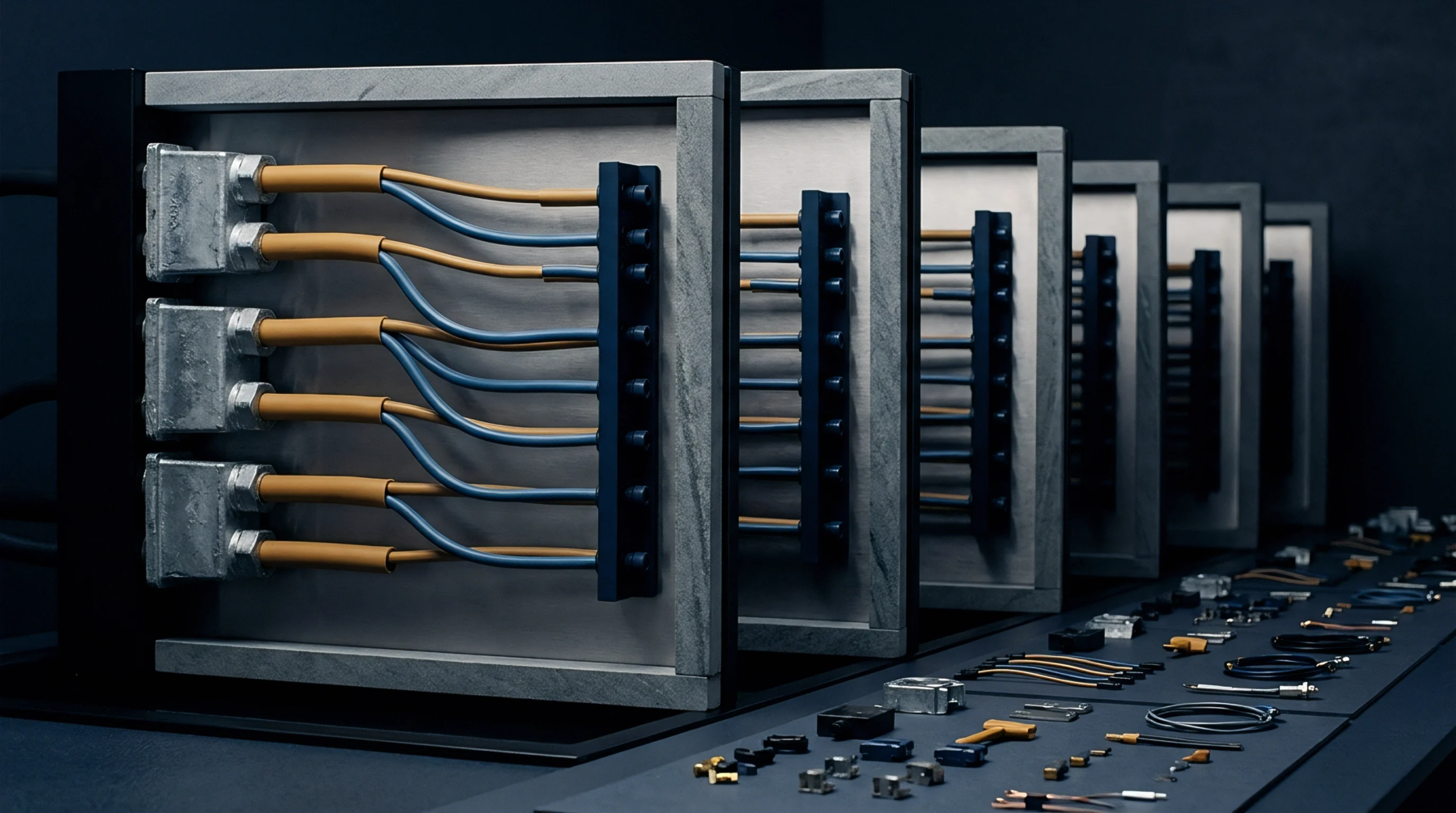
A modular tool component fits into a pocket of a mold base to define the external geometry of a molded plastic part. Machinists use a cavity insert to allow independent replacement of high-wear features or to run multiple part geometries within a single mold base. This approach isolates high-wear areas from the expensive mold frame.
If the molding cycle requires rapid heat transfer, a cavity insert made of copper alloy can be deployed to reduce cycle times.
Mechanical Integration
Precise alignment within the mold plate prevents parting line mismatch and flash during high-pressure injection. The cavity insert must be retained securely using bolts or wedge clamps to withstand the intense clamp force of the molding press. If the pocket has loose tolerances, the insert shifts during injection.
Such displacement results in wall thickness variation across the produced parts.
Material Specification
High-hardness tool steels like H13 or S7 resist the abrasive action of glass-filled resins during the molding process. Choosing the correct steel grade for a cavity insert determines the overall life of the tool before wear degrades the molded part tolerances. Hardened tool steel resists deformation under high clamping forces.
However, it exhibits lower thermal conductivity than copper-based alternatives.
Operational Benefit
Reducing downtime during maintenance represents the primary economic advantage of utilizing modular block assemblies. Maintenance technicians can replace a damaged cavity insert quickly while the tool remains in the press, which avoids removing the entire mold from the machine. This minimizes production losses during high-volume runs of abrasive resins.
It also enables cost-effective repair when high injection pressure causes fatigue cracking around internal corners, avoiding the need for total tool reconstruction. Tool replacement costs fall because only the worn component requires fabrication.