Meaning
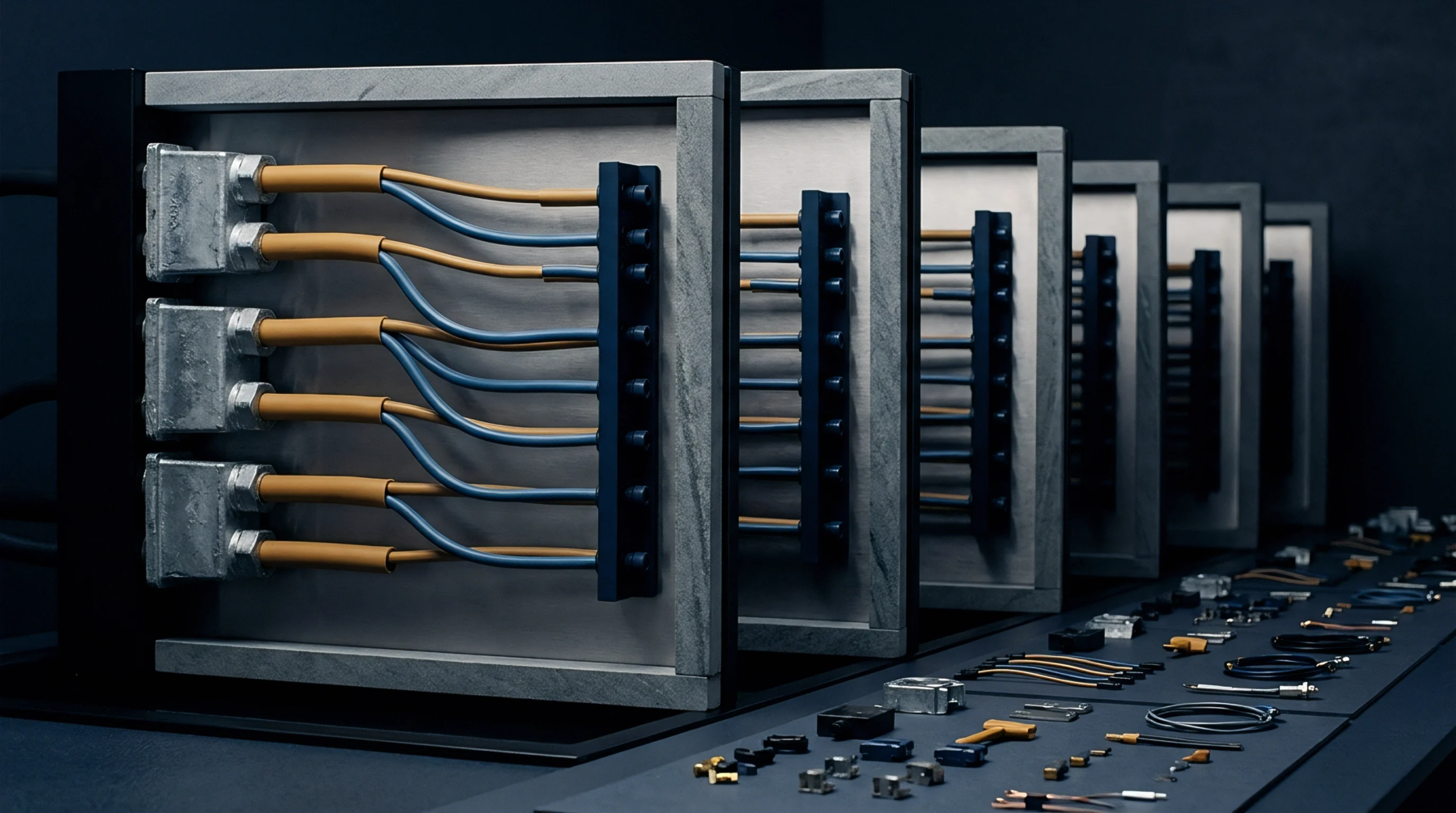
Mechanical arrangement used in overmolding or insert molding to ensure that a metal component is held firmly against the mold surface before the resin enters the cavity. This insert pre load mechanism prevents the high-pressure melt from shifting the insert or flowing underneath it. Stability of the insert is required to maintain the structural integrity of the composite part.
Loading Hardware
Spring-loaded pins or hydraulic actuators typically provide the force needed to secure the component. Without an insert pre load mechanism, the incoming polymer can displace the metal part by several microns. Such displacement causes dimensional inaccuracies and potential scrap.
The force must be high enough to resist injection pressure but low enough to avoid deforming the insert.
Flash Control
Shut-off surfaces rely on this constant pressure to prevent resin leakage. When the insert pre load mechanism fails to provide sufficient force, the melt penetrates the boundary between the insert and the mold wall. This leads to the formation of flash which must be manually trimmed at extra cost.
Proper calibration of the loading force ensures a clean transition between metal and plastic.
Maintenance Requirement
Wear on the mold cavity increases when inserts are allowed to vibrate or move during the cycle. Using a reliable insert pre load mechanism extends the life of the tool by reducing impact damage. Maintenance schedules for the springs and pins are determined by the cycle count and the abrasiveness of the resin.
Consistent loading reduces the risk of fatigue failure in the mechanical components. Long-term production stability relies on these forces remaining constant across thousands of cycles. This prevents the gradual erosion of the shut-off surfaces that leads to tool failure.