Meaning
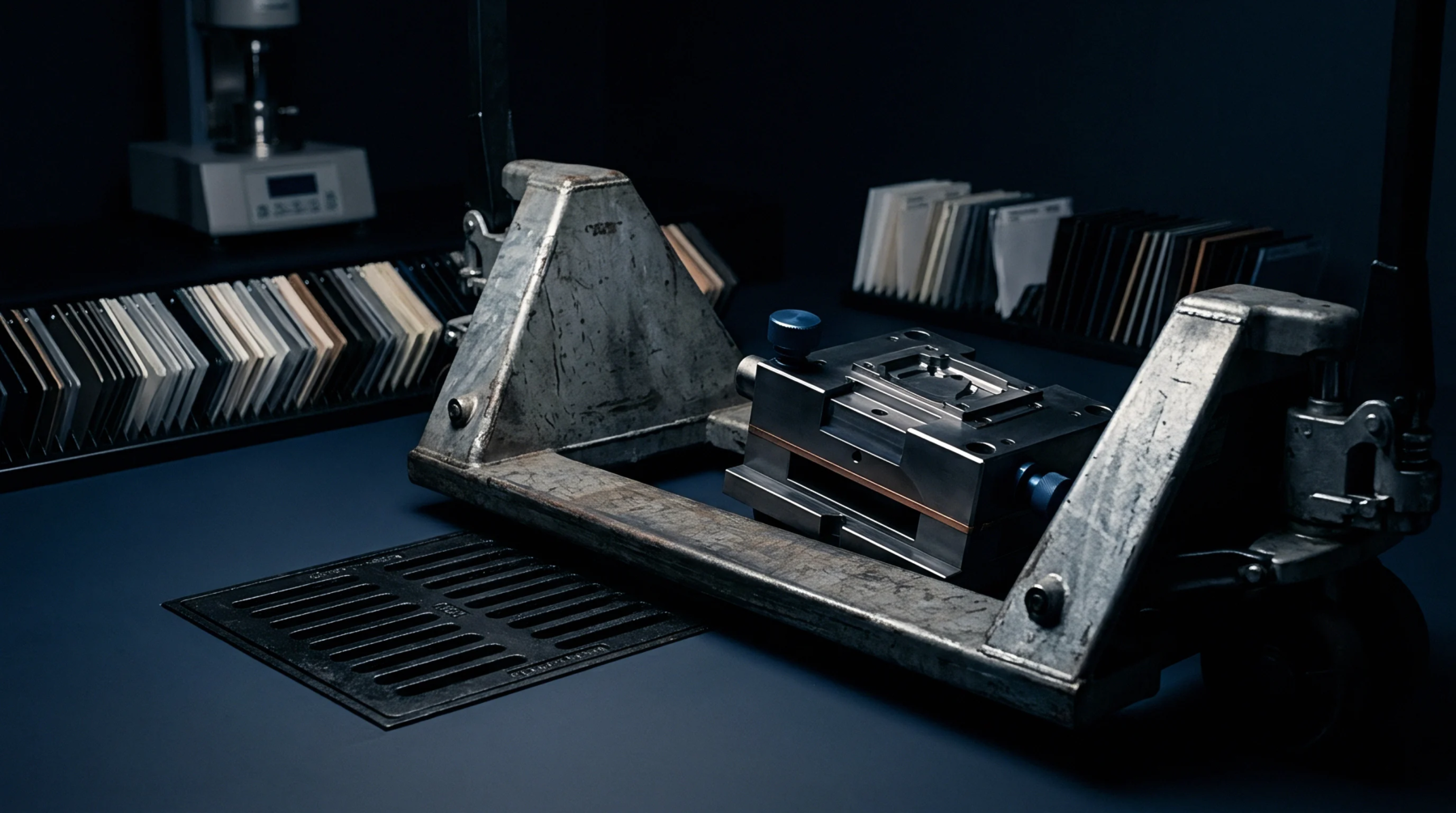
Physical movement of production moulds from one manufacturing site to another involves the relocation of the asset and the associated technical data. A tool transfer occurs when a customer switches suppliers or closes a facility to balance the workload across multiple plants. This process requires the precise alignment of the mould with the new machine specifications to maintain part quality.
It is a standard procedure in the lifecycle of a high-volume plastic product.
Validation Requirement
Consistency in the final product is verified through a formal re-qualification procedure at the receiving plant. Dimensional audits and material testing prove that the new environment produces parts identical to the previous location. This step is necessary to satisfy quality management systems like iso 9001.
A capability study often follows to confirm that the new machine can hold the required tolerances.
Process Adaptation
Differences in the hydraulic response or the screw geometry of the new press require adjustments to the moulding parameters. A process that worked on a high-speed electric machine might need modification when moved to an older hydraulic unit. Technicians use the original setup sheets as a baseline for these changes.
Logistics Management
Preparation for the move includes cleaning the internal water channels and applying a rust inhibitor to the cavity surfaces. Secure packaging prevents damage to the delicate electrical connectors or the protruding water fittings. A successful migration ends with a signed-off production run.