Cross-Border Mould Tooling Ownership Verification Procedures
Cross-border mould ownership verification relies on physically stamped asset tags, steel heat certs, press telemetry logs, and explicit customs assist entries.
Stamp
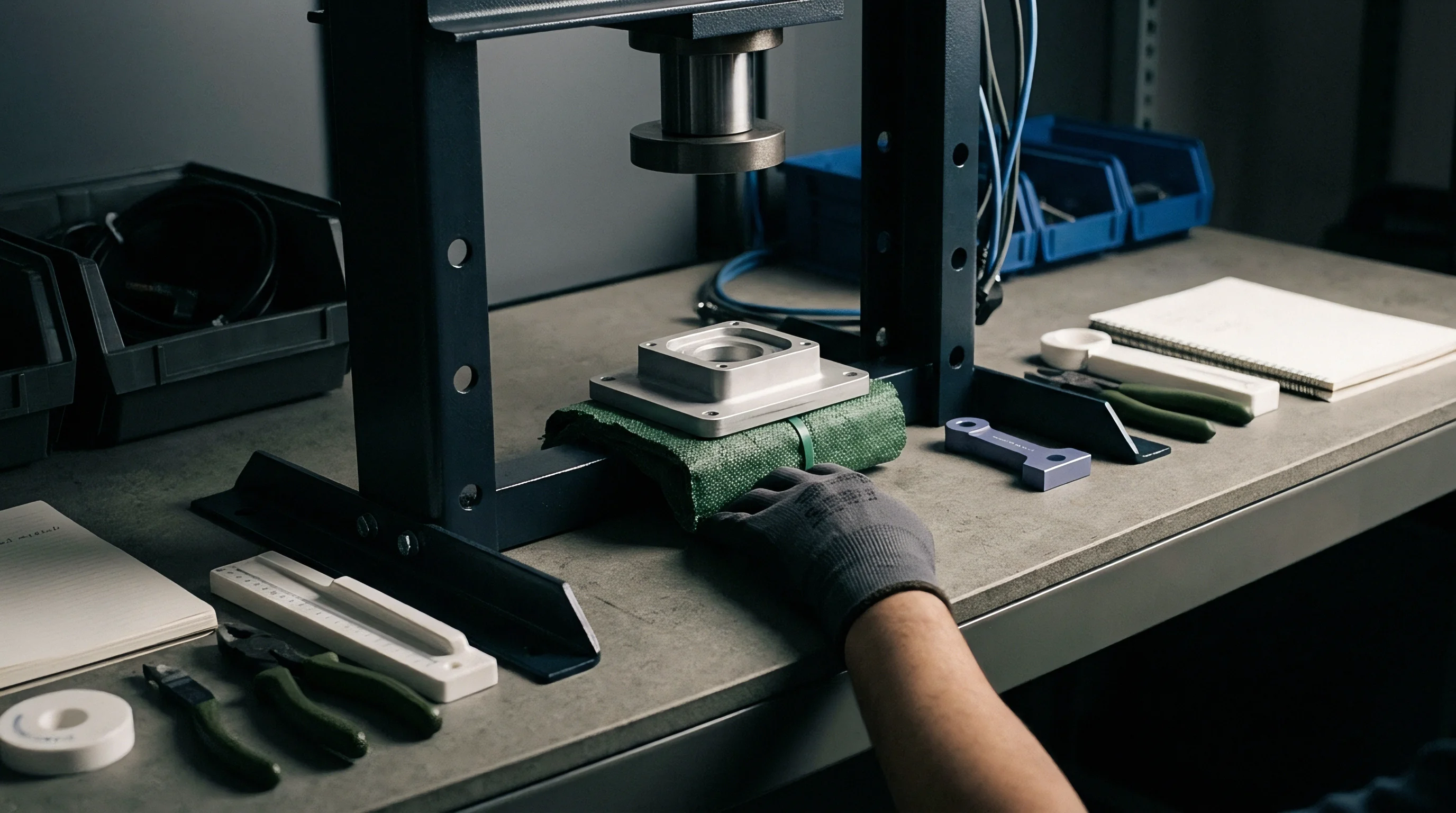
Direct physical marking on tool steel creates an immutable chain of custody between asset register entries and physical mold assemblies sitting in a contract manufacturer’s press bay. When a buyer pays for injection tooling produced overseas, legal title transfers through contract terms, but physical proof depends on permanent, unalterable identifiers machined directly into the mold plates. Without explicit physical tags, foreign courts and customs officials struggle to isolate buyer-owned property from moulder-owned assets during commercial disputes or insolvencies.
Identification practices mandate deep physical engraving on the exterior surface of the mold base. Standard practice applies metal stamps or CNC milling on the non-operator side of the clamping plate. This plate carries the primary asset serial number, buyer corporate name, purchase order reference, and cavity count.
Secondary engraving on individual cavity blocks and core inserts links every removable steel component back to the master tooling specification. Deep vibration marking or 0.5 millimeter milled lettering prevents erasure during surface re-grinding, thermal stress relief, or maintenance polishing cycles.

Physical Steel Markings and Cavity Engraving
Cavity numbering serves both process validation and legal identification. Each molded part leaves the press carrying a raised or recessed code corresponding to the specific cavity insert that formed it. Under ISO 1043 standards for plastic part marking, cavity identification numbers sit alongside polymer material codes and date wheels.
When dimensional variation occurs across a multi-cavity tool running at volume, quality inspectors trace defective parts back to the specific steel insert. For ownership audits, matching the physical cavity mark on a finished production part against the tool drawing package establishes that the physical mold producing parts on the floor is the exact asset funded by the buyer’s capital invoice.
Commercial tool steel grades dictate the depth and method of physical marking. Pre-hardened tool steels like P20 (1.2738) accept direct mechanical punch stamps prior to assembly. High-hardness through-hardened steels such as H13 (1.2344) or S7 require laser engraving or electrical discharge machining (EDM) after heat treatment to avoid introducing surface stress risers.
Tool drawings specify tag placement outside the parting line shut-off areas, preventing flash or structural weakness.
Transponder Integration for High Temperature Mold Bases
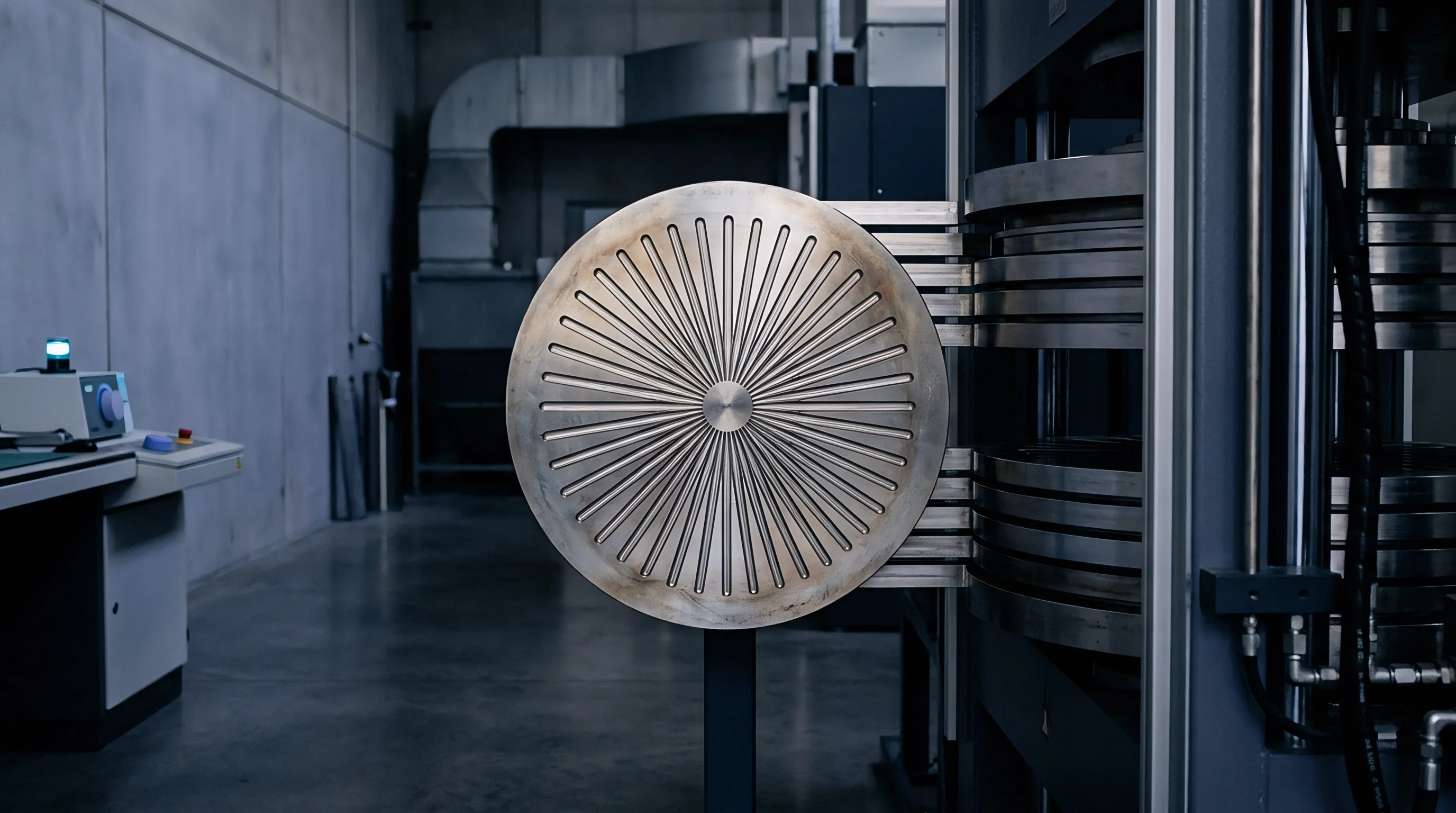
Industrial radio-frequency identification tags designed for tooling applications supplement traditional engraved plates. Metal-mount RFID transponders embedded in milled pockets on the mold frame survive continuous operating temperatures up to 220 degrees Celsius. These tags carry encrypted serial identifiers that sync with digital asset management registries.
Scanning a mold frame with a handheld reader yields the complete maintenance history, shot count log, and ownership pedigree without stopping the injection press.
Tamper-evident physical seals provide immediate visual verification of unapproved mold modifications or unauthorized transfer between facilities. Anodized aluminum seals featuring unique serial numbers bridge the split line between mold halves or cover main assembly bolts. Breaking a seal during press setup alerts the asset owner to potential unapproved disassembly, cavity modification, or unauthorized sub-contracting of production runs to third-party moulding shops.
Omission of physical asset identifiers leaves buyers unable to establish legal possession during customs seizures or moulder insolvencies, resulting in total loss of capital spent on steel fabrication.


Dossier
Documentary records bind the physical steel assembly to legal owner entity tax numbers, design specifications, and metallurgical origins. Ownership disputes often collapse into competing sworn statements unless supported by a complete technical provenance package compiled during tool fabrication. A buyer establishing clear title maintains a complete engineering archive generated at each milestone of tool construction, from steel block casting to T1 sample sign-off.
Metallurgical certificates verify the material grade paid for in the tooling quotation. Steel suppliers issue DIN EN 10204 3.1 inspection certificates accompanying the raw forged blocks delivered to the toolroom. These certificates record chemical composition, hardness values, and ultrasonic test results proving freedom from internal voids.
Matching heat numbers stamped on the raw forged block against the DIN EN 10204 3.1 cert confirms that the mold builder utilized high-grade imported H13 steel rather than low-cost domestic substitutes that degrade prematurely under production thermal cycles.

Material Certification and Steels Traceability
Coordinate measuring machine (CMM) dimensional reports form the baseline for cavity verification. Before tool release from the toolmaker, CMM scans capture critical steel dimensions across three axes. Comparing these physical steel measurements against 3D CAD models verifies that cavity dimensions fall within specified steel-safe tolerances under DIN 16742.
Dimensional records validate that the physical asset matches its engineering intent before installation into a press bay thousands of miles away.
Inspection reports extend to electrode burn logs and EDM erosion records. Precise toolmaking leaves a paper trail of copper or graphite electrode wear tracking files. Storing these records inside the tool dossier establishes complete structural proof of how the cavities were formed, insulating the asset owner against claims by contract manufacturers that core geometries were derived from proprietary internal intellectual property.
| Document Type | Issuing Authority | Verification Target | Ownership Significance |
|---|---|---|---|
| DIN EN 10204 3.1 Cert | Steel Foundry | Chemical heat composition and hardness | Proves raw steel purchasing provenance |
| CMM Steel Inspection Scan | Toolroom QA | Cavity dimensions versus CAD model | Establishes baseline asset geometry |
| T1 Trial Process Sheet | Moulding Shop | Temperatures, pressures, cycle times | Links physical tool to performance data |
| Tooling Tax Invoice | Contract Toolmaker | Payment status and Incoterms delivery | Verifies financial title transfer |
A complete tool build dossier proves ownership before customs auditors faster than a signed purchase order without engineering attachments.

Escrow Requirements for Tooling Geometry
Escrow agreements safeguard native CAD tooling data against supplier insolvency or contract termination. Software escrow agents hold 3D Parasolid or STEP files of the complete mold layout, including water line locations, ejector pin layouts, side-action slide mechanisms, and hot runner manifold schematics. In the event of a commercial breach, the buyer accesses these files to manufacture replacement components or duplicate the tool at an alternative vendor without re-engineering the mold architecture from scratch.
Photographic logs documented during mold teardown validate internal build structures. Prior to shipping the tool from the builder to the production moulder, technicians photograph open mold plates, slide mechanisms, lifters, and cooling channels. Stamping a digital date code and serial tag into each photo creates undeniable evidence of component count and mechanical condition at the time ownership transferred.
Contract moulders frequently claim that release of electrode drawings and native CAD files compromises proprietary toolroom machining methods, withholding technical packages during ownership disputes.

Telemetry
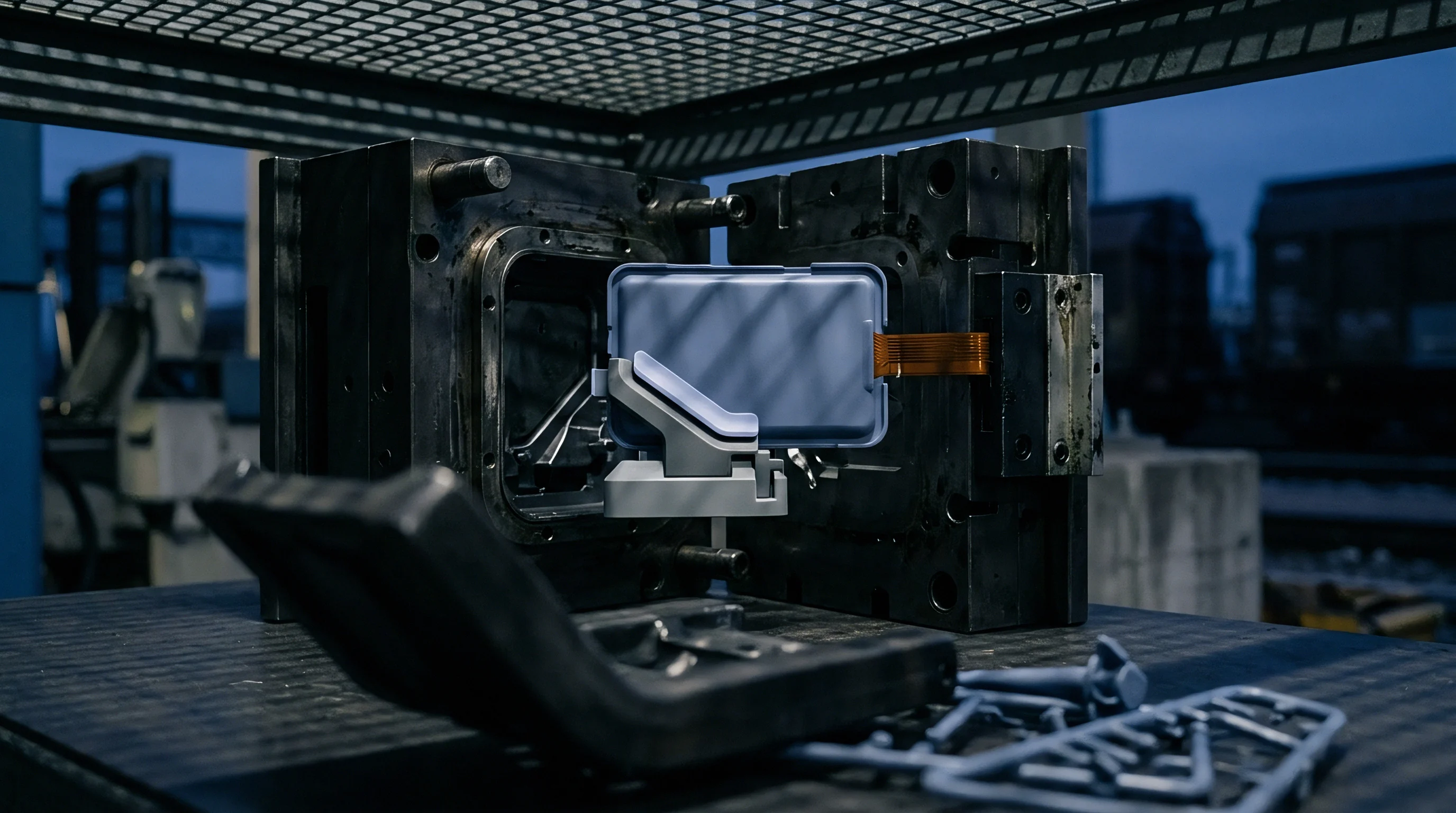
In-press sensor packages and physical cycle logs record actual thermal and mechanical stress accumulated on tool components across production shifts. Verification of physical ownership includes tracking asset consumption, ensuring the tool runs exclusively for authorized production orders and within qualified process windows.
Cycle Counting and Press Side Logging
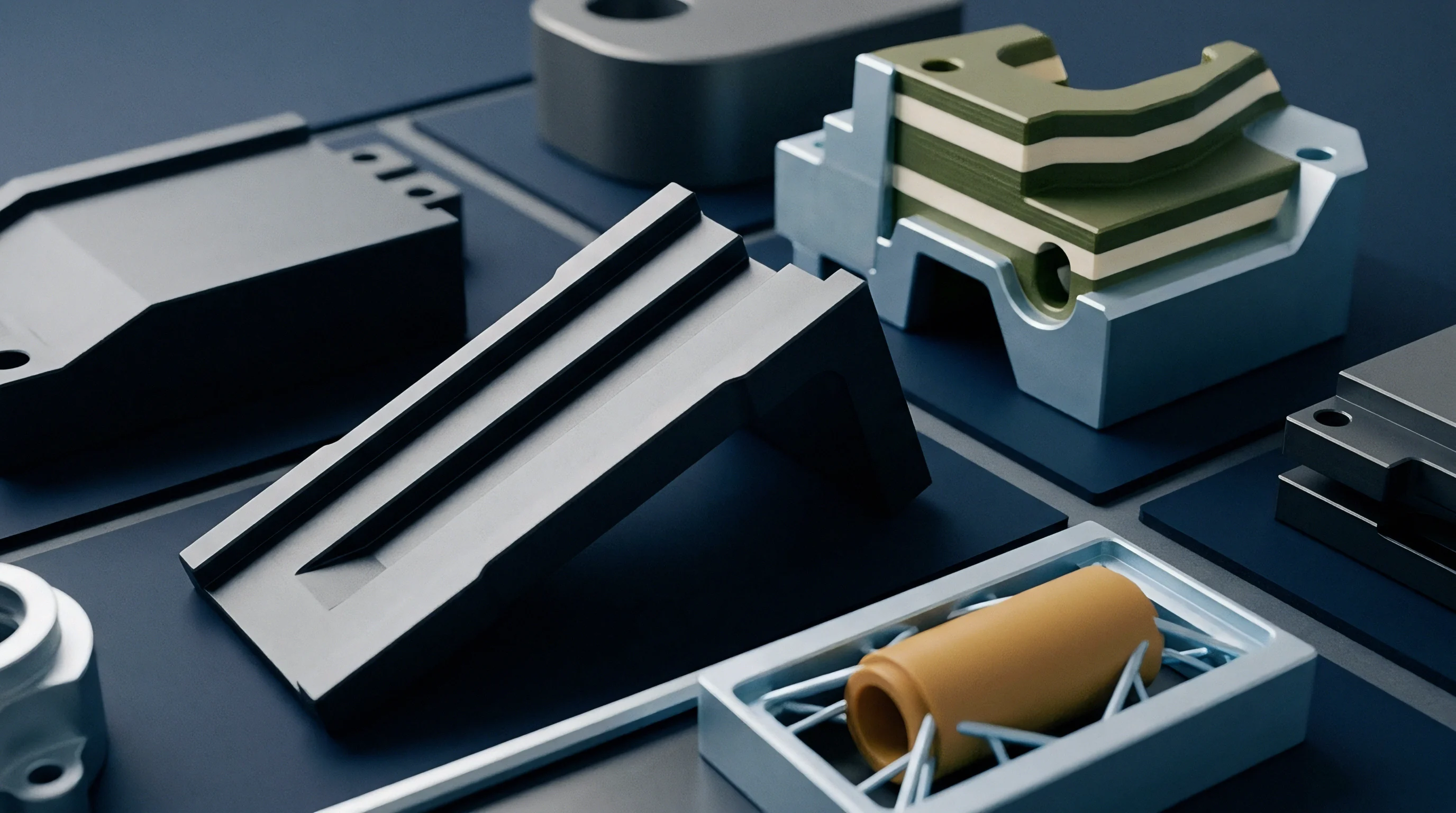
Non-resettable mechanical cycle counters embedded directly within the mold base register platen strokes. Mechanical counters operating via internal plunger actuation cannot be zeroed without destroying the sealed housing. Comparing physical counter numbers against delivered part quantities reveals unauthorized production runs, mold wear rates, and off-shift press utilization.
Advanced digital counters store operational history internally, recording peak mold temperatures, cycle duration distribution, and total operational hours.
- Non-resettable mechanical stroke counters register every platen movement directly on the mold frame to prevent shot log tampering.
- Cavity pressure transducer profiles establish historical processing boundaries for qualification comparisons.
- Platen clamp force records verify operational strain limits applied to parting line shut-off surfaces.
- Cooling circuit flow rates track scale build-up inside internal water channels over extended production cycles.
Under ISO 20753 audit guidelines, unrecorded cavity alterations invalidate the original dimensional qualification baseline and forfeit buyer acceptance.

Wear Verification and Maintenance Audit Traces
Tooling maintenance records track component replacements and modifications throughout the asset lifecycle. SPI Class 101 molds guarantee one million production cycles when maintained under specified lubrication and cleaning protocols. Maintenance logs document core polishing, guide pin bushing replacements, seal installations, and surface re-coatings.
Moulders must provide signed maintenance logs during asset audits to demonstrate compliance with preventive maintenance schedules paid for within piece-price allocations.
Condition audits measure steel erosion against baseline qualification samples. Polycarbonate, glass-filled nylons, and flame-retardant polymers induce abrasive and corrosive wear on cavity walls and gate entrances over time. Measuring gate dimension enlargement via optical comparator verifies whether the tool remains within its useful operational lifespan or requires refurbishing funded by the moulder under warranty commitments.
Shot counter logs verified against scrap rates show tool wear faster than visual inspection of parting lines.


Tariff
Cross-border logistics and tax regulations treat physical tooling assets under distinct valuation mechanisms based on payment structure and transfer methodology. Import authorities closely scrutinize tooling utilized in foreign manufacturing facilities to produce finished goods imported back into the asset owner’s home jurisdiction. Misdeclaring tooling values or failing to account for tooling assists results in severe administrative fines and delayed import clearances.

Which Customs Value Applies during Tool Transfer?
Customs assist regulations under World Trade Organization rules dictate that buyers supplying tooling to foreign manufacturers must declare the value of that tooling to customs authorities upon importing the finished parts. If a buyer pays 100,000 USD to build a mold overseas and supplies it to a foreign contract vendor, the value of that mold constitutes a tax assist. This assist value must be apportioned over the imported production parts, increasing the duty valuation per unit.
Failure to declare assists constitutes customs fraud in most major jurisdictions.
Importers select between two primary duty allocation options for tooling assists. The entire tooling cost can be allocated to the first production entry, concentrating duty liabilities on the initial shipment. Alternatively, the asset owner amortizes the tooling value across a predetermined, documented production run.
Customs authorities mandate that chosen amortization schedules align with realistic sales projections and accounting depreciation schedules.
| Sourcing Structure | Tool Upfront Cost | Customs Assist Declaration | Duty Assessment Base |
|---|---|---|---|
| Direct Buyer Owned | 100 Percent Paid Upfront | Mandatory full assist filing | Part price plus amortized tool value |
| Amortized Piece Price | Zero Upfront Invoice | Not applicable as assist | Full piece price inclusive of tool charge |
| Temporary Export Bond | Paid in Origin Country | Temporary Import under Bond (TIB) | Zero duty on steel, duty on repair value |
Consider a practical cost calculation for an imported automotive bracket molded in China and shipped to the United States under HS Code 8480.71.80 rules. Take a buyer paying 120,000 USD upfront for a 4-cavity Class 101 mold built in Shenzhen. The contract commits to a first-year production volume of 200,000 units at a unit piece price of 2.50 USD.
The import duty rate for the finished plastic part stands at 3.7 percent.
Under a full assist declaration amortized over the initial year, the buyer calculates the added assist value per part by dividing 120,000 USD by 200,000 units, yielding 0.60 USD per unit. The adjusted customs entry value rises from 2.50 USD to 3.10 USD per part. The duty per unit increases from 0.0925 USD to 0.1147 USD.
Over the 200,000 unit run, total duty obligations rise by 4,440 USD. Omitting this calculation risks customs penalties up to twice the domestic value of the merchandise plus unpaid duties upon post-entry audit.
Amortizing a 120000 dollar tool into part unit prices without declaring assist values causes customs penalties reaching double the unpaid duty amount under cross-border audits.

Duty Amortization Mechanics for Moulded Parts
Temporary import procedures facilitate tool relocations across borders without triggering permanent sales tax levies. The ATA Carnet system permits international transit of tooling for testing, trials, or short production demonstrations across participating nations for up to twelve months without paying import duties or taxes. For permanent relocations between manufacturing facilities, applying Temporary Importation under Bond (TIB) defers duty payment while the asset remains under customs supervision.
Harmonized System (HS) classifications govern physical mold transport. Injection molds for rubber or plastics enter under HS Code 8480.71. Accurate customs entry documents list physical characteristics, cavitation counts, mold weight, and overall steel dimensions to match commercial invoices against freight manifest entries during physical border inspections.
Incorporating Incoterms 2020 DDP clauses alongside explicit assist valuation addendums obligates the buyer of record to report full tooling costs to tax authorities before physical shipment.
Repossession
Extracting physical steel from a foreign supplier’s facility requires specific contractual structures that override local statutory retention rights. Moulders often claim commercial liens over tooling assets during billing disputes, refusing physical access to transport logistics teams until disputed invoices are settled in full.

Bailment Structure and Lien Waiver Enforceability
Bailment contracts separate asset ownership from physical custody. Establishing a clear bailment relationship confirms that the contract moulder acts strictly as a bailee possessing the tool solely to produce parts for the bailor (the buyer). The contract explicitly states that possession does not convey title, equity, or lien rights to the moulder.
Bailment structures prevent local courts from treating the mold as an asset of the moulder’s estate during bankruptcy proceedings.
Lien waivers release statutory claims over buyer-owned property. Moulders sign unconditional lien waivers upon receiving milestone payments for tooling fabrication or maintenance. Clauses stipulate that the moulder waives all common law, statutory, or possessory lien rights over the mold, cores, inserts, and auxiliary equipment, ensuring unhindered access for asset extraction at the buyer’s sole discretion.
A signed bailment contract holds zero weight when local plant managers refuse physical entry to logistics teams without court intervention.

Physical Transfer Protocols and Export Clearance
Executing physical extraction requires precise field operational management. A structured removal protocol ensures asset preservation and regulatory compliance during rapid factory transitions.
- Buyer issues formal written notice of tool removal specifying exact serial numbers and mold tag IDs.
- Moulder executes a clean bailment release document confirming zero outstanding mold maintenance debts.
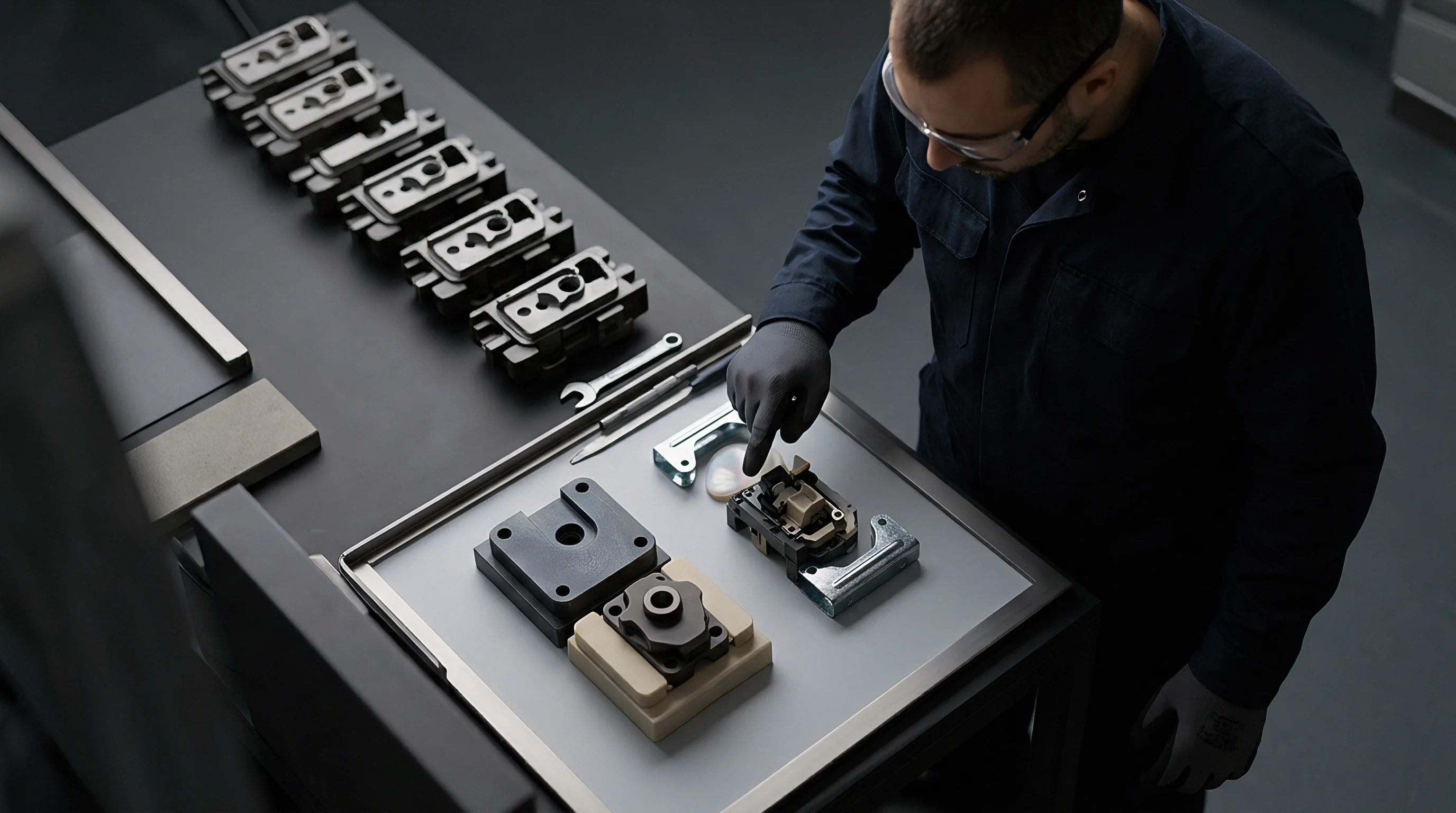
- Logistics team verifies physical stamp plates and counter numbers against the equipment registry on site.
- Customs broker files export clearance under temporary asset return or declared owner export paperwork.
- Freight forwarder secures mold assembly into reinforced export crates with corrosion-inhibiting vapor film.
Access by local law enforcement varies dramatically across overseas jurisdictions. Securing an order of replevin or emergency injunction from a local court allows court officers to accompany freight forwarders into the moulder’s facility to supervise mold removal. In foreign manufacturing zones, securing prior administrative approval from industrial park management boards often overrides physical factory resistance, allowing transport trucks access to the loading bay.
Preparation of export documentation prevents customs holds at outbound ports. Customs authorities verify that outbound tooling matches original import records or assist declarations. Providing the original import entry number, serial tag photo logs, and signed bailment agreements validates that the exporting entity holds legal authorization to ship the asset out of the country without outstanding local tax liabilities.