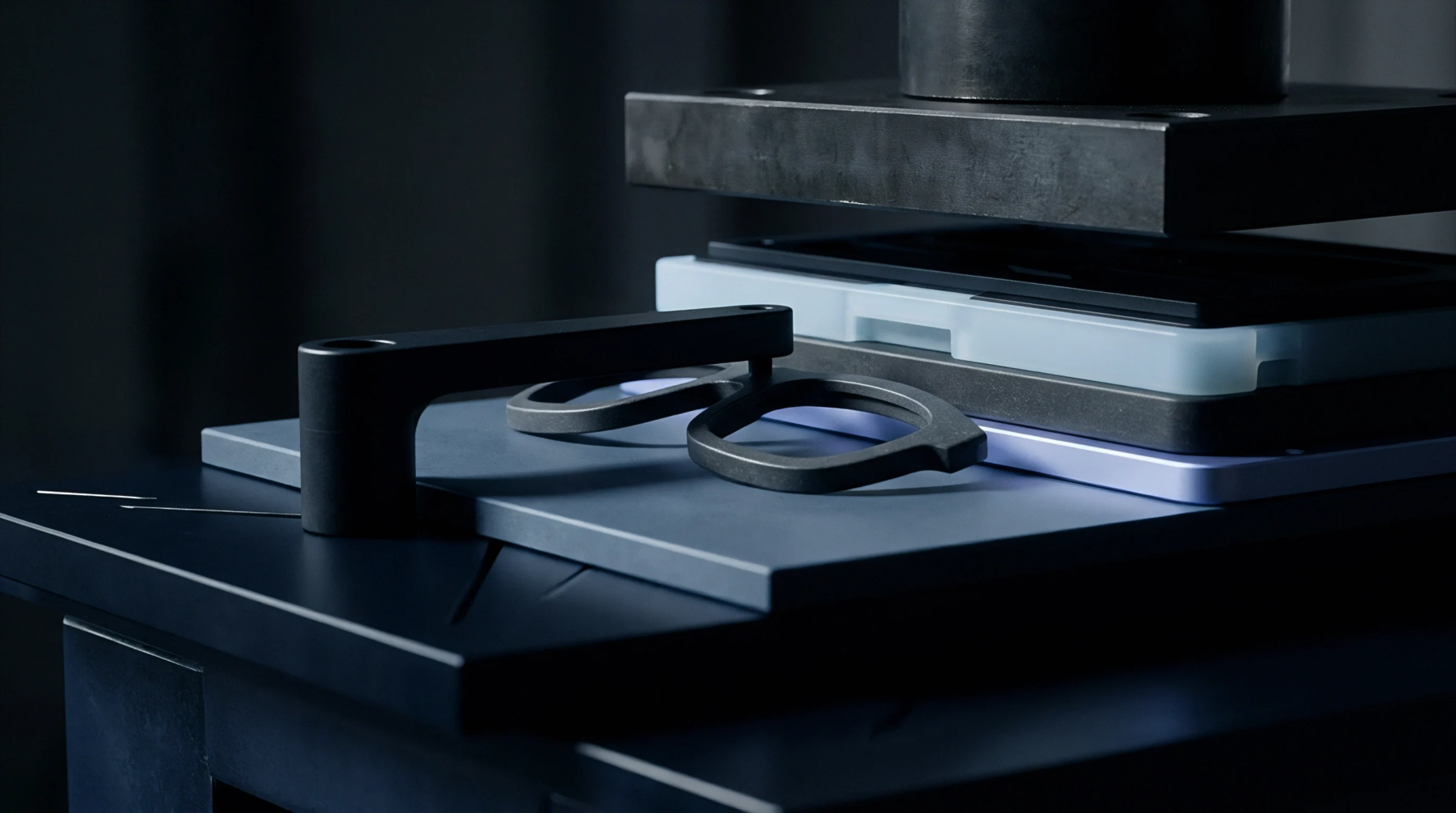
Meaning
Precision subtractive metalworking processes used to construct and repair injection molding dies establish the final dimensional accuracy and surface finish of tool cavities. Toolmakers execute toolroom machining using computer-numerical-control milling, sinker electrical discharge machining, wire erosion, and precision grinding to convert hardened tool steel blocks into finished mold components. Dimensional tolerances achieved during these machining operations dictate mold parting line seal and cavity balance during high-pressure injection cycles.
Subtractive Fabrication
High-speed CNC milling cuts complex cavity geometry into pre-hardened tool steels. Executing precise toolroom machining ensures cavity dimensions match nominal product engineering models exactly.
Precision Tolerance
Maintaining micrometer-level precision during cavity milling and sinker electrical discharge machining prevents flash formation along parting surfaces. Inaccurate toolroom machining creates uneven shut-off pressures, causing melt leakage during high-pressure plastic injection steps. Master toolmakers balance thermal expansion allowances and draft angles while machining core pins and slide mechanisms.
Proper execution of secondary benching and polishing operations removes machining marks that would otherwise resist part ejection or create cosmetic surface defects on molded parts.
Tool Refurbishment
Worn cavity inserts and damaged parting lines require precision repair machining during scheduled preventive maintenance stops. Utilizing toolroom machining alongside laser welding restores original cavity contours without inducing excessive thermal stress into surrounding steel.