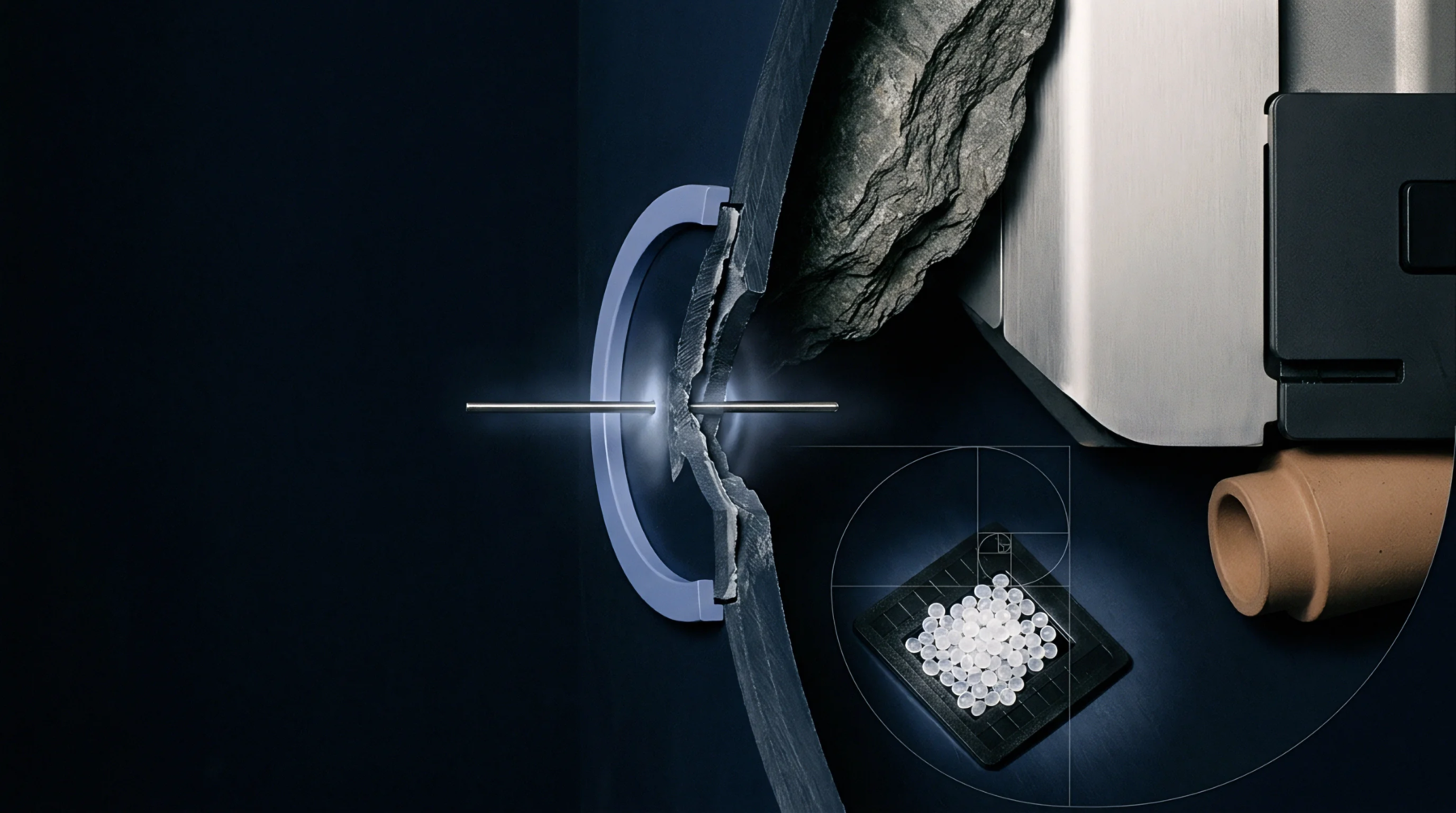
Closed Loop Piezoelectric Core Compensation for Polymer Thermal Shrinkage
Dynamic piezoelectric core compensation applies localized physical packing during cooling to eliminate shrink voids and hold DIN 16742 TG3 tolerances.
Dynamic piezoelectric core compensation applies localized physical packing during cooling to eliminate shrink voids and hold DIN 16742 TG3 tolerances.

Dynamic sensor drift in high-temperature tooling stems from insulation drop and thermal charge loss; manage via matched crystals, cabling, and reset timing.
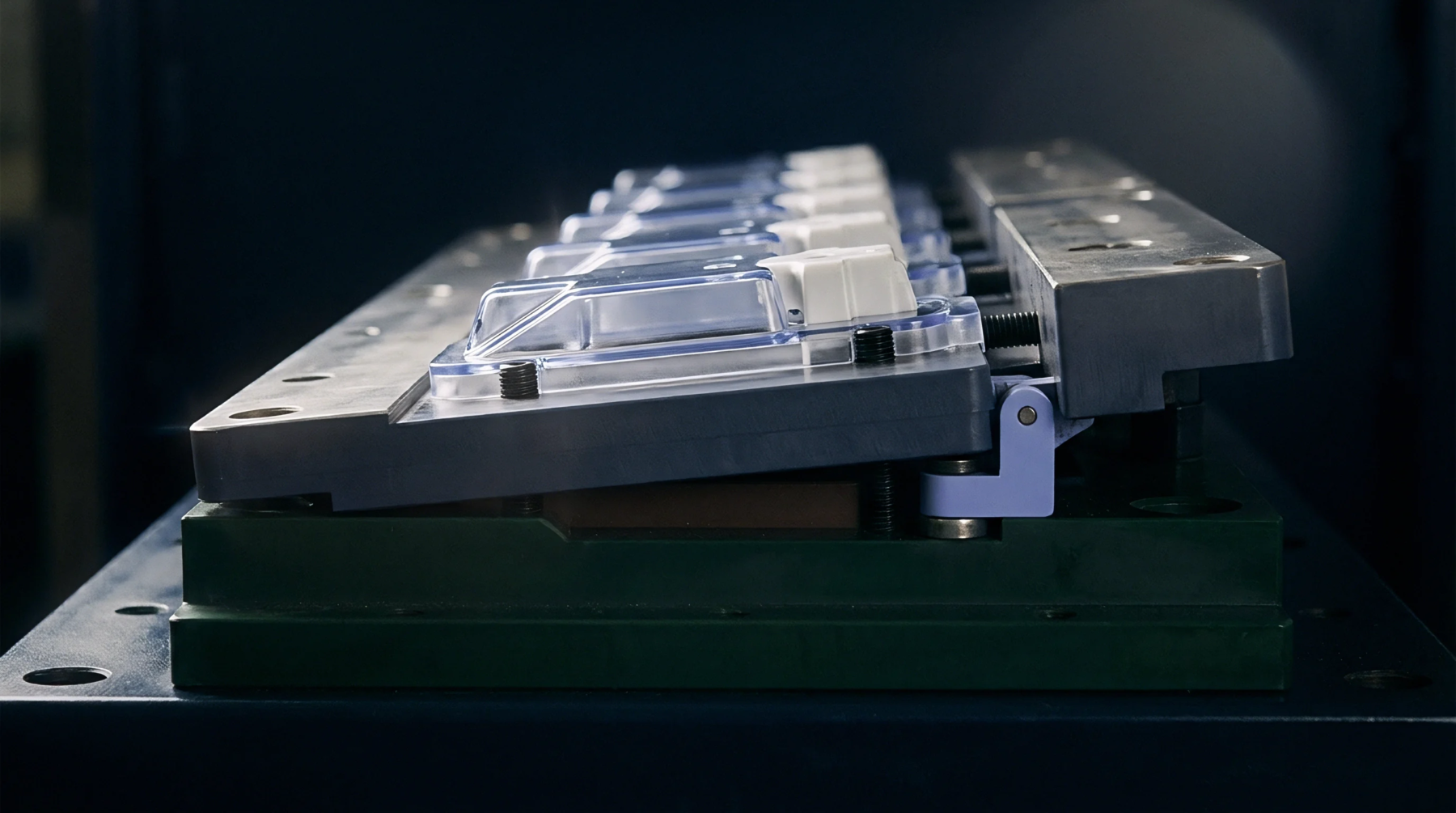
Direct piezoelectric cavity pressure sensing in micro injection moulding requires sub-micron bore tolerances, rigid preloading, and active thermal drift compensation.
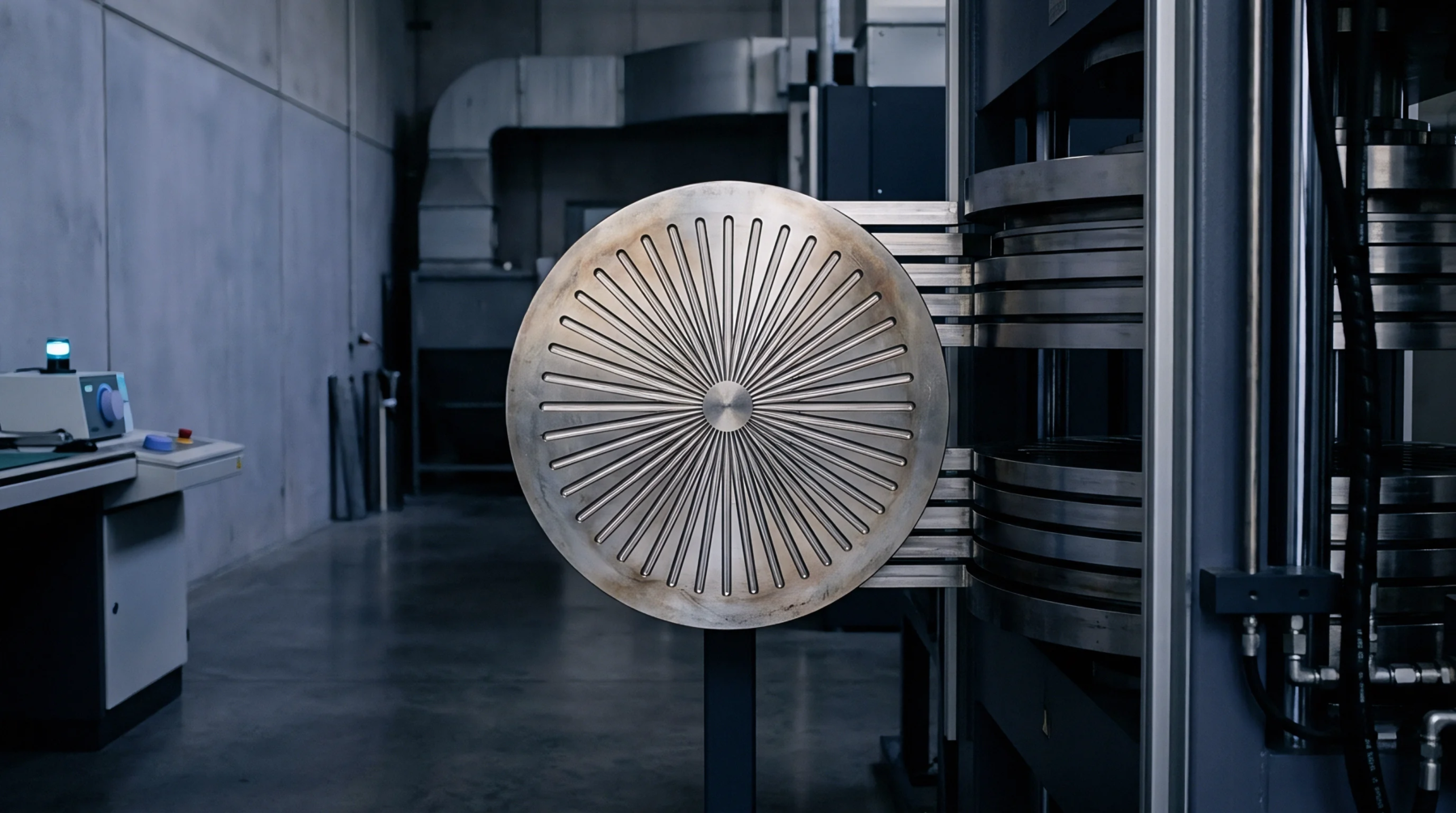
Precision cavity pressure sensor selection demands matching load path dynamics with piezoelectric drift limits and verified in-situ dynamic calibration routines.
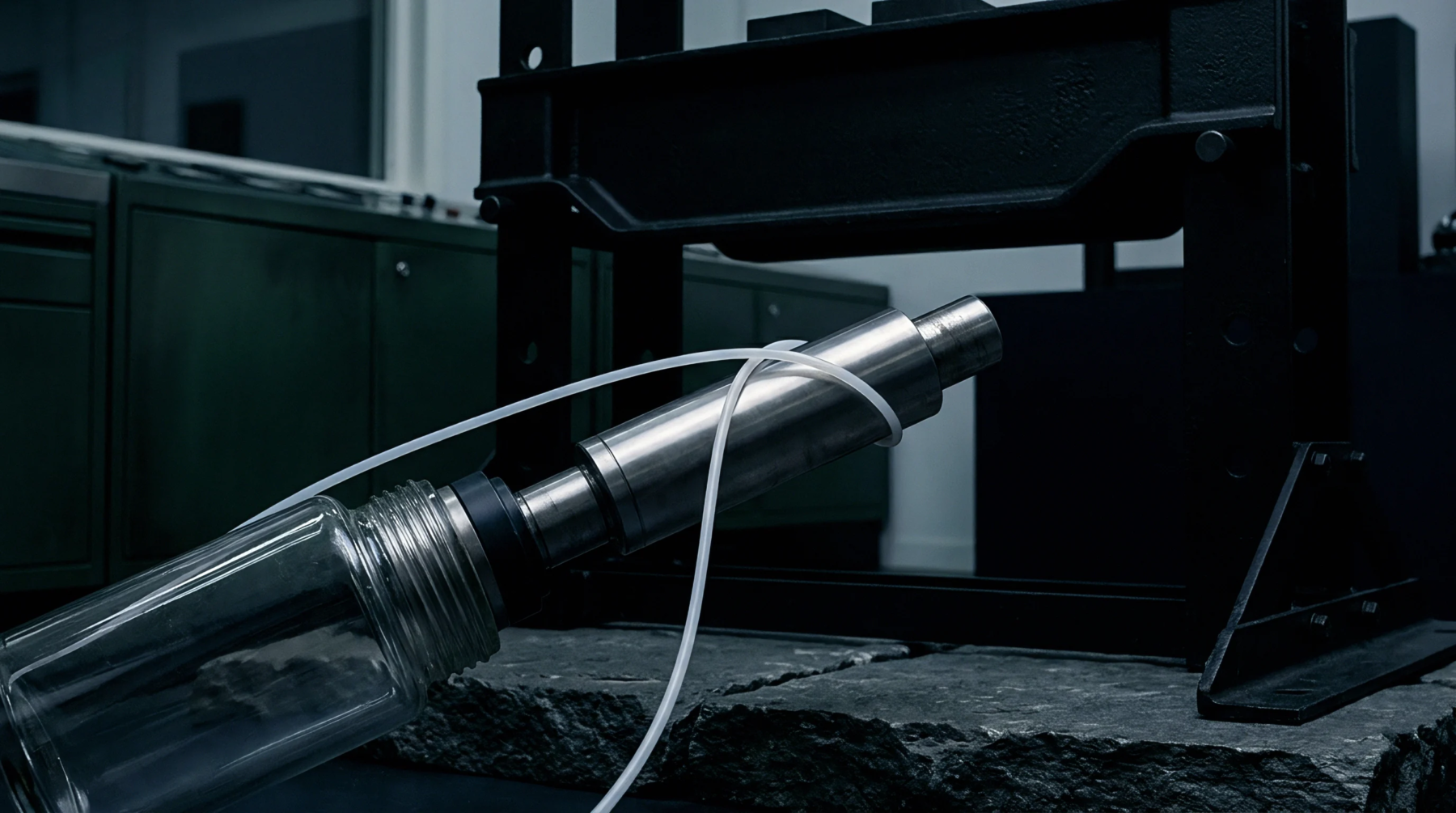
Closed loop cavity pressure regulation corrects melt viscosity drift by dynamically modulating switchover point and packing profile to hold volumetric shrinkage constant.

Dynamic cavity pressure curve integration over hold time governs volumetric polymer density and predicts final part dimensions before tool ejection occurs.

In-cavity piezoelectric pressure sensing setups in multi-cavity tools decouple fill control from hydraulic drift to minimize scrap and verify part density.
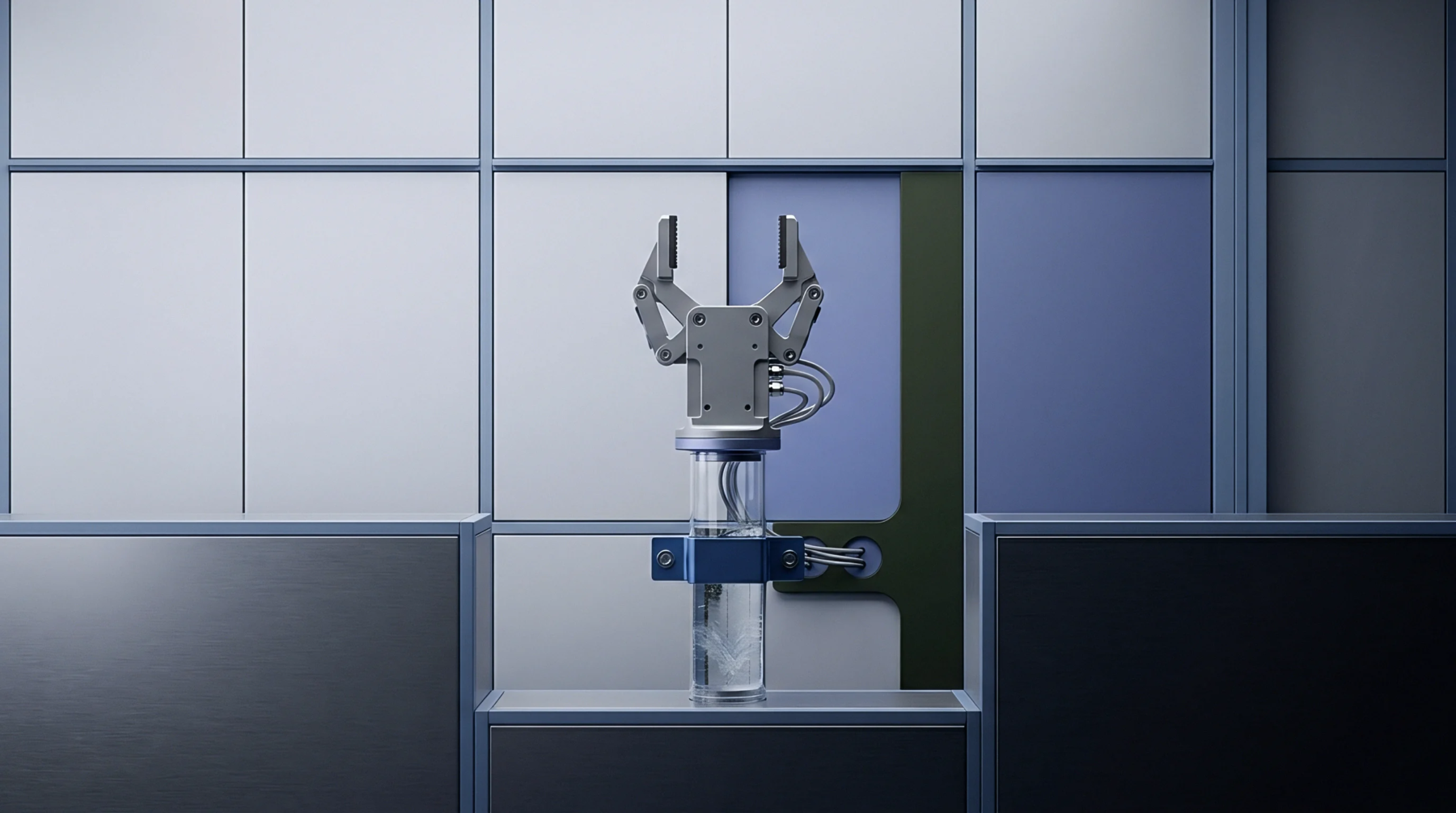
Real-time hydraulic and cavity pressure integral evaluation isolates sub-gram part variations within a 10-millisecond window to automate defect rejection before mold open.
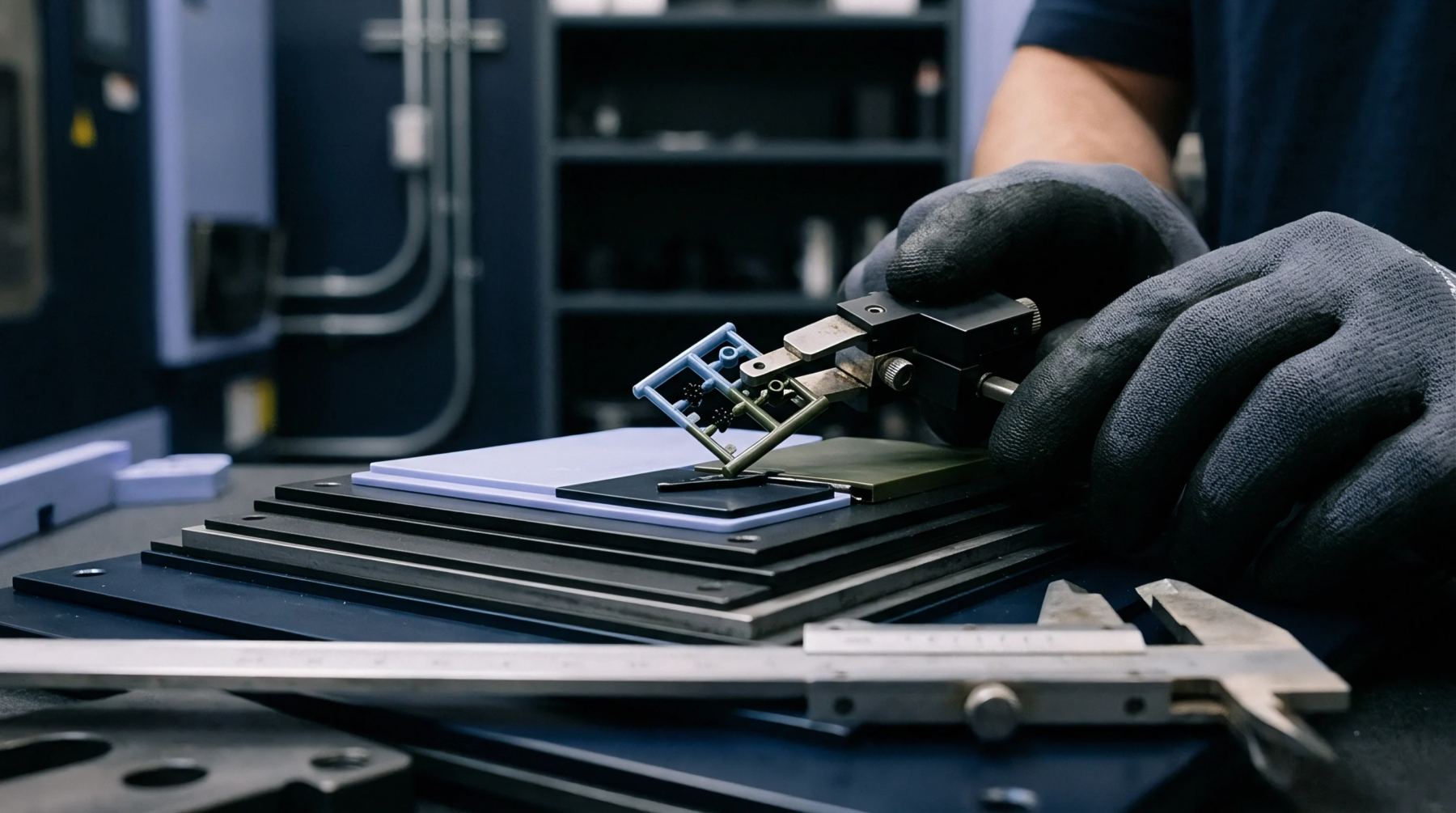
Cavity pressure measurement in micro-injection tooling decouples machine dynamics from cavity fill, eliminating part weight variance and micro-defects.

Cavity pressure closed loop control dynamically regulates melt pressure profiles to hold sub-hundredth millimeter tolerances despite batch and thermal drift.

Real-time digital thermal drift compensation combined with diamond-like carbon coated pins eliminates signal hysteresis in sub-millimetre cavity sensors.

Real-time mold cavity pressure telemetry triggers automated mechanical part rejection, ensuring sub-gram defective melt profiles never enter production inventory.

Cavity pressure telemetry decouples polymer melt behavior from machine hydraulics, locking peak pressure to eliminate scrap and stabilize part dimensions.
Expertise is a utility, not a secret. sentiention™ publishes its working knowledge as open reference: intelligence layer covering the materials it sources, the markets it enters, and the reference that serves both.