Meaning
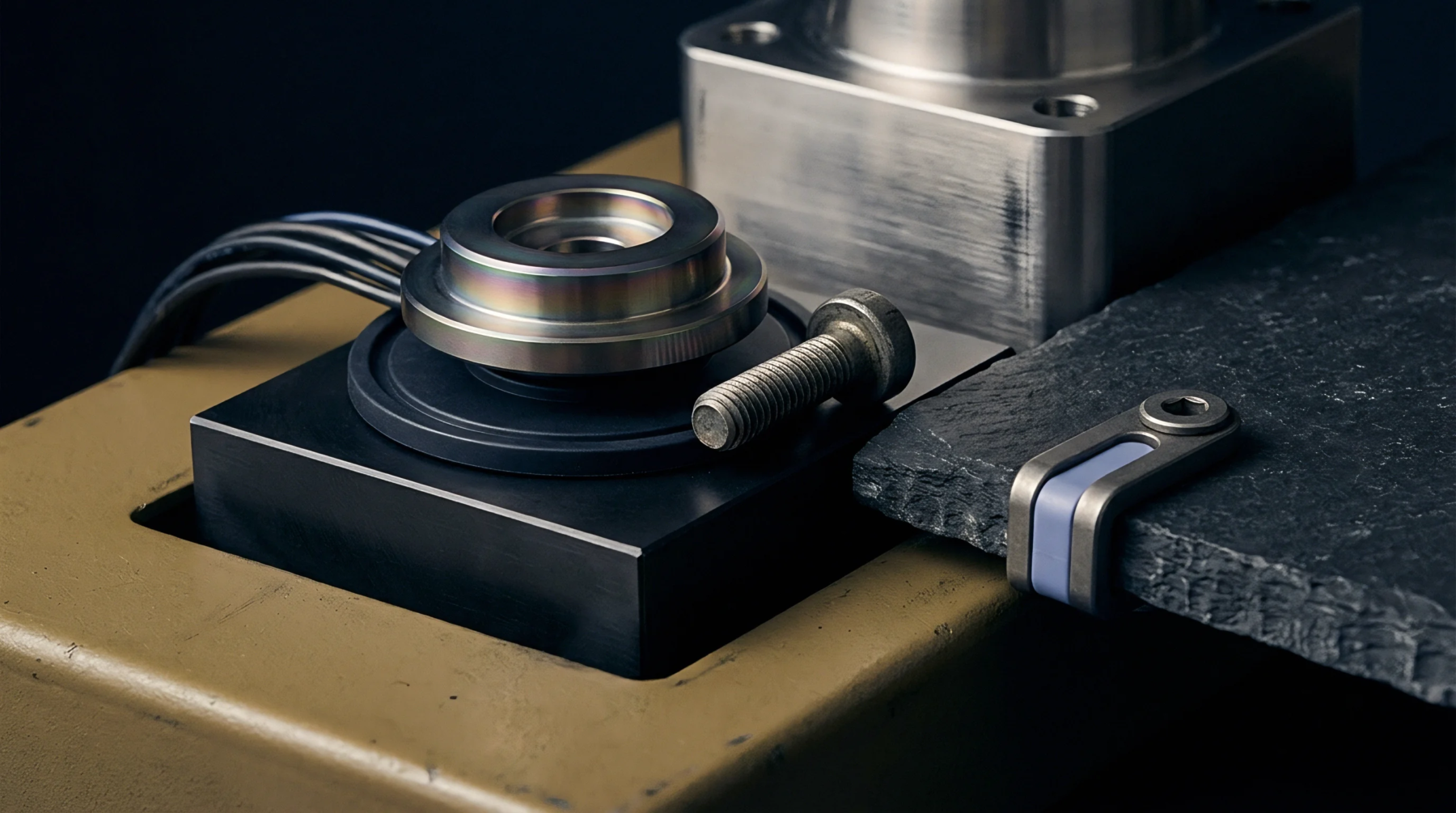
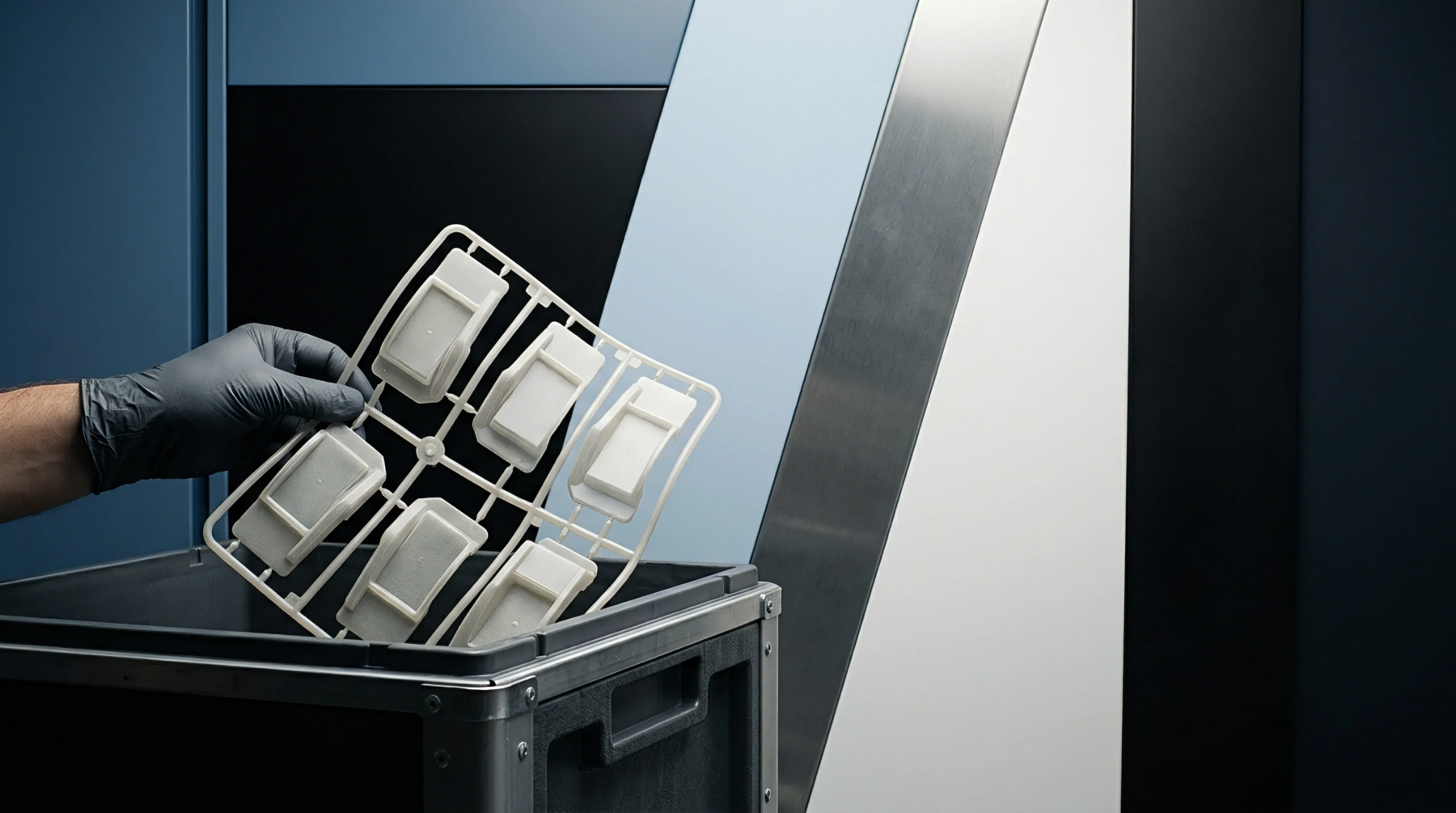
Cavity pressure telemetry functions as an analytical method that transmits real-time piezoelectric transducer signals from injection moulding tool steel directly to processing units. Modern manufacturing floors deploy cavity pressure telemetry during high-precision high-volume thermoplastic production cycles to monitor melt density variations inside closed tool halves. Piezoelectric sensors flush-mounted near the gate capture dynamic pressure peaks during the filling and packing stages.
High temperatures and rapid clamp tonnage cycles demand robust signal conditioners to prevent charge leakage along the cabling pathway. Thermoplastic polymers contract during cooling, so accurate pressure curves allow operators to detect micro-voids and flash before moulded components leave the press.
Signal Drift
Signal drift emerges when thermal soak alters the piezoelectric charge sensitivity of sensors embedded deep within production tooling. Extended production runs generate heat accumulation that shifts the baseline voltage output of the telemetry hardware. Operators calibrate zero offsets between batches to maintain correlation with nominal part specifications.
Virgin resin exhibits predictable viscosity behaviour, whereas regrind batches introduce variable molecular weight distribution that changes the required packing pressure. Uncompensated signal drift misleads process controllers into adjusting hydraulic pressure improperly, which produces dense parts with excessive residual stress.
Part Conformance
Part conformance depends directly on maintaining the specific peak pressure value established during initial tool validation trials. Material specifications define the allowable melt flow index range for incoming polymer pellets, while part specifications dictate dimensional tolerances for the final component. Moulders establish a standard process window by comparing sensor curves against dimensional coordinate measuring machine reports.
When injection speed fluctuates, the telemetry hardware records an immediate pressure drop that correlates with incomplete volumetric filling. Short shots and sink marks appear on moulded geometry whenever the recorded peak falls below the validated process limit.
Data Latency
Data latency describes the transmission delay between physical polymer compression occurring inside the steel tool and the corresponding voltage reading appearing on the process monitoring screen. High sampling frequencies generate large data arrays that require dedicated processors to filter electrical noise from the factory floor. Analogue-to-digital converters process sensor charges continuously, but slow bus architectures introduce delays that hinder closed-loop machine adjustments during fast injection cycles.
Process engineers select shielded cabling and grounded connectors to preserve signal integrity across long manufacturing runs. Telemetry accuracy determines whether automated sorting systems reject out-of-spec components reliably.