Meaning
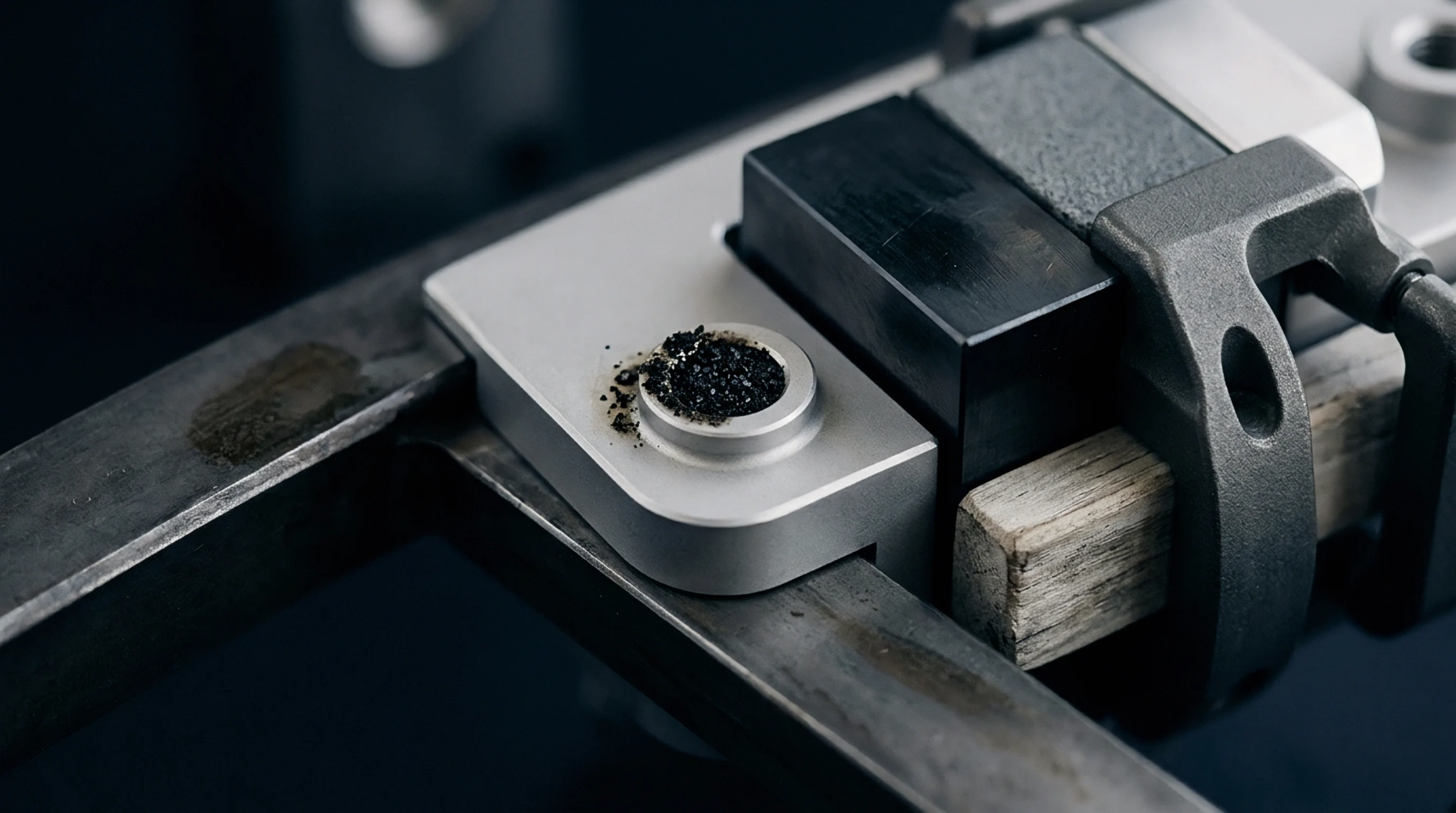
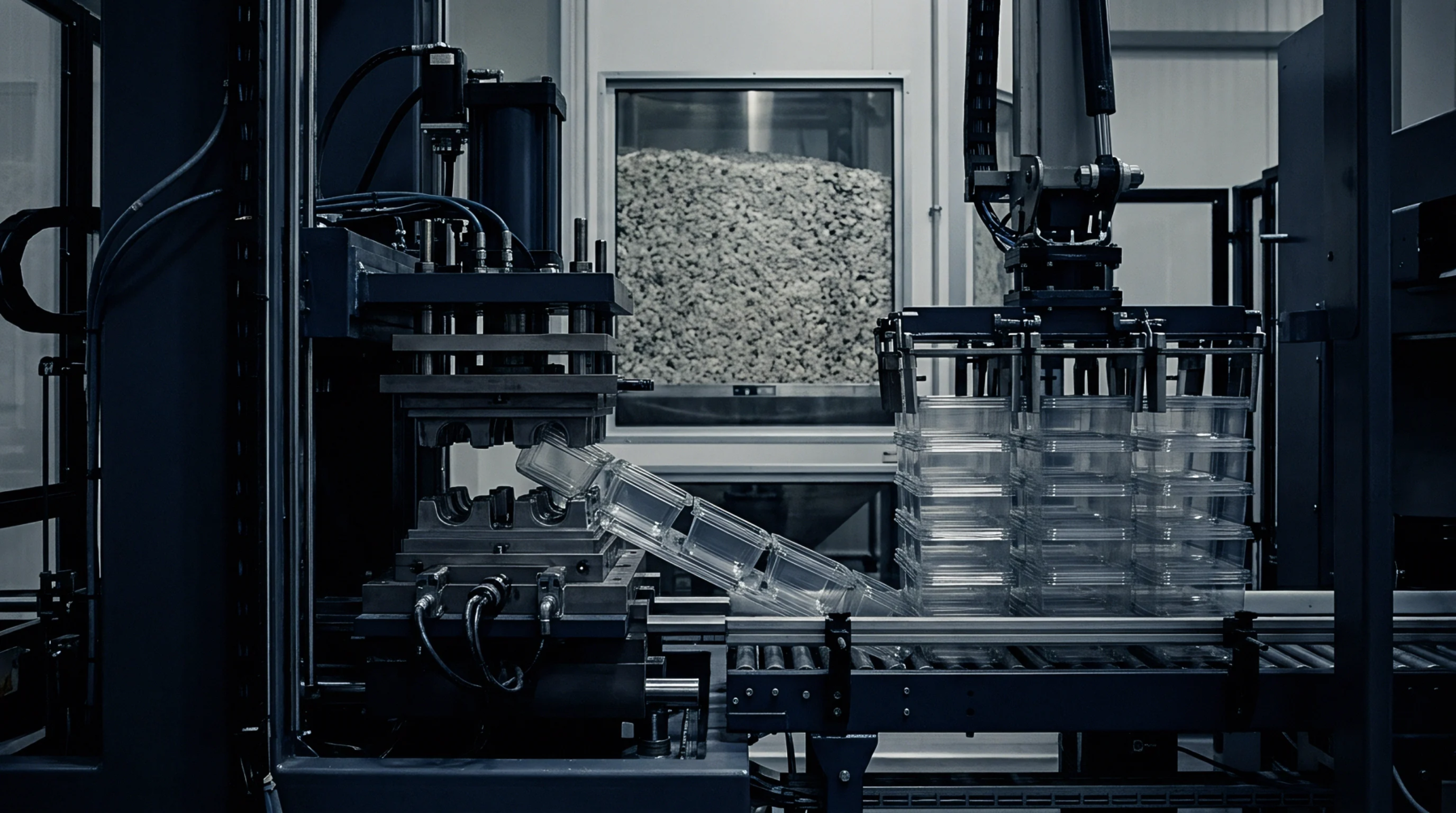
Thin-film coating processes deposit hard material layers from a vaporized source onto metal substrates under high-vacuum conditions. Toolmakers apply physical vapor deposition to injection mold cores, cavities, and sliding components to reduce wear and improve polymer release. This surface treatment yields a very thin layer that preserves the precise dimensions and textures of the mold.
Coating Process
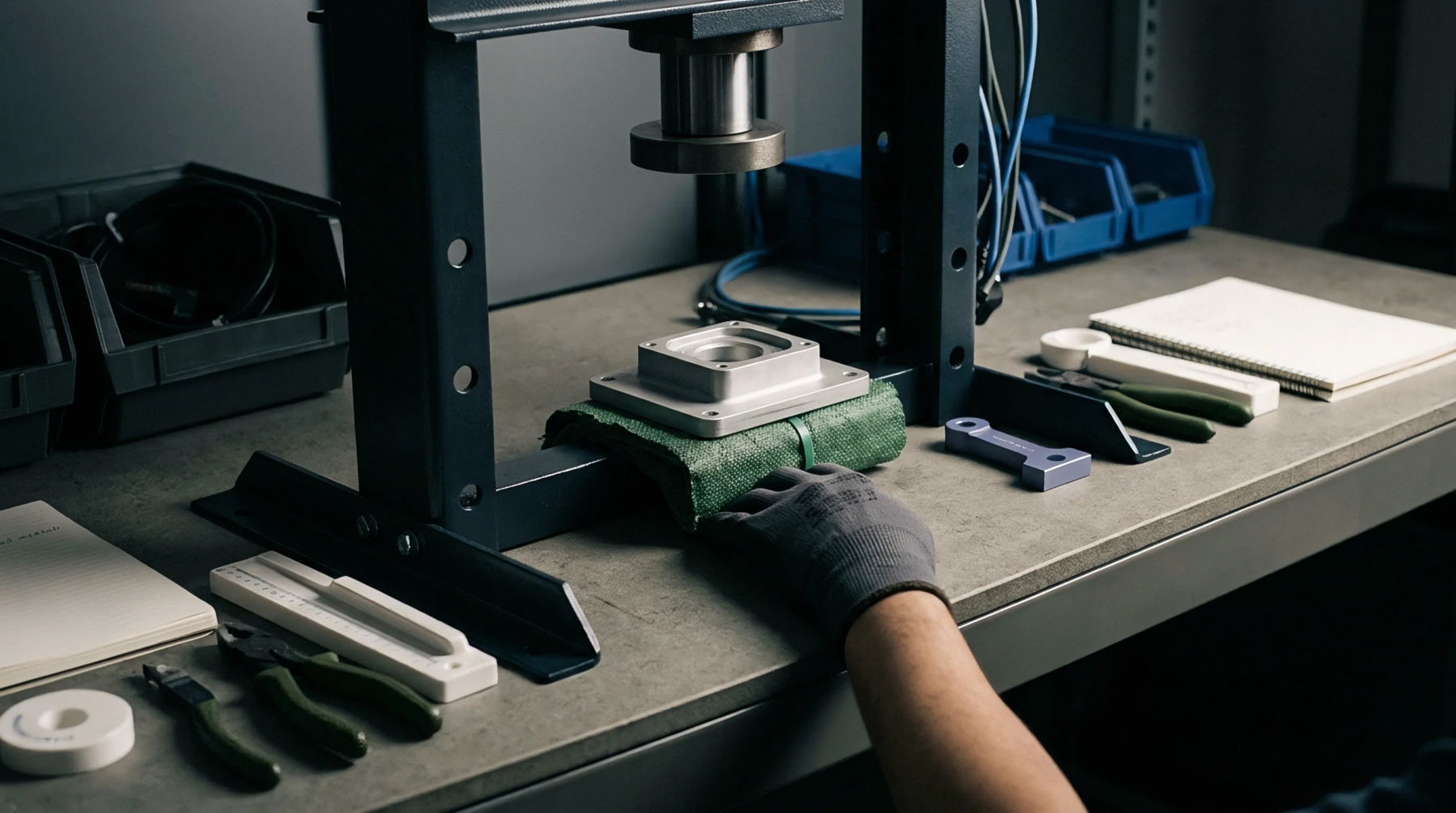
Deposition is carried out in a vacuum chamber where the coating material is sputtered onto heated steel. Utilizing physical vapor deposition forms dense layers that bond strongly with the steel substrate.
Tooling Benefit
Treated mold surfaces exhibit high scratch resistance and a low friction coefficient, which facilitates the ejection of complex plastic parts. Applying physical vapor deposition protects critical mold areas from the erosive action of abrasive glass fibers and corrosive plastic additives. This protective barrier extends the production life of gate inserts and sharp shutoff edges.
Application Boundary
Coated tools depend on the hardness of the underlying tool steel to prevent cracking under high point loads. The use of physical vapor deposition cannot compensate for a soft steel substrate, which can deform and cause the coating to flake. Successful implementation requires proper selection of the base steel and nitriding treatment to provide sufficient support for the hard thin-film layers during long production runs.