Meaning
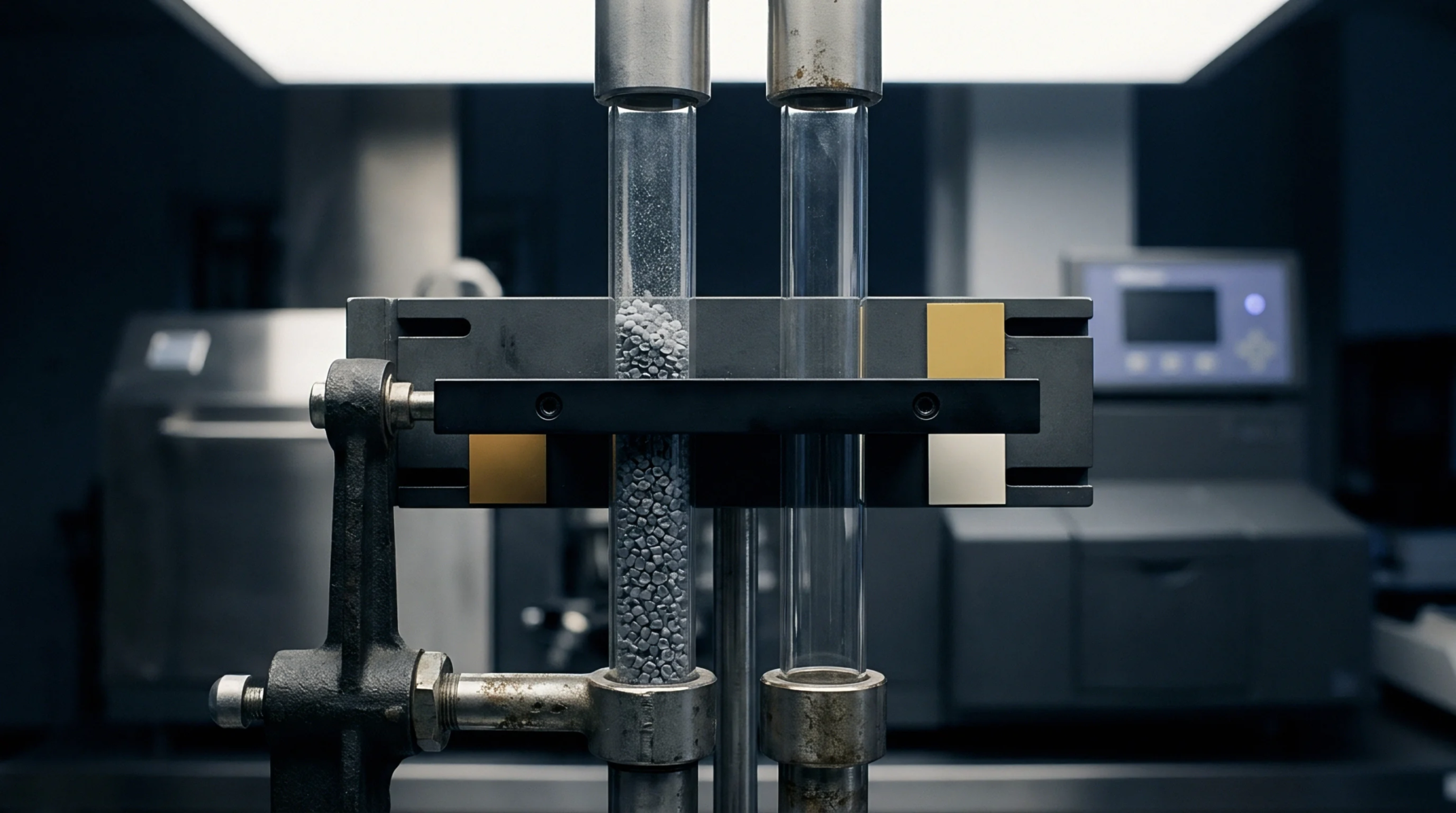
A thermoplastic composite material consisting of polybutylene terephthalate reinforced with thirty percent glass fibre by weight offers dimensional stability and heat resistance in structural components. Producers identify pbt-gf30 by the balance between the semi-crystalline matrix and the mineral reinforcement which enhances stiffness compared to unfilled polymer grades. This substance undergoes injection moulding processes where the inclusion of glass fibres alters flow behaviour by increasing melt viscosity and inducing anisotropic shrinkage.
Precise control of barrel temperatures and mould heating prevents premature fibre orientation or poor surface finishes during production cycles. Engineers select this compound when parts require high tensile strength and chemical immunity to oils or solvents.
Thermal Resistance
Processing parameters for the material depend upon the high melting point of the crystalline matrix. Heat deflection temperatures rise when the internal reinforcement network prevents molecular mobility under mechanical load. Moulders adjust cooling channels to ensure that the rapid solidification of the polymer does not trap internal stresses inside the geometry of the part.
If the mould surface temperature drops below the recommendation, the surface develops a matte appearance due to inconsistent fibre distribution. Excessive heat leads to degradation of the resin chains which reduces the toughness of the final unit. Operators monitor the cycle time to prevent the material from lingering in the barrel where shear forces might fracture the glass strands.
Economics Composition
Virgin pellets provide consistent mechanical values that align with standard datasheet expectations for batch processing. Regrind utilization reduces raw material costs yet introduces variability because the repeated thermal exposure shortens the glass fibres and lowers the overall modulus. Manufacturers distinguish between a material specification that defines the chemical purity of the base resin and a part specification that dictates the required wall thickness and impact energy.
Using too much regrind creates brittle sections where the fibre distribution fails to bridge the polymer gap. Strict limits on recycled content preserve the structural integrity of thin-walled housings and connectors. Economic pressures drive the move toward higher regrind percentages but the risk of weld line failure grows as the fibre length decreases during the extrusion phase.
Consistent batch sampling verifies that the addition of fillers maintains the performance metrics across long production runs.
Material Performance
The interaction between the fibre and the base resin governs the fatigue life of the finished product. Glass fibres distribute the load across the cross section to prevent deformation under sustained stress conditions. Anisotropic behaviour appears because fibres align themselves with the flow direction during injection into the cavity.
Designers rotate gates to manage this orientation and ensure that the strength of the moulded component aligns with the primary axis of mechanical force. Moisture absorption remains low for the compound which guarantees that the physical properties remain stable in humid environments. A well balanced formulation prevents flash at the parting lines while maintaining the structural rigidity necessary for industrial applications.
Correct processing maintains the homogeneity of the filler and ensures the final object withstands the intended operational forces.