Polyethylene Terephthalate Drying Protocols and Moisture Measurement Standards
Polyethylene terephthalate requires desiccant drying to under 50 ppm at minus 40 dewpoint to prevent hydrolytic chain scission verified by ISO 15512 Karl Fischer.
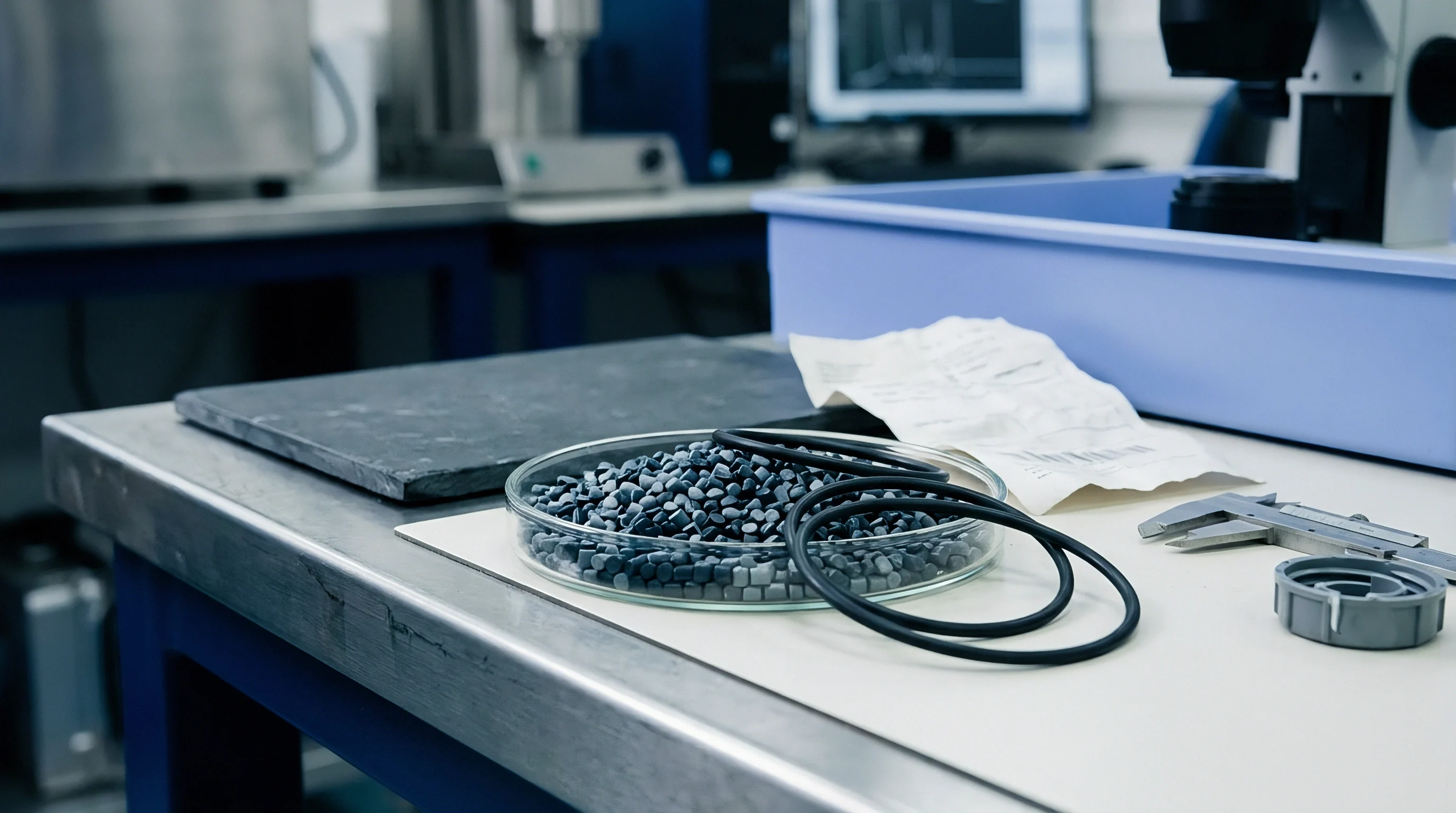
Pellet
Polyethylene terephthalate arrives from the polymerization reactor or solid-state polycondensation tower with an equilibrium moisture content governed by ambient relative humidity and pellet morphology. Virgin bottle-grade chips typically hold between 0.15% and 0.40% moisture by weight (1,500 to 4,000 ppm) when exposed to packing-hall air. Injection moulding and compounding operations require an internal moisture ceiling below 0.005% by weight (50 ppm), with thin-wall preform conversion demanding a threshold below 0.003% (30 ppm).
Processing above these limits triggers irreversible hydrolytic cleavage of ester linkages in the melt phase, collapsing intrinsic viscosity, lowering molecular weight, and destroying tensile toughness.
Water resides in two distinct forms within semicrystalline virgin pellets and post-consumer flake: surface condensation and structurally bound interstitial moisture. Unfilled homopolymer grades with a typical amorphous fraction possess higher hygroscopic capacity than highly oriented, high-crystallinity chips. The diffusion of bound water out of the crystalline core to the chip surface obeys Fickian transport, meaning drying rates depend on solid-state diffusion coefficients rather than air velocity across the boundary layer.
Raising ambient temperatures above the glass transition temperature (78 deg C to 82 deg C) increases macromolecular chain mobility, opening free volume and allowing trapped water molecules to desorb through the rigid polymer matrix.
Ambient air exposure drives dried chip moisture upward past processing limits within fifteen minutes of discharge.
The operational risk centers on the speed of atmospheric reabsorption. A desiccated batch dropped into an open gaylord or unsealed conveying hopper regains moisture rapidly under standard shop floor conditions (23 deg C, 50% relative humidity). Sourcing managers and tool engineers frequently attribute preform splay, gate drool, and barrel foaming to equipment calibration issues, whereas the root failure frequently traces back to unheated transfer lines or inadequate dry-air blankets between the hopper base and machine throat.
Hydrolytic Chain Cleavage Kinetics
Ester bonds in the polyethylene terephthalate backbone remain highly susceptible to nucleophilic attack by dissolved water molecules at processing temperatures between 270 deg C and 300 deg C. The chemical reaction generates one terminal carboxyl group and one terminal hydroxyl group for every broken ester bond. The rate of molecular weight collapse follows pseudo-first-order kinetics with respect to ester bond concentration, accelerated by the auto-catalytic nature of newly formed carboxylic acid end groups. A polymer batch processed at 285 deg C with 250 ppm water experiences a 15% to 20% loss in number-average molecular weight within two minutes of barrel residence time.
This degradation manifests directly as an intrinsic viscosity drop from an initial 0.82 dL/g down to 0.68 dL/g or lower.
Mechanical consequences track this chain scission linearly before reaching a ductile-to-brittle transition cliff. The drop in intrinsic viscosity produces lower melt strength, inconsistent parison hang during stretch blow moulding, and elevated acetaldehyde generation. Acetaldehyde constitutes an volatile thermal decomposition byproduct that taints mineral water and beverage organoleptics when concentrations in preforms exceed 3.0 ppm.
The financial consequences of unmonitored hydrolysis surface during burst pressure testing of blown containers or flexural fatigue failure of structural straps. Processors operating on tight cycle times often increase barrel temperatures to compensate for apparent melt viscosity instability, unintentionally compounding the rate of hydrolytic degradation. A plant consuming twenty tonnes of resin daily at an uncorrected 80 ppm moisture level incurs hundreds of thousands of dollars annually in scrapped inventory and field warranty claims, driven by brittle failure modes under hydrostatic load.
Air
Dehumidified gas serves as the primary mass-transfer vehicle in production-scale drying systems. Standard compressed or ambient air cannot dry polyethylene terephthalate below 50 ppm, because the thermodynamic equilibrium between the pellet surface and surrounding air dictates final moisture content. Achieving targeted dryness requires circulating heated process air through twin-tower or rotary-wheel molecular sieve desiccant beds, maintaining a continuous dewpoint of -40 deg C or lower across the entire process cycle.
The desiccant, typically synthetic crystalline aluminosilicate zeolites with pore sizes of 4 angstroms, selectively adsorbs polar water molecules while allowing non-polar nitrogen and oxygen to cycle back to the heating manifold.
Air velocity inside the drying vessel requires balance. Superficial gas velocities between 0.10 and 0.18 meters per second ensure uniform boundary layer replacement without fluidizing the polymer bed. Channeling or bypass zones emerge when fines, dust, or non-uniform flake geometry alter internal pressure drops, causing cold spots where resin fails to reach target core temperatures.
Desiccant Hopper Operating Parameters
Continuous twin-tower desiccant hoppers cycle process air across an adsorption phase and a thermal regeneration phase. Desiccant regeneration utilizes ambient air heated between 200 deg C and 260 deg C to strip bound moisture from the zeolite matrix, followed by a closed-loop cooling cycle to prevent hot desiccant from returning process gas at elevated dewpoints into the drying hopper. Hopper geometry follows mass-flow cone principles with a minimum 60-degree hopper angle, preventing dead zones or funnel flow where pellets bypass minimum residence schedules.
| Resin Grade or Format | Air Dewpoint (deg C) | Bed Temperature (deg C) | Residence Window (Hours) | Target Moisture (ppm) |
|---|---|---|---|---|
| Virgin Bottle Homopolymer | -40 to -45 | 160 to 175 | 4.0 to 5.0 | < 40 |
| High-IV Technical Filament | -45 to -50 | 170 to 180 | 5.0 to 6.0 | < 25 |
| Amorphous Sheet Extrusion | -40 to -45 | 145 to 155 | 4.5 to 5.5 | < 50 |
| Post-Consumer Washed Flake | -45 to -50 | 165 to 175 | 4.5 to 6.5 | < 30 |
| Glass-Filled Engineering Grade | -40 to -45 | 150 to 160 | 4.0 to 5.0 | < 40 |
Gas flow calculations depend on the thermal mass of the incoming polymer. Virgin pellets enter the hopper throat at ambient storage temperatures and demand sufficient thermal energy transfer from the process gas to reach 160 deg C within the upper third of the vessel volume. Typical specific airflow specifications call for 2.8 to 3.5 cubic meters of dry air per hour per kilogram of polymer throughput.
Exceeding 180 deg C in standard air desiccant drying triggers yellowing through thermo-oxidative degradation of the polyester matrix.
Infrared and Vacuum Alternatives
Rotary infrared drum dryers and batch vacuum drying systems present alternatives to traditional desiccant hopper architecture. Infrared radiation directly penetrates the outer millimetre of the pellet, agitating molecular bonds and heating the material from the inside out within fifteen minutes. Rotary drum action agitates pellets constantly, preventing agglomeration while high-intensity infrared lamps transfer energy without requiring massive volumes of recirculated dry air.
Vacuum drying systems operate on a two-step cycle: an initial batch preheater brings pellets to 130 deg C to 160 deg C, followed by transfer into a vacuum chamber pulling down to 10 to 25 millibar.
Lowering ambient pressure around hot pellets depresses the boiling point of water and shifts the concentration gradient sharply outward, reducing diffusion times by 70% compared to atmospheric desiccant systems. Residence times drop from five hours to approximately forty minutes. Vacuum systems consume less total energy per kilogram dried because blowers and regeneration heaters run intermittently rather than continuously.
Fine dust and post-consumer oligomers can foul vacuum seal valves, dictating preventive maintenance schedules to sustain target negative pressures.
The operational trade-off remains equipment cost versus physical footprint. Rotary infrared units and multi-chamber vacuum systems carry higher initial machinery expenses than standard desiccant towers, yet fit within tight vertical ceiling envelopes in existing facilities. Operational personnel selecting equipment evaluate whether energy savings and shorter transition cycles offset the mechanical maintenance demands of vacuum seals and rotating drum drives.
A processor running fifty colour transitions a month saves production hours using rapid forty-minute vacuum cycles over five-hour hopper flushes.
Crystallization
Direct exposure of amorphous polyethylene terephthalate to drying temperatures above 100 deg C causes catastrophic pellet agglomeration. Amorphous resin, typical of fast-quenched underwater pelletized virgin stock or washed bottle flake, possesses a glass transition temperature near 80 deg C. As temperatures surpass this boundary without preexisting crystalline structure, polymer chains gain mobility while remaining tacky and unorganized. Pellets soften, fuse together, and form massive solid agglomerations that bridge the hopper cone, halting line feed and forcing physical removal with mechanical clearing bars.
Crystallization must precede the final drying phase to lock molecular architecture into a rigid semicrystalline lattice. Controlled heating within a dedicated crystallizer vessel elevates pellet temperatures into the crystallization window between 120 deg C and 160 deg C under violent continuous mechanical agitation or fluidized bed action. As spherulitic crystals form and expand, resin opacity shifts from water-clear to milky white, indicating that relative crystallinity has increased from baseline values below 10% up to 35% or 45%.
Semicrystalline polymer retains structural integrity at 170 deg C, allowing hot desiccant gas to permeate the bed without particle adhesion.
- Mechanical Agitation maintains continuous shear between individual chips inside the crystallizer chamber, preventing nascent amorphous stickiness from creating inter-pellet fusion necks during initial heating cycles.
- Fluidized Gas Suspension lifts incoming flake or micro-pellets via high-volume hot air curtains, ensuring uniform thermal exposure across irregular shapes without mechanical blade impingement.
- Thermal Soaking stabilizes relative crystallinity past the forty percent mark within twenty to thirty minutes, enabling downstream transfer to standard vertical mass-flow drying hoppers.
- Exhaust Fines Separation filters airborne dust, residual label pulp, and polymer hair generated by abrasive chip-to-chip contact inside high-velocity crystallization chambers.
Post-consumer flake processing introduces severe crystallization variance. Flake thickness varies from 0.20 millimetres in bottle sidewalls up to 3.5 millimetres in injection-moulded neck finishes. Thin sidewall fragments reach crystallization temperatures within seconds, while thick thread finishes require several minutes.
Without intense mechanical blending in the crystallizer, thick fractions remain core-amorphous, subsequently fusing inside the upper zone of the desiccant hopper. Incoming flake streams also carry varying intrinsic viscosity levels, compounding thermal response discrepancies across the batch.
A crystallizer drive shaft tripping out on over-torque signals massive bed fusion upstream of the hopper cone.
The operational procedure requires tight thermal ramping sequences. Fluidized crystallizers govern residence using internal weir gates, discharging material continuously once density and surface hardening parameters align. Bypassing the crystallizer step when running amorphous prepolymer or rPET flake guarantees immediate downtime.
Sourcing agreements for amorphous resin specify whether chips arrive pre-crystallized from the polymer supplier or arrive completely amorphous, dictating whether plant capital investments must cover dedicated crystallization hardware prior to the drying train.
Titration
Coulometric Karl Fischer titration functions as the primary laboratory reference method for determining trace moisture in polyethylene terephthalate, governed by ISO 15512 (Method B2) and ASTM D6869. The principle relies on the quantitative reaction between water, sulfur dioxide, iodine, and an organic base dissolved in a specialized methanol-free electrolyte. A solid-sample oven chamber vaporizes water from the polymer matrix under high temperatures, sweeping moisture into the titration vessel via high-purity dry nitrogen gas.
The quantity of iodine generated through electrolytic oxidation at the generator electrode corresponds stoichiometrically to the mass of water present according to Faraday’s law.
Oven temperature calibration represents the most critical parameter in achieving accurate titrations. Heating samples below 200 deg C leaves interstitial moisture trapped within the resin matrix, producing false negative readings. Setting oven temperatures above 260 deg C triggers secondary thermal decomposition reactions, cracking ester chains and releasing structural water, glycols, and volatile degradation byproducts that enter the titration vessel.
These decomposition products consume iodine or disrupt electrode sensitivity, artificially driving reported moisture numbers higher. The analytical sweet spot for commercial PET chip analysis resides strictly between 220 deg C and 240 deg C, holding nitrogen carrier gas flow at 200 to 300 millilitres per minute.
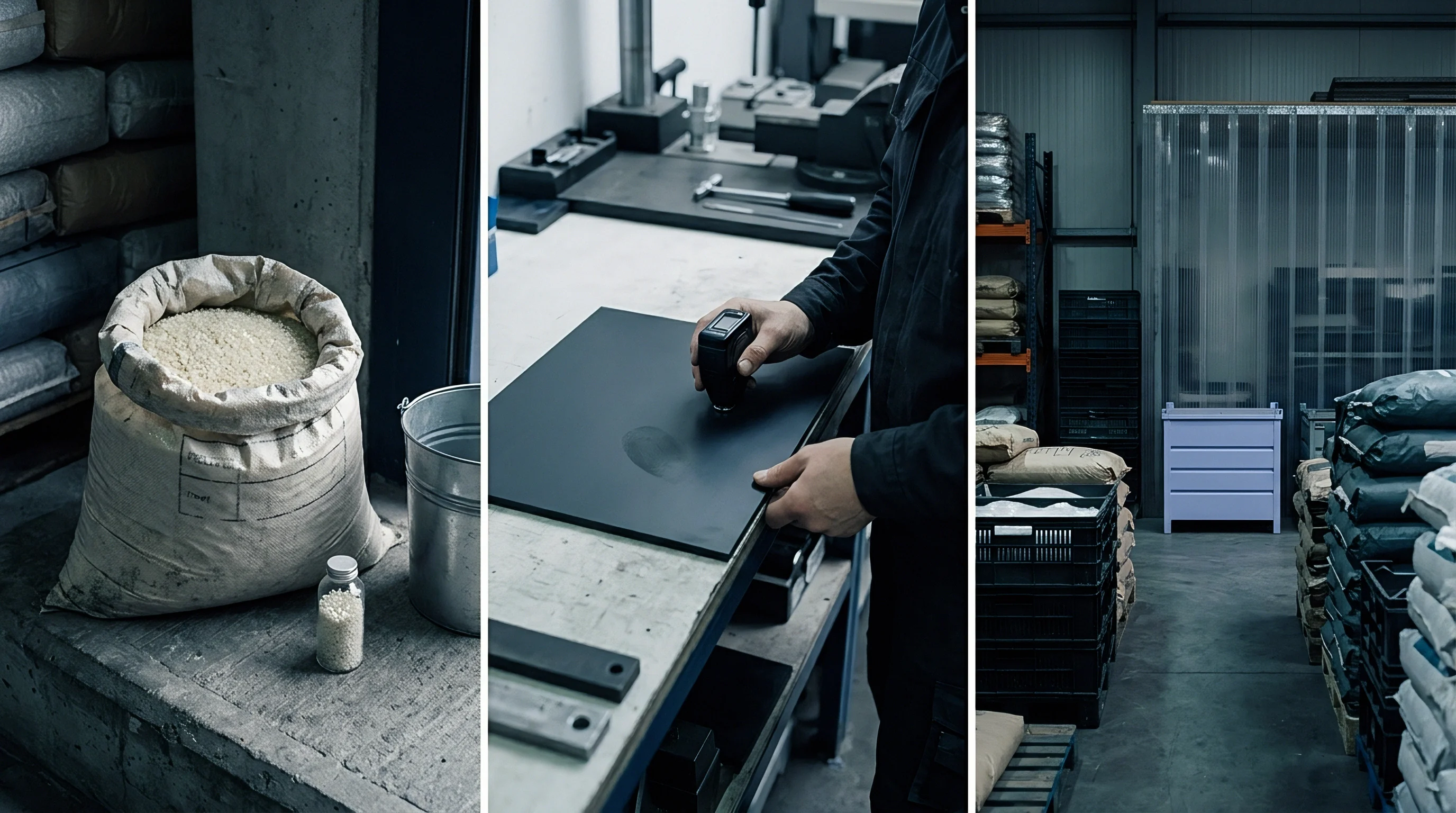
Sample handling demands extreme discipline. Dried pellets exposed to ambient laboratory air absorb moisture at a rate of 5 to 10 ppm per minute depending on relative humidity. Technicians extract samples from the hopper base using dry, airtight septum vials, transferring pellets directly to the balance and oven without atmospheric exposure.
A five-gram sample mass provides optimal resolution for resin holding 20 to 50 ppm moisture. Analytical balance precision of 0.01 milligrams guarantees that the minute titration current converts to a mathematically defensible moisture figure on the plant verification record.
Electrolyte Selection and Reagent Degradation
Standard Karl Fischer reagents formulated for general chemical testing degrade prematurely when used for plastic oven analysis. Volatile cyclic oligomers, particularly cyclic trimers inherent to polyethylene terephthalate synthesis, volatilize at 230 deg C, travelling along the heated transfer tube into the reaction cell. These oligomers precipitate upon hitting the cooler solvent mixture, coating the twin platinum indicator electrodes and blinding the potentiometric sensor.
Solvent solutions containing tailored additives or high concentrations of formamide maintain cell clarity, preventing electrode passivization across consecutive testing rounds.
Regular blank determinations establish the baseline moisture contribution from the carrier gas system, transfer tubing, and sample vial headspace. Running an empty vial under identical oven temperature and cycle durations yields a blank value, routinely between 5 and 15 micrograms of water, which the analytical instrument subtracts from subsequent pellet tests. Failure to subtract this baseline blank reading introduces systematic positive errors of 10 to 30 ppm on a standard two-gram resin sample, causing quality control technicians to reject dry, fully compliant resin lots.
The standard contract clause regarding moisture compliance references ISO 15512 Method B2 as the sole binding arbitration vehicle for raw material disputes, invalidating plant-floor sensor data during commercial warranty claims.
Sensor
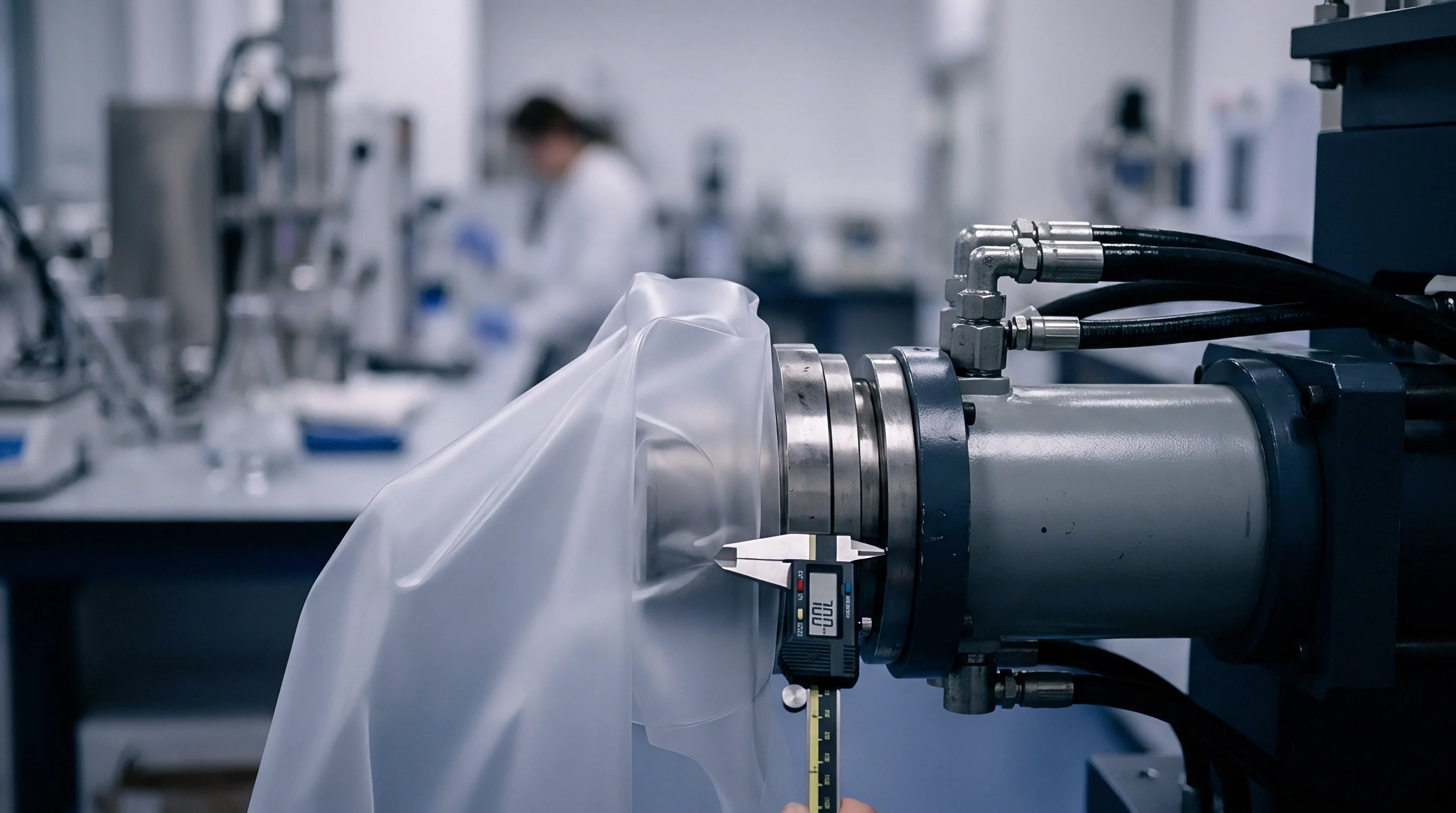
Rapid plant-floor moisture testing demands verification cycles completed in minutes rather than the thirty-minute runtime characteristic of coulometric Karl Fischer titration. Production halls employ three distinct rapid physical measurement technologies: loss-on-drying thermal balances, relative humidity sensor-based analyzers, and dielectric capacitive probe devices. Each methodology trades absolute chemical selectivity for speed, ease of use, and lower capital equipment costs.
These rapid technologies differ substantially in sensitivity, calibration vulnerability, and response to non-aqueous volatile compounds.
| Measurement Standard and Method | Governing Standard | Measurement Principle | Analysis Time (Minutes) | Lower Detection Limit (ppm) | Volatile Specificity |
|---|---|---|---|---|---|
| Coulometric Karl Fischer Titration | ISO 15512 Method B2 / ASTM D6869 | Iodine electrolytic consumption | 15 to 30 | 5 to 10 | Absolute chemical selectivity |
| Thermal Desorption Capacitive Sensor | ISO 15512 Method C / ASTM D7191 | Carrier gas RH via thin-film capacitor | 8 to 15 | 10 to 15 | High specificity for water vapour |
| Microwave Resonance Absorption | Factory Proprietary In-Line | Dielectric shift of moist core | Real-time continuous | 50 to 100 | Moderate; shifts with bulk density |
| Loss on Drying Halogen Balance | ASTM D6980 | Gravimetric mass differential | 10 to 20 | 100 to 150 | Non-selective; weighs all volatiles |
Loss-on-drying halogen analyzers measure sample weight while heating pellets via high-intensity halogen emitters. This technique exposes a fatal flaw when applied to technical polyethylene terephthalate grades. The lower measurement resolution limit of gravimetric balances hovers around 100 ppm on standard ten-gram sample sizes.
Processing operations requiring 30 ppm cannot rely on halogen gravimetric units, as instrument noise obscures genuine moisture shifts. The heating cycle evaporates surface oils, residual monomers, antimony catalyst residues, and processing waxes, measuring these lost fractions as moisture. The resulting gravimetric output registers false high readings, tricking machine operators into running drying hoppers at excessively long residence times.
Capacitive sensor systems vaporize moisture from the sample inside a closed oven chamber, sweeping the effluent gas stream across a thin-film metal-oxide capacitor. The dielectric constant of the capacitive layer shifts proportionally with absolute water vapour partial pressure, bypassing the chemical reagents and solvents required by Karl Fischer units. Microprocessors calculate total desorbed water mass within ten minutes, reaching a detection floor of 10 ppm with appropriate sample mass.
System operators calibrate these units weekly using certified chemical hydrate standards such as sodium tartrate dihydrate, maintaining correlation with reference wet-chemistry titrators.
Line-mounted microwave resonance probes measure moisture content continuously inside the hopper discharge throat. Microwave energy penetrates the falling pellet stream, sensing changes in the dielectric relaxation curve caused by the presence of free water dipoles. Microwave resonance delivers immediate process-loop alerts when desiccant beds fail or regeneration valves jam, yet shifts in bulk density, flake geometry, and virgin-to-regrind ratios induce signal drift.
Handheld capacitive probes and in-line microwave arrays act as operational early warning sentinels, leaving precise batch acceptance decisions to laboratory-grade capacitive or titration systems.
Yield
Moisture control establishes the economic ceiling of polyethylene terephthalate injection and blow moulding operations. Processing polymer holding uncorrected excess moisture generates internal structural flaws, scrap components, and elevated machine downtime. The landed cost of good parts integrates pellet purchase price, drying energy input, capital amortization of dehumidification equipment, and the scrap recovery penalty.
Sourcing teams balancing prime virgin resin against discounted post-consumer flake frequently underestimate the drying expense inherent to processing high-surface-area flake formats.
Take a manufacturing operation converting 500 kilograms per hour of virgin polyethylene terephthalate into beverage preforms, operating 6,000 production hours annually. Annual resin consumption equals 3,000 tonnes. Prime virgin resin trades at 1,250 dollars per metric tonne delivered.
Post-consumer recycled resin flake trades at a spot discount of 150 dollars per tonne, priced at 1,100 dollars per metric tonne. A plant trial highlights the operational disparity between these two streams. Flake carries an incoming moisture load of 0.85% (8,500 ppm) due to wash-line water retention, whereas prime virgin resin sits in outdoor silos at 0.20% (2,000 ppm).
Drying energy costs scale directly with the enthalpy required to desorb and vaporize that excess water burden. Desiccant drying of virgin pellets consumes an average of 0.12 kilowatt-hours per kilogram of resin processed. Flake requires an upstream crystallization sequence consuming 0.08 kilowatt-hours per kilogram, alongside an intensive dehumidified drying cycle consuming 0.15 kilowatt-hours per kilogram.
Total thermal processing energy for the flake stream registers at 0.23 kilowatt-hours per kilogram. Assuming an industrial electricity tariff of 0.14 dollars per kilowatt-hour, drying energy adds 16.80 dollars per tonne to virgin resin and 32.20 dollars per tonne to post-consumer flake.
The decisive variance emerges in processing scrap rates and hydrolytic degradation margins. A moisture surge past processing boundaries drops intrinsic viscosity below the threshold required to sustain top-load structural integrity in thin-wall containers. The worked financial model demonstrates how rapid intrinsic viscosity loss offsets apparent resin discounts.
- Virgin Base Case Performance processes 3,000 tonnes through a desiccant drying train, sustaining an average processing scrap rate of 1.2% across preform moulding and stretch blow operations.
- Recycled Flake Hydrolytic Exposure drives scrap rates to 4.8% due to uncorrected moisture swings and intrinsic viscosity fluctuations, requiring online rejects to cycle back through off-line grinders or sell into secondary sheet markets at a 400 dollar per tonne markdown.
- Intangible Quality Divergence forces molders running recycled flake to slow injection speeds by 8% to prevent haze, gate crystallization, and melt fracture, lowering total annual facility output.
Scrap generation on the virgin resin line accounts for 36 tonnes of lost product annually, representing a raw material loss of 45,000 dollars before regrind recovery. Scrap on the flake line surges to 144 tonnes annually, creating a direct material markdown loss of 57,600 dollars when selling degraded scrap, alongside 135,000 dollars in lost gross production margin from rejected machine hours. Netting the initial 450,000 dollar resin purchase discount of flake against higher drying power (46,200 dollar penalty) and scrap scrap markdowns erodes 35% of the anticipated feedstock savings.
The dispute between converters and brand owners centers on who carries the financial risk of hydrolytic embrittlement when virgin resin specifications specify a 0.80 dL/g intrinsic viscosity, but poorly dried flake delivers parts testing at 0.65 dL/g. Sourcing contracts that lack strict moisture-at-the-throat protocols transfer all financial burden to the processor once the resin sack or railcar hatch opens.


Qualification
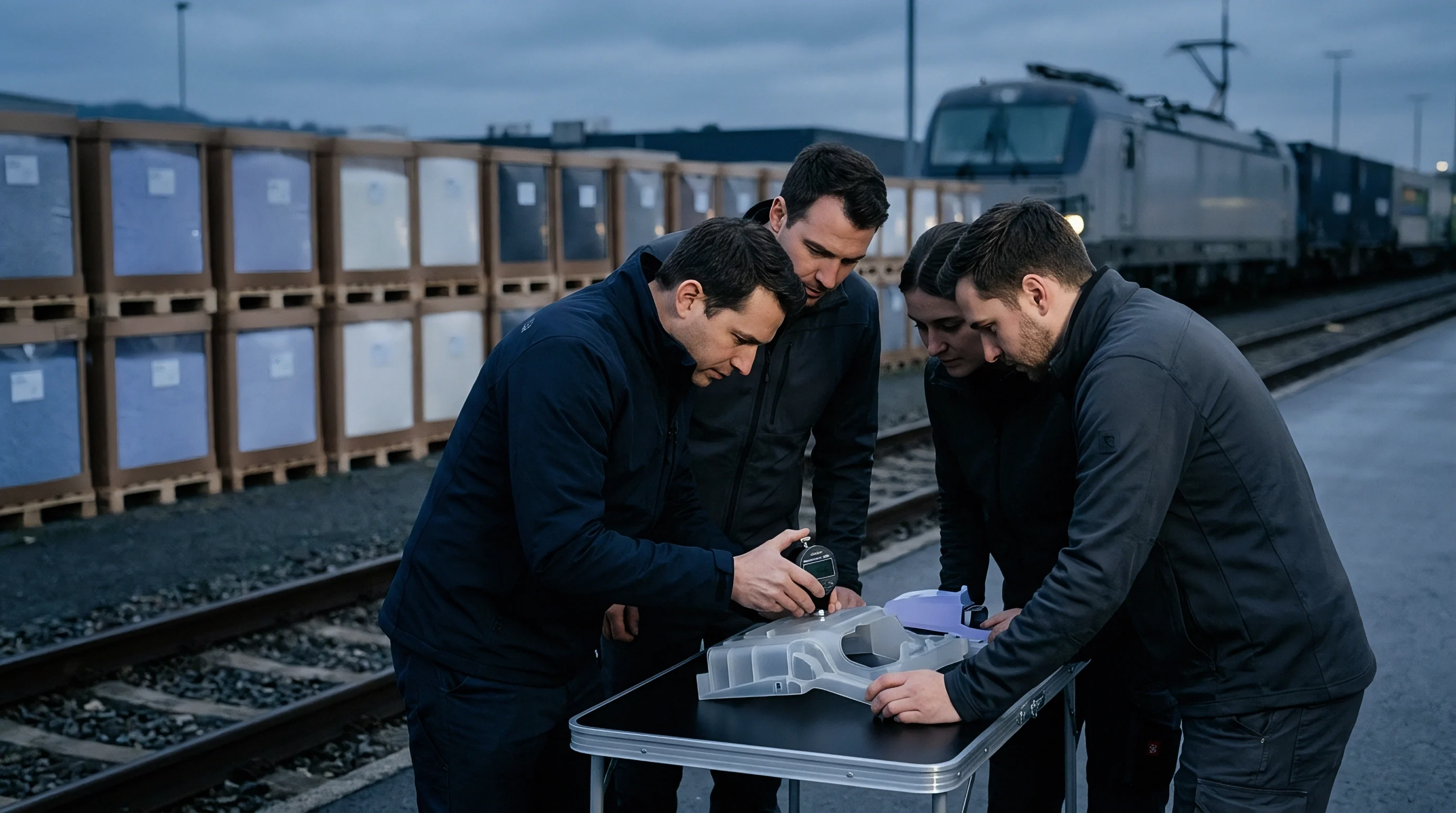
A rigorous incoming inspection and process qualification protocol closes the gap between certificate of analysis paperwork and actual hopper performance. Polymer sourcing teams verify not only that the delivered resin meets baseline melt flow or intrinsic viscosity requirements, but that the material dries down within the operational time envelope permitted by plant equipment. Sourcing alternative suppliers requires complete qualification of drying kinetics alongside laboratory verification of intrinsic viscosity retention post-melt.
Pre-shipment resin qualification tests assess the drying rate curve of each new supplier grade. Technicians dry a five-kilogram sample lot inside a controlled desiccant test bed operating at -45 deg C dewpoint and 165 deg C process air. Moisture checks using Karl Fischer coulometry at thirty-minute intervals generate a grade-specific moisture decay curve.
A compliant grade reaches the 40 ppm processing ceiling within four hours. Resins containing high residual cyclic oligomer levels or inconsistent amorphous-to-crystalline fractions exhibit sluggish diffusion kinetics, requiring up to six hours to achieve target dryness, thereby throttling plant throughput.
Melt Degradation Index Verification
The Melt Degradation Index assesses polymer susceptibility to chain scission under standard processing temperatures. The procedure tests intrinsic viscosity across dried pellets before and after capillary extrusion or rheological thermal holding. Technicians dry resin to 30 ppm, measure baseline intrinsic viscosity via solution viscometry according to ISO 1628-5 using dichloroacetic acid or phenol/1,1,2,2-tetrachloroethane solvents, then hold the dry melt at 285 deg C for ten minutes under a dry nitrogen blanket inside a parallel-plate rheometer.
A high-stability polymer grade loses less than 0.02 dL/g across the test window. Batches with residual polymerization catalysts or heavy transesterification promoter residues drop 0.06 dL/g or more, signaling high hydrolytic and thermal instability under plant-floor shear.
Qualifying post-consumer flake streams demands expanded testing parameters. Wash line contamination leaves traces of polyvinyl chloride, ethylene-vinyl acetate, and alkaline detergents. Residual caustic soda from flake wash tanks acts as a transesterification catalyst at 280 deg C, accelerating hydrolytic chain scission even when pellets measure below 30 ppm moisture.
Flake inspection requires testing for residual surface alkalinity via pH extraction tests alongside infrared spectroscopic screening for PVC flakes, where concentrations above 50 ppm liberate hydrochloric acid gas during processing, blackening molds and degrading polyester molecular weight.
Procurement teams protect operating margins by inserting explicit moisture desorption rates, cyclic oligomer extraction limits, and post-drying intrinsic viscosity ceilings directly into purchasing terms. Quality managers sign off on landed lots only after testing demonstrates that incoming chips meet diffusion kinetics matching plant dryer capacity. The supplier claims that resin shipped dry inside foil-lined barrier bags justifies bypassing incoming inspection, yet broken container seals and moisture permeation during maritime transit routinely undermine uninspected production runs.