Meaning
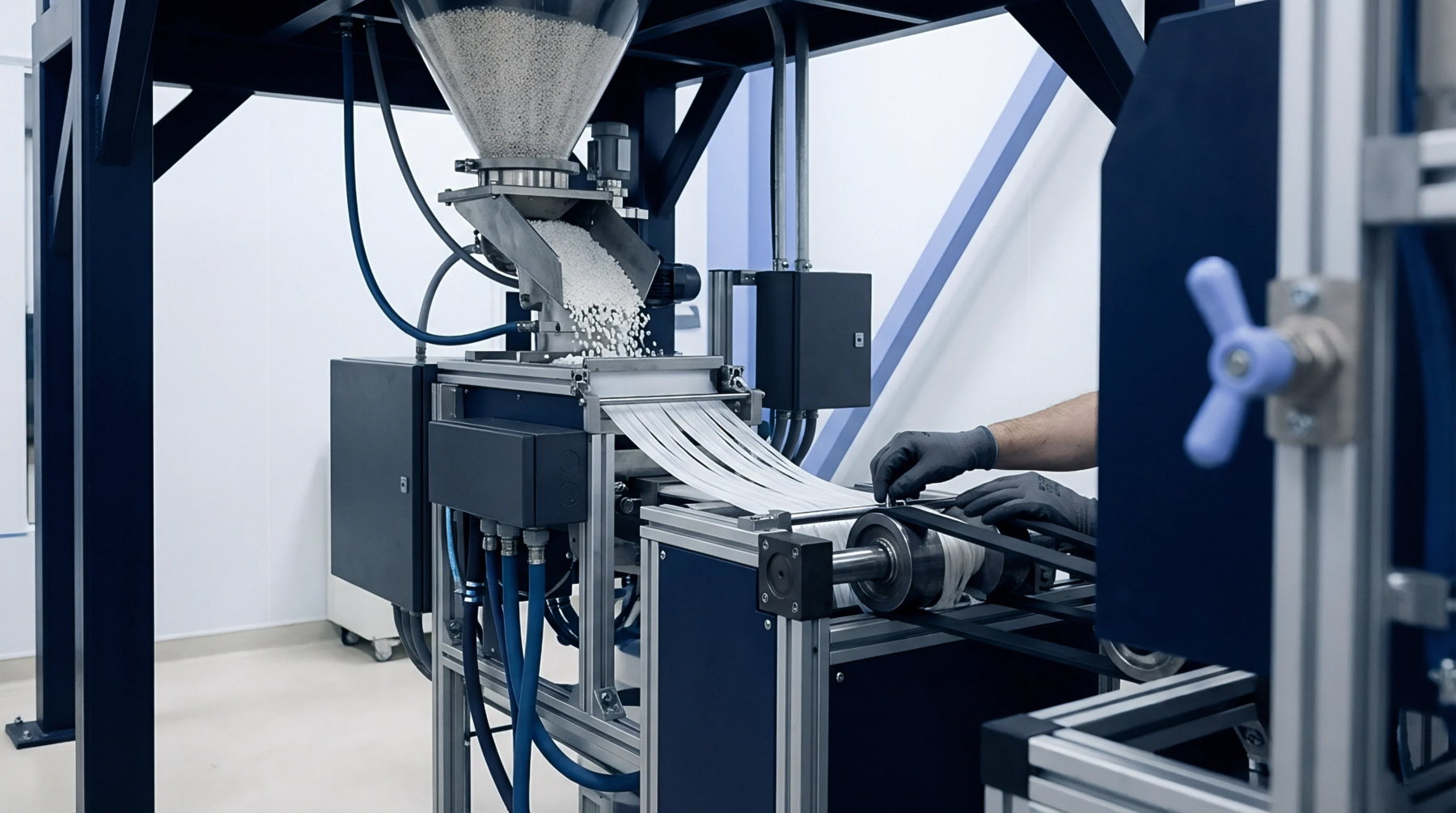
Insulated storage vessels designed to hold resin while exposing it to a controlled stream of dry air facilitate the removal of internal moisture. The primary function of a desiccant hopper involves maintaining a uniform temperature and airflow for a specific residence time. It holds the resin pellets in a vertical column, allowing dry air to enter through a diffuser at the bottom.
As air rises, it pulls moisture from the polymer, which then exits at the top to be recharged.
Capacity Planning
Proper sizing depends on the material throughput and the required drying time of the specific resin. A hopper that is too small allows pellets to pass through before they reach the target moisture level. Conversely, an oversized vessel increases the risk of thermal history issues for heat-sensitive materials.
Mass Balance
Effective drying relies on the relationship between the volume of resin and the volume of air delivered. If the air volume is insufficient, the heat cannot penetrate the center of the resin bed. This leads to a temperature gradient where the material near the walls stays cooler than the material in the center.
Structural Design
Internal geometry ensures that material moves downward in a consistent manner without creating stagnant zones. Stainless steel construction prevents contamination and withstands the abrasive nature of glass-filled polymers. The cone angle at the base is calculated to promote mass flow, ensuring every pellet experiences the same environmental conditions.
These vessels often include sight glasses for monitoring levels and built-in sensors to track the temperature of the exiting air.