
PET Drying Windows and the Hydrolysis a Moulder Absorbs
Excess residual moisture causes instant ester chain hydrolysis in molten PET, dropping intrinsic viscosity and destroying mechanical part strength.
Excess residual moisture causes instant ester chain hydrolysis in molten PET, dropping intrinsic viscosity and destroying mechanical part strength.

Delivered resin moisture guarantees require coulometric Karl Fischer verification under ISO 15512 Method B1 paired with machine downtime chargeback clauses.

Determining commodity resin grades requires multi-point shear viscosity validation and strict Certificate of Analysis contract limits to secure part performance.
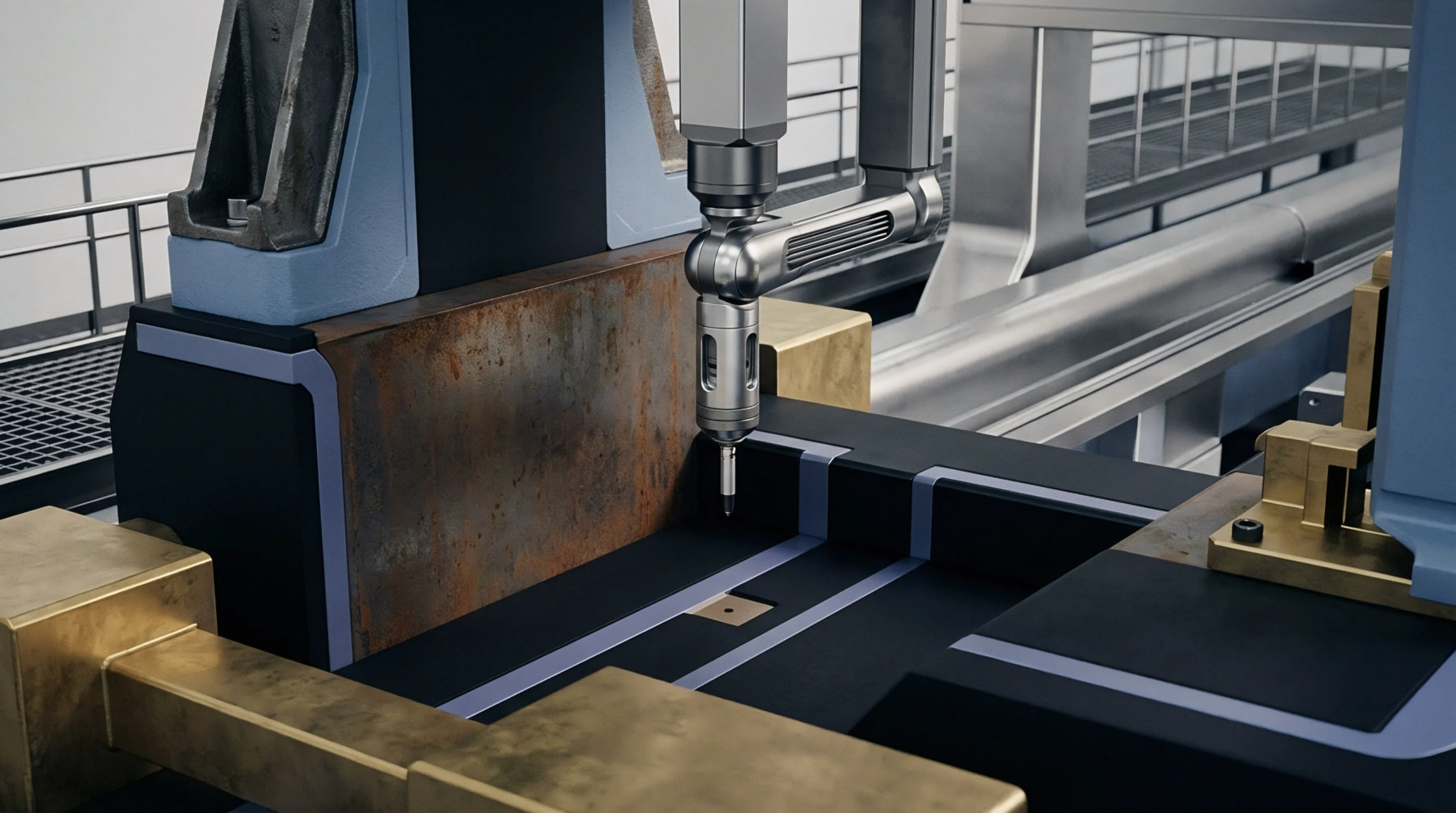
Dew point monitoring alone fails to guarantee dry resin; coulometric Karl Fischer titration per ISO 15512 Method B is mandatory to prevent hydrolytic scission.
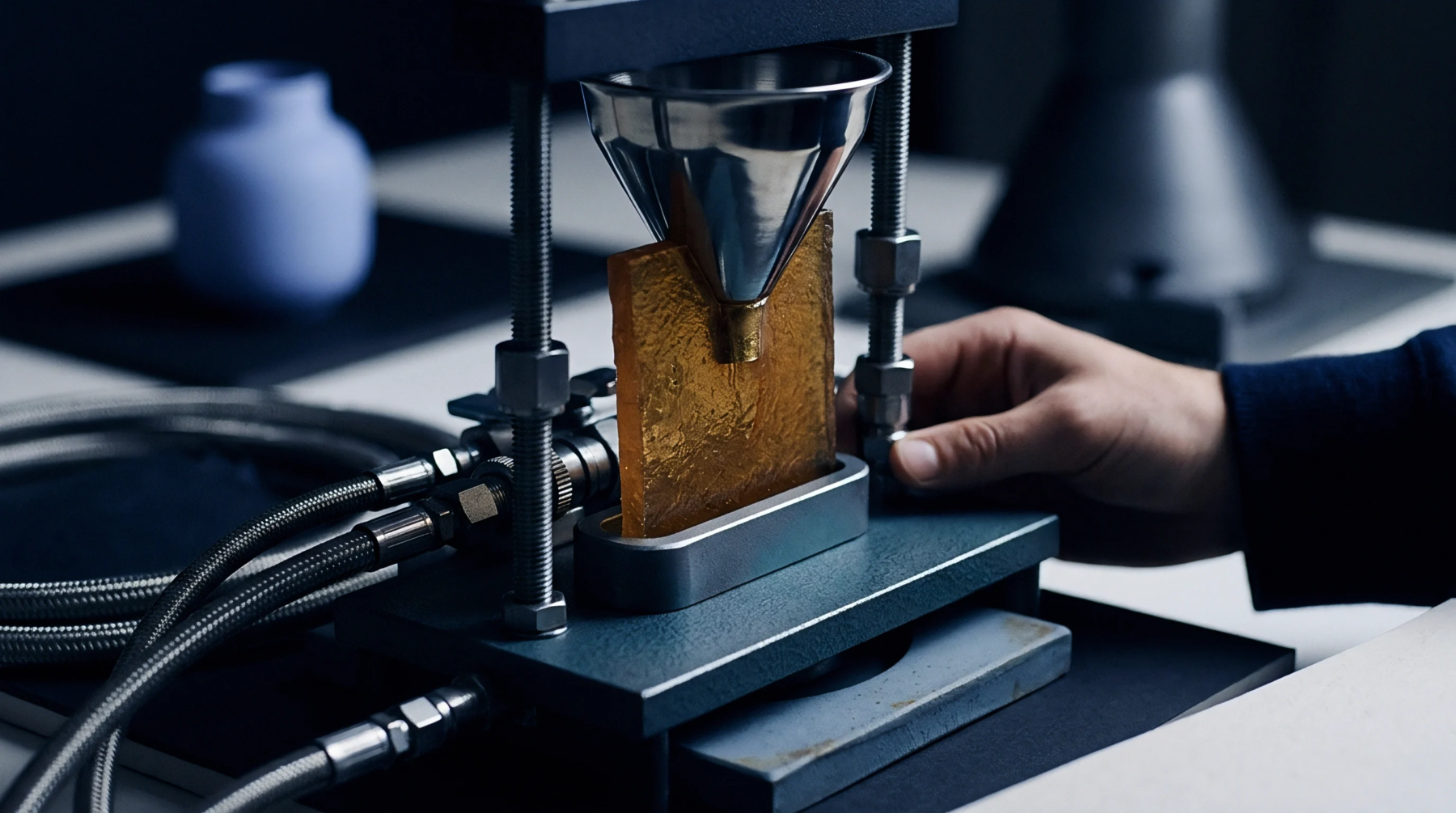
Coulometric KF titration overestimates bio-polyester moisture due to degradation side-reactions; kinetic baseline correction isolates physical moisture.
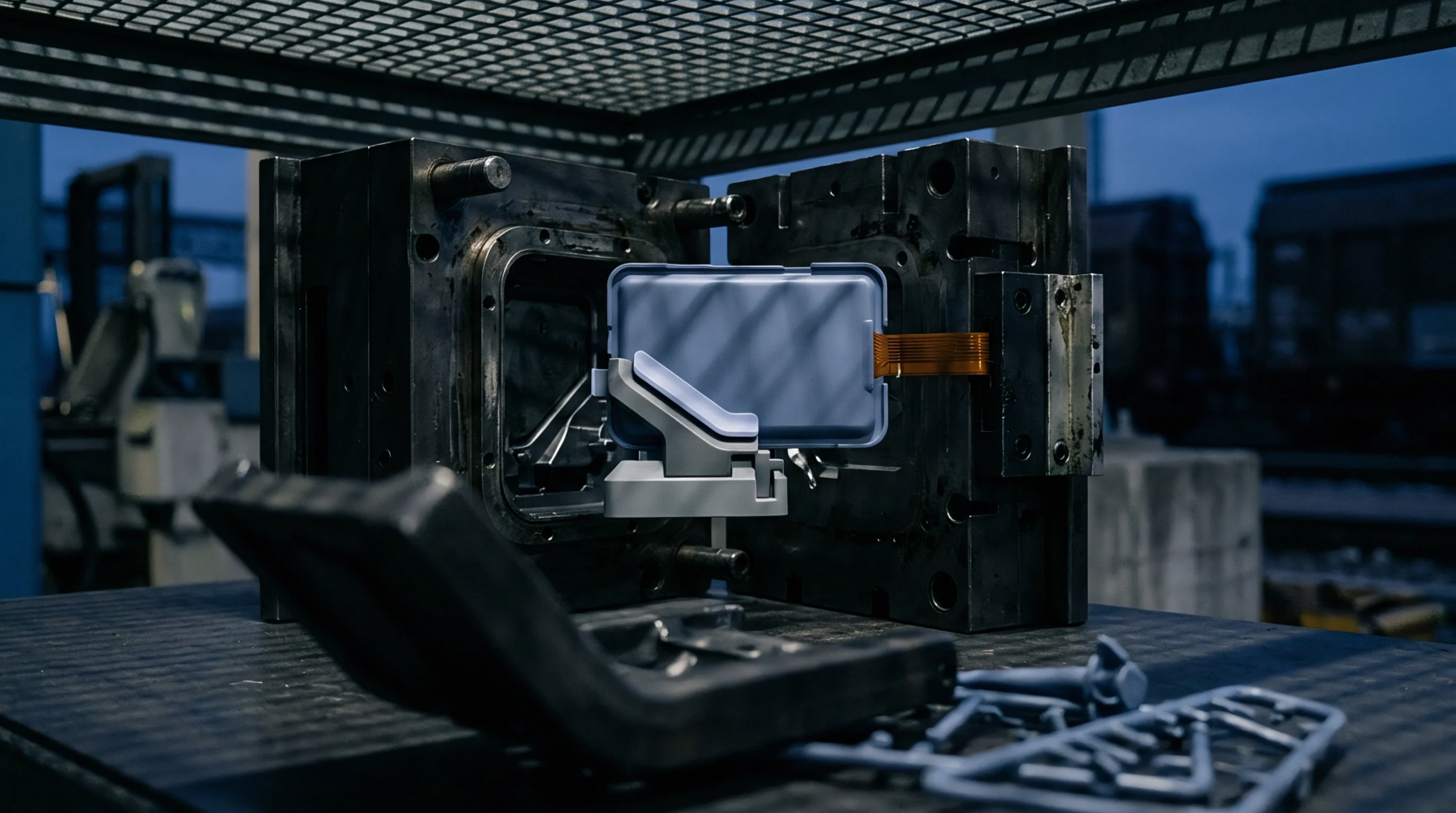
Mathematical integration models decouple physical moisture from thermal ester cleavage off-gas water to ensure accurate resin quality control.

Coulometric baseline deconvolution separates true matrix moisture from organic volatile interference in rPET, preventing false lot rejections and IV degradation.

Solid-state transesterification generates parasitic water during thermal extraction; dynamic baseline deconvolution prevents false moisture rejections.
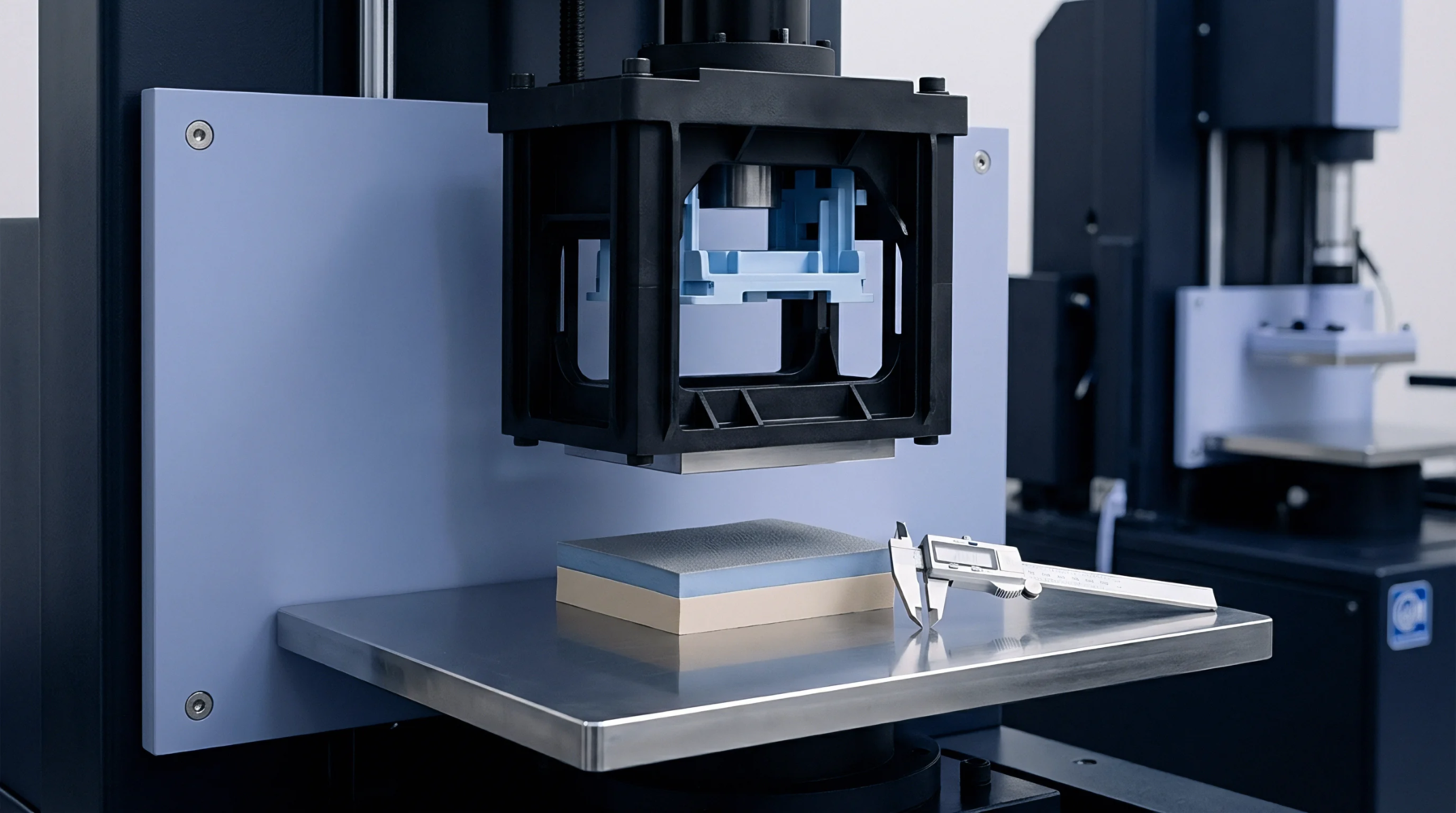
Accurate moisture testing below 50 ppm via Karl Fischer oven titration prevents hydrolytic intrinsic viscosity degradation in recycled PET during melt processing.
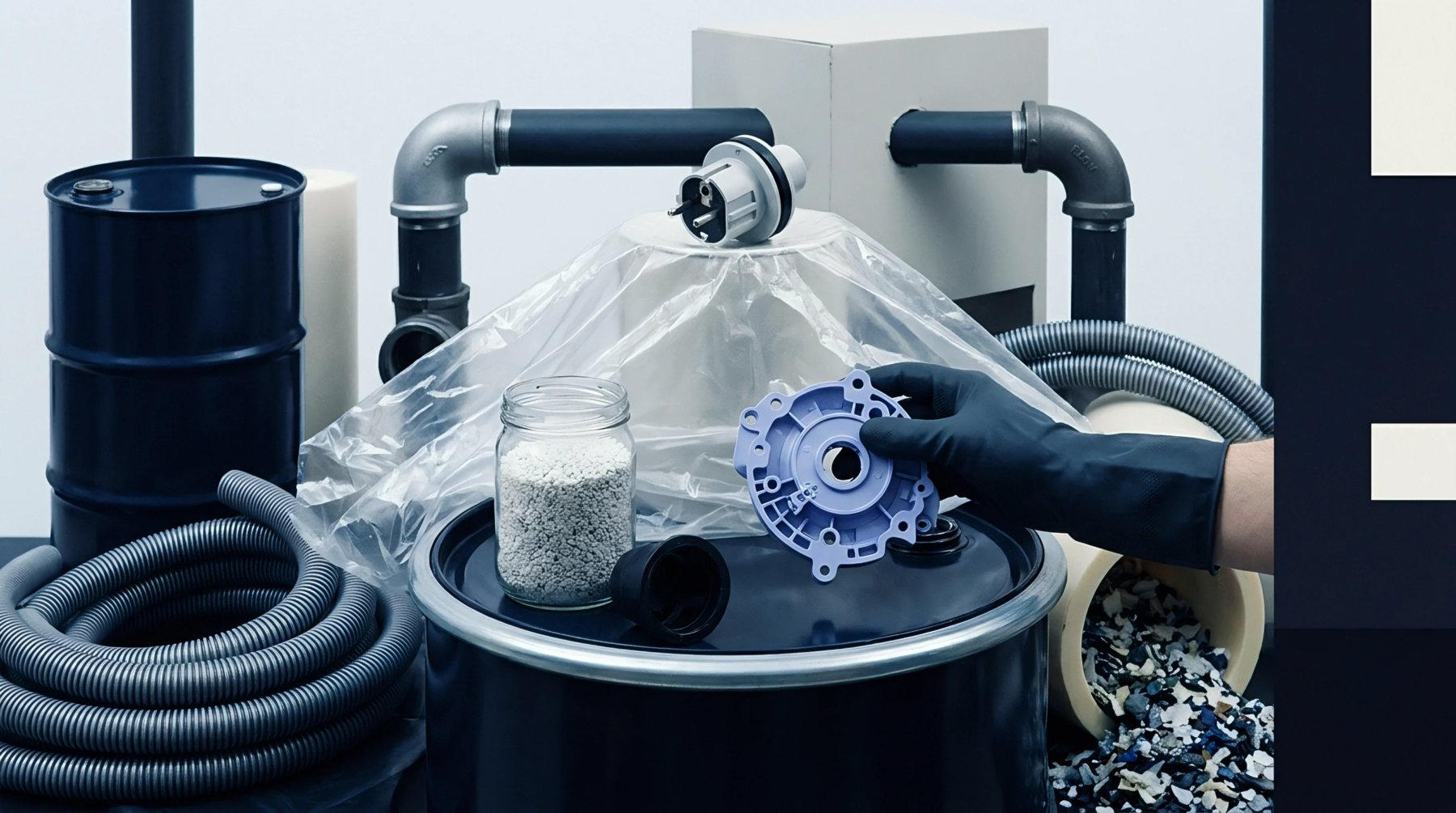
Coulometric baseline correction eliminates volatile organic interference in recycled resin moisture analysis to prevent over-drying energy waste and hydrolytic chain scission.

Matching resin melt stability and wall thickness to regional waste facility residence times prevents unexpected landed part cost escalation.
Polyethylene terephthalate ester bonds hydrolyze rapidly in melt above 270 °C, requiring drying below 30 ppm moisture to prevent intrinsic viscosity collapse.
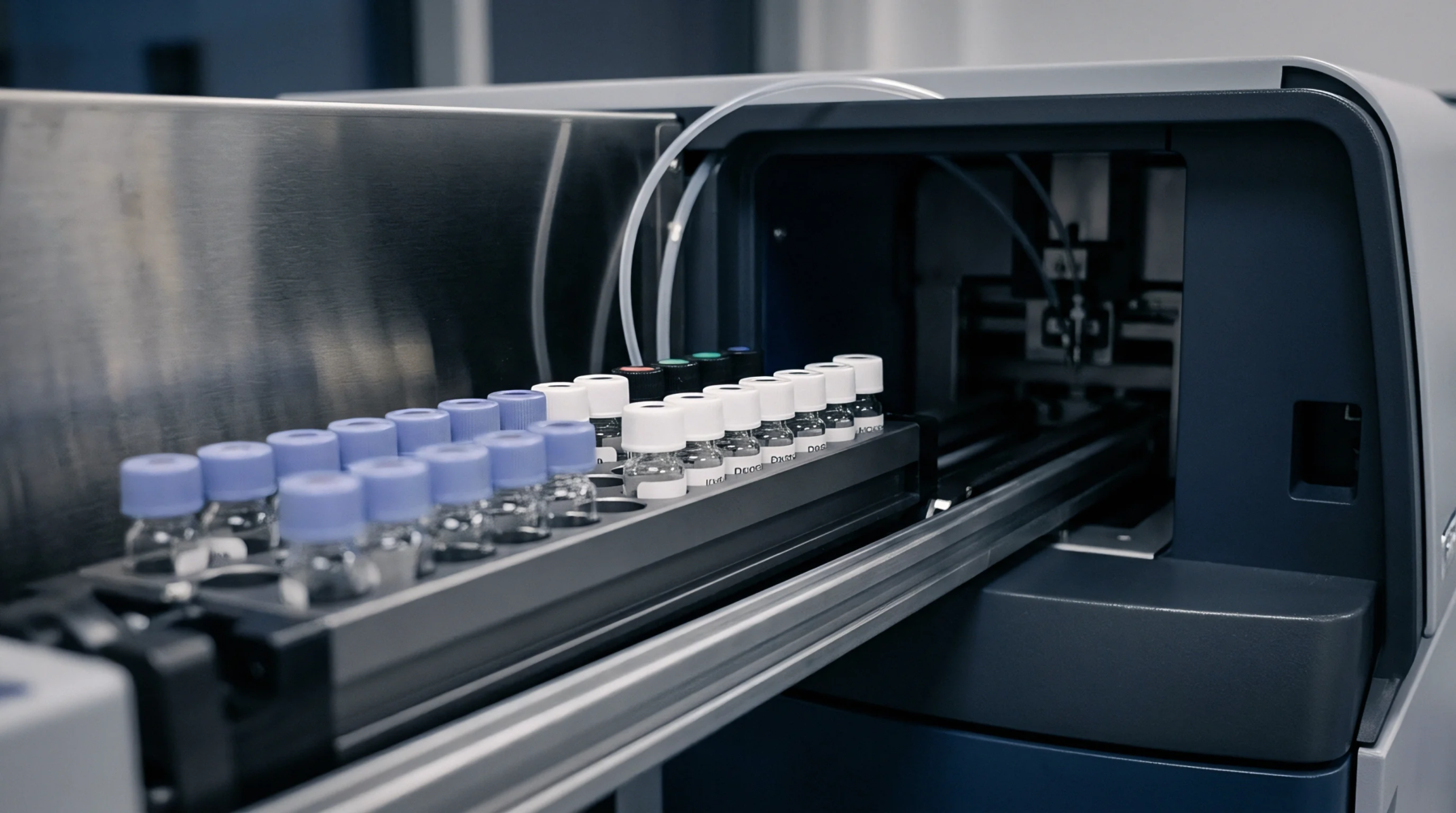
Solid-phase transesterification releases stoichiometric reaction water during vaporization coulometry, creating analytical bias that requires linear baseline deconvolution.

Coulometric Karl Fischer testing with oven desorption at 170 °C isolates true water content in rPET below 50 ppm, preventing costly IV degradation during melt processing.

Controlling thermal and hydrolytic degradation in polyhydroxyalkanoates requires drying under 200 ppm water, active vacuum devolatilization, and targeted carboxyl scavenging.
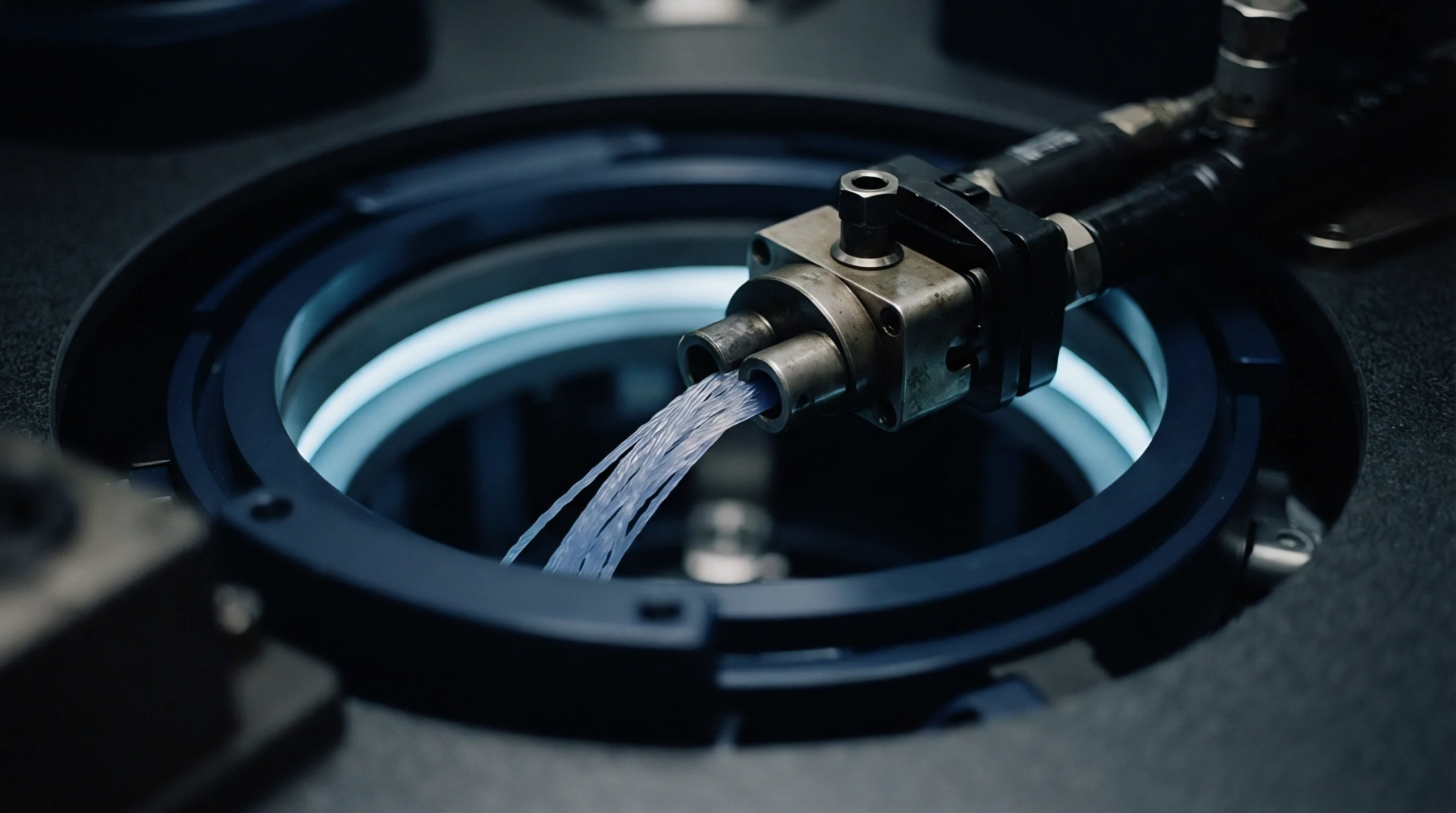
Melt flow rate fails to catch high-shear viscosity drift in dynamic feedstocks, requiring capillary rheology and inline pressure monitoring to control scrap.
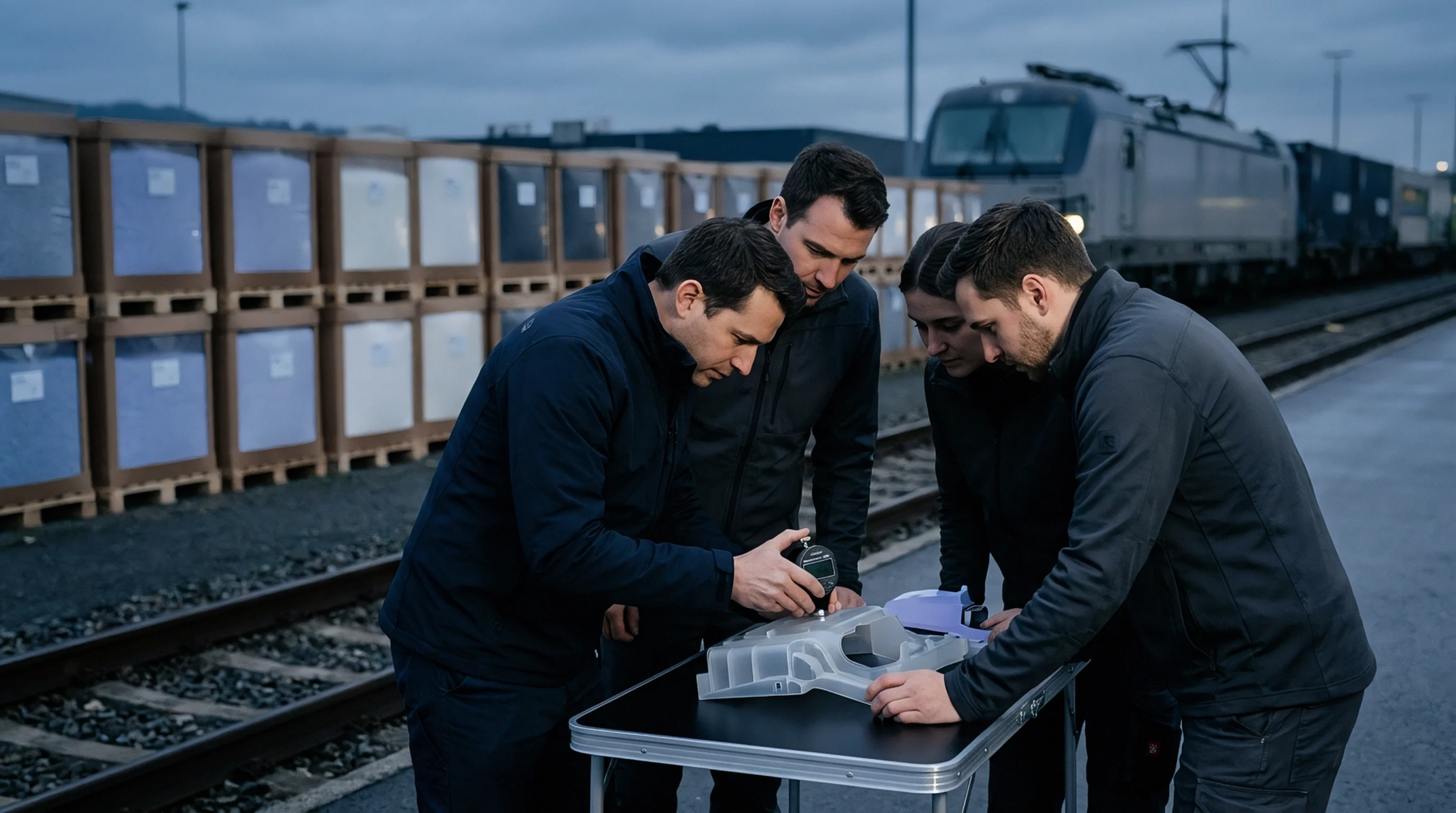
Headspace Karl Fischer titration requires temperature optimization between desorption and polymer decomposition to measure true moisture without pyrolytic errors.
Calculate downtime penalties by summing unabsorbed press hourly burden, loaded labor, scrapped resin mass, purge cycles, and hot runner clearing expenses.

Incoming resin qualification mandates physical sampling, melt rheology auditing, and CoA validation to prevent off-spec polymer from entering production.
Multi-party moisture disputes depend on ISO 15512 Method C baseline sampling at loading and container dew point tracking before silo transfer.

Calculating polyolefin landed arbitrage viability demands evaluating cracker co-product yield spreads against comonomer properties and freight tariffs.
Proving undisclosed hydrolytic degradation in polyamides requires solution viscometry per ISO 307 and carboxyl end-group titration per ISO 16533.

Resin moisture correlates to air dew point only at thermodynamic equilibrium; diffusion kinetics and hopper dwell dynamics govern actual Karl Fischer values.

Optimize rPET desiccant drying at 160-170°C with -45°C dew point dry air to maintain moisture under 30 ppm and prevent intrinsic viscosity drop.
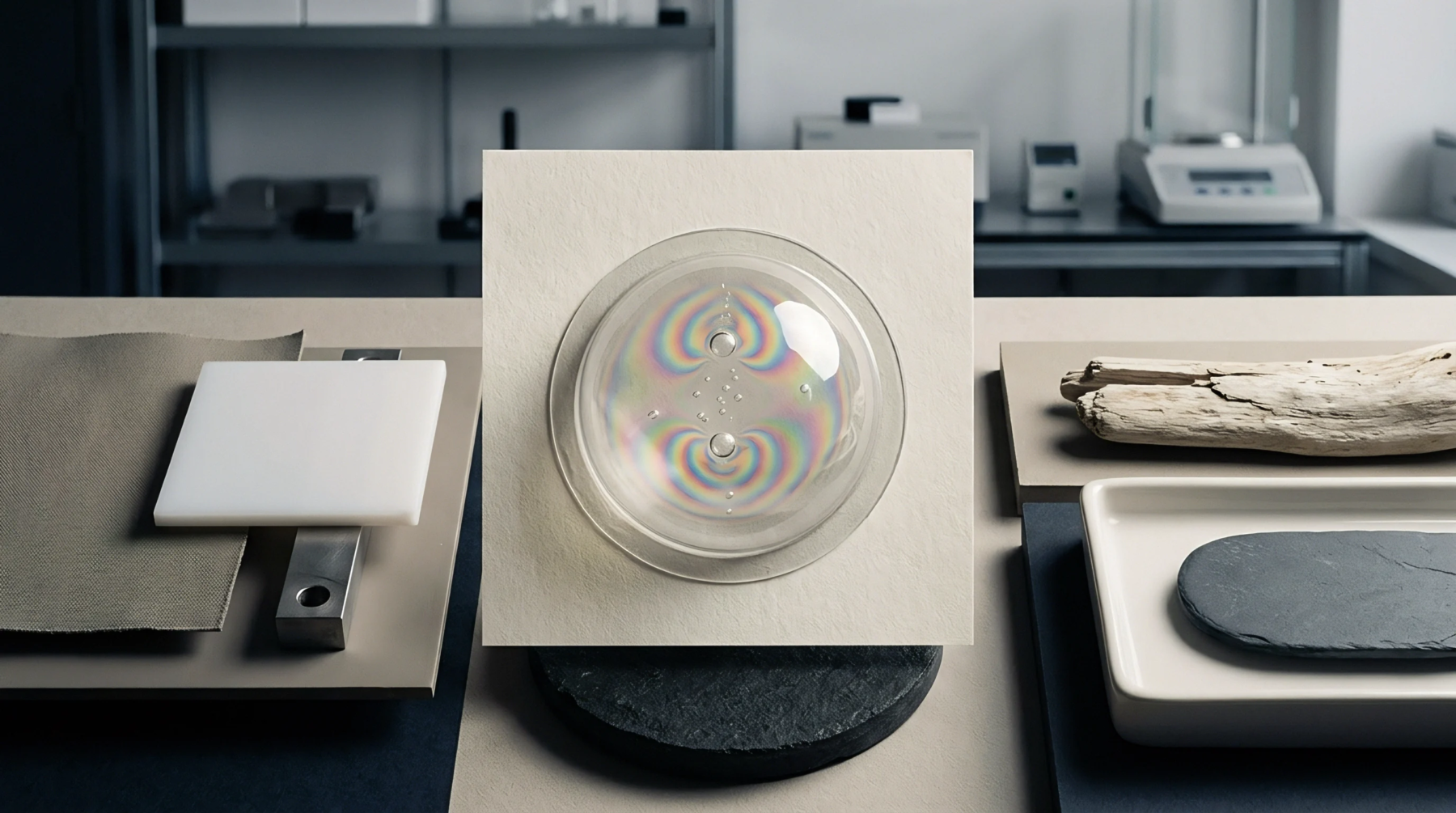
Karl Fischer moisture testing of recycled PET flake requires thermal desorption at 170 C with methanol-free reagents to eliminate volatile interference.
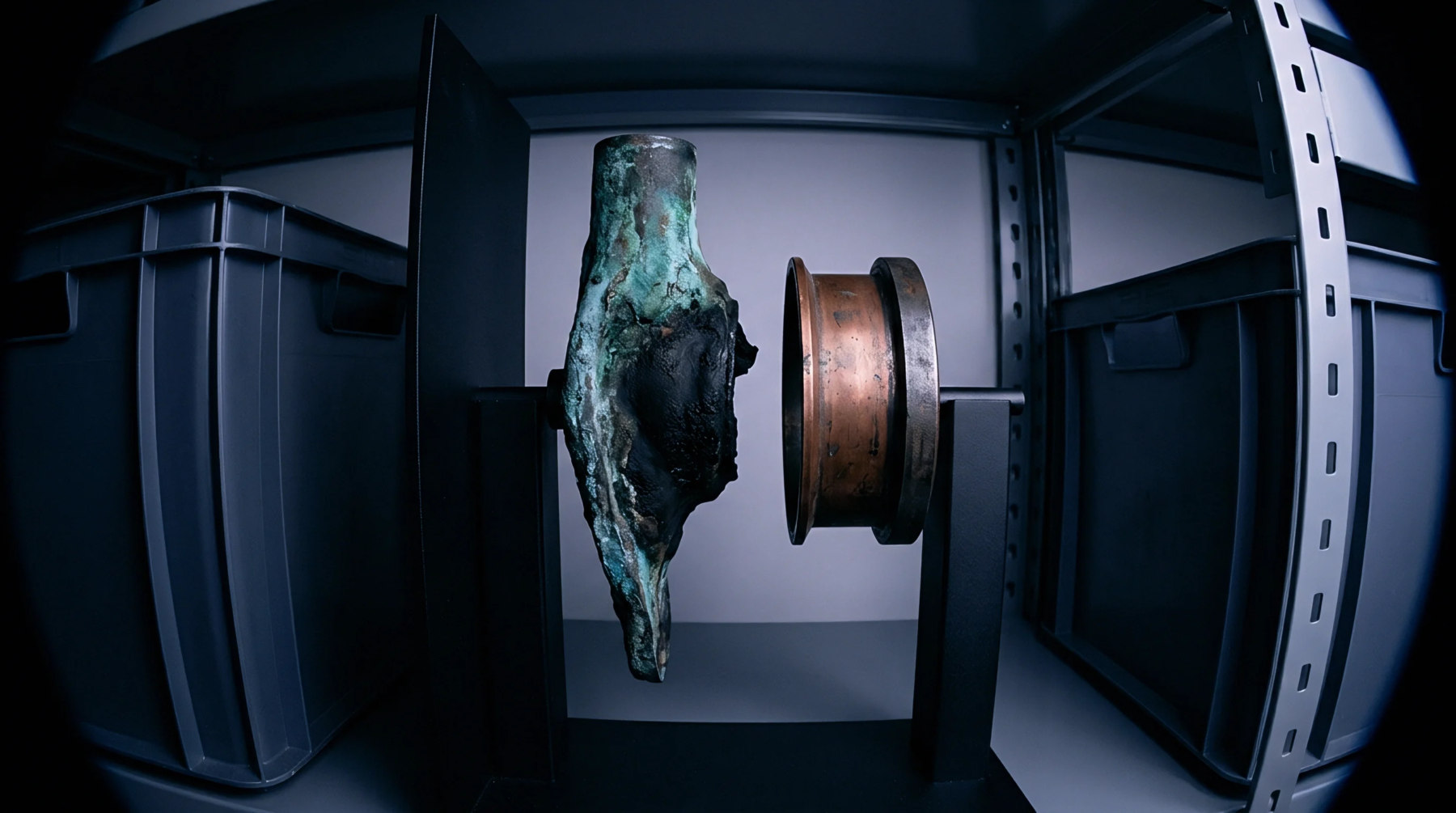
Melt viscosity loss in bio-polyesters stems from moisture hydrolysis and shear; maintaining under 200 ppm moisture and tight processing thermal windows prevents severe scrap penalties.
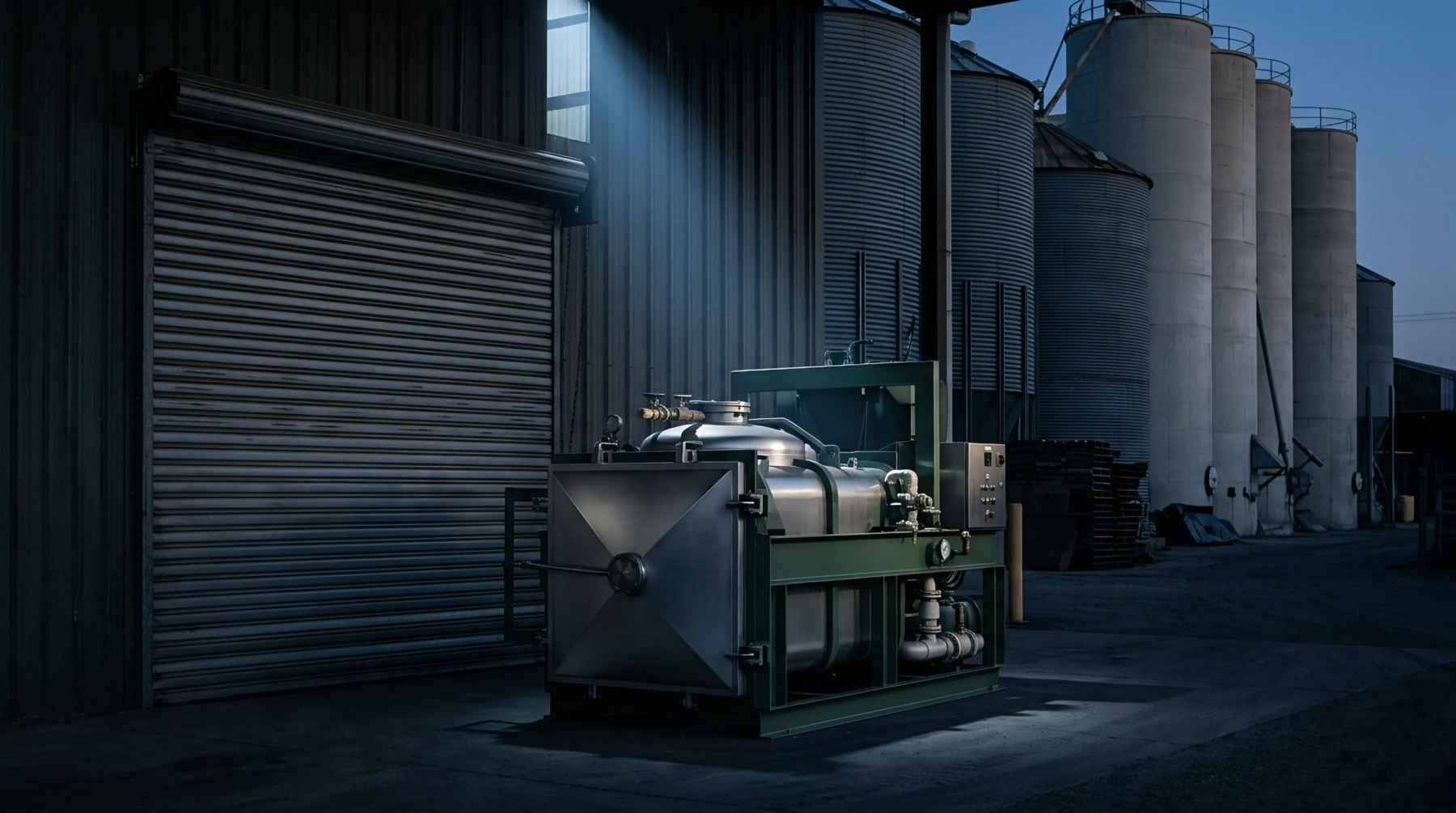
Intrinsic viscosity loss in PET processing is determined by measuring dilute solution flow time or capillary melt viscosity to quantify polymer chain cleavage.
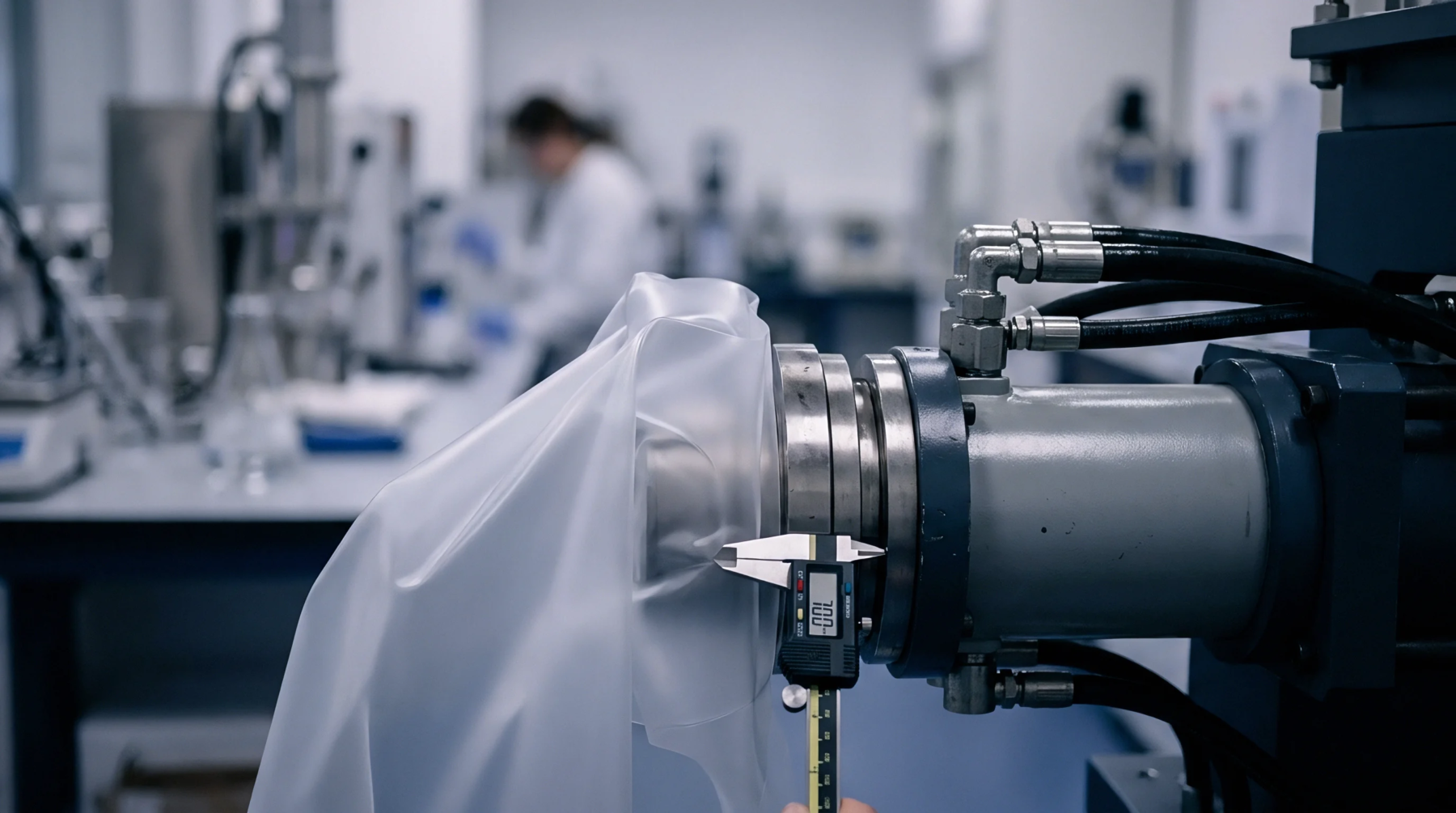
Extruding polyesters above 280°C demands moisture below 30 ppm to prevent ester hydrolysis, intrinsic viscosity loss, and catastrophic part brittleness.
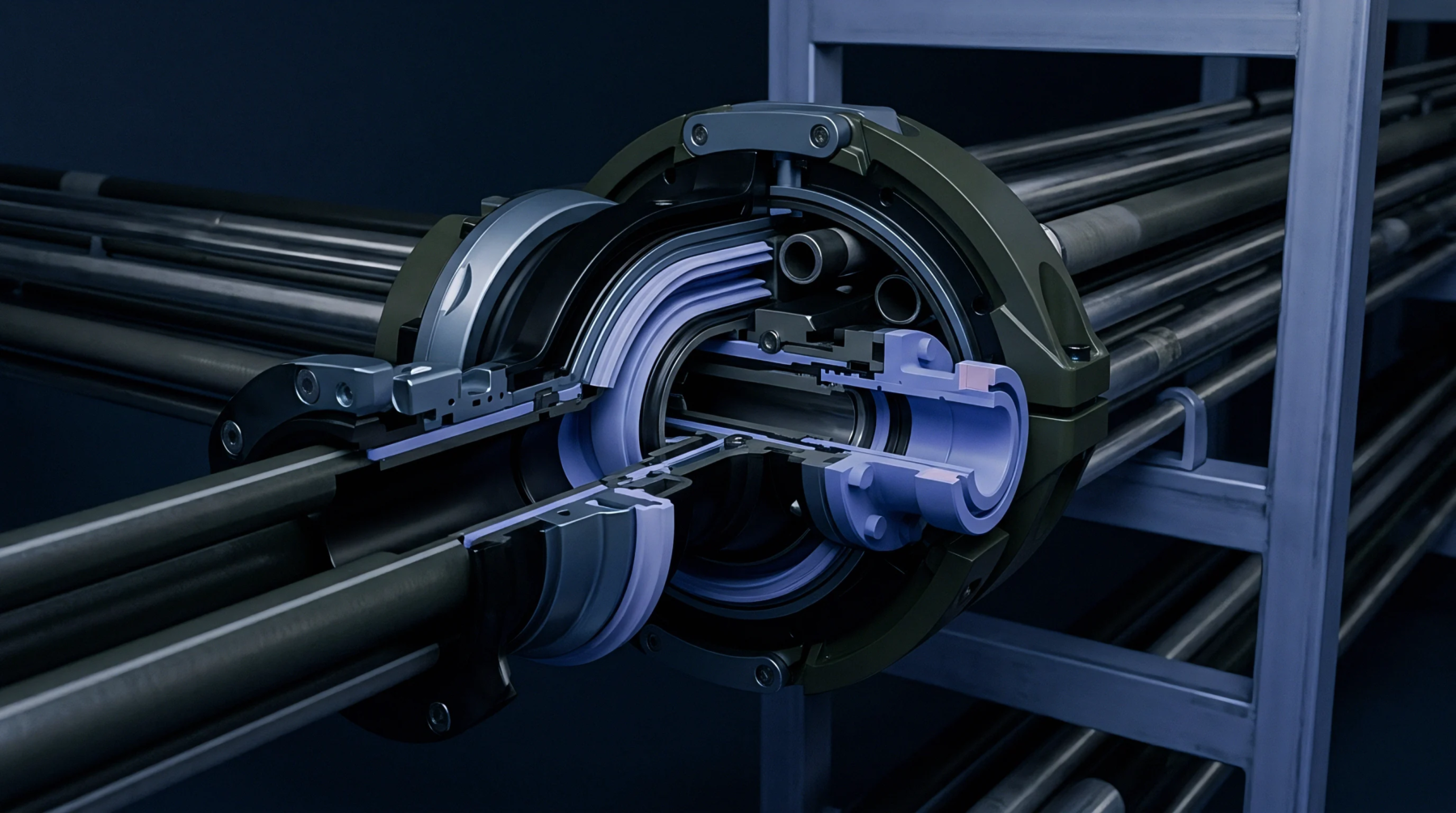
Controlling micro-zone hydrolytic degradation in PET extrusion requires suppressing boundary-layer moisture below 30 ppm and limiting local shear heating spikes.

Temperature-stepped vaporization coulometry isolates physical water desorption from catalytic transesterification to ensure accurate low-ppm moisture determination.
Expertise is a utility, not a secret. sentiention™ publishes its working knowledge as open reference: intelligence layer covering the materials it sources, the markets it enters, and the reference that serves both.