Meaning
Terminal functional groups containing carbon and oxygen atoms mark the ends of polyester molecular chains. The concentration of carboxyl end groups indicates the degree of polymerization and the potential for future degradation. High levels of these groups often signal that the resin has already undergone significant thermal or hydrolytic stress.
Material Property
Synthesis of polyethylene terephthalate naturally leaves some chain ends as acid groups rather than hydroxyl groups. In high performance resins, the number of carboxyl end groups is kept low to ensure long term stability under humid conditions. Reaching a concentration above thirty equivalents per ton significantly increases the rate of further chain breakdown.
Hydrolytic Sensitivity
Acidic terminals act as internal catalysts that accelerate the reaction between water and the polymer backbone. Because carboxyl end groups facilitate the cleavage of ester bonds, resins with high acid values degrade faster during the melt phase. Proper drying becomes even more critical when the incoming resin has a high initial acid count.
Degradation Marker
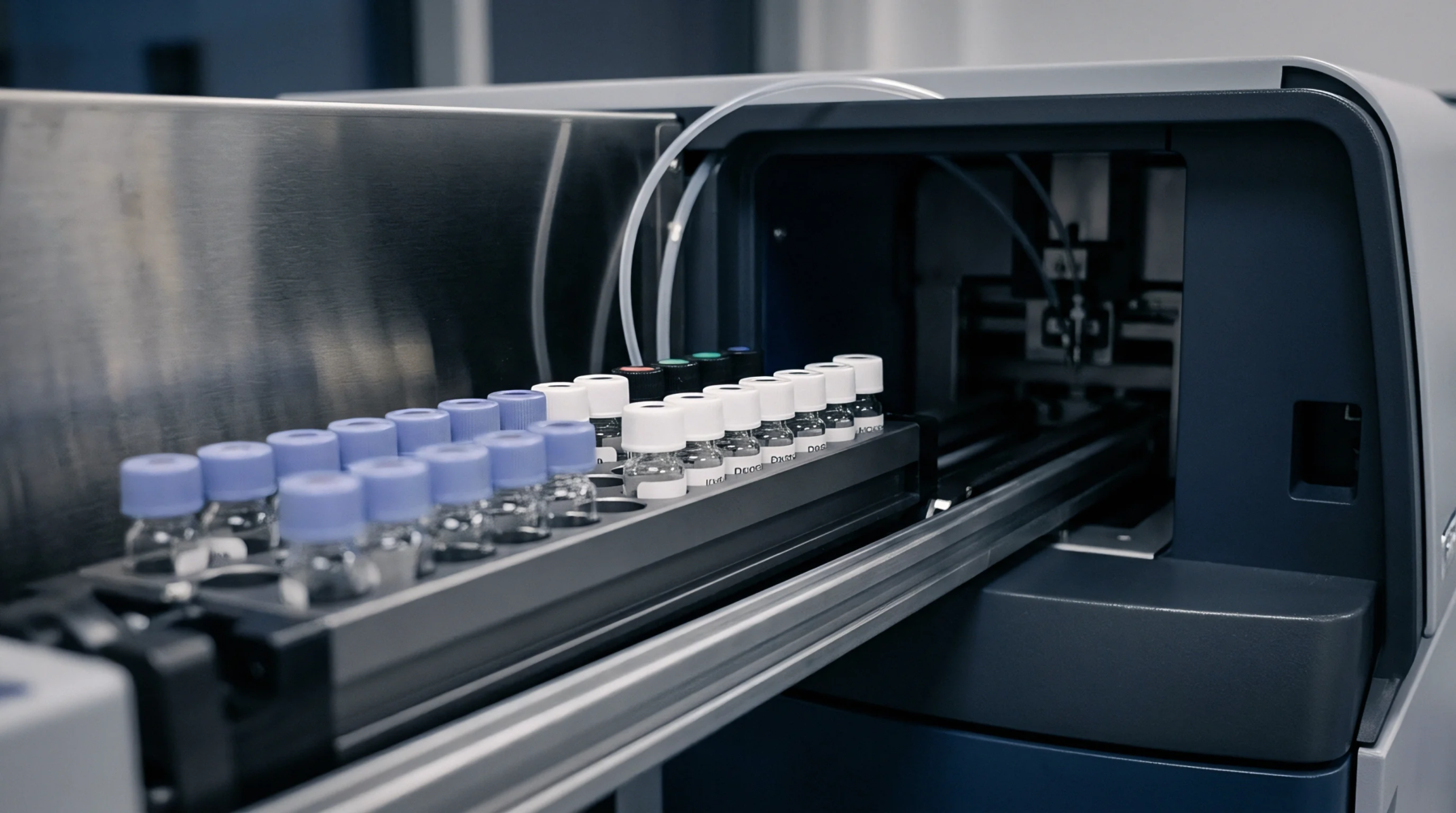
Measurement of these terminals provides a way to quantify the damage caused by multiple heat cycles or poor storage. While a datasheet might specify virgin values, testing for carboxyl end groups in the final part reveals whether the moulding process was too aggressive. Monitoring this chemical signature allows engineers to troubleshoot brittle failures that appear months after the part leaves the factory.
This value provides a definitive chemical record of the material history.