Meaning
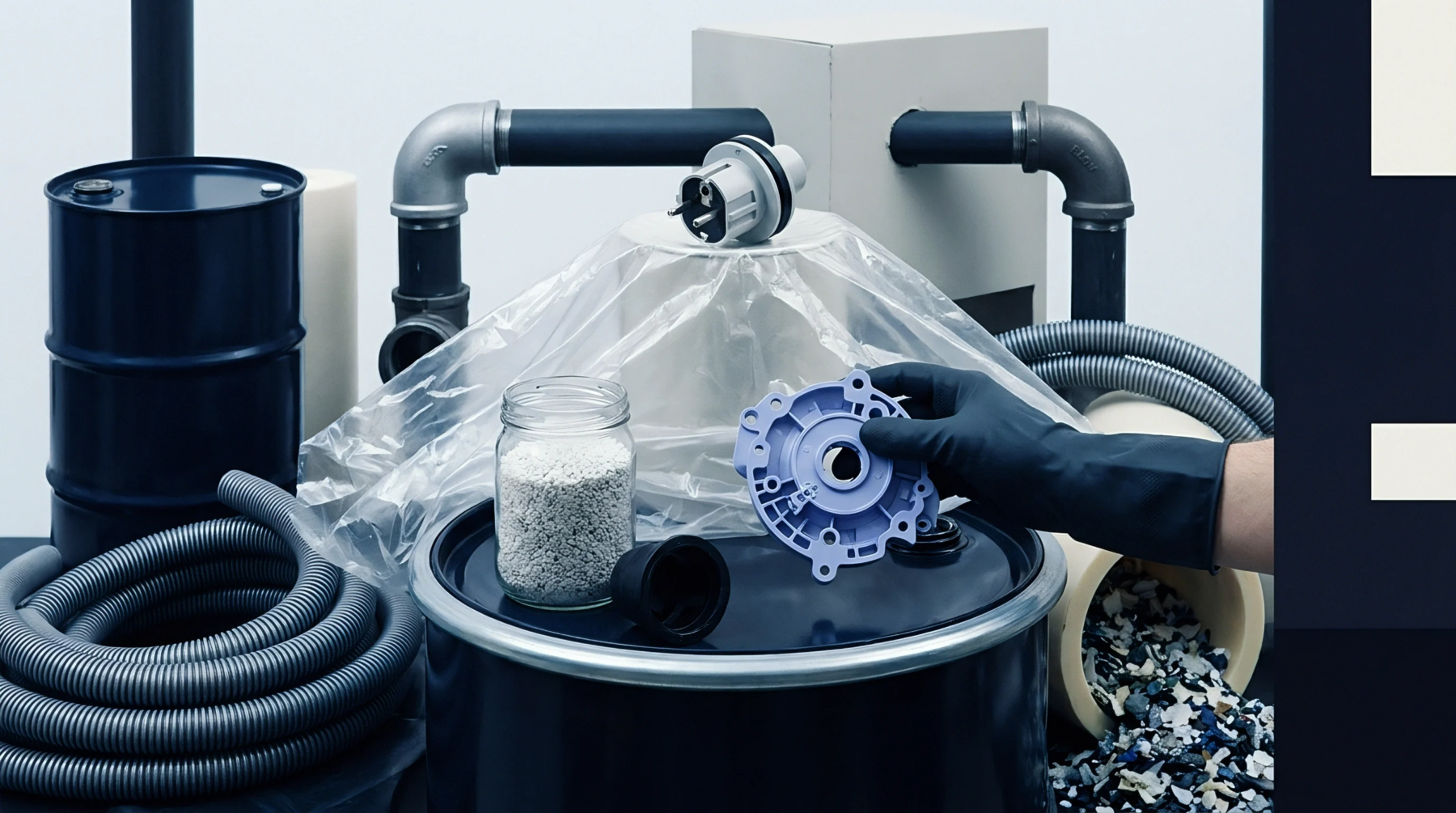
The maximum concentration of foreign material or degraded polymer that a production process can accept without causing physical failures or surface blemishes defines this operating boundary. High contamination tolerance allows processors to use greater fractions of post-consumer regrind or recycled resin in their molding blends. When a material possesses a low threshold, even minute quantities of dust, cross-linked gels, or incompatible polymers will cause major manufacturing defects.
Defect Prevention
Component structural integrity relies on maintaining contaminant levels well below the critical limits of the resin. In injection moulding, particulate impurities act as stress concentrators that initiate premature mechanical fractures in the finished parts. Choosing a resin formulation with high contamination tolerance protects the moulding runner system from blockage and reduces the risk of nozzle clogging.
Operators adjust the filtration screen packs in the extruder to capture large debris before it can compromise the melt stream. This proactive maintenance step prevents downtime by ensuring that the machinery is never subjected to particulates it cannot safely process.
Recycle Economy
Financial feasibility in polymer sourcing hinges on the price difference between virgin and regrind raw materials. Using secondary materials reduces direct raw material costs but introduces a higher risk of processing variation. A moulder working with a high contamination tolerance can confidently incorporate lower-grade recycled polymers to lower production budgets.
This economic benefit vanishes if the impurity level exceeds the ability of the melt filter to process the contaminated resin.
Process Control
Screw design and melt filtration systems are engineered to handle the specific impurity profile of the incoming raw feed. Processors must establish tight receiving standards to ensure the contamination tolerance of the equipment is never exceeded during long runs. Automated optical sorting and inline sensor networks can detect sudden spikes in contaminant density before the polymer enters the molding cycle.
This tracking step prevents high scrap rates and maintains part consistency.