Quantifying VOC Contamination Effects on Synthetic Zeolite Dew Point Retention in Polyethylene Terephthalate Recycling
Volatile organic contamination fouls synthetic zeolites through competitive adsorption and binder coking, collapsing drying dew point and degrading recycled PET.
Bed
Post-consumer bottle flakes enter processing hoppers carrying significant chemical residue alongside surface moisture. Decontamination washing systems remove exterior beverage dregs and label adhesives, yet volatile organic compounds remain trapped within the polyester matrix. Mechanical recycling systems pass dried process air across this flake mass at temperatures between 160 and 180 degrees Celsius to prepare the polymer for extrusion.
Moisture levels inside the feed must drop below 0.005 percent by weight, translating to fifty parts per million, to avoid rapid chemical degradation inside the extruder barrel.
Drying towers rely on synthetic aluminosilicate molecular sieves to achieve process air dew points below minus forty degrees Celsius. When heated process gas strips moisture from contaminated flake, vaporized organic residues travel directly into the desiccant vessel. Hydrolysis cuts polyester chains immediately.
Moisture destroys intrinsic viscosity. The presence of volatile compounds alters the adsorption thermodynamics of the desiccant mass, driving premature moisture breakthrough into the process loop.
Hydrolytic Chain Scission Limits
Molten polycondensates undergo rapid transesterification and cleave ester bonds when water content exceeds fifty parts per million. Polyethylene terephthalate flake with an incoming intrinsic viscosity of 0.80 deciliters per gram drops to 0.64 deciliters per gram inside an extruder when exposed to process air with a dew point of minus twenty degrees Celsius. The resulting melt fractures easily.
Molders encounter dropped parisons, wall thickness instability, and diminished top-load strength in blown bottles.
Non-compliance with ASTM D570 moisture thresholds below fifty parts per million invalidates bottle-to-bottle food contact resin preform warranties.
Extrusion processors managing recycled content monitor the intrinsic viscosity drop across the screw melt zone. Virgin polyester processing routinely tolerates an intrinsic viscosity loss of 0.02 deciliters per gram across the throat and barrel. Flake dried over compromised desiccant beds routinely displays drops between 0.08 and 0.15 deciliters per gram under ASTM D4603 capillary viscometry testing at thirty degrees Celsius in phenol and 1,1,2,2-tetrachloroethane.
This degradation cannot be corrected by screw design adjustments or higher vacuum degassing levels at the barrel vents.
Desiccant Core Architecture
Synthetic type 4A crystalline aluminosilicates utilize sodium cations within an aluminosilicate cage structure to establish high equilibrium suction for dipole moisture. These crystals feature an effective crystallographic window diameter of four angstroms. Commercial drying beads integrate roughly twenty weight percent of an inert clay binder to agglomerate sub-micron zeolite crystals into structurally stable two-millimeter to three-millimeter spheres.
Water molecules enter first. The open structure of the binder forms a secondary transport pore network that distributes inbound process air across the crystal surfaces.
Drying systems deployed in polyolefin compounding tolerate broad variations in desiccant performance because non-polar resins do not experience chain scission under high process humidity. Polyester processing does not share this tolerance. Operating a closed desiccant loop below a minus forty-five degree Celsius dew point requires uninterrupted moisture capacity across the crystalline matrix, meaning that any secondary chemical species that blinds pore entries or blocks adsorption sites forces immediate scrap production across downstream molding assets.
Sorption
Chemical species stripping from hot post-consumer flake streams divide across distinct molecular diameter classifications. Food packaging polymers retain polar degradation products, processing aids, cleaning surfactants, and volatile flavor compounds throughout their service life. During hot air de-dusting and preheating, these compounds desorb from the flake along with moisture, traveling through return ductwork into the desiccant vessel.
Adsorption beds confront competitive co-adsorption phenomena where foreign chemical species compete directly with water vapor for internal and external surface sites. Small polar organics penetrate the four-angstrom crystallographic window of type 4A zeolites. Bulky organic molecules remain trapped within the macropores of the clay binder matrix, accumulating over operational cycles.
Which Contaminants Accelerate Desiccant Saturation?
Post-consumer flake streams carry diverse organic compounds derived from food contact, label adhesives, and thermal decomposition. Flake washing leaves residual glycols. The return air loop delivers these volatilized compounds directly to the desiccant media at temperatures typically between fifty and seventy degrees Celsius.
- Ethylene glycol deposits via condensation and chemisorption, exhibiting a kinetic diameter of 3.9 angstroms that allows direct penetration into type 4A crystal cages where strong hydrogen bonding displaces water dipoles.
- D-limonene accumulates heavily inside binder transport channels due to its bulky 6.5-angstrom molecular width, restricting bulk mass transfer through external surface occlusion despite being excluded from crystal cages.
- Acetaldehyde migrates through four-angstrom pore apertures, competing for sodium coordination sites and polymerizing into crotonaldehyde derivatives under elevated regeneration temperatures.
- Acetic acid generates corrosive acidic environments within the aluminosilicate matrix, attacking crystalline silicon-oxygen-aluminum bonds while lowering structural framework stability over repetitive cycles.
Competitive Adsorption Mechanics
Polar organic molecules exhibit energetic affinity for exposed sodium cations inside the crystalline framework. Ethylene glycol possesses two terminal hydroxyl groups, yielding an adsorption enthalpy comparable to water on type 4A zeolites. When vaporized ethylene glycol strikes a saturated or partially saturated zeolite pore, competitive displacement occurs.
Water molecules with lower adsorption energies detach from specific cation sites, releasing moisture back into the dried process air.
Bulky non-polar terpenes behave differently. Limonene fouls the binder matrix. Hydrocarbon fractions from post-consumer milk containers, personal care packaging, and adhesive residues coat the outer perimeter of desiccant spheres, blinding macropores and mesopores.
Inward diffusion of water vapor slows down by factors between three and eight, shrinking the mass transfer zone within the desiccant column.
| Chemical Species | Kinetic Diameter (Å) | Boiling Point (°C) | Type 4A Entry Mechanism | Type 13X Entry Mechanism |
|---|---|---|---|---|
| Water | 2.65 | 100 | Full cage penetration | Full cage penetration |
| Acetaldehyde | 3.90 | 20.2 | Selective cage diffusion | Rapid supercage diffusion |
| Ethylene Glycol | 3.95 | 197.3 | Steric drag into windows | Rapid supercage diffusion |
| Acetic Acid | 4.30 | 118.1 | Pore mouth chemisorption | Full supercage penetration |
| D-Limonene | 6.50 | 176.0 | Binder exclusion only | Supercage entrapment |
| Diethylene Glycol | 5.40 | 245.8 | Binder exclusion only | Steric hindered uptake |
Desiccant distributors routinely assure plant engineers that standard thermal blowers easily clear routine hydrocarbon vapor burdens during the scheduled daily purge step.
Drift
Moisture removal efficiency degrades progressively as cumulative volatile organic loading builds across repeated cycles. Fresh synthetic aluminosilicates maintain an equilibrium dynamic water capacity near twenty-two grams of water per one hundred grams of dry desiccant at twenty-five degrees Celsius and forty percent relative humidity. Organic contamination reduces this active capacity systematically, shortening the duration between bed regenerations and shifting the breakthrough profile.
Process control instrumentation tracking drying air dew points reveals this deterioration through rising baseline readings. A clean desiccant column holds the process airstream at minus fifty-five degrees Celsius for twelve consecutive hours. Contaminated columns reach an operational plateau near minus thirty-eight degrees Celsius before experiencing rapid breakthrough toward minus ten degrees Celsius within four hours of cycle initiation.

Dynamic Breakthrough Curves
Fresh crystalline aluminosilicate desiccant achieves equilibrium process dew points of minus fifty-five degrees Celsius under continuous airflow. Inbound moisture condenses instantly across a narrow mass transfer zone near the bed entrance. Contaminant accumulation broadens this transfer zone, forcing the boundary layer through the bed toward the process exhaust port.
- Baseline cycle validation documents clean air dew points holding below minus fifty-five degrees Celsius for eight hours at sixty cubic meters per hour air velocity.
- Initial VOC deposition elevates cycle minimum dew points to minus forty-six degrees Celsius while shortening effective drying hold time to six hours.
- Macropore blinding progression shifts minimum attainable dew point to minus thirty-six degrees Celsius, driving the mass transfer zone through the entire sieve volume within three hours.
- Terminal bed breakthrough yields process dew point values above minus twenty degrees Celsius within forty-five minutes of bed switchover, forcing automatic line shutdown.
How Rapidly Does Zeolite Capacity Decline?
Accumulated chemical exposure directly suppresses the working mass of water captured per kilogram of desiccant media. Sieve life cycles shorten drastically when processing post-consumer flake containing volatile contamination exceeding two hundred parts per million by weight. Adsorption capacity falls every cycle.
A cumulative exposure of twelve grams of heavy volatile organics per kilogram of type 4A desiccant raises the cycle minimum dew point from minus fifty-two to minus twenty-eight degrees Celsius at standard airflow.
Consider a dryer operating with a two-hundred-kilogram charge of type 4A zeolite processing post-consumer bottle flake at five hundred kilograms per hour. The return gas stream carries fifty parts per million of mixed volatile organics, comprising forty percent limonene, thirty percent ethylene glycol, and thirty percent mixed low-boiling aldehydes and acetate esters. Over twenty-four hours of operation, six hundred grams of volatile organics transit the drying loop, exposing the desiccant to three grams of organic load per kilogram of zeolite media daily.
| Cumulative VOC Load (g/kg Sieve) | Dynamic Water Capacity (wt%) | Attainable Dew Point (°C) | Time to -35°C Breakthrough (h) | Flake Moisture at Throat (ppm) |
|---|---|---|---|---|
| 0.0 (Virgin) | 21.8 | -58 | 11.5 | 18 |
| 2.5 | 18.4 | -51 | 9.2 | 26 |
| 5.0 | 15.1 | -44 | 7.1 | 38 |
| 10.0 | 11.6 | -36 | 4.3 | 52 |
| 15.0 | 8.2 | -27 | 2.1 | 84 |
| 20.0 | 5.4 | -18 | 0.8 | 140 |
| Test conditions: Air velocity 0.32 m/s; inlet moisture 14.5 g/kg dry air; bed temperature 55°C; Type 4A sodium zeolite 2.5 mm spherical beads. | ||||
Process equipment handling post-industrial edge trim maintains stable -50°C dew points across thirty-six months without desiccant replacement. Post-consumer bottle flake plants running identical dryers exhaust their desiccant beds within six months. The industry remains split over whether dual-bed alternating towers can incorporate automated intermediate desorbing flushes without initiating thermal degradation of the zeolite matrix.
Pyrolysis
Thermal desorbers operating between two hundred and two hundred sixty degrees Celsius cannot strip high-boiling terpene compounds cleanly from aluminosilicate surfaces. Water desorbs efficiently at two hundred degrees Celsius, breaking its electrostatic dipole interaction with sodium cations. D-limonene, diethylene glycol, and synthetic adhesive oligomers possess high boiling points and undergo chemical decomposition before thermal desorption occurs.
Desorption demands higher thermal energy.
Standard regeneration cycles draw ambient air across an electric heater battery and drive the hot air through the exhausted sieve bed. In the presence of atmospheric oxygen and heated catalytic Lewis acid sites on the aluminosilicate structure, adsorbed organic compounds crack into reactive intermediate radicals. These fragments undergo secondary condensation and aromatization, depositing solid carbonaceous coke within the micropores and across the binder matrix.

Coke Deposition Mechanisms
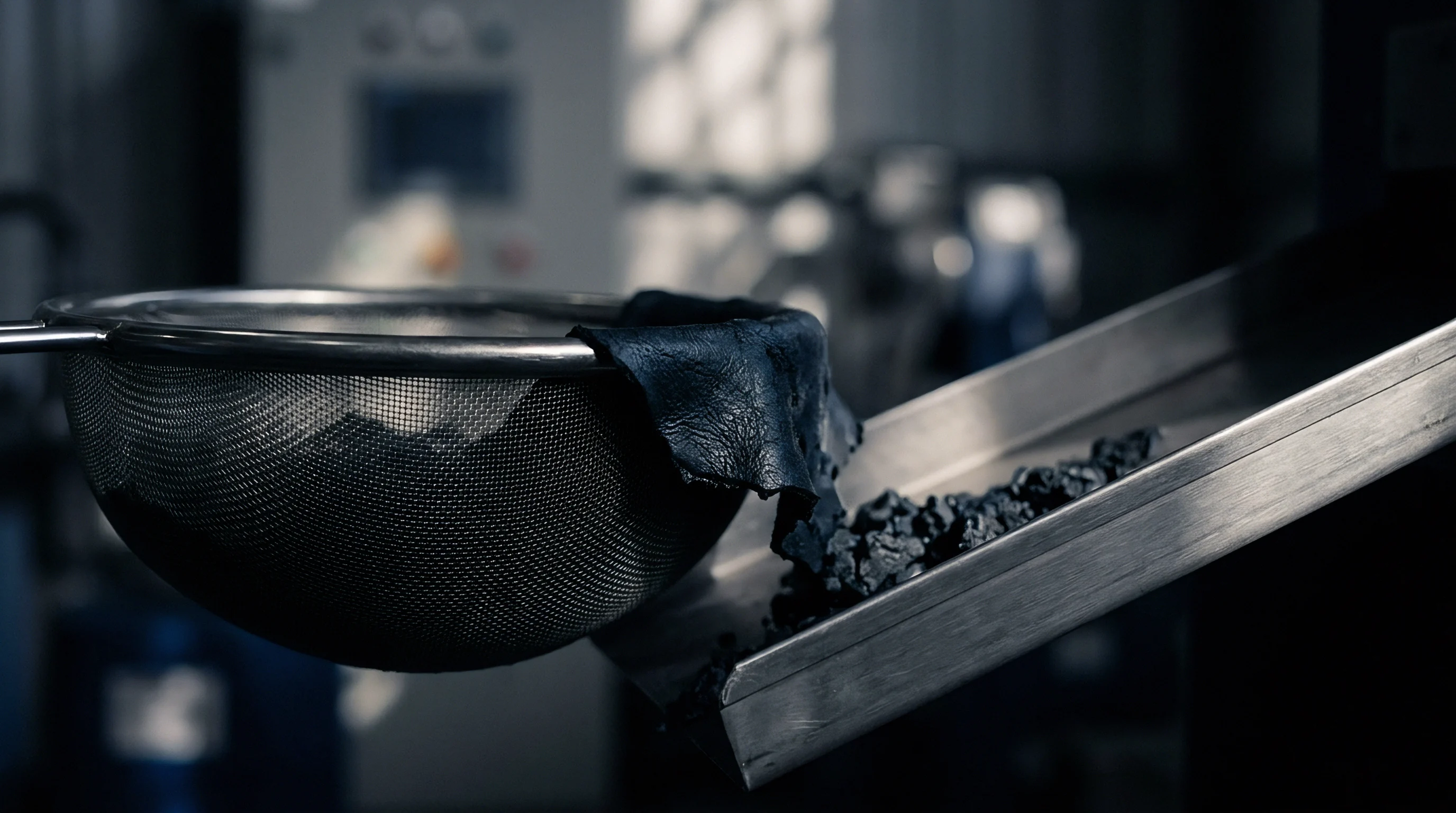
Non-volatile residues trapped within the porous binder networks bake into stubborn polyaromatic carbon sheets during hot air purge sequences. Carbon deposits block the windows. Thermal cracking occurs at the internal sodium-aluminate polyhedral faces, transforming clear white or pale cream desiccant spheres into mottled grey, brown, and glossy black pellets.
Routine regeneration fails over time.
Acidic sites accelerate catalytic cracking. Ethylene glycol decomposes into acetaldehyde, glyoxal, and carbonaceous oligomers between two hundred twenty and two hundred eighty degrees Celsius. Acetic acid residues strip structural aluminum atoms from the zeolite crystal framework, a phenomenon termed dealumination.
Dealumination destroys the crystalline lattice, permanently extinguishing cation-driven electrostatic moisture attraction.
Binder Breakdown Consequences
Commercial extruded beads rely on attapulgite or sepiolite clay additions to withstand mechanical attrition inside dense packing columns. Organic coking weakens the clay binder cohesion by disrupting platelet interlocking and degrading residual structural silicates. Sieve replacement stops production lines.
Darkening desiccant beads indicate irreversible binder carbonization rather than transient surface dusting.
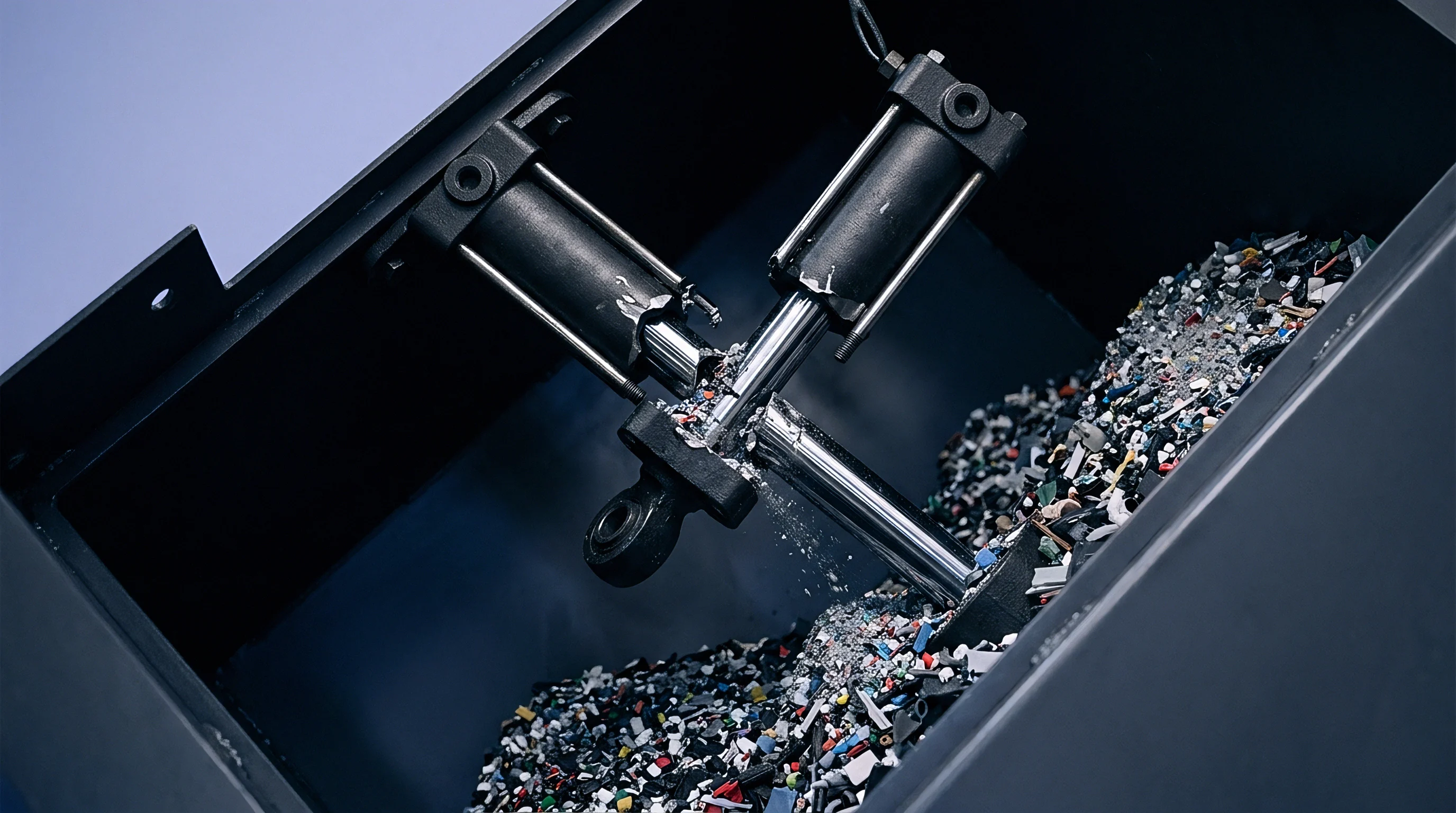
Brittle desiccant spheres fracture under cyclic thermal expansion and contraction during alternate heating and cooling cycles. Crushed particles produce fine silicate dust that migrates through retention screens, entering process blower bearings and landing directly within the PET drying hopper. Fine dust contamination in bottle-grade flake causes preform haze, spinneret clogging in fiber production, and black specks in thermoformed sheet.
Desiccant beds running heavily contaminated post-consumer flake loose structural integrity long before reaching their theoretical chemical life expectancy.
Qualification
Receiving docks and processing halls require unambiguous laboratory criteria to isolate exhausted desiccant charges. Visual inspection provides insufficient evidence of adsorption capacity, as pale brown beads can suffer significant micropore restriction while retaining mechanical strength. Rigorous incoming material specifications and offline diagnostic testing isolate batches degraded by organic fouling.
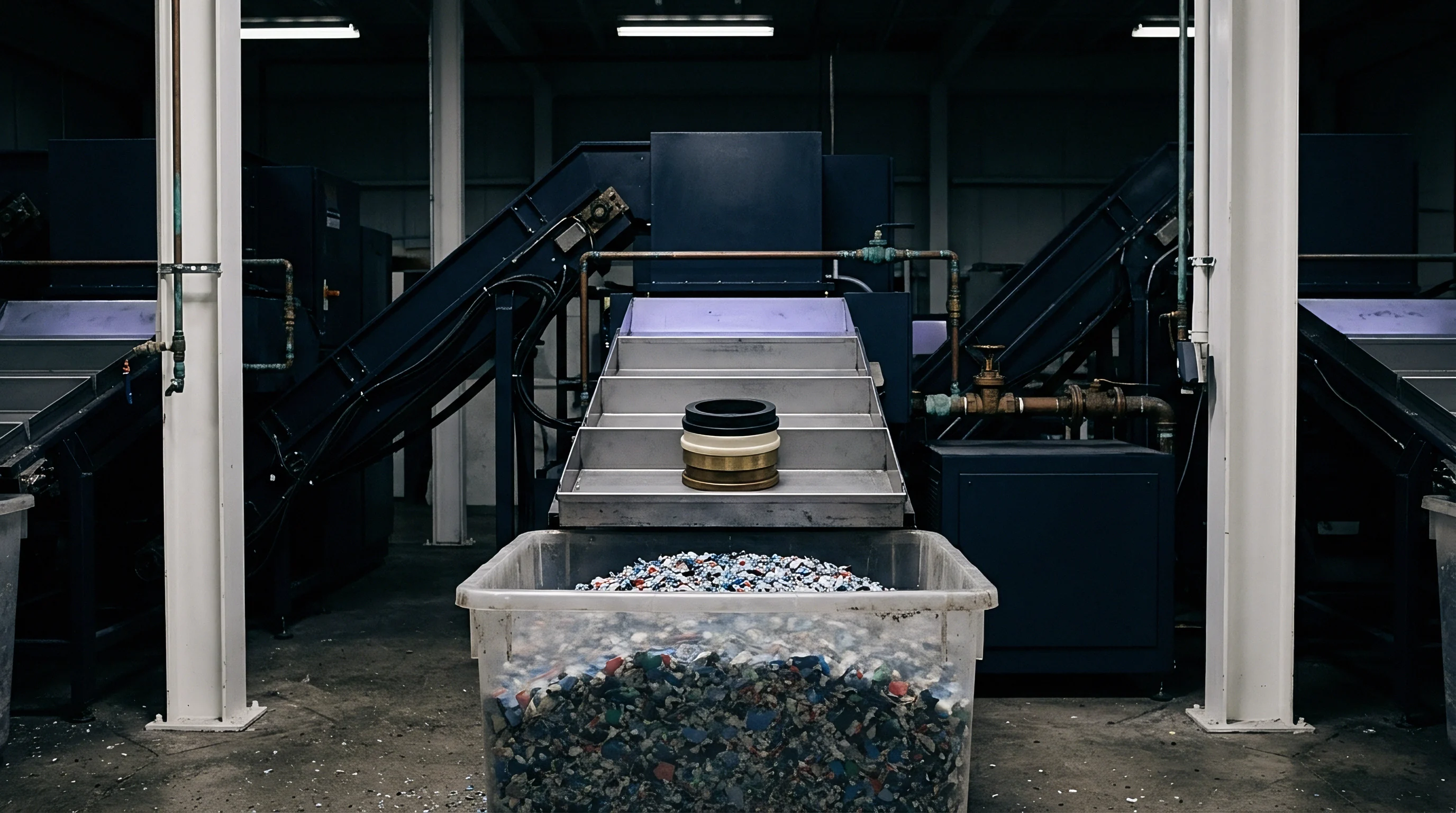
Procurement teams managing resin conversion operations establish contractual thresholds for replacement media. Desiccant selection requires matching crystal window geometry to contaminant profiles. Facilities processing post-consumer flake containing elevated glycol or terpene fractions utilize guard beds containing activated alumina or wide-pore type 13X zeolite upstream of the primary type 4A drying towers.
Guard beds capture heavy terpenes.
Analytical Test Battery
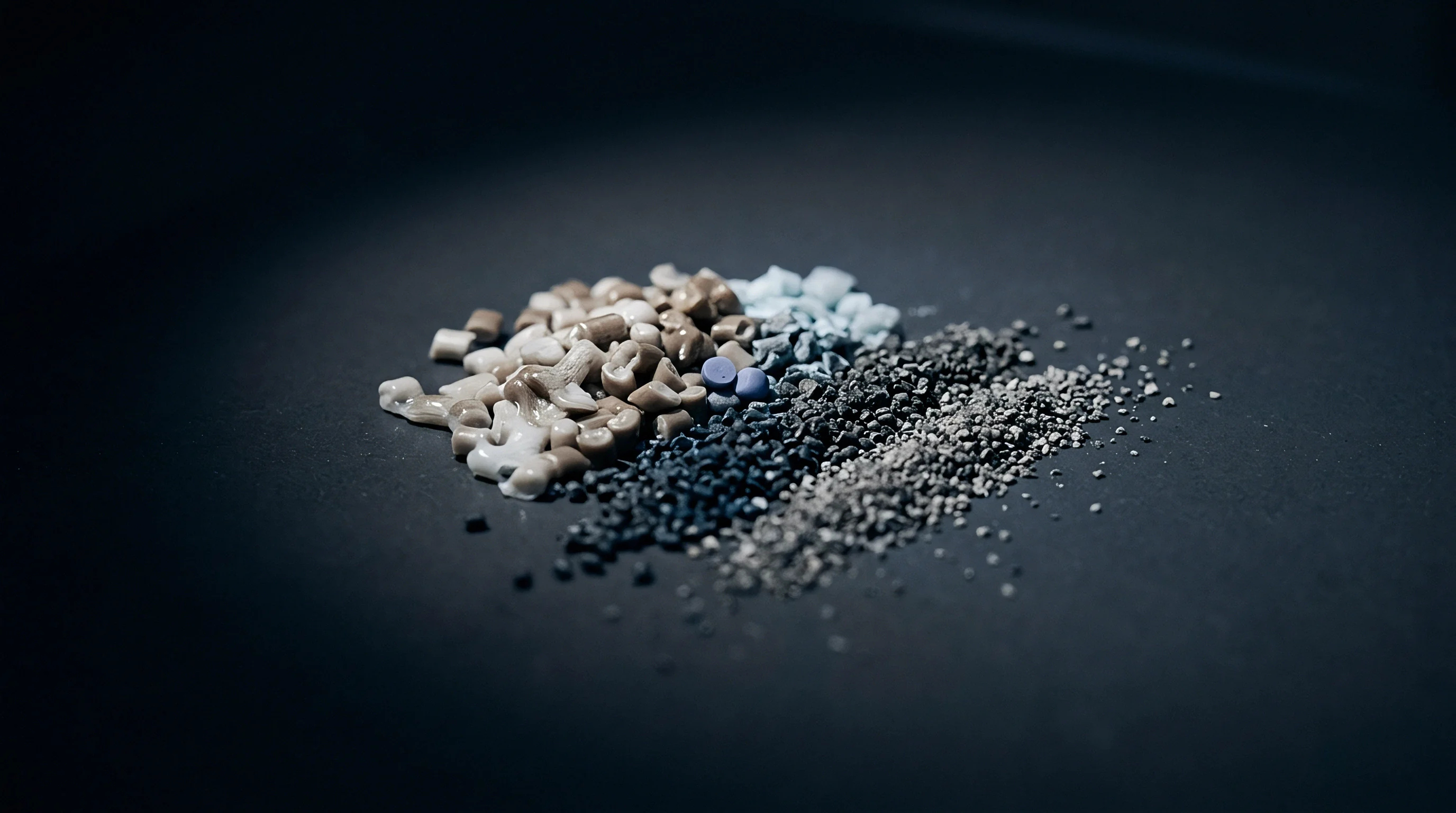
Thermogravimetric assessment establishes the residual volatile burden held within pelletized desiccant beads across defined temperature ramps. Testing under nitrogen gas between thirty and six hundred degrees Celsius quantifies both weakly held surface water and tenaciously bound carbonaceous residues. The mass loss recorded between two hundred fifty and five hundred degrees Celsius directly corresponds to pyrolyzed volatile organic contaminants deposited across the zeolite structure.
Preform haze reveals wet resin. Offline loss on ignition testing per ASTM D7348 validates the extent of core contamination. Clean type 4A zeolites display mass losses below 1.5 percent between three hundred and six hundred degrees Celsius after complete low-temperature moisture drying.
Contaminated zeolites recovered from post-consumer PET drying columns consistently demonstrate mass losses between 4.8 and 9.5 percent within this temperature window, confirming heavy coking.
| Physical Property | Fresh Type 4A Sieve | Fouled Sieve (6 Months) | Pyrolyzed Sieve (12 Months) | Diagnostic Test Method |
|---|---|---|---|---|
| Static Water Capacity (wt%) | 23.5 | 14.2 | 6.8 | ASTM D2717 / 25°C, 60% RH |
| Loss on Ignition (300-600°C wt%) | 1.1 | 5.2 | 8.9 | ASTM D7348 Ramp |
| Crushing Strength (N/bead) | 48 | 31 | 16 | ASTM D4179 Single Pellet |
| BET Surface Area (m²/g) | 680 | 420 | 185 | Nitrogen Physisorption |
| Bulk Density (kg/m³) | 720 | 760 | 795 | ASTM D2854 Volumetric |
Commercial Sieve Replacement Economics
Desiccant operational expenditure balances virgin adsorbent acquisition against the severe financial exposure of downgraded polyester output. A standard twin-tower recycling dryer uses an aggregate charge of six hundred kilograms of type 4A zeolite, priced commercially near 4.50 dollars per kilogram for technical grade media. Total desiccant replacement cost equals 2,700 dollars in media expenditure plus eight hours of labor and drying tower downtime.
Continuing operation on fouled desiccant delivers process air with an unstable minus twenty-two degree Celsius dew point. Under these conditions, an extrusion line running one thousand kilograms per hour of rPET flake converts eighty kilograms per hour of material into hydrolytically degraded out-of-specification resin. At a flake purchase price of 1,150 dollars per metric ton and a degraded scrap sale price of 450 dollars per metric ton, the facility absorbs a net margin destruction of fifty-six dollars per hour of operation.
Two days of degraded operation exceeds the total expense of a complete bed changeout.
Supply agreements governing desiccant purchases incorporate mandatory replacement warranty thresholds based on ASTM D4179 crush strength retention and dynamic water absorption capacity measured after five hundred hours of exposure to qualified wash-flake process gas.