Quantifying Structural Financial Liability Mechanisms for Cross-Border Recycled Polymer Contamination Claims
Mitigate cross-border recycled resin liabilities by pairing core composite sampling and FTIR-DSC testing with structured chemical escrows and demurrage terms.
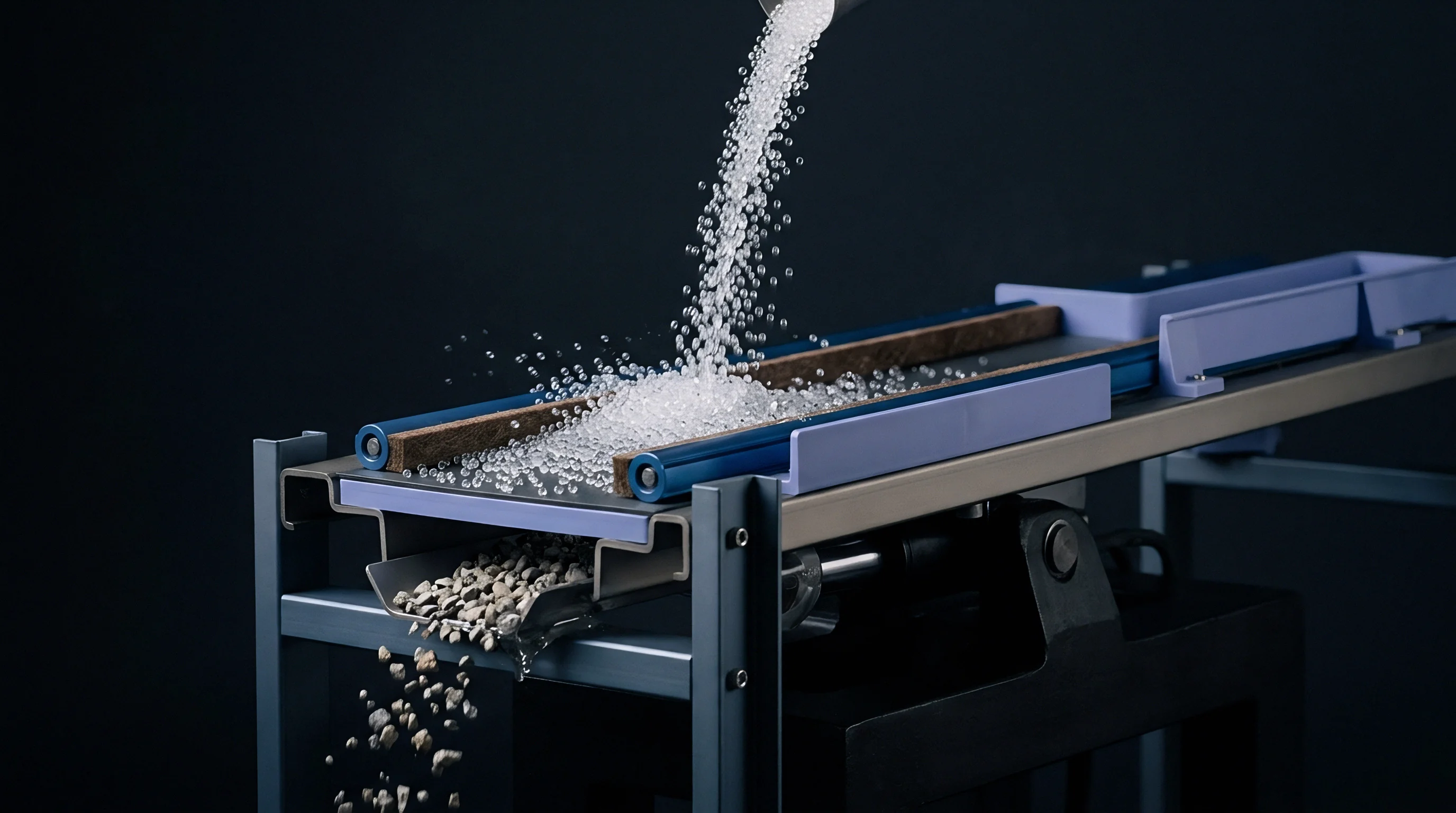

Cargo
Incoming maritime freight containers carrying recycled high-density polyethylene or polypropylene flakes carry invisible financial exposure. A bill of lading describes thirty metric tonnes of post-consumer copolymer pellets at a contract price of 980 EUR per tonne, yet incoming quality tests frequently show unlisted polymer fractions. When three percent polyvinyl chloride or five percent polyethylene terephthalate enters an unvented single-screw extruder rated for polyolefins, thermal decomposition triggers within minutes.
Hydrochloric acid gas released from degraded vinyl polymer corrodes bimetallic barrels, pits chrome-plated tool surfaces, and generates immediate worker safety shutdowns. Production stops instantly.
Liquidated damages in polymer procurement hinge on establishing the precise chain of custody and chemical identity before processing begins. Cross-border contracts frequently assign transfer of risk at the vessel rail under standard Incoterms, leaving buyers vulnerable to latent contamination discovered only during melt processing. When cross-contamination occurs between immiscible polymers, the resulting blend exhibits catastrophic drops in notched Izod impact energy and tensile elongation.
A polypropylene extrusion lot contaminated with unseparated polyethylene forms multi-phase crystalline domains that separate under mechanical stress, splitting finished blow-molded containers along structural seams.
Under ISO 1133 procedure B at 190 degrees Celsius with a 2.16 kilogram weight, a 0.8 gram per ten minute deviation in melt flow rate flags unsegregated fractional melt components.
Recovery of direct and indirect costs across international jurisdictions demands prompt, documented evidence collected at the container door. Importers protect capital by executing immediate composite sampling protocols before releasing freight forwarders from liability. The compounding line pays for every unallocated kilogram of degraded melt.
- Primary Seal Verification confirms tamper-evident container bolts match the manifest numbers before warehouse transfer occurs, preventing inland carrier liability transfers.
- Thief Probe Extraction draws representative core samples from five distinct elevation strata across every bulk container bag, catching segregated heavy polymer fines resting at pallet bases.
- Rapid Spectroscopic Screening flags rogue absorption peaks matching vinyl or styrene bonds within two minutes per composite lot, blocking contaminated resin before hopper charging.
- Quarantine Segregation Notice freezes cargo movement and triggers immediate third-party surveyor inspection within forty-eight hours to preserve legal claims against overseas sellers.
Physical evidence collection establishes the factual baseline for insurance adjustments and international commercial arbitration. Marine cargo underwriters routinely decline claims for off-spec material unless sampling follows strict ASTM D1898 compositing standards conducted prior to silo discharge. Bulk pneumatic transfer blends clean inventory with contaminated resin lots, multiplying an isolated thirty-tonne claim into a three-hundred-tonne warehouse decontamination loss.
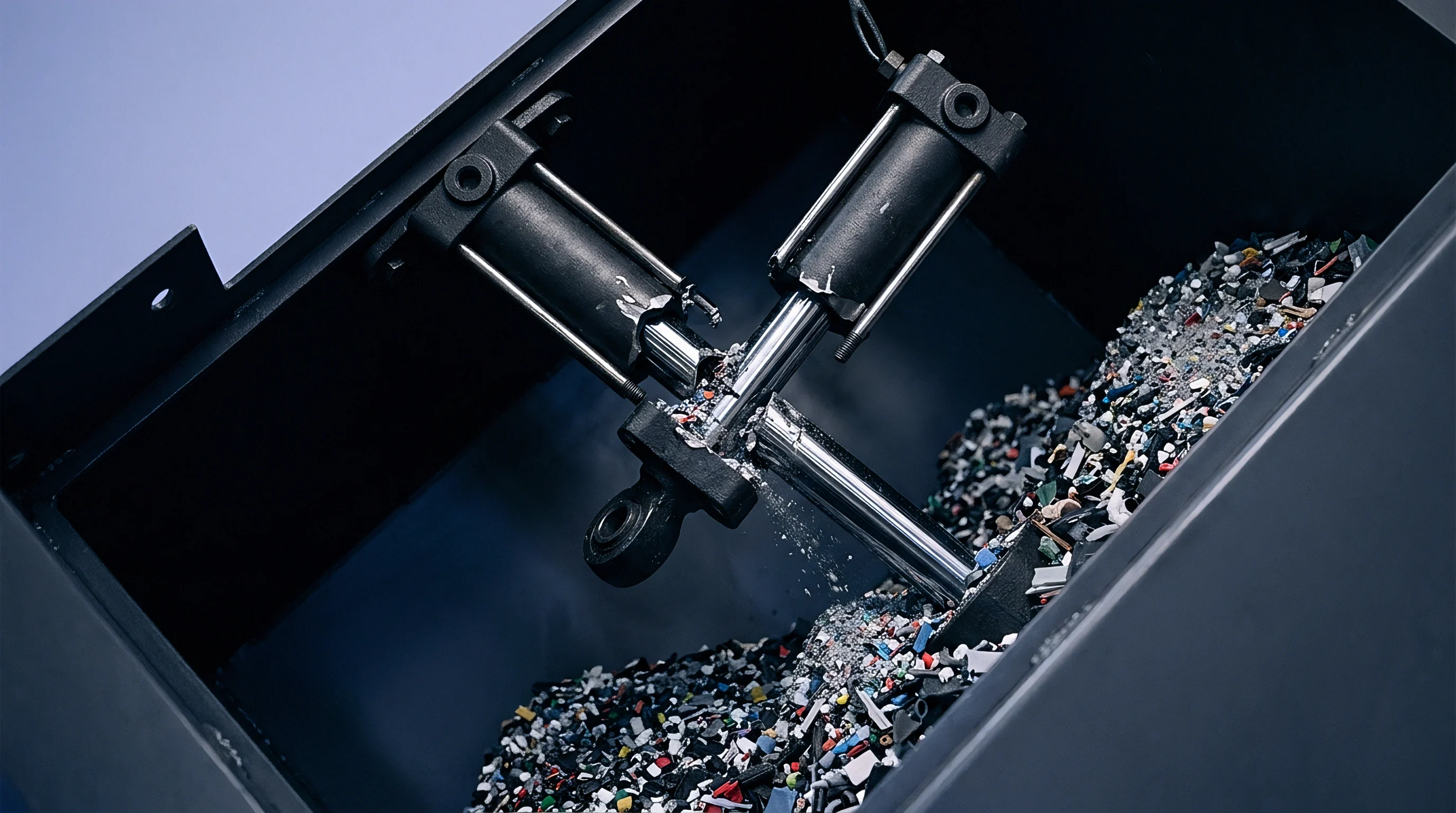

Defect
Analytical quantification of contamination requires laboratory methods that isolate chemical fractions with legal precision. Fourier transform infrared spectroscopy identifies polymer backbones by measuring characteristic vibrational frequencies of functional groups. Polyvinyl chloride exhibits distinctive carbon-chlorine stretching bands between 600 and 700 inverse centimeters.
Polyethylene terephthalate produces intense carbonyl absorption bands near 1715 inverse centimeters. When buyers identify cross-contamination exceeding 100 parts per million in food-grade post-consumer resin, regulatory compliance dissolves alongside mechanical properties.

Which Moisture Deviations Void Latent Defect Coverage?
Extrusion processors handling recycled polycondensation polymers face severe hydrolytic degradation when incoming moisture levels exceed certified limits. In recycled polyethylene terephthalate, residual moisture above 50 parts per million causes rapid chain scission at melt temperatures between 260 and 290 degrees Celsius. The resulting loss of intrinsic viscosity reduces resin melt strength, creating uneven wall thickness in blow-molded preforms and complete embrittlement of structural bottle bases.
Sellers frequently assert that hydrolytic degradation stems from deficient downstream desiccant drying rather than latent seller defect.
Standard commercial arbitration clauses assign chemical liability to the seller only when composite retention samples remain sealed in air-tight moisture-barrier foil bags.
Differential scanning calorimetry measures melting transitions and crystallization kinetics to reveal trace polymer adulteration. In recycled polypropylene homopolymer, an secondary endothermic melting peak appearing near 128 degrees Celsius proves the presence of linear low-density polyethylene contamination. Unblended polypropylene homopolymer displays a single melting endotherm centered between 160 and 165 degrees Celsius.
The presence of secondary peaks demonstrates blend immiscibility, explaining why injection-molded automotive fasteners crack during assembly operations.
| Contaminant Species | Matrix Resin | Test Method | Critical Threshold | Primary Failure Mode |
|---|---|---|---|---|
| Polyvinyl Chloride (PVC) | Recycled rPET Flake | ASTM D5991 / Micro-FTIR | 50 ppm | Corrosive acetic/HCl gas, black specks, mold pitting |
| Polyethylene (HDPE/LLDPE) | Recycled rPP Copolymer | ISO 11357-3 (DSC) | 1.5 wt% | Delamination, drop impact failure at -20 C |
| Polypropylene (PP) | Recycled rHDPE Blow Grade | ISO 11357-3 (DSC) | 2.0 wt% | Environmental stress cracking failure under ASTM D1693 |
| Polystyrene (PS) | Recycled rLDPE Film | ASTM E1252 (FTIR) | 0.3 wt% | Gel formation, bubble tear, pinhole breaches in film |
| Post-Consumer Moisture | Recycled rPET Pellets | ASTM D6980 (Sensor) | 0.005 wt% | Intrinsic viscosity drop below 0.70 dL/g via hydrolysis |
Chemical markers define the boundary between processible recycled stock and industrial hazardous waste. Cross-border trade disputants must establish precise analytical baselines before invoking breach of warranty terms.
- Thermal Decomposition Gels form un-melted crosslinked inclusions that generate structural stress concentrations in extruded sheet applications, causing premature cyclic fatigue fractures under dynamic operating loads.
- Organoleptic Volatile Residues trap post-consumer detergent, pesticide, or degraded lipid molecules within the polymer amorphous regions, causing finished packaging lots to fail migration tests under EU 10/2011 regulations.
- Inorganic Ash Sediments consisting of abrasive calcium carbonate, talc, glass shards, or titanium dioxide wear down nitrided screw flights, expanding radial barrel clearances and collapsing extrusion head pressure.
Tooling damage multiplies rapidly when abrasive inorganic particulate exceeds contract limits. Feedthroat erosion reduces volumetric conveying rates, forcing operators to elevate melt temperatures to maintain target outputs. Degradation accelerates with heat.

Ledger
Calculating financial damages in cross-border resin disputes demands comprehensive accounting across direct raw material losses, tooling repairs, facility downtime, and finished part recall costs. When off-spec recycled polypropylene containing 2.5 percent cross-linked polyethylene clogs screen changers during automotive interior trim production, direct expenses extend far beyond the raw pellet invoice value. A facility extruding sixty tonnes of automotive sheet per day loses machine amortization, scheduled labor, and warehouse capacity while defective material blocks processing bays.
Direct material damage claims encompass freight charges, import tariffs, customs clearance broker fees, and specialized hazardous disposal costs. Defective polymer contaminated with heavy metals or halogenated flame retardants cannot enter municipal landfills. The buyer incurs high thermal incineration charges from licensed environmental processing contractors.
The landed cost per tonne expands while the contaminated inventory awaits dispute resolution.
A compounding hall loses five thousand euros for every eight hours an extruder sits cold during emergency screw pulling and barrel purging.
Tooling and machinery damage forms the second structural financial liability tier. Processing polyvinyl chloride contamination through hot-runner injection molds generates hydrochloric acid condensate in mold cavity vents. Mold steel experiences intergranular stress corrosion cracking, destroying mirror finishes and degrading cavity tolerances.
Refurbishing an eight-cavity hot-runner mold costs tens of thousands of euros, requiring three to six weeks of tool-shop EDM machining, polishing, and replating. Lost production margins compound during this mechanical downtime.
| Liability Category | Operational Cost Component | Calculation Basis | Total Financial Claim (EUR) |
|---|---|---|---|
| Direct Material Cost | Delivered Resin Invoiced Value | 40 metric tonnes at 1,050 EUR/t CIF | 42,000 |
| Logistics & Duties | Inbound Freight, Customs, Port Handling | Import tariff 6.5%, drayage, terminal fees | 5,430 |
| Downstream Scrap Loss | Scrapped Intermediate Blow-Molded Parts | 14 tonnes processed before failure detection | 21,700 |
| Machine Downtime | Extrusion Line Purging and Cleaning | 36 operational line hours at 420 EUR/h | 15,120 |
| Tooling Refurbishment | Breaker Plate and Screw Re-machining | Acid etching repair and hard chrome plating | 8,650 |
| Third-Party Testing | Accredited Analytical Laboratory Dossier | DSC, TGA, FTIR, ICP-MS trace metals panels | 4,200 |
| Disposal & Remediation | Hazardous Waste Thermal Incineration | 40 metric tonnes at 280 EUR/t hazardous gate fee | 11,200 |
| Total Quantified Direct and Indirect Financial Liability | 108,300 | ||
Consider a standard calculation for consequential damages in industrial extrusion. A compounding plant operates a 90-millimeter twin-screw extrusion system with a fixed overhead running rate of 380 EUR per operating hour. When an undetected silicone oil contaminant inside post-industrial polypropylene pellets eliminates frictional grip inside the feedthroat, the machine suffers complete throughput collapse.
Over thirty-six hours of continuous troubleshooting, screw extraction, manual solvent scrubbing, and re-assembly, unabsorbed overhead totals 13,680 EUR. Lost sales margin on seventy metric tonnes of planned compound adds another 18,200 EUR to the claim ledger.
- Direct Processing Losses track virgin resin wasted during transition purging, cost of specialized high-viscosity acrylic purge compounds, and energy consumption expended during non-productive cycles.
- Secondary Product Recall Expenses capture reverse freight logistics, warehouse restacking charges, distributor restocking penalties, and certified destruction verification procedures for structurally defective components.
- Contractual Liquidated Penalties reflect automotive or retail supply agreement failure fees assessed directly against the converter for missing scheduled delivery windows.
- Customer Defection Risk calculates the amortized commercial replacement cost when a key tier-one manufacturing account cancels supply contracts following repeated part fractures.
Omitting detailed maintenance logs, shift-level yield metrics, and third-party laboratory verification certificates from the legal dossier causes international arbitration panels to reject consequential damage claims entirely, capping financial recovery at simple invoice value.


Tariff
Cross-border movement of post-consumer plastic scrap and mechanically recycled polymer pellets intersects with volatile international environmental law. The Basel Convention Plastic Waste Amendments restrict the export of mixed, un-recyclable, or contaminated plastic polymers without prior informed consent from importing and transit countries. Shipments classified under Harmonized System Code 3901 for polyethylene or 3902 for polypropylene can be summarily intercepted by customs authorities if contamination levels exceed strict national purity standards.
Customs inspectors discovering undocumented municipal solid waste, medical residues, or halogenated compounds reclassify shipments from commercial secondary raw materials into illegal hazardous waste.

How Do Cross-Border Incoterms Assign Liquidation Rights?
Commercial Incoterms determine whether the seller or the buyer carries financial and legal exposure when international customs blocks contaminated polymer cargo at intermediate transit ports. Under Cost, Insurance, and Freight terms, risk transfers to the buyer once cargo passes the ship rail at the departure port, yet export legality remains the shipper’s warranty obligation. When maritime authorities halt a container vessel because secondary polyolefin cargo leaks foul leachate or contains hazardous chemical residues, port authorities impound the containers, racking up catastrophic daily demurrage and detention fees.
A container impounded under customs reclassification accumulates three hundred euros per day in combined maritime demurrage and terminal storage penalties.
Customs enforcement actions trigger immediate financial liabilities that rapidly exceed cargo value. Importers facing seized shipments must either fund repatriation freight to the origin country or secure certified domestic hazardous destruction. Bilateral cross-border trade mechanisms require robust contractual indemnification clauses to insulate converters from regulatory fines levied under national environmental enforcement statutes.
| Declared HS Code | Reclassified Status | Regulatory Mechanism | Financial Exposure Trigger |
|---|---|---|---|
| 3901.20 (HDPE Pellets) | Basel Code Y48 (Plastic Waste) | Basel Convention / EU Waste Shipment | Mandatory container repatriation, shipping line fines |
| 3902.10 (PP Pellets) | Basel Code A3210 (Hazardous) | Halogenated additive limit over 50 ppm | Criminal environmental prosecution, port detention |
| 3915.90 (Mixed Plastics) | Illegal Waste Trafficking | Import Ban Regulations (National) | Immediate forfeiture, total cargo write-off, disposal fees |
| 3904.61 (Fluoropolymers) | PFAS Restricted Material | REACH Annex XVII / TSCA Section 6 | Import seizure, administrative supply chain penalties |
Disputes across jurisdictions frequently stall because the overseas exporter asserts that secondary polymer scrap inherently carries random compositional fluctuations that exempt the seller from strict chemical uniformity guarantees.
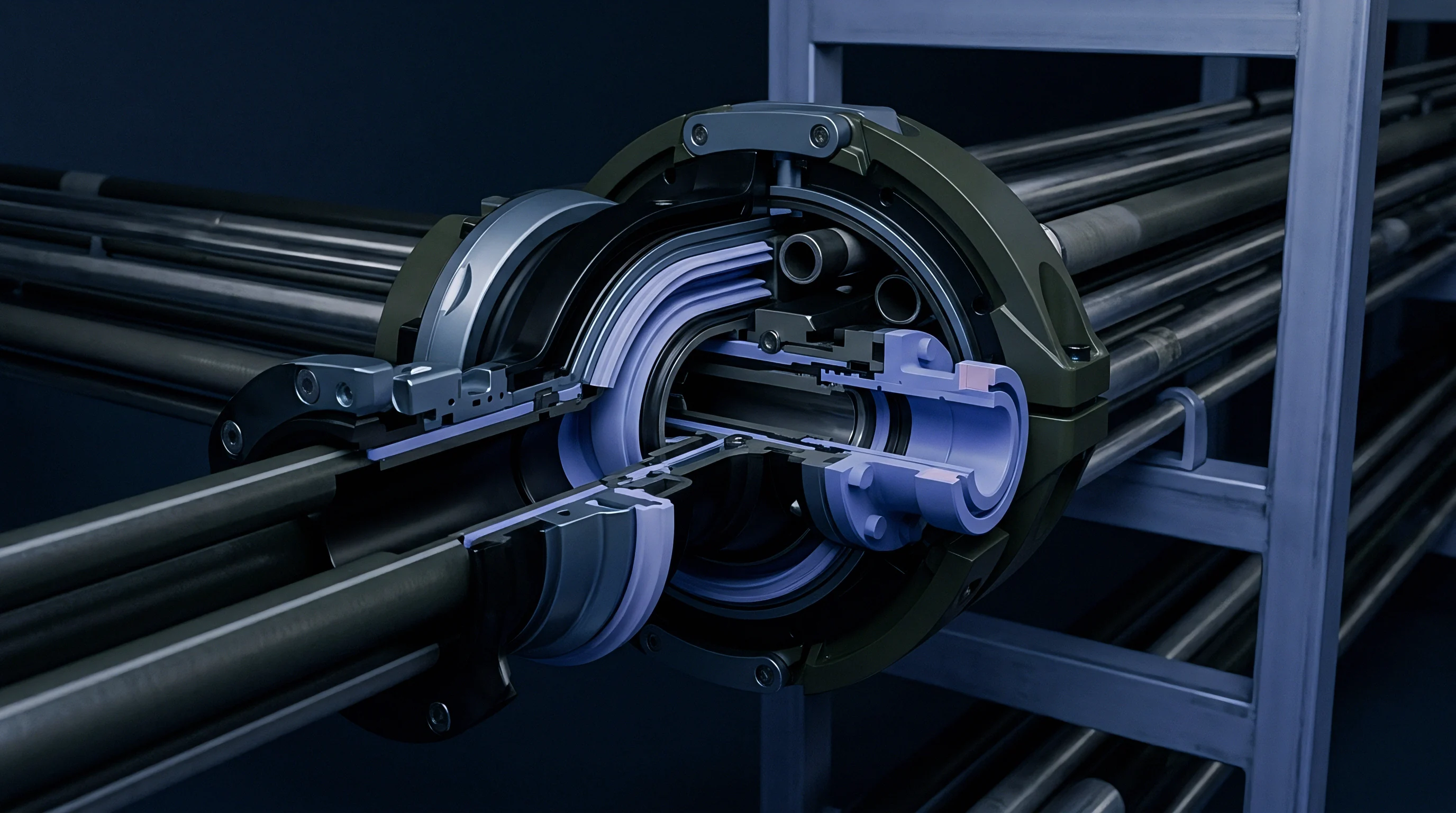
Escrow
Securing financial recovery across differing judicial systems requires preemptive commercial architecture woven directly into procurement agreements. Traditional open-account trade terms leave buyers powerless when foreign compounders deliver contaminated polymer lots. Litigation in foreign national courts involves extended timelines, unpredictable local legal interpretations, and heavy legal fees that quickly outstrip claim values.
Sophisticated procurement organizations mitigate counterparty default risk through dedicated cross-border chemical escrow agreements.
Under a structured chemical escrow arrangement, commercial buyers release thirty to forty percent of invoice capital upon bill of lading generation, retaining the remaining sixty to seventy percent within a neutral financial facility. Full fund disbursement occurs only when an accredited independent inspection agency presents clean analytical release certificates confirming polymer purity, melt rheology, and mechanical compliance. The escrow structure shifts settlement leverage back to the receiving converter, forcing suppliers to defend their product quality before claiming payment.
Contractual dispute resolution mechanisms must incorporate rapid technical arbitration procedures administered by recognized international bodies such as the International Chamber of Commerce. Expedited arbitration provisions specify that technical contamination claims undergo immediate evaluation by an independent materials scientist whose determinations regarding chemical composition, contamination fractions, and direct operational damages are binding upon both parties. This mechanism bypasses multi-year jurisdictional litigation, providing enforceable settlement orders within sixty days of formal claim submission.
Contracts containing explicit material specifications tied to ISO 18263 for secondary polyolefins and specifying retaining-sample retention protocols eliminate ambiguity surrounding baseline resin acceptance criteria, permanently barring compounders from dismissing contamination as standard recycled variance.