Accelerated Hydrolytic Pre Conditioning Methods for Short Cycle Biopolymer Disintegration Verification
Accelerated hydrolytic pre-conditioning at 58 °C reduces biopolymer molecular weight to microbial thresholds within 21 days for fast disintegration verification.
Bath
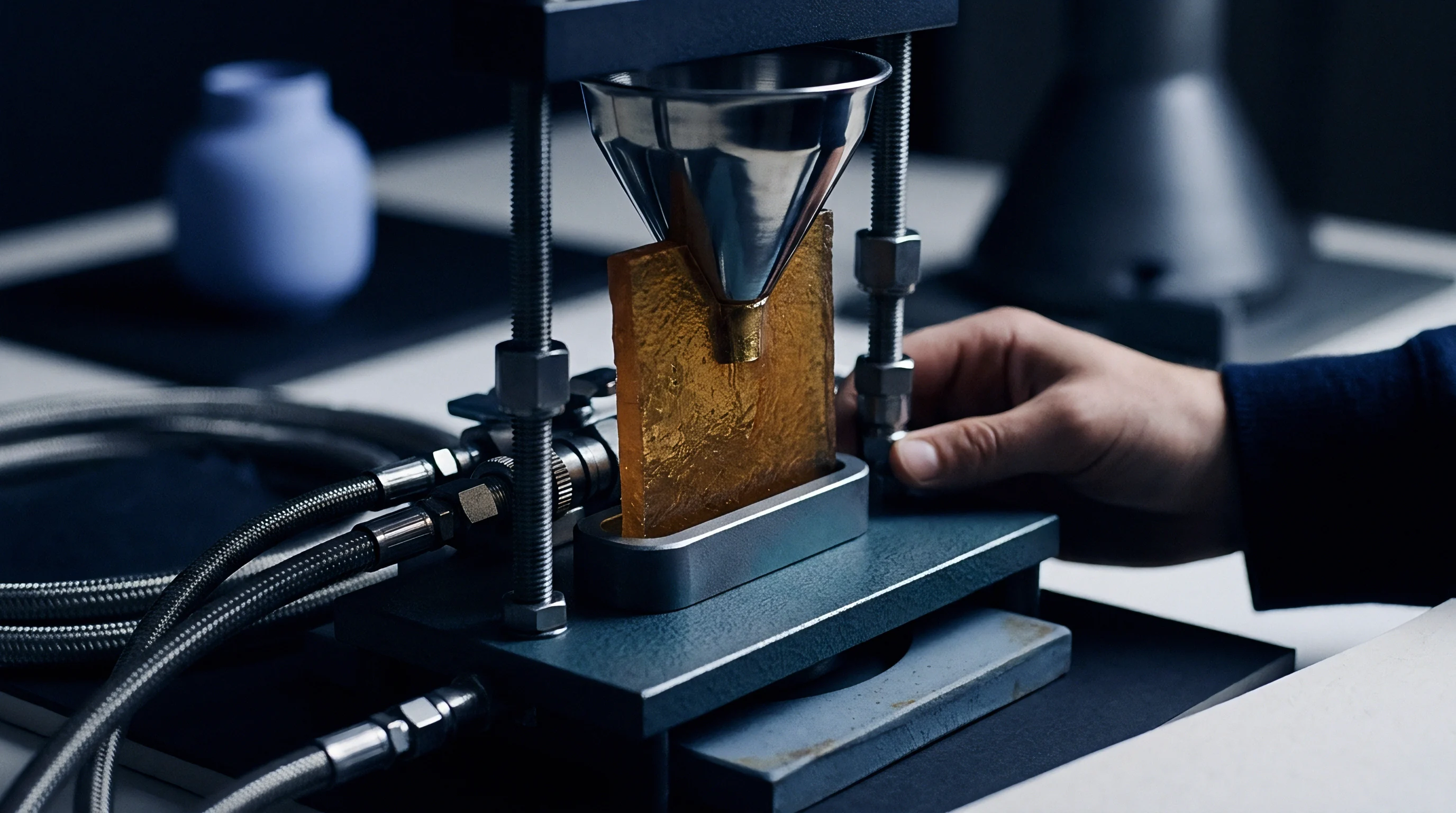
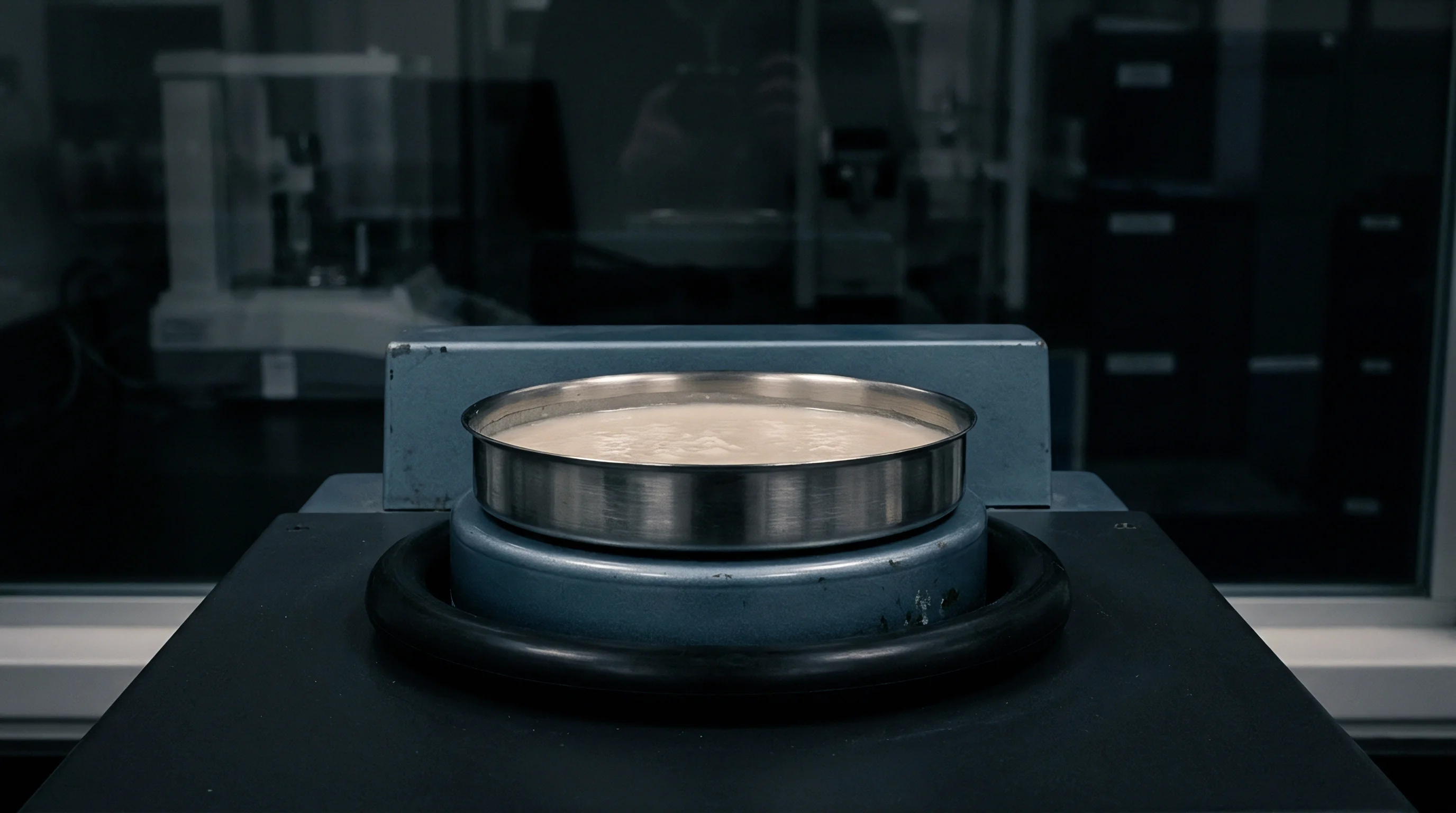
Immersion of biopolyester test bars into liquid aqueous media at 58 °C accelerates ester bond cleavage by maintaining unit water activity across the entire specimen boundary. Standard aerobic composting trials governed by ISO 20200 or ISO 16929 run for twelve to twenty-four weeks, imposing unacceptable lead times on resin lot release and incoming material qualification. Submerged liquid pre-conditioning bypasses the slow moisture-uptake phase inherent to solid-state composting matrices.
Direct liquid contact drives moisture saturation into amorphous domains within forty-eight hours for thin films and ninety-six hours for two-millimeter injection-molded tensile bars.
Water drives the ester cleavage. Unbuffered deionized water allows organic acids to accumulate in the conditioning vessel as ester bonds split. Poly(lactic acid) releases lactic acid monomers and low-mass oligomers, dropping fluid pH from 7.0 to 3.8 within seven days of incubation.
This acidity triggers autocatalytic cleavage that fractures poly(lactic acid) fragments prematurely while leaving co-formulated aliphatic-aromatic polyesters unreacted. A 0.05 molar potassium phosphate buffer holding aqueous pH between 6.8 and 7.2 suppresses autocatalytic runaway, yielding predictable scission rates across all polyester constituents.
Potassium phosphate buffer maintained at 58 °C holds aqueous pH above 6.8 throughout twenty-one days of continuous polyester exposure.
Vapor-phase environmental chambers operating at 58 °C and 90 percent relative humidity provide an alternative conditioning route. Liquid immersion leaches water-soluble plasticizers faster than humid air incubation. Plasticizers such as tributyl citrate or epoxidized soybean oil migrate into heated aqueous baths, shifting the glass transition temperature of the polymer substrate upward by as much as 8 °C. Vapor conditioning preserves internal plasticizer concentration, keeping chain mobility intact during thermal aging.
| Conditioning System | Thermal Setpoint | Moisture Medium | Buffer System | Acceleration Multiple |
|---|---|---|---|---|
| Static Buffered Bath | 58 °C ± 0.5 °C | Liquid Submersion | 0.05 M KH2PO4 / K2HPO4 (pH 7.0) | 3.5x to 4.2x |
| Circulating Deionized Bath | 65 °C ± 0.5 °C | Liquid Submersion | None (Uncontrolled Drift) | 5.8x to 6.5x |
| Saturated Vapor Chamber | 58 °C ± 1.0 °C | 95% Relative Humidity | Not Applicable | 2.2x to 2.8x |
| Pressurized Steam Pulse | 70 °C ± 0.5 °C | Saturated Vapor (0.3 bar) | Not Applicable | 8.0x to 9.2x |
Incorrect thermal setpoints distort the morphology of semi-crystalline polyesters. Heating a poly(lactic acid) grade above its glass transition temperature of 55 °C initiates cold crystallization, raising crystalline fraction from an initial 4 percent up to 38 percent within seventy-two hours. Dense spherulitic crystalline lamellae exclude water molecules, restricting hydrolysis to remaining amorphous pockets.
A testing program that sets the bath temperature at 65 °C to hasten disintegration creates crystalline barriers that extend subsequent biological digestion times, causing resin lots to fail short-cycle validation criteria.
Cleavage
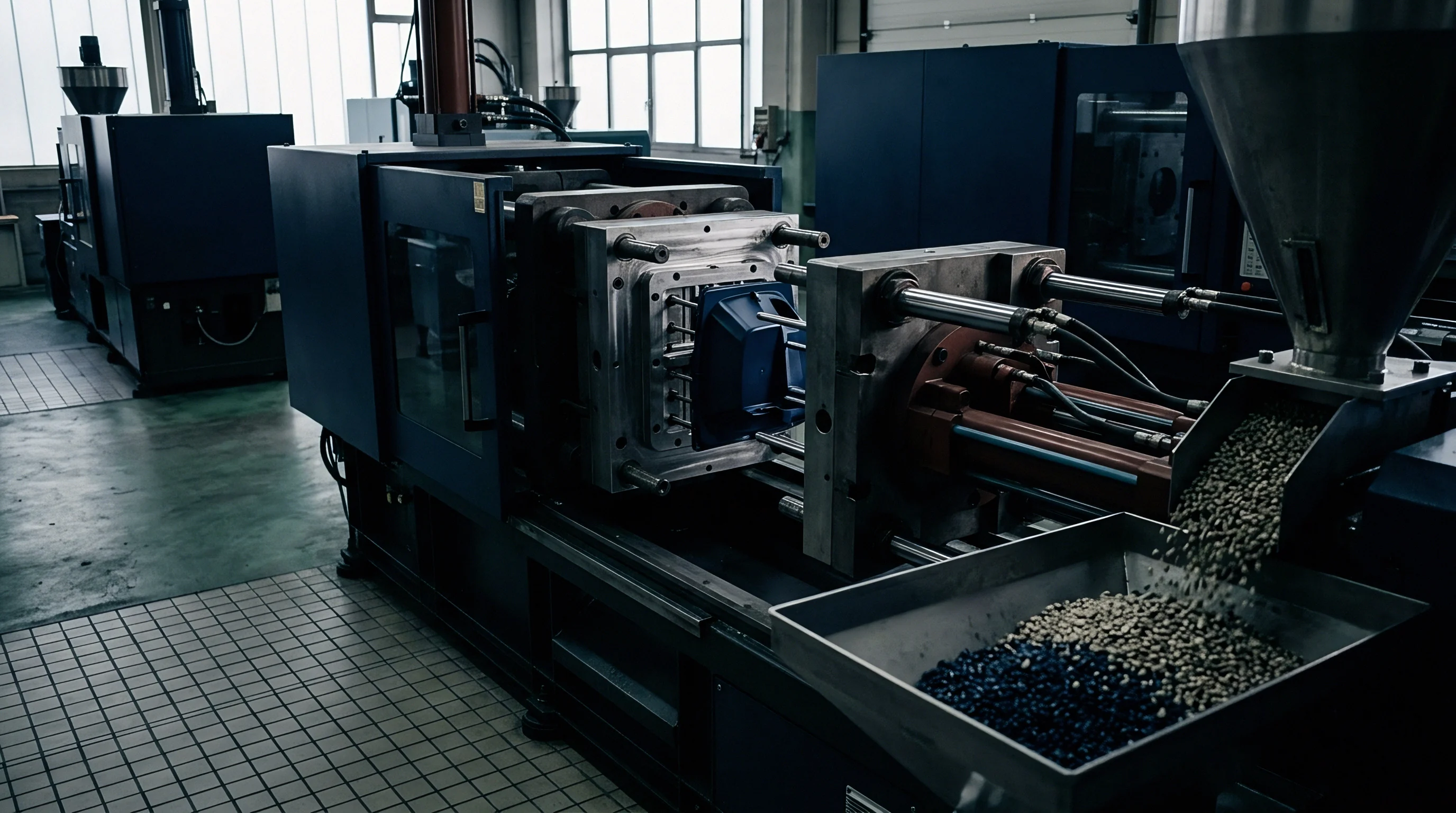
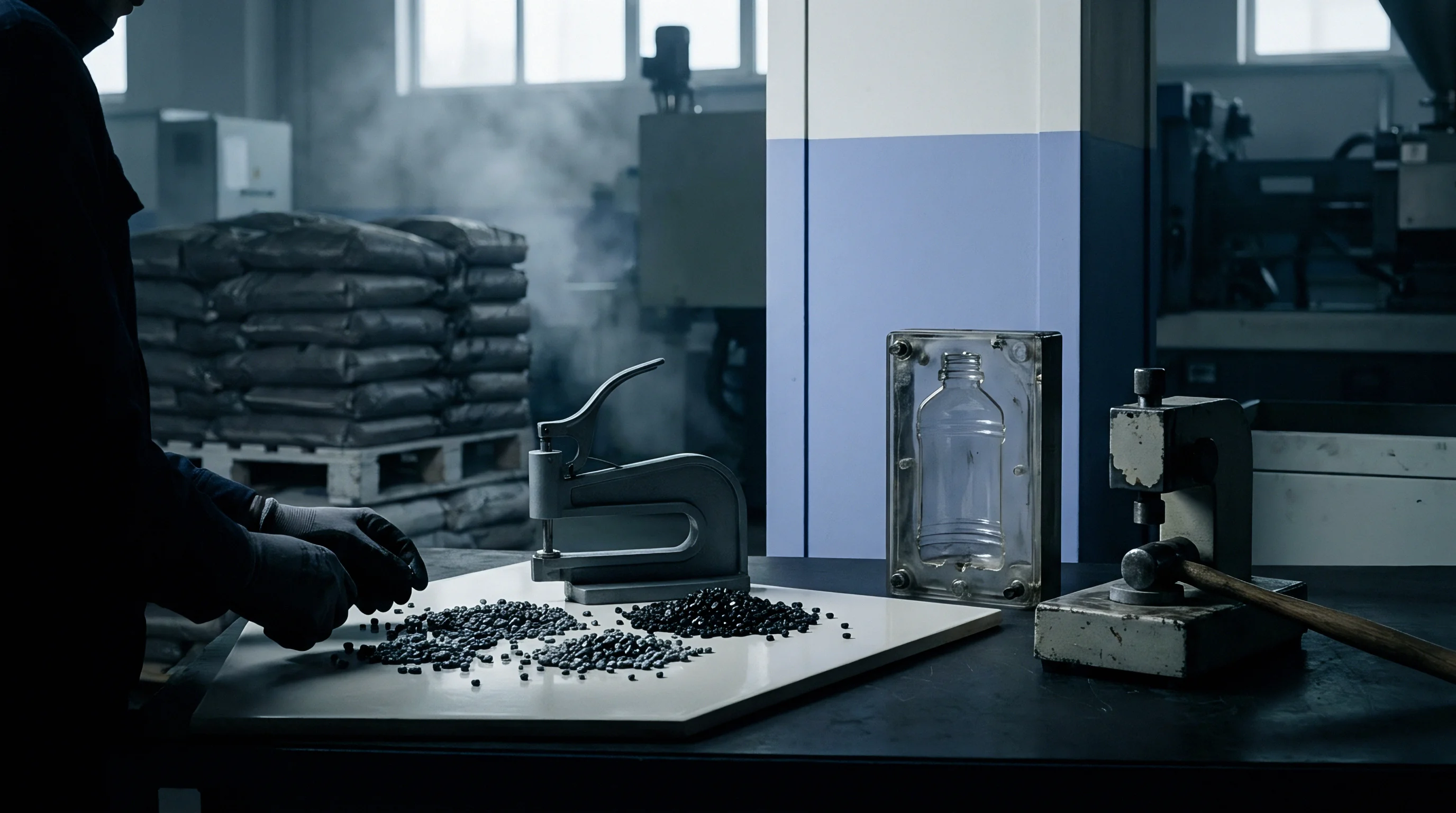
Ester backbone hydrolysis operates as a random scission reaction along amorphous chains. The rate of water permeation governs initial cleavage, followed by chemical scission of aliphatic ester links. Poly(lactic acid), poly(butylene adipate-co-terephthalate), and polyhydroxyalkanoates exhibit distinct scission kinetics dictated by chain composition and functional group polarity.
Carboxylic acid end groups formed during bond rupture act as weak acid catalysts, accelerating subsequent scission in immediate structural zones.
Should Acid Buffering Regulate Immersion Water?
Circulating bath water requires constant monitoring to prevent localized acid buildup. Accumulation of carboxyl groups lowers solution pH, shifting the reaction kinetics from neutral uncatalyzed hydrolysis to self-accelerating acid catalysis. Unbuffered immersion baths alter the molecular weight distribution profile, converting a uniform polydispersity of 1.9 into a bimodal distribution with an extended low-molecular-weight tail.
Maintaining a steady flow of neutral buffered solution stabilizes the reaction order, preserving representative degradation behavior.
The reaction proceeds along amorphous chains. Chain scission drives a rapid reduction in number-average molecular weight with minimal initial mass loss. Microorganisms present in industrial compost facilities cannot metabolize intact high polymers directly through cellular membranes.
Microbial assimilation begins only when number-average molecular weight drops below 10,000 grams per mole. Accelerated pre-conditioning delivers test specimens to this biological uptake gateway within fourteen to twenty-one days.
Polymers with higher initial crystallinity resist water diffusion and delay abiotic chain cleavage.
Evaluation of pre-conditioned test plaques reveals distinct material failure signatures:
- Insoluble gel formation occurs when cross-linked chain extenders resist hydrolytic cleavage, retaining macro-molecular clusters above 200,000 grams per mole that block microbial digestion.
- Premature embrittlement shatters thin-gauge film into fragments prior to required chemical scission, distorting gravimetric sieving results.
- Plasticizer phase separation deposits citrate oils onto specimen surfaces, fostering microbial biofilm formation before polymer chains cleave.
- Core-shell crystallization traps amorphous chains beneath dense lamellar crusts, preventing core water access.
Gel permeation chromatography tracking provides quantitative insight into scission velocity. A film-grade poly(lactic acid) starting at a weight-average molecular weight of 175,000 grams per mole drops to 18,500 grams per mole after fourteen days of buffered immersion at 58 °C. Polydispersity index shifts from 1.85 to 2.45 during the initial ten days before settling at 1.90 as low-mass chains fragment into soluble monomers. Whether unbuffered bath acidification accelerates or permanently retards the ultimate microbial assimilation stage inside real compost beds remains disputed across testing facilities.
Window
Pre-conditioning operates within rigid time, temperature, and moisture parameters. Operating outside this boundary alters degradation pathways, destroying correlation with standardized ninety-day industrial compost tests. The target processing envelope balances thermal acceleration against morphological stability.
Sinking film plaques signal failure. Specimens resting on chamber bottoms experience uneven water flow, producing localized hydrolytic hot spots that bias verification results.
Will Intrinsic Viscosity Drops Predict Disintegration Success?
Solution viscometry provides incoming inspection personnel with a fast verification metric. Dissolving conditioned flakes in a 50/50 mixture of phenol and 1,1,2,2-tetrachloroethane at 30 °C isolates intrinsic viscosity changes. Intrinsic viscosity tracks chain length directly.
An initial intrinsic viscosity of 1.65 deciliters per gram falling to 0.45 deciliters per gram indicates that eighty percent of target scission has taken place, signaling readiness for biological compost introduction.
Melt flow rate shifts mirror solution viscosity losses. Testing incoming lots under ISO 1133 at 190 °C with a 2.16-kilogram weight illustrates thermal sensitivity. Unconditioned blown film resin yields a baseline melt flow rate of 3.2 grams per ten minutes.
Exposure to 58 °C water for ten days drives melt flow rate beyond 45 grams per ten minutes. Melt strength collapses immediately.
Liquid immersion leaches water-soluble plasticizers faster than humid air incubation.
Consider a testing scenario to quantify screening acceleration. Assume a forty-kilogram sample of extruded 50-micron biopolymer film composed of 60 percent poly(butylene adipate-co-terephthalate) and 40 percent poly(lactic acid). Standard ISO 20200 disintegration verification demands twelve weeks (84 days) in solid compost at 58 °C to reach ninety percent disintegration through a two-millimeter sieve.
Subjecting the film to a buffered aqueous pre-conditioning bath at 60 °C for twelve days drops weight-average molecular weight from 142,000 to 19,800 grams per mole. Subsequent placement into activated mature compost achieves the ninety percent through-sieve threshold within nine additional days. Total verification duration drops from 84 days to 21 days.
| Polymer Chemistry | Test Condition | Baseline Value | Day 10 Immersion | Day 21 Immersion |
|---|---|---|---|---|
| Poly(lactic acid) Extrusion | MFR (190 °C / 2.16 kg) | 3.5 g/10 min | 48.0 g/10 min | Melt Flow Extrusion |
| PLA/PBAT Blown Compound | MFR (190 °C / 2.16 kg) | 4.2 g/10 min | 32.0 g/10 min | 68.5 g/10 min |
| Polyhydroxybutyrate-valerate | Intrinsic Viscosity | 1.85 dL/g | 0.72 dL/g | 0.31 dL/g |
| Poly(butylene succinate) | Carboxyl End Groups | 22 mmol/kg | 85 mmol/kg | 145 mmol/kg |
High moisture levels accelerate physical breakdown once molecular weight drops below structural thresholds. Thin films embrittle rapidly. Managing temperature to avoid secondary crystallization remains the key requirement for maintaining laboratory accuracy.

Compound
Formulation additives heavily influence hydrolytic degradation behavior. Pure homopolymers rarely enter commercial converting lines without modification. Compounders introduce chain extenders, slip packages, impact modifiers, and mineral fillers to survive high-speed extrusion lines.
Pellet moisture varies across shipments. Incoming moisture fluctuations alter pre-conditioning baseline values, making rigorous incoming verification mandatory prior to testing.
Epoxy-functionalized acrylic chain extenders link cleaved polyester chains via covalent bonds, forming branched structures that arrest molecular weight reduction. A compound containing 0.5 percent epoxy-functional additive exhibits an induction period during which immersion yields no measurable viscosity change. Hydrolytic cleavage must consume the synthetic cross-links before the polyester backbone cleaves.
Unreacted epoxide groups crosslink chains. This stabilization stalls short-cycle disintegration testing, turning an otherwise compliant compostable part into non-degrading physical debris.
Mineral fillers shift degradation dynamics through interfacial mechanics. Talc accelerates physical fragmentation. Adding thirty percent fine-ground calcium carbonate or talc creates physical pathways that pull water into the polymer core via capillary suction.
Capillary action counters the barrier properties of crystalline spherulites, restoring rapid scission in thick cross-sections. In maritime shipping containers crossing equatorial routes, ambient temperatures reach 55 °C with 90 percent humidity, triggering hydrolytic degradation inside pellet silos before compounding begins.
Verification laboratories follow a structured qualification sequence:
- Lot composite drawing isolates representative resin from twenty sealed gaylords to eliminate batch variability.
- Moisture titration verification using coulometric Karl Fischer testing establishes dry baseline moisture below 250 parts per million.
- Plaque injection molding produces standard two-millimeter thick discs under controlled thermal profiles to avoid thermal chain degradation.
- Pre-conditioning vessel loading separates test specimens on stainless steel racks, guaranteeing uniform solution contact across all surfaces.
Carbodiimide anti-hydrolysis agents act as sacrificial water scavengers, reacting with carboxyl groups to suppress chain scission. Suppliers often claim that stabilized compounds retain disintegration compliance because carbodiimides consume themselves within forty-five days under industrial compost heat. That explanation fails when short-cycle screening methods complete testing before the stabilizer additive exhausts its chemical activity.

Clearance
Biological verification begins immediately after accelerated hydrolytic pre-conditioning finishes. Conditioned polymer bars, brittle and chemically cleaved, pass into solid compost media maintained under ISO 20200 guidelines. Compost inocula contain active populations of thermophilic bacteria and actinomycetes operating at 58 °C. Inoculum activity varies by season.
Because the abiotic pre-conditioning stage has already executed the time-consuming molecular weight reduction, microbial colonies consume the low-molecular-weight oligomers within fourteen days.

Sieve Residue and Mass Recovery
Disintegration clearance relies on quantitative physical recovery across metal sieves. Technicians wash the incubated compost mixture through two-millimeter and ten-millimeter woven wire mesh screens conforming to ISO 3310-1. Retained material dries to constant mass at 105 °C in an air-circulating oven.
Rejection leaves no margin. Any polymer residue remaining on the two-millimeter screen constitutes non-disintegrated mass, counted directly against passing criteria.
ASTM D6400 itemizes ninety percent disintegration through a two-millimeter sieve as the non-negotiable threshold for compostable claim substantiation.
Acid accelerates chain rupture. Complete mass clearance demands that abiotic scission reduce molecular mass below the biological threshold without generating recalcitrant cross-linked residues. Test procedures confirm material clearance through four technical checks:
- Sieve fraction certification confirms that ninety percent of initial dry polymer weight passes through a two-millimeter screen.
- Heavy metal spectroscopy verifies that residual catalyst levels comply with statutory thresholds established in EN 13432.
- Volatile solids verification ensures that organic matter loss matches biological decomposition rather than mineral dissolution.
- Ecotoxicity plant assays prove that residual compost yields no phytotoxic inhibition on seedling emergence.
Commercial Exposure on Certificate Invalidation
Commercial contracts penalize false disintegration clearances heavily. When an accelerated laboratory screen certifies an imported resin lot that subsequently fails third-party certification audits, the financial liabilities fall on the resin importer. Screening failures halt resin release.
Warehoused finished parts lose their compostable marketing status, triggering inventory write-downs and customs penalties.
Commercial purchase specifications enforce accountability by incorporating standard certification terms directly into the sales contract: ISO 17088 Clause 6.3 establishes that total disintegration through a two-millimeter sieve must reach ninety percent within eighty-four days under controlled composting conditions, and any short-cycle predictive release failing subsequent standard confirmation triggers full financial indemnification covering scrap reclamation and customer chargebacks.