Meaning
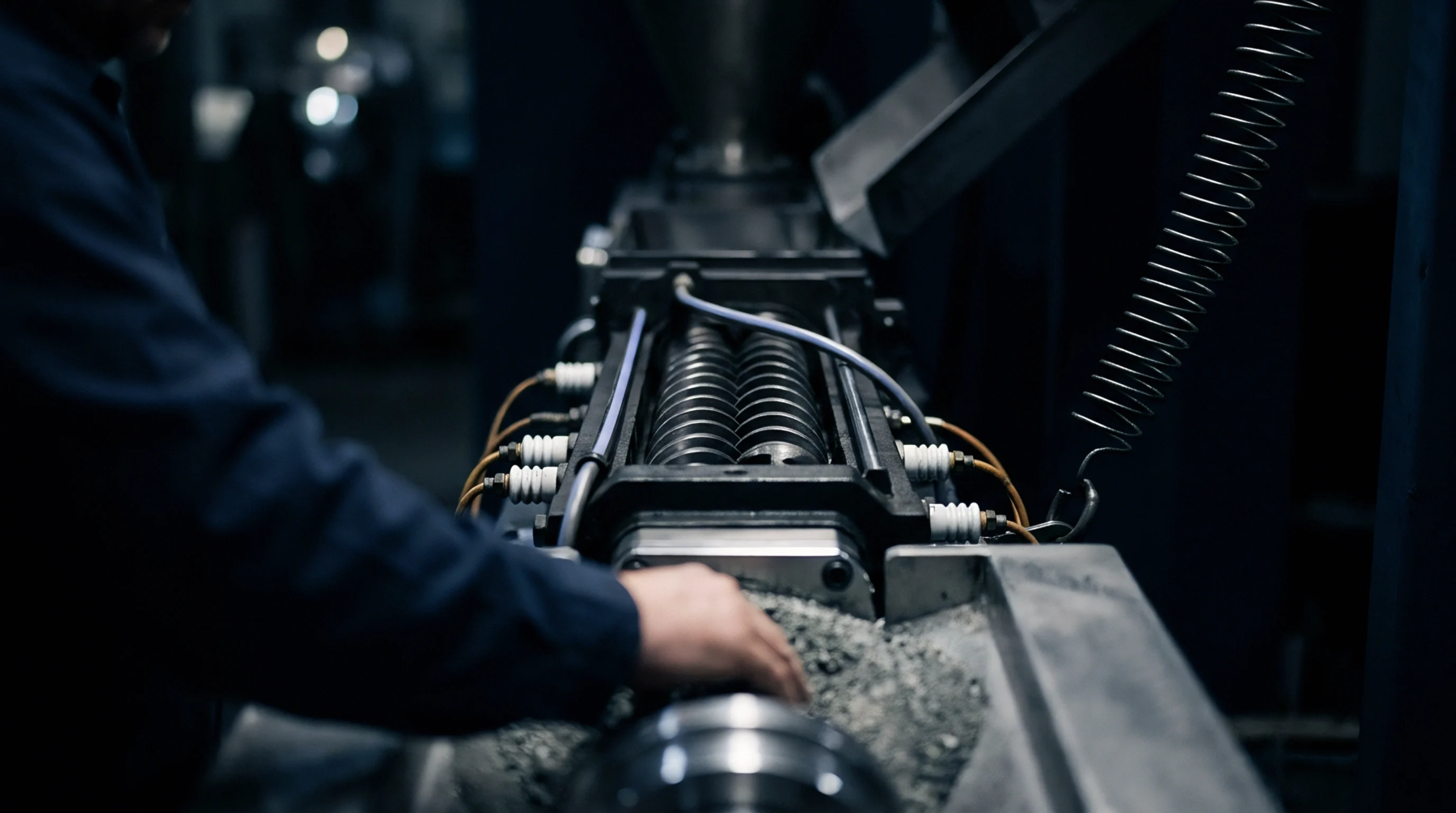
Mass transfer variables in polymer processing describe the rate at which fresh material replaces old material at a processing interface. Surface renewal frequency is critical in degassing operations where volatiles must be removed from the melt. It measures how often the material at the surface of a film or bubble is cycled into the bulk.
Degassing Efficiency
Rapid exchange of material at the interface allows for the faster escape of trapped gases. Surface renewal frequency is increased by using screw designs that promote mixing and folding of the melt. This prevents the buildup of bubbles that could cause defects in the final part.
Melt Homogeneity
Uniform distribution of additives and heat depends on the continuous movement of the polymer. Surface renewal frequency helps to break up stagnant zones in the barrel or die. Better mixing results in more consistent physical properties across the production run.
High renewal rates ensure that thermal energy is distributed evenly throughout the material. This prevents localized overheating that could lead to polymer degradation during the extrusion process.
Processing Rate
Throughput limits are often determined by the ability to refresh the material surface. Surface renewal frequency must be balanced against the risk of shear heating.