Karl Fischer Determination of Moisture in Polyethylene Terephthalate Pellets
Karl Fischer determination via oven vaporization at 170°C coupled with coulometric titration isolates moisture down to 10 ppm for PET processing qualification.
Hydrolysis
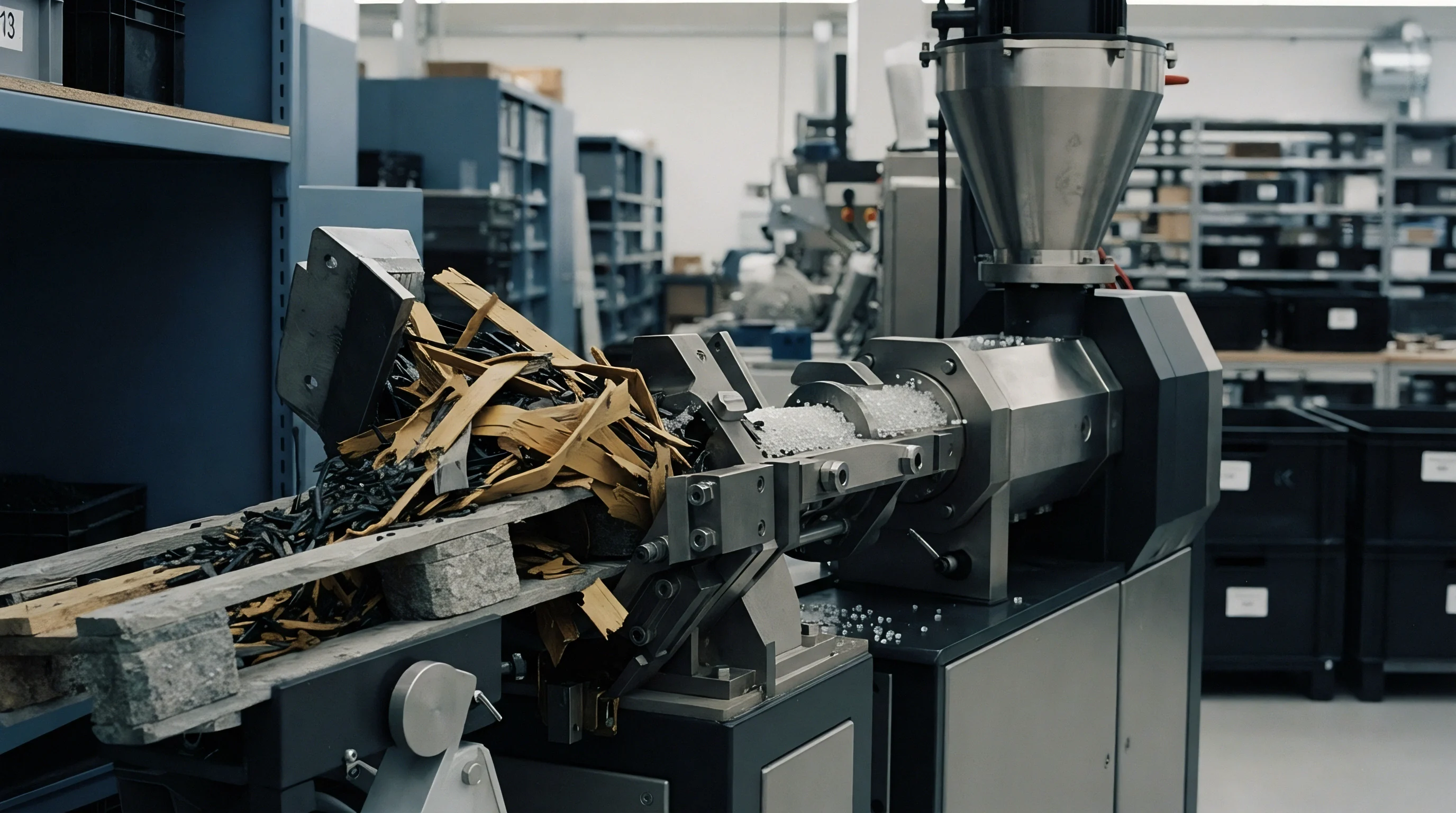
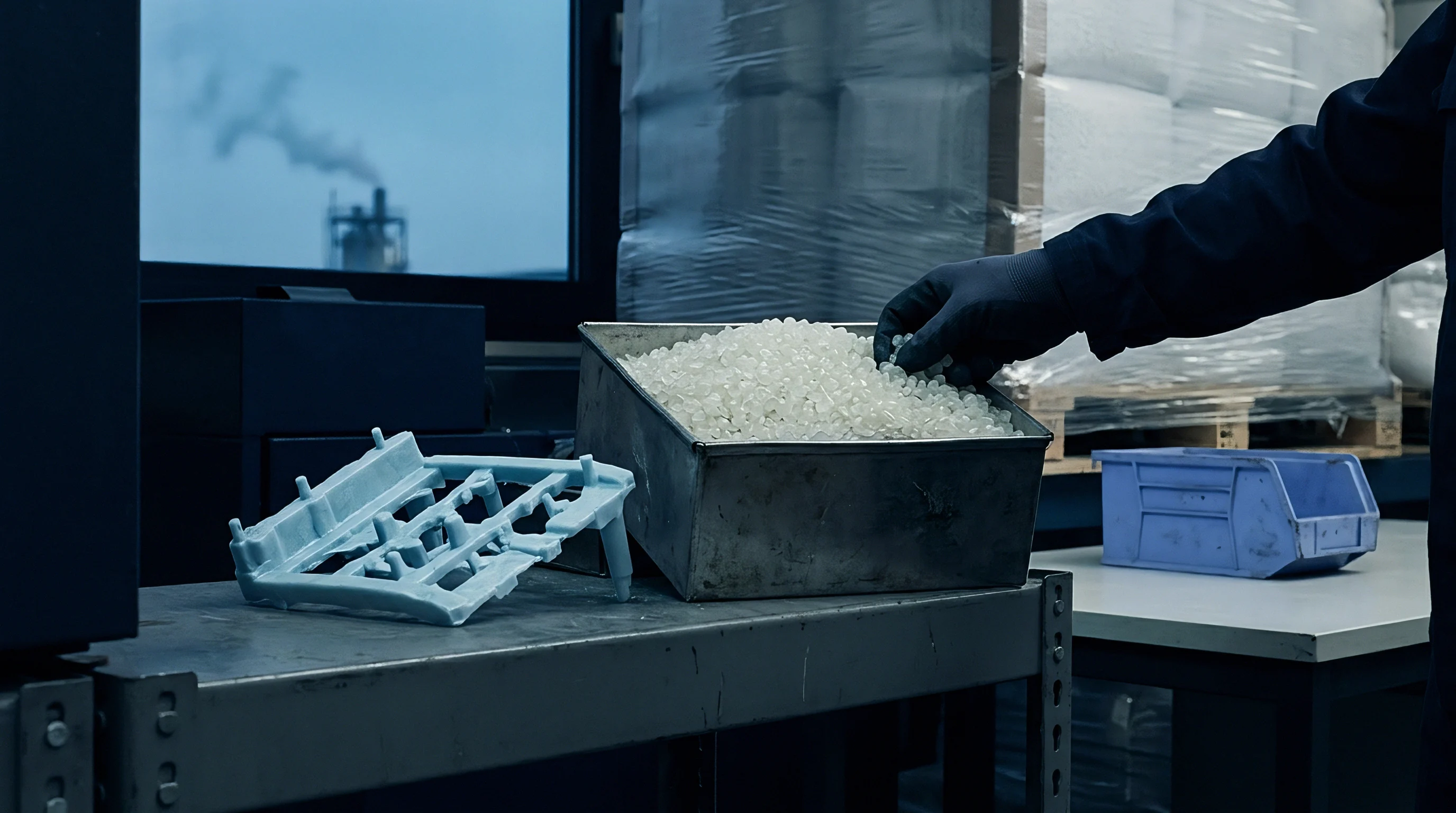
Polyethylene terephthalate chains break rapidly when subjected to thermal energy in the presence of water molecules. During thermal processing in an injection molding barrel or extruder at temperatures between 270°C and 300°C, trapped moisture reacts directly with the ester linkages along the polymer backbone. Each water molecule breaks one ester linkage, dividing a high molecular weight chain into two shorter fragments.
This chemical degradation reaction occurs within seconds, dropping the intrinsic viscosity of the melt and producing carboxylic acid end groups that catalyze further breakdown.
Water cleaves the ester backbone.
The relationship between moisture concentration and structural degradation dictates strict dryness standards for processing. Amorphous or semi-crystalline pellets delivered from a production facility carry surface moisture and absorbed water held within the free volume of the polymer matrix. Virgin resin stored in ambient conditions reaches an equilibrium moisture content between 2000 ppm and 4000 ppm (0.20% to 0.40% by weight).
Processing material at this hydration level causes immediate loss of mechanical integrity, yielding brittle molded parts, severe drop impact failure, and uncontrolled melt flow variations.
Intrinsic Viscosity Decay Mechanics
Rheological behavior reflects chain length directly during thermal processing. As water splits polymer chains, the intrinsic viscosity decreases, lowering melt strength and altering the pressure drop across mold cavities. A drop in intrinsic viscosity from 0.80 dL/g to 0.62 dL/g reduces tensile strength and impact resistance below structural specification limits.
The chemical breakdown generates free carboxyl groups, increasing the acidity of the melt and accelerating thermo-oxidative degradation during subsequent heat cycles.
| Initial Moisture (ppm) | Initial IV (dL/g) | Processed IV (dL/g) | IV Loss (%) | Carboxyl End Groups (mmol/kg) |
|---|---|---|---|---|
| 30 | 0.82 | 0.80 | 2.4 | 18.2 |
| 50 | 0.82 | 0.78 | 4.9 | 21.5 |
| 100 | 0.82 | 0.72 | 12.2 | 29.0 |
| 250 | 0.82 | 0.61 | 25.6 | 46.8 |
| 500 | 0.82 | 0.48 | 41.5 | 72.1 |
Target limits sit below fifty ppm.
Polyethylene terephthalate processed at 280°C with 200 ppm moisture loses 18 percent of its initial intrinsic viscosity within two minutes of extrusion residence time.
Processing Window Thresholds
Technical applications enforce moisture limits based on end-use stress requirements. Bottle-grade resins converted on high-speed injection systems tolerate up to 50 ppm of water before clarity and top-load strength suffer. Industrial fiber and technical yarn extrusion demands moisture levels below 30 ppm to prevent filament breakage under high draw ratios.
Standard compounding operations set upper moisture boundaries at 100 ppm, though optical parts demand levels below 20 ppm to prevent micro-void formation and hazing.
Allowing un-dried resin into a high-temperature barrel causes irreversible polymer chain degradation that destroys impact strength, voids part warranties, and generates heavy financial scrap losses across processing shifts.
Vapor
Solid polymer pellets cannot undergo direct titration inside a liquid reagent cell due to structural insolubility. Dissolving semi-crystalline pellets requires toxic solvents such as phenol, tetrachloroethane, or hexafluoroisopropanol at elevated temperatures, which destabilize standard Karl Fischer reagent chemistries and introduce severe health hazards into the testing hall. The indirect oven vaporization technique overcomes this constraint by thermally extracting moisture from solid pellets and carrying the released water vapor into a titration vessel using an inert sweep gas.
Direct liquid dissolution fails.
Heating the sample inside a sealed vial desorbs trapped moisture into a continuous carrier gas stream. High-purity dry nitrogen sweeps the headspace, conducting the water vapor through a heated transfer tube directly into the titration cell. Regulating the oven temperature ensures complete moisture liberation while preventing thermal breakdown of the polymer matrix itself.
Thermal Extraction Operating Conditions
Selecting the precise extraction temperature balances rapid moisture diffusion against thermal degradation. Polymer pellets undergo heating within a temperature window of 160°C to 180°C. Operating at 170°C mobilizes water molecules trapped deep within the pellet matrix without melting the resin. Maintaining the polymer in its solid state avoids coalisation into a dense molten mass, preserving the high surface area required for complete water desorption within a standard ten-minute test run.
Dry nitrogen sweeps the chamber.
High heat generates secondary moisture.
Exceeding 200°C triggers thermal degradation mechanisms within the polymer structure. At elevated temperatures, esterification side reactions occur between residual hydroxyl and carboxyl end groups, synthesizing secondary water molecules as a chemical byproduct. This generated water enters the carrier gas, producing falsely elevated moisture readings that fail compliant resin lots.
Carrier gas dew points must remain far below ambient temperatures to prevent baseline current inflation during desorption cycles.
| Method Parameter | ISO 15512 Method B2 (Oven Titration) | ASTM D6869 (Vaporization KF) | Direct Solvent Extraction |
|---|---|---|---|
| Sample Form | Intact Solid Pellets | Intact Solid Pellets | Dissolved Polymer Solution |
| Extraction Temp (°C) | 170 – 180 | 160 – 200 | 100 – 120 |
| Carrier Gas | Dry N2 (Dew point < -60°C) | Dry Air or N2 (< 2 ppm H2O) | None (Direct Injection) |
| Typical Test Time (min) | 8 – 12 | 10 – 15 | 15 – 20 |
| Detection Range (ppm) | 1 – 2000 | 10 – 1000 | 50 – 5000 |
| Primary Interference | Thermal degradation water | Carrier gas moisture background | Solvent oxidation / toxic waste |
Extraction System Failure Points
Errors in vaporization measurement originate from mechanical and environmental leaks within the gas path. System integrity demands systematic isolation of background water sources before sample analysis begins.
- Carrier Gas Contamination introduces ambient moisture through saturated desiccants, leaking regulator diaphragms, or low-purity gas cylinders, inflating baseline drift rates above acceptable limits.
- Transfer Line Condensation occurs when transfer tubing temperatures drop below 100°C, causing vaporized water to collect on internal tube walls before reaching the titration vessel.
- Thermal Degradation Artifacts result from heating samples above 200°C, where polymer chain ends react to generate excess water that distorts true moisture values.
- Vial Septum Sorption stems from using non-PTFE lined septa that absorb atmospheric water during storage and release it into the sample vial upon heating.
Material suppliers frequently claim that elevated Karl Fischer moisture figures reflect thermal degradation water generated inside the laboratory heating oven rather than true absorbed moisture within the shipped pellet batch.
Cell
Titration mechanics rely on the quantitative oxidation of sulfur dioxide by iodine in the presence of water and a buffering base. In coulometric systems, the iodine required for the reaction generates electrochemically at the generator electrode anode inside the reaction vessel. The anodic oxidation converts iodide ions to elemental iodine, which immediately reacts with water desorbed from the sample gas stream.
Iodine generation yields exact mass.
The chemical reaction follows strict stoichiometric proportions, where one mole of iodine reacts with exactly one mole of water. Faraday’s Law governs the generation process: 10.72 millicoulombs of electric charge correspond to precisely 1.0 microgram of generated water. Measuring the total electric current required to neutralize the incoming moisture yields absolute water mass without requiring reagent volumetric standardization.

Which Generator Cell Configuration Minimizes Artifacts?
Coulometric titration vessels utilize either diaphragmed or diaphragm-less generator cell designs. Diaphragmed cells isolate the cathode chamber using a porous glass frit, preventing reduced catholyte species from migrating to the anode and interfering with iodine generation. This separation provides stability when measuring trace moisture levels below 50 ppm, though it demands separate catholyte reagents and frequent glass frit cleaning to prevent clogging.
Diaphragm-less cells operate with a single reagent solution, simplifying daily cell maintenance and eliminating frit contamination risks. However, single-compartment cells require optimized chemical formulations to prevent catholyte reduction products from oxidizing at the anode, which would create false current measurements during low-level moisture runs.
| Cell Parameter | Diaphragmed Generator Cell | Diaphragm-less Generator Cell |
|---|---|---|
| Moisture Range Sensitivity | 1 µg to 10,000 µg H2O | 10 µg to 10,000 µg H2O |
| Reagent Requirements | Anolyte and Catholyte Solutions | Single Universal Reagent |
| Baseline Drift Stability | High (< 5 µg H2O/min) | Moderate (< 15 µg H2O/min) |
| Maintenance Demands | Frit cleaning and drying cycles | Simple vessel rinsing |
| Trace Accuracy (<30 ppm) | Superior precision | Slight risk of catholyte oxidation drift |
Drift Current Management
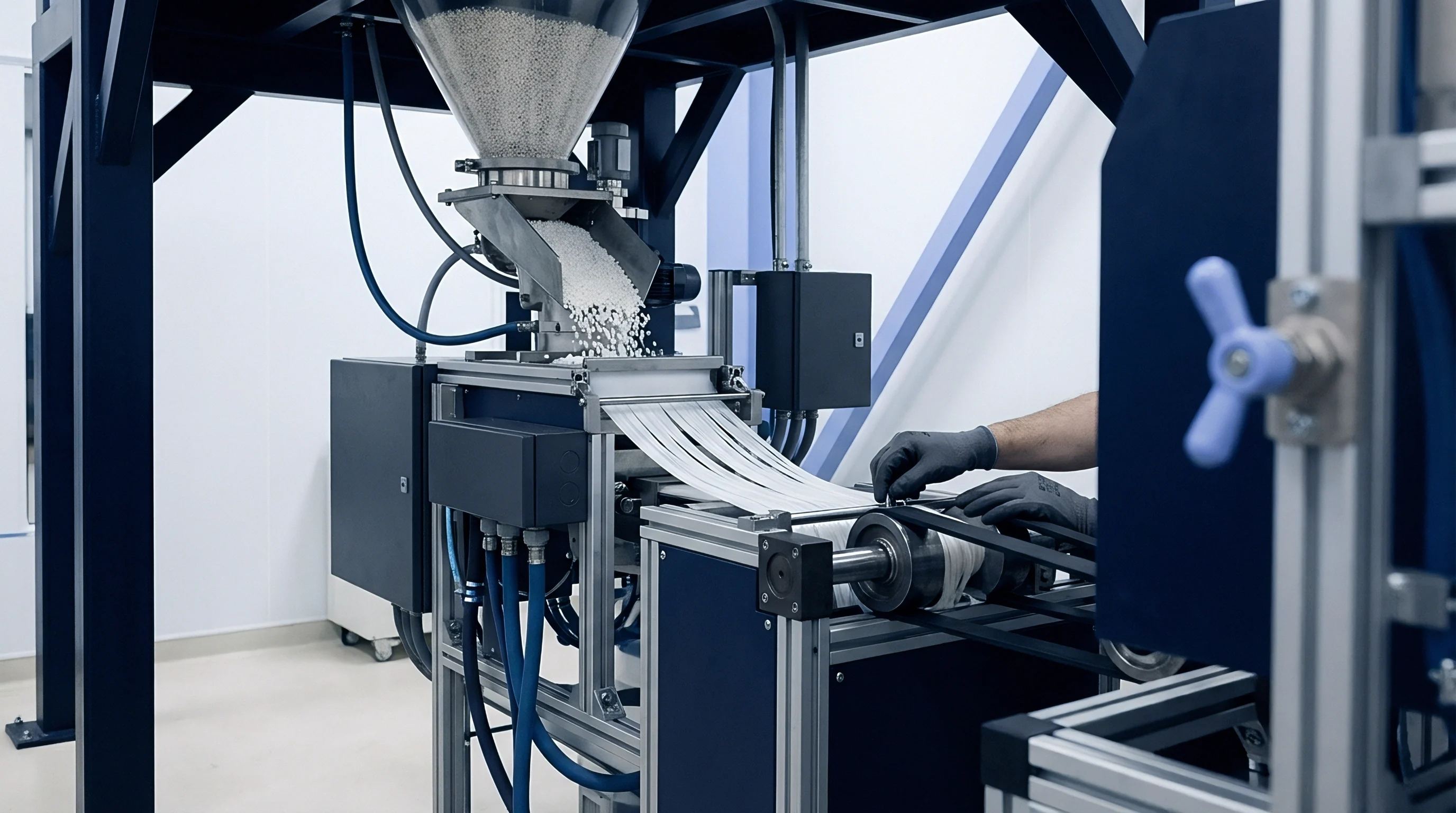
Background moisture ingress continuously adds small amounts of water into the titration vessel through ground glass joints, tubings, and reagent degradation. The instrument measures this constant baseline ingress as background drift, expressed in micrograms of water per minute. Stable measuring systems achieve drift rates below 10 µg/min prior to sample injection.
Blank drift distorts final PPM calculations.
During analysis, the instrument subtracts the calculated baseline drift rate from the total measured water mass over the run duration. Fluctuations in carrier gas flow rate or ambient humidity cause drift instabilities that compromise test precision at low moisture ranges.
The exact mechanism causing sudden drift current spikes during continuous carrier gas purging remains a subject of ongoing study among analytical chemists.

Calibrant
System verification establishes analytical accuracy through known moisture standards before analyzing production pellet samples. Solid chemical standards with precise theoretical water content confirm that the oven heating, carrier gas sweep, transfer lines, and coulometric cell operate in quantitative harmony. Sodium tartrate dihydrate serves as the primary solid standard, containing exactly 15.66% water by weight under stable thermal conditions.
Sodium tartrate provides water calibration.
Pure water capillary tubes and certified liquid oil standards containing known water concentrations (such as 100 ppm or 1000 ppm water in matrix) provide liquid-phase verification options. Injecting liquid standards into sample vials validates extraction efficiency and carrier gas transport, confirming that the heating system releases and transfers trapped water without losses.
Daily Validation and Drift Quantification
Quantifying instrument baseline parameters requires systematic verification steps before running pellet samples.
- Purge the carrier gas lines for thirty minutes to stabilize the gas dry point and remove residual air moisture.
- Heat the vaporization oven to the 170°C operating temperature while maintaining a sweep flow rate of 100 mL/min.
- Initiate a pre-titration cycle to dry the titration cell reagent until the baseline drift drops below 10 µg H2O/min.
- Run an empty sample vial through a complete ten-minute heating cycle to determine the empty vial blank value.
- Weigh and analyze a sodium tartrate dihydrate standard yielding between 300 µg and 1000 µg of water to verify recovery percentage.
- Calculate standard recovery percentages, confirming that measured values fall within 97% to 103% of theoretical yield before proceeding.
ISO 15512 Method B2 requires dry nitrogen carrier gas sweep rates that prevent moisture re-absorption in the transfer tubing prior to titration.
Worked Calculation of Sample Moisture Mass
Calculating moisture content requires subtracting baseline drift and blank vial contributions from the total electrochemically measured water mass. Consider an analysis performed on a high-grade PET bottle resin lot.
Assume a sample mass of 2.150 grams loaded into a sealed vial. The oven operates at 170°C for a run time of 600 seconds (10 minutes). The pre-test drift rate measures 0.08 µg H2O/second.
An empty vial blank determination run under identical conditions yields 12.0 µg H2O. The coulometric cell registers a total water mass of 115.0 µg during the ten-minute extraction run.
First, calculate total drift contribution over the test duration: 0.08 µg/s multiplied by 600 s equals 48.0 µg H2O. Second, determine total background background deductions by adding drift and blank contributions: 48.0 µg plus 12.0 µg equals 60.0 µg H2O. Third, calculate net water mass desorbed from the polymer sample: 115.0 µg minus 60.0 µg background yields 55.0 µg net H2O.
Fourth, divide net water mass by sample weight to determine parts per million concentration: 55.0 µg H2O divided by 2.150 g resin yields 25.58 ppm moisture content.
Standard delivery contracts specify ISO 15512 Method B2 as the binding referee method for resolving receiving-inspection moisture disputes.
Foil
Atmospheric moisture absorption occurs rapidly when dried polymer pellets contact ambient air. Polyethylene terephthalate is a strongly hygroscopic resin whose polar ester groups attract water vapor from surrounding air. At standard room conditions (23°C and 50% relative humidity), dry pellets exposed to air pick up measurable surface moisture within seconds, invalidating laboratory test accuracy.
Atmospheric exposure ruins the sample.
Pellets sampled from a drying hopper at 10 ppm moisture gain over 50 ppm of surface water within three minutes of ambient air contact. Sample collection requires specialized moisture-impermeable containers that isolate pellets immediately upon removal from the silo or hopper.
Standard bags lose seal integrity.
Sample Procurement and Handling Procedures
Sampling practices must exclude atmospheric air to preserve true process moisture levels during storage and transfer.
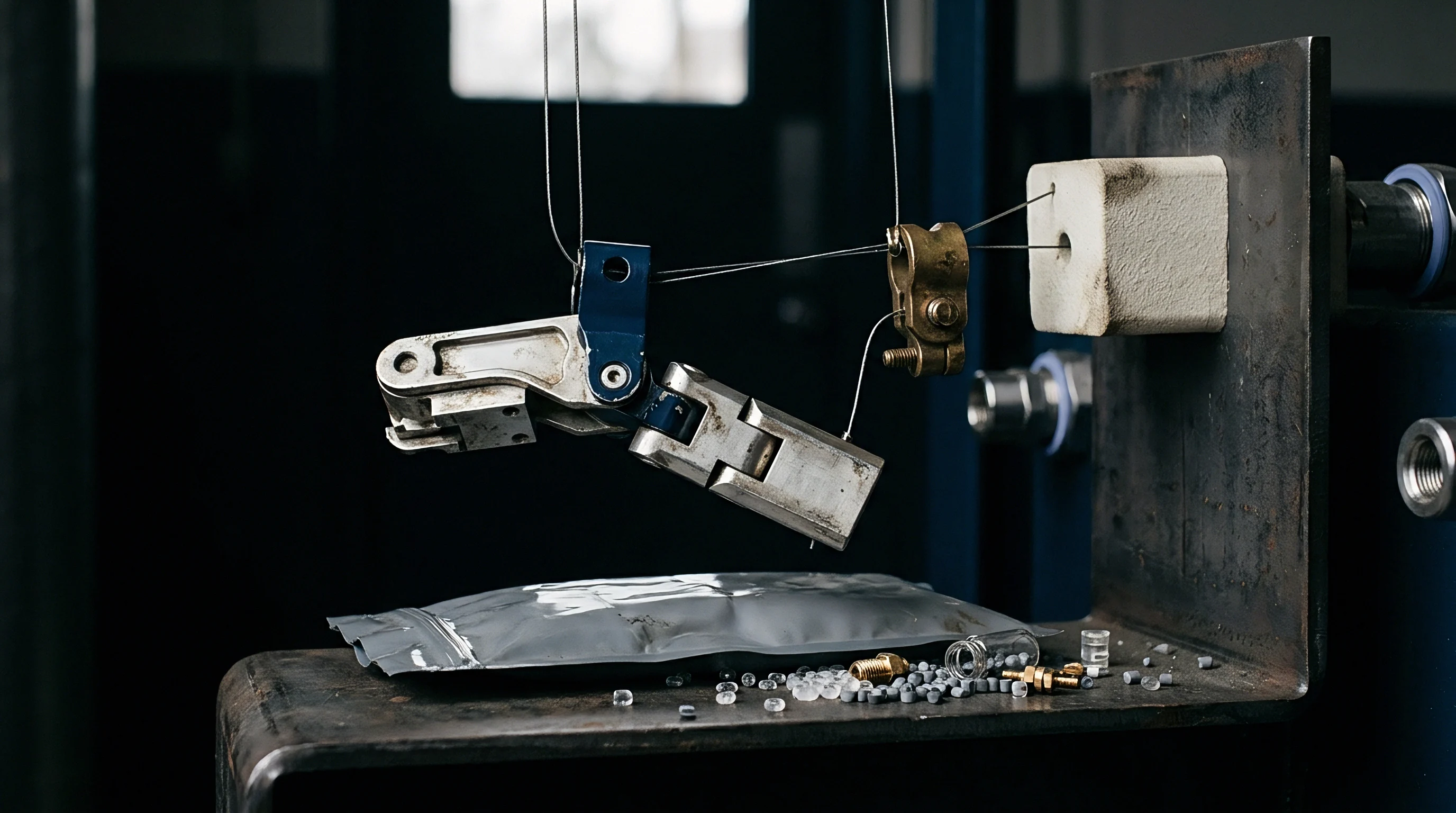
- Aluminum Laminate Packaging utilizes multi-layer foil bags with heat-sealed seams to prevent water vapor diffusion through container walls during sample transport.
- Nitrogen Glass Vials feature septum caps pre-purged with dry nitrogen gas, permitting direct pellet insertion without exposing internal vial volume to room air.
- Purged Thief Samplers extract pellets directly from the core process stream inside the dryer hopper, eliminating boundary-layer ambient exposure during collection.
- Headspace Minimization requires filling sample vials to ninety percent capacity, reducing the volume of trapped air water vapor that contributes to initial blank values.
Store unopened sampling containers in the testing laboratory for two hours prior to measurement so pellets reach room temperature without opening seals.
Discrepancy
Discrepancies between supplier material certificates and incoming laboratory moisture values create commercial friction across resin supply chains. Material producers issue Certificates of Analysis (COA) reporting pellet dryness recorded immediately after packaging at the compounding line outlet. Freight transit times, container temperature swings, and barrier bag pinhole leaks alter pellet moisture before shipment arrival at the receiving plant.
Excessive moisture forces costly scrap.
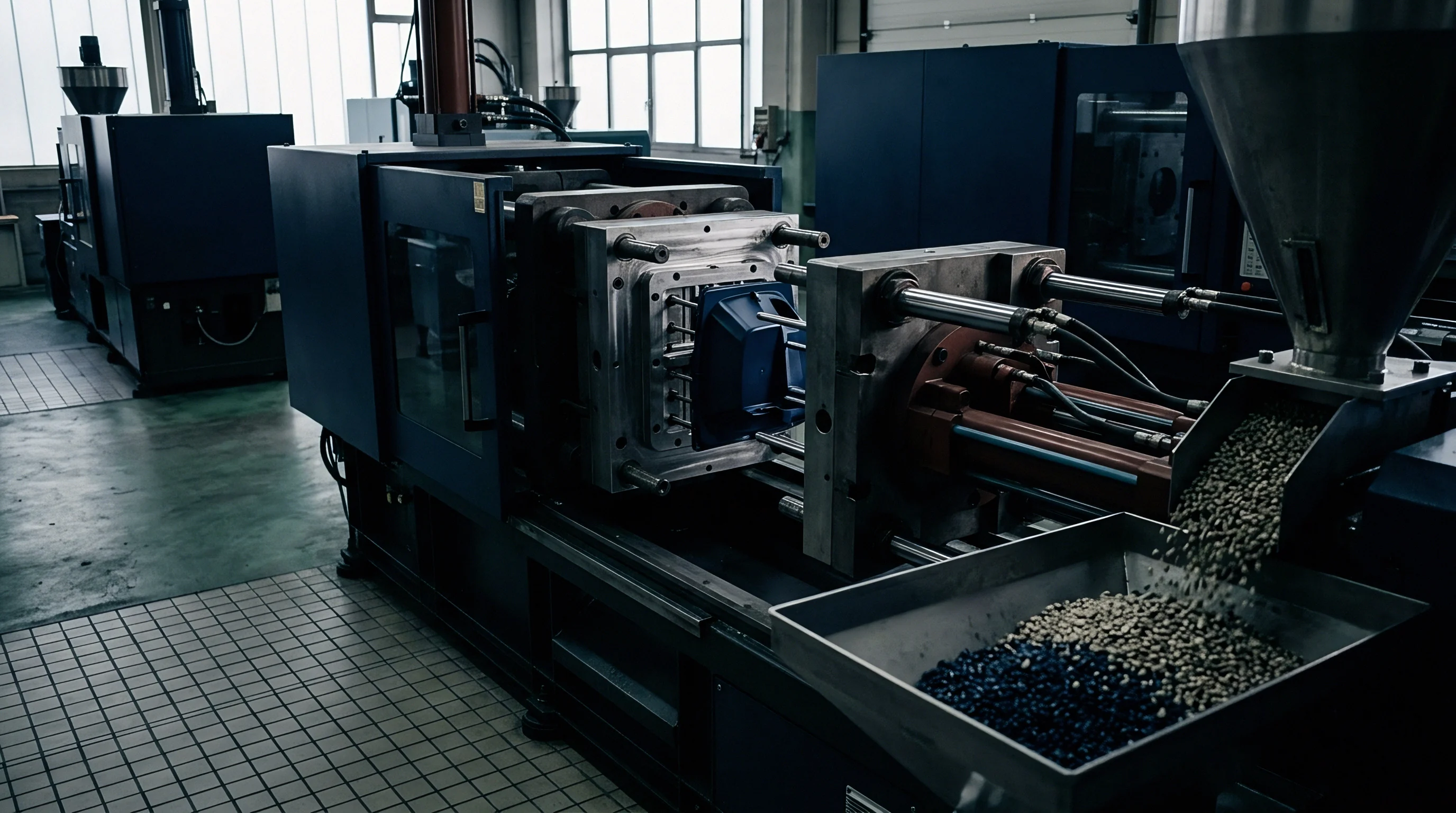
Processing resin received at elevated moisture levels without adequate re-drying causes immediate loss of mechanical properties in molded goods. A shipment arriving at 350 ppm water content instead of the contractually specified 50 ppm threshold requires extended drying cycles in desiccant hoppers. Drying high-volume resin loads consumes electrical power, delays production schedules, and reduces effective plant capacity.
Inadequate sample seal verification converts commercial material disputes into unresolvable laboratory arguments.
Landed Cost Consequences of Non-Compliant Resin
Re-drying un-compliant pellet shipments adds direct processing costs to manufacturing operations. Operating a desiccant drying hopper at 160°C demands approximately 0.12 kWh per kilogram of PET resin. For a 20-tonne truckload shipment arriving with excess moisture, re-drying requires 2,400 kWh of additional electrical energy before production can begin.
At industrial electricity rates, direct energy expenses increase resin processing costs significantly.
Re-drying cycles consume line time.
Secondary financial costs stem from machine downtime, delayed production delivery penalties, and scrap parts generated when under-dried resin enters injection molding tools. Incorporating strict incoming moisture testing protocols based on coulometric Karl Fischer oven titration secures contract compliance, protects part mechanical properties, and validates invoice payments against physical resin quality.
Unresolved moisture disputes often trace back to simple ambient air exposure during sample transfer from the receiving dock to the laboratory balance.