Volatile Organic Acid Quantification Methods for Recycled High Density Polyethylene
Quantify volatile organic acids in recycled HDPE using cryo-milling and headspace GC-MS with nitroterephthalic columns to prevent rancid odor rejections.

Flake
Baled milk bottles unbaled at the wash plant carry an average water-soluble organic residue of 180 milligrams per kilogram before hot caustic friction washing. When wash water temperature drops below 75 degrees Celsius or the sodium hydroxide concentration slips under 1.5 percent, residual dairy triglycerides and bacterial biofilms remain anchored in the micro-crevices of the shred. The shred sits in storage bunkers where anaerobic microbial action converts these lipids into volatile fatty acids.
These low molecular weight carboxylic acids diffuse directly into the amorphous zones of the high density polyethylene. The resulting resin smells rancid before it ever reaches an extruder barrel.
Incoming inspection docks receive pellets that look clear, white, and uniform on a clean stainless steel tray. Heat the material to 80 degrees Celsius inside a sealed vessel, however, and the headspace fills with a pungent stench of butyric, isovaleric, and hexanoic acids. Standard volatile organic compound tests fail to alert the purchasing team to this contamination.
Flame ionization detectors calibrate against non-polar alkane surrogates like toluene or dodecane, missing the specific polarity and wall-adsorption tendencies of low-boiling organic acids. Sourcing teams commit capital to railcars of reprocessed material only to encounter customer rejections when molded bottles warm up in consumer vehicles.
Post-Consumer Dairy Fractions and Fermentation Precursors
Recovered natural high density polyethylene derives overwhelmingly from blow-molded liquid containers. Milk and cream packaging carries fat globules that adhere to the non-polar ethylene chains during mechanical granulator impacts. Unwashed post-consumer shred acts as an incubator for ambient microbial flora.
Facultative anaerobic organisms ferment lactose and cleave ester bonds in butterfat, synthesizing volatile organic acids within forty-eight hours of ambient baled storage. The dominant molecules synthesized during this residence period span ethanoic through octanoic acid:
- Acetic acid generates a sharp vinegar vapor through aerobic oxidation of residual ethanol and primary sugar metabolites.
- Propionic acid produces a pungent, Swiss-cheese note originating from the anaerobic breakdown of dairy proteins by propionibacteria.
- Butyric acid introduces an intensely repulsive vomit odor through the anaerobic fermentation of carbohydrates and dairy lipids, exhibiting a human sensory threshold below one part per billion in ambient air.
- Isovaleric acid adds a sweaty, rancid animal odor derived from the enzymatic transamination and decarboxylation of leucine.
- Hexanoic acid contributes a persistent caproic, barnyard taint that partitions slowly into the gas phase due to its six-carbon aliphatic backbone.
Water-soluble fractions wash away during cold and hot wash sequences, yet microbial colonies embedded in dead zones around bottle necks and label adhesive interfaces survive. Mechanical recycling operations rely on short residence times inside friction washers, leaving up to 12 percent of biological surface soils intact. These biological residues enter the compounding extruder, where thermal degradation cleaves remaining triglycerides and accelerates secondary acid formation.

Polymer Oxidation versus Microbial Colonization Pathways
Carboxylic acids inside recycled polyolefins originate through two distinct physical mechanisms. Biological action generates branched and odd-numbered short-chain acids during bale storage and post-collection transport. High-temperature mechanical processing generates homologous linear carboxylic acids through radical auto-oxidation of the polyethylene backbone itself.
When the melt temperature inside a single-screw or twin-screw extruder exceeds 220 degrees Celsius, shear heating causes alkyl radical formation. Atmospheric oxygen trapped in the pellet feed throat reacts with these radicals to generate peroxy structures.
Subsequent hydrogen abstraction yields polymer hydroperoxides that undergo homolytic O-O bond scission. The resulting alkoxy radicals experience beta-scission, cleaving the high molecular weight polymer chain and releasing terminal aldehydes, ketones, and carboxylic acids. Recycled polyethylene lots subjected to three or four previous thermal cycles exhibit elevated carbonyl absorption bands between 1710 and 1720 reciprocal centimeters on Fourier transform infrared spectra.
The chemical identity of thermo-oxidative acids centers on acetic, formic, and acrylic acids. Microbial contamination leaves a fingerprint enriched in butyric, isobutyric, 2-methylbutyric, and isovaleric acids.
Washing line managers routinely dismiss these odor complaints as transient humidity retention that disappears after mechanical drying.

Extraction
Sample preparation dictates chromatographic recovery because volatile organic acids bind tenaciously to both the polymer matrix and the analytical hardware. Carboxylic acids possess polar hydroxyl and carbonyl functional groups that form strong hydrogen bonds with trace moisture and active silanol sites on glassware surfaces. Direct injection of a solid polymer flake into an analytical column fouls the stationary phase with oligomeric waxes.
Liberating volatile acids from the semi-crystalline polyethylene lattice requires thermal energy or liquid solvents capable of swelling the crystalline spherulites.
Headspace methods balance temperature against sample stability. Heating high density polyethylene above 120 degrees Celsius mobilizes amorphous chains, expediting the diffusion of low molecular weight acids into the gas phase. Prolonged exposure to temperatures above 130 degrees Celsius initiates secondary thermal auto-oxidation of residual vinylidene groups inside the polymer, generating artifact carboxylic acids during the measurement itself.
Analytical protocols must freeze this thermal ceiling. Setting static headspace equilibration at 100 degrees Celsius for sixty minutes prevents thermal artifact synthesis while liberating volatile analytes from 0.952 gram per cubic centimeter blow-molding resins.
Matrix Diffusivity across Semi-Crystalline Polyethylene Morphologies
Diffusion of polar carboxylic acids through solid polyethylene is governed by the polymer morphology. High density polyethylene consists of dense crystalline lamellae embedded within an amorphous fraction that accounts for 20 to 30 percent of the total volume. Linear carboxylic acids do not penetrate the crystalline phase.
Their mass transfer occurs entirely through the tortuous interstitial pathways between crystalline spherulites. A blow molding grade displaying a density of 0.955 grams per cubic centimeter and a melt flow rate of 0.35 grams per 10 minutes at 190 degrees Celsius under 2.16 kilograms load imposes immense steric resistance against diffusing organic acids.
Pellet dimensions dictate the path length for diffusion. Standard reprocessed pellets display an ellipsoidal geometry with major diameters of 3.2 millimeters and minor diameters of 2.1 millimeters. Equilibrium of butyric acid between the pellet core and the surrounding headspace at 80 degrees Celsius requires over fourteen hours of continuous incubation.
Grinding the polymer under liquid nitrogen to a cryo-milled powder passing a 500-micrometer sieve decreases this diffusion distance by an order of magnitude. Fine cryo-milling compresses the necessary headspace incubation time to forty-five minutes without inducing thermal stress.
Dynamic headspace purge conditions running at 80 degrees Celsius with a nitrogen flow of 50 milliliters per minute for forty minutes recover 94 percent of free butyric acid from 500-micrometer cryo-ground high density polyethylene.
Does Thermal Desorption Distort Carboxylic Acid Recovery?
Direct thermal desorption eliminates solvent dilution by purging heated polymer samples directly into a cryogenic or sorbent-packed trap. Ten to fifty milligrams of cryo-milled polymer are loaded into a deactivated glass tube and heated to 100 degrees Celsius while helium purges the effluent onto a multi-bed sorbent tube containing Tenax TA and carbon molecular sieves. Carboxylic acids encounter severe recovery losses if the desorption path contains unpassivated metal surfaces.
The free carboxylic group binds irreversibly to active stainless steel transfer lines, leading to peak broadening and low yields.
Tenax TA sorbents retain C4 through C8 organic acids but exhibit breakthrough volumes below 500 milliliters for formic and acetic acid at ambient trapping temperatures. Adding a secondary carbon sorbent bed like Carbopack B captures the volatile C2 and C3 fractions. Desorption of these sorbent tubes at 280 degrees Celsius can cause catalytic de-carboxylation of organic acids if trace oxygen leaks into the carrier stream.
Maintaining oxygen levels below 0.5 parts per million in carrier helium prevents this decomposition during desorption cycles.
- Weigh 30 milligrams of cryo-ground polymer into a deactivated quartz thermal desorption tube packed with silanized glass wool to prevent particulate migration into the valve manifold.
- Spike 1.0 microliter of an internal standard solution containing deuterated butyric acid-d7 in methanol directly onto the polymer bed using a zero-dead-volume micro-syringe.
- Purge the loaded tube with dry helium at 50 milliliters per minute for five minutes at 30 degrees Celsius to remove ambient oxygen and moisture before thermal activation.
- Heat the tube to 100 degrees Celsius at 40 degrees Celsius per minute while directing the purge flow to an electronically cooled sorbent trap held at minus 10 degrees Celsius.
- Desorb the secondary cold trap rapidly at 300 degrees Celsius with a split ratio of 10:1, injecting the volatilized organic acids directly onto a nitroterephthalic acid-modified capillary column.

Solid-Phase Microextraction Fiber Selectivity and Partitioning
Headspace solid-phase microextraction uses an adsorbent-coated fused silica fiber exposed to the gas phase above the heated polymer sample. Fiber phase chemistry controls analyte recovery. Non-polar polydimethylsiloxane fibers capture long-chain aliphatic hydrocarbons but fail to adsorb polar carboxylic acids.
Carboxylic acid extraction demands mixed-phase fibers containing polar or porous sorbents.
The 85-micrometer polyacrylate fiber and the 50/30-micrometer divinylbenzene/Carboxen/polydimethylsiloxane (DVB/CAR/PDMS) stableflex fiber provide suitable extraction efficiency. The DVB/CAR/PDMS phase captures small, volatile C2 to C4 acids inside the micropores of the carbon sieve while retaining C5 to C8 acids within the mesoporous divinylbenzene layer. Extraction equilibrium depends on the distribution constant between the polyethylene matrix, the gas phase, and the stationary phase coating the fiber.
Salting out strategies used in aqueous extractions cannot be applied directly to dry solid pellets, making precise control of vial temperature and agitation frequency vital for reproducible peak areas.
| Extraction Method | Sample State | Thermal Range | Target Analytes | Recovery Bias Risk |
|---|---|---|---|---|
| Static Headspace | Whole pellets or flake | 80 to 120 °C | C2 to C4 acids | Incomplete diffusion from pellet core |
| Dynamic Headspace | Cryo-milled powder | 60 to 100 °C | C2 to C8 acids | Aerosolization of low molecular oligomers |
| Direct Thermal Desorption | Sieved flake particles | 90 to 130 °C | C2 to C10 acids | Thermal artifact generation above 120 °C |
| HS-SPME (DVB/CAR/PDMS) | Cryo-milled powder | 60 to 90 °C | C3 to C8 acids | Fiber saturation by co-extracted terpenes |
| Ultrasonic Solvent Extraction | Pellet granules | 40 to 60 °C | C2 to C12 acids | Solvent peak interference on light acids |
Static headspace balances simplicity against analytical depth. The unresolved question remains whether standard static headspace equilibration times can ever overcome the boundary-layer diffusion limitations of unstabilized, high-crystallinity flakes without decomposing fragile co-contaminants.
Detection
Chromatographic separation of volatile fatty acids tests the physical limits of gas chromatography columns. Underivatized organic acids contain active carboxylic protons that interact aggressively with basic silanol sites on fused silica tubing. This interaction produces broad, asymmetrical peaks with severe tailing, dragging retention times and obscuring baseline resolution between adjacent isomers like isobutyric and butyric acid.
Quantifying parts-per-billion concentrations requires specialized column stationary phases, chemical derivatization, or tandem mass spectrometry operating under selected ion monitoring modes.
Standard methyl silicone (100 percent dimethylpolysiloxane) and 5 percent diphenyl columns cannot resolve free carboxylic acids. The acids exit the column as broad humps that overlap with volatile aldehydes and ketones. Achieving narrow, symmetrical peak shapes requires capillary columns coated with a polyethylene glycol phase modified with nitroterephthalic acid, sold commercially as DB-FFAP or HP-FFAP.
The acidic modification deactivates silanol interaction sites and maintains the carboxylic acid analytes in their unassociated, monomeric state throughout the temperature program.
Stationary Phase Adsorption and Free Fatty Acid Columns
Nitroterephthalic acid-modified polyethylene glycol stationary phases permit the direct analysis of underivatized C2 through C8 acids. Operating conditions must preserve the bonded phase. The upper temperature limit for a standard 30-meter FFAP column with an internal diameter of 0.25 millimeters and a film thickness of 0.25 micrometers is 250 degrees Celsius.
Exceeding this boundary degrades the nitroterephthalic acid groups, stripping the column of its acidic deactivation and permanently destroying chromatographic resolution for volatile acids.
Carrier gas purity dictates column longevity. High density polyethylene headspace extracts contain trace oxygen and moisture that hydrolyze polyethylene glycol linkages at temperatures above 180 degrees Celsius. Installing gas purifiers that reduce carrier oxygen and moisture to less than 10 parts per billion protects column integrity.
Injector split liners must be packed with deactivated quartz wool and replaced every two hundred injections. Uncoated glass wool or accumulated non-volatile polyethylene oligomers inside the inlet liner create active basic sites that completely adsorb butyric and valeric acid below 50 nanograms on-column.
A clean chromatographic baseline on a polar column guarantees nothing if the inlet liner contains active silanol sites that absorb polar analytes.
Derivatization Chemistries for Suppressing Silanol Interactions
Transforming the carboxylic acid functional group into an ester or silyl derivative eliminates proton donation and silanol adsorption. Esterification yields volatile, non-polar derivatives that separate cleanly on standard non-polar stationary phases like 5 percent phenyl methylpolysiloxane. Silylation with N,O-bis(trimethylsilyl)trifluoroacetamide (BSTFA) containing 1 percent trimethylchlorosilane (TMCS) converts free acids into trimethylsilyl (TMS) esters.
The reaction proceeds at 60 degrees Celsius within thirty minutes inside an aprotic solvent like pyridine or dichloromethane.
TMS derivatives decompose rapidly when exposed to trace atmospheric humidity, regenerating the free acid and yielding variable response factors. An alternative derivatization pathway involves alkylation using pentafluorobenzyl bromide (PFBBr) under basic phase-transfer conditions. PFBBr derivatization targets the carboxylate anion, producing stable pentafluorobenzyl esters.
These fluorinated derivatives display high electron affinity, facilitating detection via negative chemical ionization mass spectrometry (GC-NCI-MS). The method achieves limits of quantification below 0.5 micrograms per kilogram in recycled resin, an order of magnitude cleaner than electron ionization limits.
Internal Standardization and Multiple Headspace Additions
Matrix effects in semi-crystalline polymers distort simple external calibration curves. Polyethylene pellets of varying crystallinity and comonomer content (1-butene versus 1-hexene copolymers) retain organic acids with differing thermodynamic partition coefficients. Calibrating with standard solutions dissolved in pure solvent produces systematic under-quantification of actual resin concentrations.
The analytical protocol must integrate internal standards that mimic the volatility, solubility, and phase distribution of the target analytes.
Deuterated internal standards provide ideal compensation for matrix and extraction variations. Spiking cryo-milled polymer with acetic acid-d3, propionic acid-d5, and butyric acid-d7 allows the mass spectrometer to measure analyte-to-standard ion ratios that remain invariant against fiber aging, liner contamination, or split fluctuations. When isotopic standards are unavailable, 2-ethylbutyric acid serves as an effective surrogate because its retention characteristics match valeric acid while remaining absent from natural post-consumer streams.
| Analyte Compound | Boiling Point (°C) | Odor Threshold in Air (mg/m³) | Quantification Ion (m/z) | Deuterated Standard |
|---|---|---|---|---|
| Acetic Acid | 118 | 0.025 to 0.100 | 60, 45, 43 | Acetic acid-d3 (m/z 63) |
| Propionic Acid | 141 | 0.005 to 0.020 | 74, 57, 45 | Propionic acid-d5 (m/z 79) |
| Isobutyric Acid | 155 | 0.002 to 0.008 | 73, 43, 88 | Isobutyric acid-d7 (m/z 95) |
| Butyric Acid | 164 | 0.0005 to 0.002 | 60, 73, 41 | Butyric acid-d7 (m/z 67) |
| Isovaleric Acid | 176 | 0.0001 to 0.001 | 60, 87, 43 | Isovaleric acid-d9 (m/z 69) |
| Valeric Acid | 186 | 0.0006 to 0.003 | 60, 73, 87 | Valeric acid-d9 (m/z 69) |
| Hexanoic Acid | 205 | 0.0010 to 0.005 | 60, 73, 41 | Hexanoic acid-d11 (m/z 73) |
Multiple headspace extraction (MHE) solves the calibration impasse without requiring complete solvent dissolution of the polymer. The sample undergoes sequential static headspace extraction cycles within the same hermetic vial. The logarithmic decay of analyte peak area across successive extractions allows mathematical extrapolation of the total initial concentration residing within the polymer matrix.
Implementing MHE eliminates the influence of variable polymer crystallinity on analytical accuracy.
Skipping matrix-matched calibrations causes laboratories to under-report butyric acid levels by up to 60 percent, allowing foul-smelling resin to pass incoming inspection and land in finished consumer packaging where it triggers massive warranty write-offs.
Purge
Compounding extruders must strip volatile organic acids from the molten polymer through intensive devolatilization before pelletization occurs. High density polyethylene leaves the melting zone at temperatures between 190 and 230 degrees Celsius. At this temperature, the vapor pressure of butyric acid exceeds 1.5 bar, driving it energetically toward the phase boundary.
The polymer melt, however, presents a high melt viscosity, typically exhibiting a melt flow rate between 0.25 and 0.80 grams per 10 minutes at 190 degrees Celsius under a 2.16 kilogram load. Viscous resistance restricts mass transfer of organic acids from the core of the flighted screw channels to the free melt surface.
Co-rotating intermeshing twin-screw extruders optimize stripping by continually generating fresh surface area. Screw configurations in devolatilization sections utilize thin kneading blocks and forward-kneading elements that draw the melt out into films thinner than 0.5 millimeters across the barrel walls. The rate of volatile acid extraction depends directly on the surface renewal frequency of these molten films under vacuum vents.
A twin-screw extruder running at 450 revolutions per minute with three separate vacuum stages reduces residual acetic and propionic acids far more effectively than a single-screw machine equipped with one passive vent port.

Vacuum Degassing Zones in Twin-Screw Compounding
Modern plastics re-compounding lines deploy long process barrels with length-to-diameter (L/D) ratios spanning 44:1 to 52:1. Multiple decompression zones isolate the molten polymer between melt seals formed by reverse-flighted screw elements. Applying vacuum levels between 20 and 50 millibar absolute pressure lowers the boiling point of C4 to C8 organic acids, driving them out of the polymer matrix into the extraction plenum.
Water-ring vacuum pumps struggle to maintain target pressures when acidic vapors condense into the service fluid. Dissolved carboxylic acids drop the pH of the seal water below 3.0, attacking internal cast-iron impellers and reducing vacuum efficiency. Installing dry-running claw pumps or chemical-duty dry screw vacuum systems prevents equipment corrosion and maintains stable 10 millibar degassing pressures across continuous production campaigns.
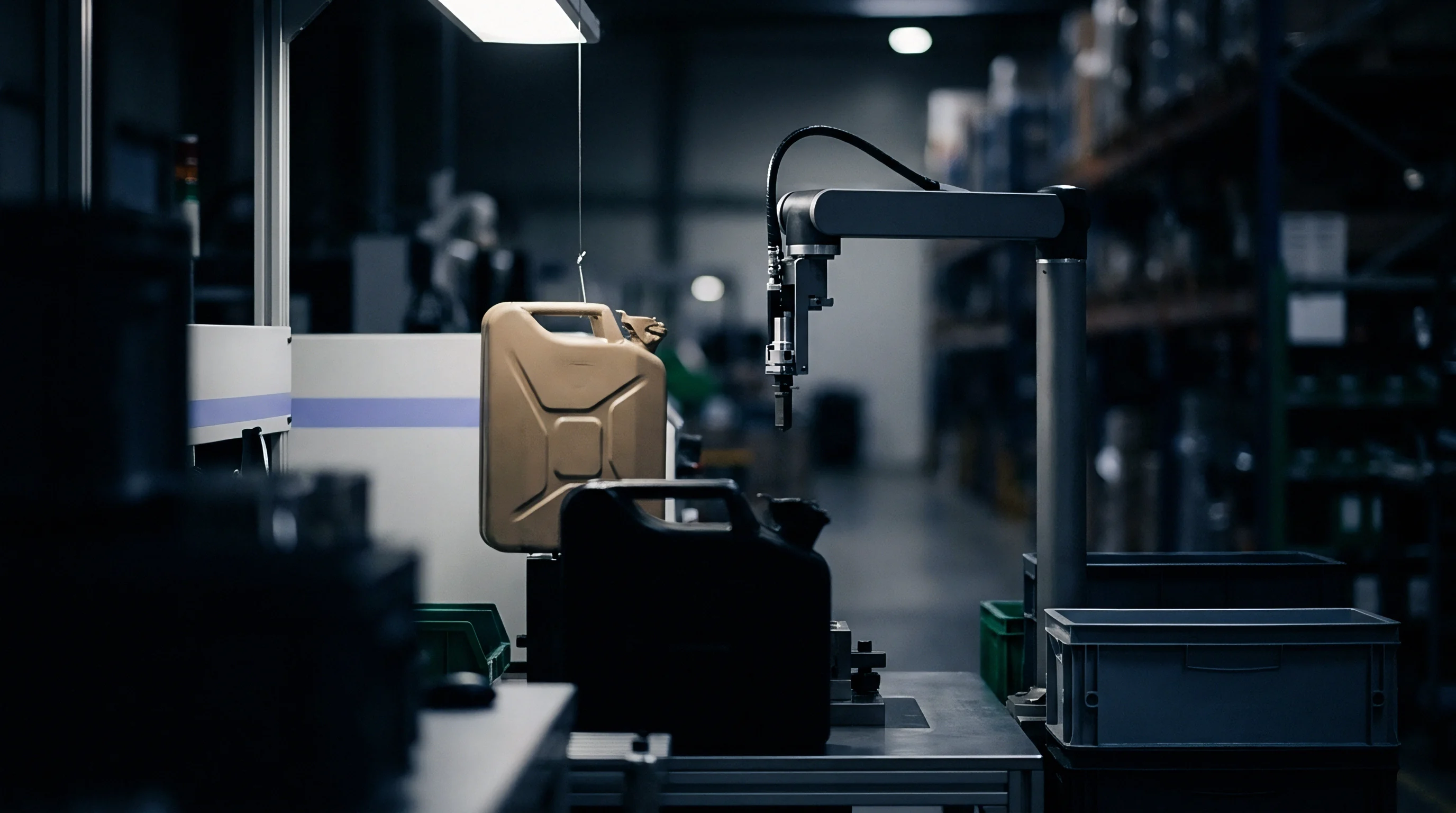
Will Vacuum Degassing Suppress Acetic Odor Regrowth?
Degassing removes free volatile acids present in the compounding melt, but residual moisture and catalytic impurities provoke post-extrusion acid regeneration. During industrial pellet cooling, underwater pelletizers immerse the extruded strands in circulating water baths. High density polyethylene absorbs between 0.05 and 0.15 percent moisture if pellet drying centrifuges operate with worn rotor flights or saturated exhaust air.
When finished resin sits inside warm shipping silos, this internal moisture hydrolyzes residual esters and oxidized polymer fragments, regenerating volatile organic acids during transport.
Stripping efficiency can be elevated through entrainer-assisted devolatilization. Injecting demineralized water or carbon dioxide into the polymer melt upstream of the vacuum vent reduces the partial pressure of volatile organic acids in the vapor phase. The injected entrainer boils flash-evaporates, generating microscopic bubbles that expand the interfacial melt area by 300 percent.
Steam stripping sweeps butyric and valeric acids from the foaming melt, lowering residual acid concentrations below sensory detection limits.
A compounding contract requiring 30 millibar vacuum degassing achieves compliance only when vacuum pumps run with acid-resistant mechanical seals and dry screw stages.
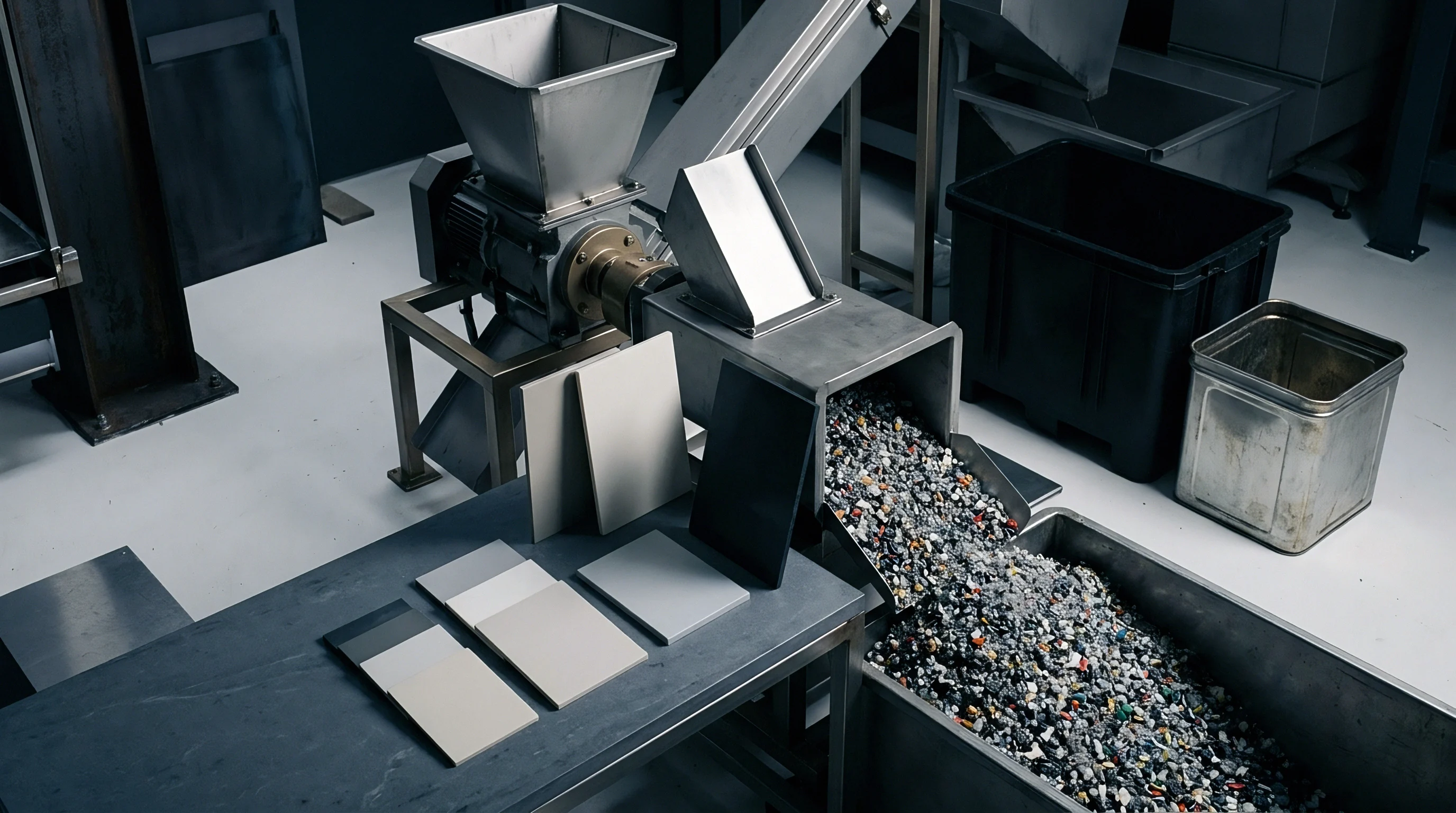
Inorganic Scavengers and Acid Neutralization Stoichiometry
Entrainer degassing strips unbound volatile acids, but high-temperature processing continually cleaves oxidized polymer sites, generating secondary acids during conversion molding. Compounders incorporate basic inorganic scavengers directly into the formulation to chemically immobilize residual carboxyl groups. The metal scavenger reacts with the free carboxylic acid, converting it into a non-volatile, thermally stable carboxylate salt that remains locked within the solid polymer matrix.
Chemical selection dictates both neutralization efficiency and polymer clarity. Calcium carbonate acts sluggishly, requiring high loadings that alter the density and impact performance of the high density polyethylene. Highly basic metal oxides and synthetic minerals offer targeted reactivity without degrading mechanical metrics:
- Zinc oxide neutralizes short-chain acids through the formation of zinc carboxylates, functioning rapidly in the melt at loadings between 0.15 and 0.40 weight percent.
- Hydrotalcite traps carboxylic anions within its positively charged magnesium-aluminum hydroxycarbonate interlayer sheets, preventing acid volatilization during subsequent blow molding operations.
- Calcium hydroxyapatite provides basic calcium binding sites with high thermal stability, resisting discoloration and die lip build-up up to 280 degrees Celsius.
- Type 13X molecular sieves adsorb carboxylic acids within 10-angstrom aluminosilicate pore networks, though moisture uptake during storage can displace adsorbed acids back into the matrix.
Balancing inorganic scavengers requires stoichiometric calculations based on incoming total acid numbers. Sourcing engineers qualify scavenger masterbatches using a standard compounding decision checklist:
- Total acid capacity matches the 95th percentile baseline acid content of incoming flake lots with a minimum 2:1 stoichiometric excess.
- Mean particle size stays below 2.0 micrometers with a d98 under 5.0 micrometers to prevent pinhole formation in blow-molded container walls.
- Moisture contribution remains under 0.05 weight percent after drying to prevent hydrolytic degradation of companion additives and foaming at the die.
- Color neutrality limits changes in baseline Hunter b yellowness indices to less than 1.5 units on natural reprocessed pellets.
| Compounding Configuration | Vacuum Level (mbar) | Scavenger Loading (wt%) | Residual Butyric Acid (mg/kg) | VDA 270 Odor Rating |
|---|---|---|---|---|
| Single vent, atmospheric | 1013 | None | 4.80 | Grade 5.0 (unbearable) |
| Dual vent, medium vacuum | 150 | None | 1.95 | Grade 4.0 (objectionable) |
| Triple vent, deep vacuum | 25 | None | 0.45 | Grade 3.5 (noticeable) |
| Triple vent + water entrainer | 25 | 1.5% H2O injection | 0.12 | Grade 2.5 (moderate) |
| Triple vent + Zinc Oxide | 25 | 0.30% ZnO | 0.02 | Grade 2.0 (perceptible) |
| Triple vent + Hydrotalcite | 25 | 0.50% DHT-4A | 0.01 | Grade 1.5 (not perceptible) |
Operating vacuum pumps below fifty millibar while feeding basic metal scavengers keeps volatile fatty acid emissions low enough to pass human olfactory screening panels.

Contract
Procuring post-consumer recycled high density polyethylene for consumer packaging, personal care bottles, and automotive interior components requires strict commercial controls over volatile organic acid content. Technical data sheets from recyclers universally report melt flow rate under ISO 1133 at 190 degrees Celsius with a 2.16 kilogram load, density via ISO 1183, and notched Izod impact via ISO 180. These mechanical parameters provide no assurance regarding olfactory suitability.
A resin lot displaying a perfect 0.75 grams per 10 minutes melt index and an impact strength of 8.5 kilojoules per square meter can still off-gas unacceptable amounts of butyric and isovaleric acid, triggering downstream consumer product returns.
Purchase orders must establish legally binding quantification methodologies alongside sensory thresholds. Relying on subjective human sniffing panels governed by VDA 270 or factory-floor smell checks creates commercial deadlocks when disputes arise. Human olfactory perception shifts with relative humidity, ambient temperature, panelist fatigue, and individual anosmia to specific carboxylic acids.
Commercial purchase contracts must link VDA 270 sensory limits directly to instrumented quantification values established through multiple headspace extraction gas chromatography mass spectrometry.
Headspace Thresholds across Converter Specifications
Converter specifications establish maximum allowable concentrations for individual and cumulative volatile organic acids. Blow-molded bottles for laundry detergents tolerate higher residual acid burdens because added synthetic fragrances mask subtle background odours. Personal care containers for unscented shampoos, cosmetic jars, and automotive climate ducting operate under nearly zero-tolerance standards.
In enclosed automotive passenger cabins, solar heating elevates interior temperatures to 75 degrees Celsius, accelerating the release of entrained organic acids into the vehicle ventilation system.
Automotive tier-one molders enforce VDA 278 thermal desorption limits, capping total volatile organic compounds (VOC) and condensable semi-volatile substances (FOG). Typical automotive interior specifications cap total VOC at 100 milligrams per kilogram and total FOG at 250 milligrams per kilogram. These generic limits fail to protect the converter against volatile fatty acids because compounds like butyric and isovaleric acid cause severe odor complaints at concentrations below 0.05 milligrams per kilogram, levels buried deep inside acceptable background VOC envelopes.
Rigorous specifications include an explicit annex detailing individual short-chain acid ceilings.
Commercial agreements enforce a maximum allowable concentration of 0.05 milligrams of butyric acid per kilogram of reprocessed resin before honoring delivery acceptance.
Settlement Arithmetic on Disputed Recycled Resin Shipments
Consider the commercial mechanics of a typical delivery dispute involving sixty metric tons of natural recycled high density polyethylene pellets sold at a benchmark price of 1,320 euros per metric ton delivered to a blow-molding conversion facility. The purchase contract incorporates an odor compliance annex capping free butyric acid at 0.05 milligrams per kilogram and total C2 through C6 carboxylic acids at 0.50 milligrams per kilogram, verified via static headspace GC-MS using a DB-FFAP capillary column.
The receiving plant unloads two 30-ton bulk railcars into intermediate storage silos. Quality control sampling of composite silo draws reveals a butyric acid concentration of 0.28 milligrams per kilogram and a total organic acid content of 1.45 milligrams per kilogram, despite mechanical metrics meeting the technical data sheet with a melt index of 0.68 grams per 10 minutes and a density of 0.954 grams per cubic centimeter. The material fails the olfactory ceiling.
The plant cannot blow-mold unscented household product containers without incurring customer rejections. The raw delivered cargo represents a commercial value of 79,200 euros.
| Resolution Pathway | Direct Operational Cost (€) | Freight and Demurrage (€) | Salvage Realization Value (€/t) | Net Financial Loss (€) |
|---|---|---|---|---|
| Immediate Rejection and Return | 1,800 (testing + handling) | 4,200 (return freight) | 1,320 (full invoice credit) | 6,000 (freight and testing) |
| Down-Cycling to Drainage Pipe | 2,400 (silo clean-out) | 1,600 (inter-plant transfer) | 880 (discounted resale) | 30,400 (loss on resale) |
| Toll Re-Compounding Degas | 15,000 (250 €/t processing) | 3,100 (transport to toller) | 1,320 (recovered grade) | 18,100 (toll charge and loss) |
| In-House Odor Masking Letdown | 4,200 (fragrance additive) | 0 (processed on site) | 1,150 (concession value) | 14,400 (cost and price penalty) |
Immediate rejection triggers logistics disputes and equipment demurrage charges running at 150 euros per railcar per day. Down-cycling sixty tons of material into non-pressure corrugated drainage pipe eliminates the odor hazard, but drainage pipe compound trades at a steep discount of 880 euros per metric ton, generating a direct commercial loss of 26,400 euros on resin value alone. Re-compounding the material with a secondary vacuum stripping pass recovers original specification parameters, but toll processing charges of 250 euros per ton, coupled with handling freight and a 2.5 percent processing melt loss, consume 18,100 euros.
The desk cannot fully defend an unhedged tolerance band when suppliers claim volatile acid levels fluctuate unpredictably with seasonal agricultural and municipal waste feeds. Sourcing teams mitigate this exposure by inserting a mandatory pre-shipment retention sample clause:
The supplier shall extract a representative 500-gram sample from the final blender silo of each twenty-ton lot, seal the sample inside an aluminum-lined, multi-layer barrier bag, and determine free butyric, isovaleric, and hexanoic acid levels via multiple headspace extraction gas chromatography mass spectrometry before dispatching freight. Delivery bills that fail to include this chromatographically certified acid assay forfeit demurrage compensation rights in the event of receiving silo quarantine.