Meaning
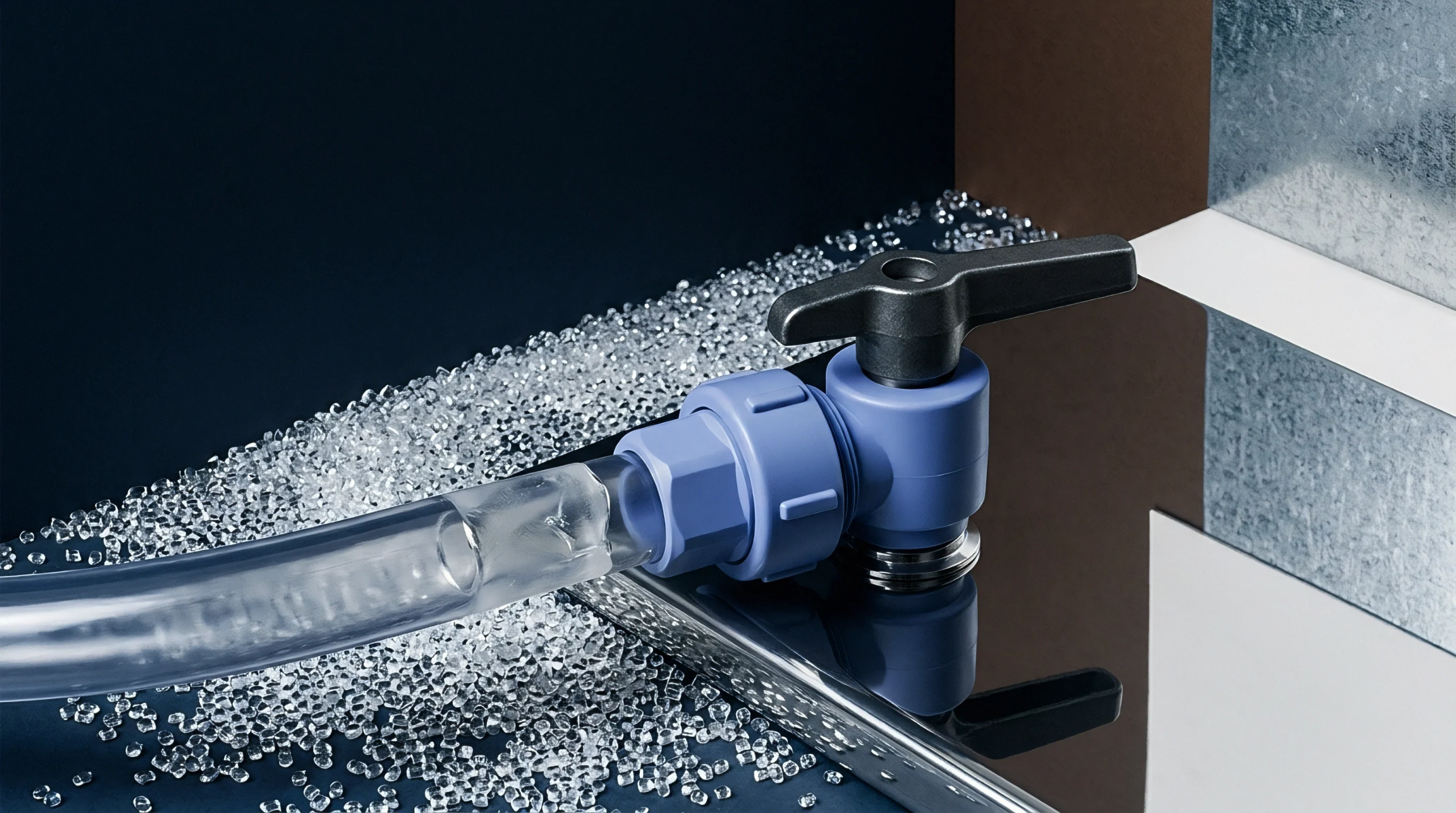
Organic molecules with relatively short carbon chains and low boiling points often exist as residuals or byproducts in polymer resins. While the bulk polymer provides structural strength, low molecular weight hydrocarbons influence the secondary properties of the material. These substances include monomers, solvents, catalysts and small oligomers that can migrate through the polymer matrix.
Outgassing Potential
Volatilization of these small molecules occurs when the resin is heated during the extrusion or moulding process. High levels of low molecular weight hydrocarbons cause the formation of bubbles or voids in the finished part. This defect compromises the structural integrity and the aesthetic clarity of the product.
Mechanical Impact
Small chain molecules act as plasticizers that can lower the glass transition temperature of a plastic. Excessive low molecular weight hydrocarbons might reduce the stiffness of a moulded component (making it more prone to creep under load). Consistency in these levels is needed to ensure that parts meet the design specifications for mechanical performance.
Migration Risk
Components with low mass tend to move toward the surface where they can affect adhesion or cause odor issues. This surface accumulation can interfere with secondary operations such as printing, painting, coating and overmoulding. Controlling these residuals is a primary concern for manufacturers of high performance automotive and electronics housings.
Suppliers provide data on these volatiles to help moulders adjust their venting and cooling strategies during production.