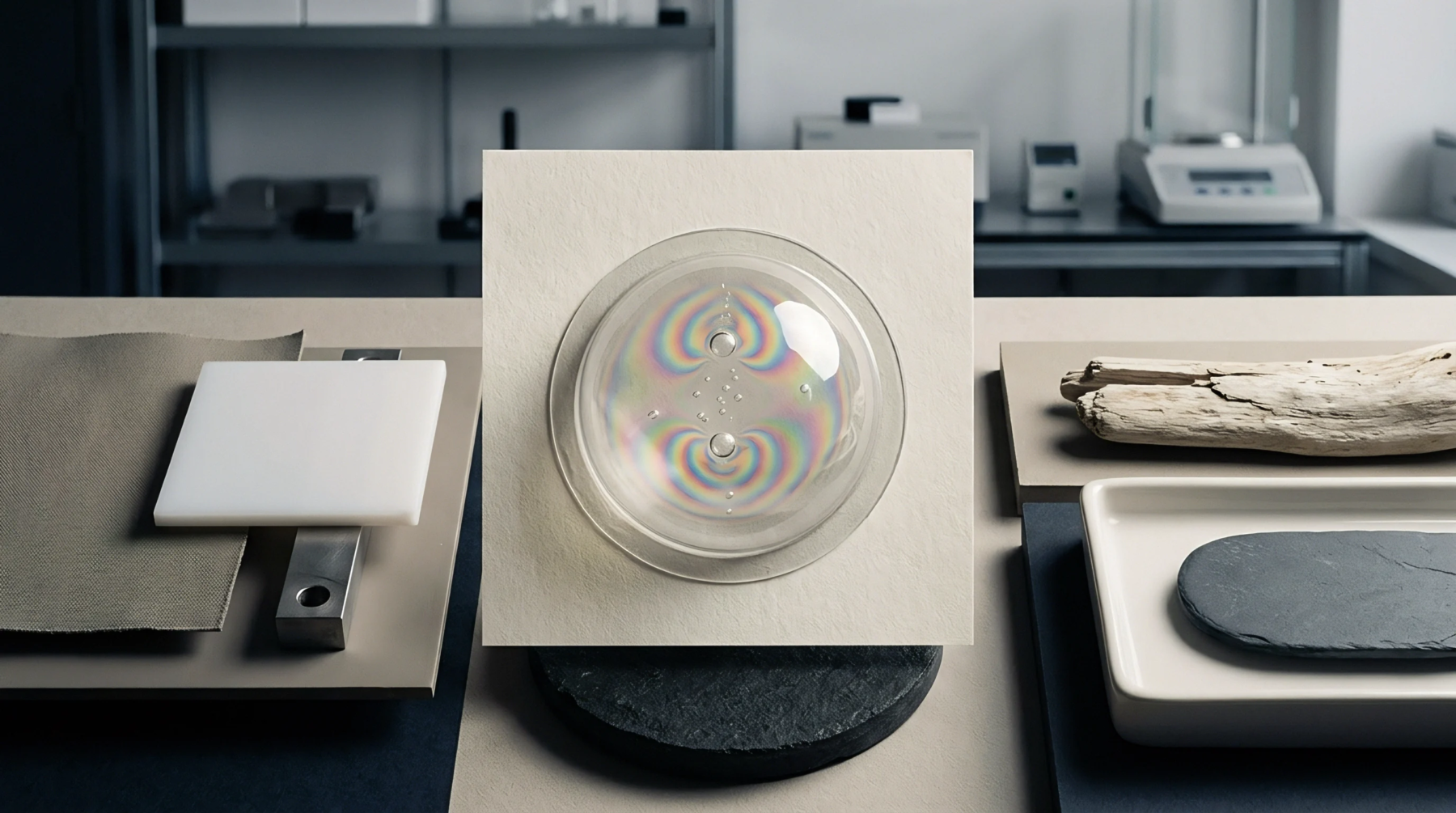
Resolving Saturated Polyolefin Hydrocarbon Oligomer Interference in Mineral Oil Migration Dossiers
Polyolefin oligomer co-elution requires epoxidation clean-up and GCxGC deconvolution to prevent false mineral oil failures in migration dossiers.
Polyolefin oligomer co-elution requires epoxidation clean-up and GCxGC deconvolution to prevent false mineral oil failures in migration dossiers.
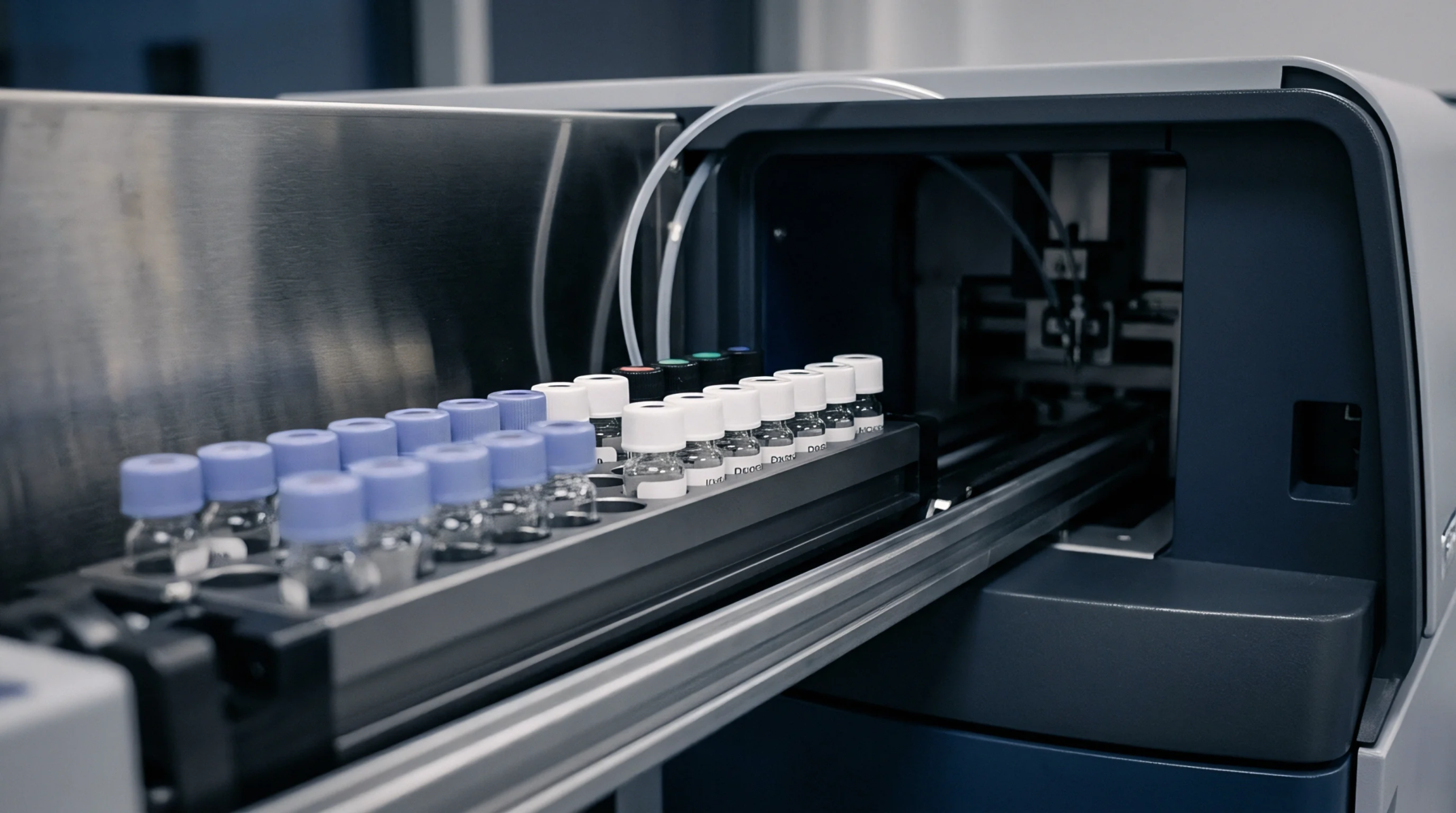
Dynamic matrix correction recalibrates uncharacterized polyolefin migrant peak areas against co-extracted simulant lipids to prevent underreporting migration limits.

In vitro gastrointestinal bioaccessibility bioassays measure micellar oligomer solubilization to establish true systemic intake limits for recycled polyolefin packaging.
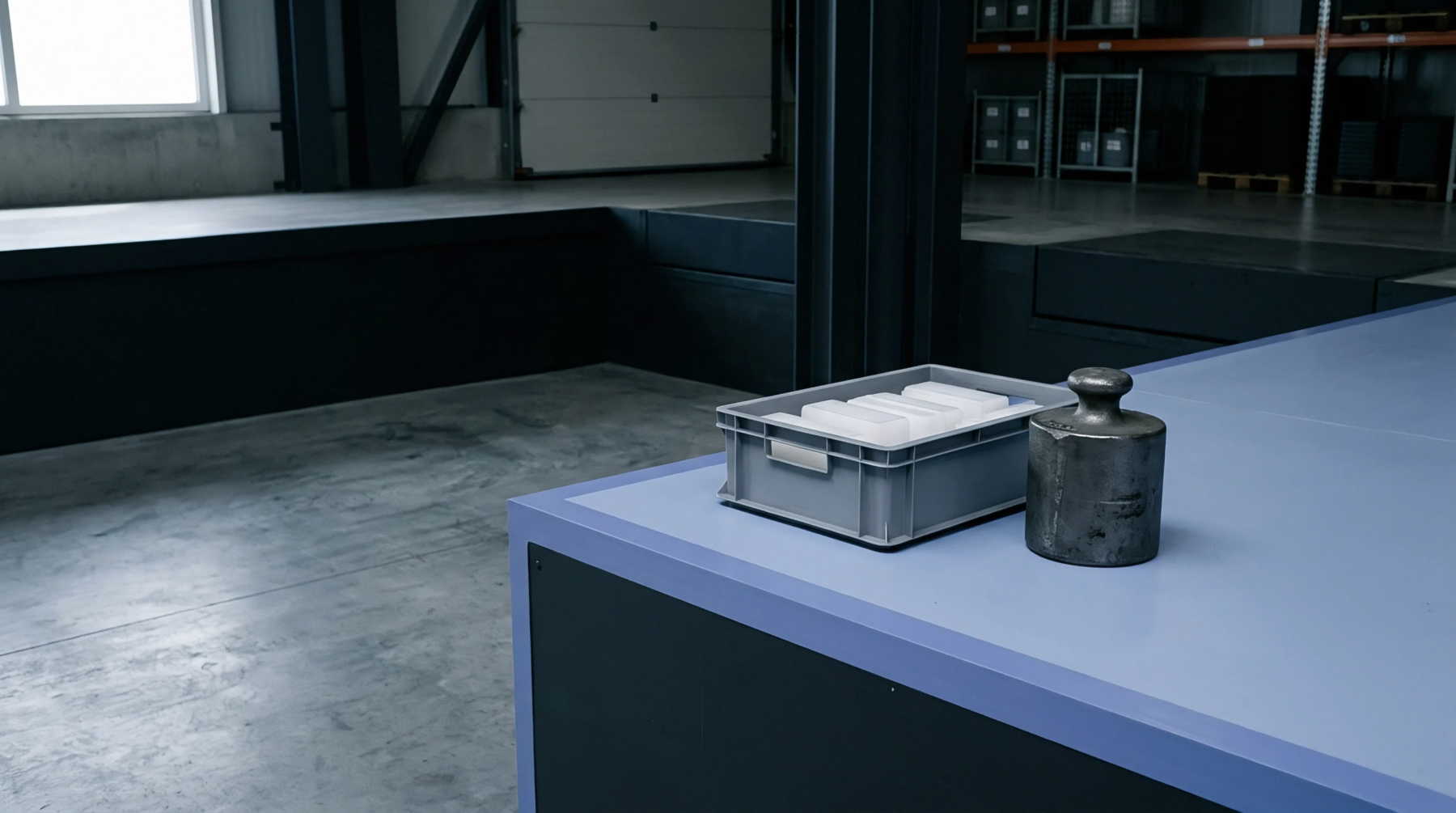
High molecular weight unsaturated polyolefin oligomers between C20 and C50 require dual-dimensional gas chromatography to ensure migration remains below 0.6 mg/kg.

Polyolefin oligomeric saturated hydrocarbon compliance demands LC-GC-FID isolation, epoxidation cleanup, and fractionated TTC thresholding backed by batch testing.

Polyolefin oligomer interferences in recycled resins require epoxidation and LC-GC-FID separation to quantify MOSH and MOAH accurately below regulatory thresholds.

Quantifying unresolved polyolefin oligomer humps requires baseline-subtracted GC-FID integration and epoxidation cleanup to isolate non-intentionally added substances.
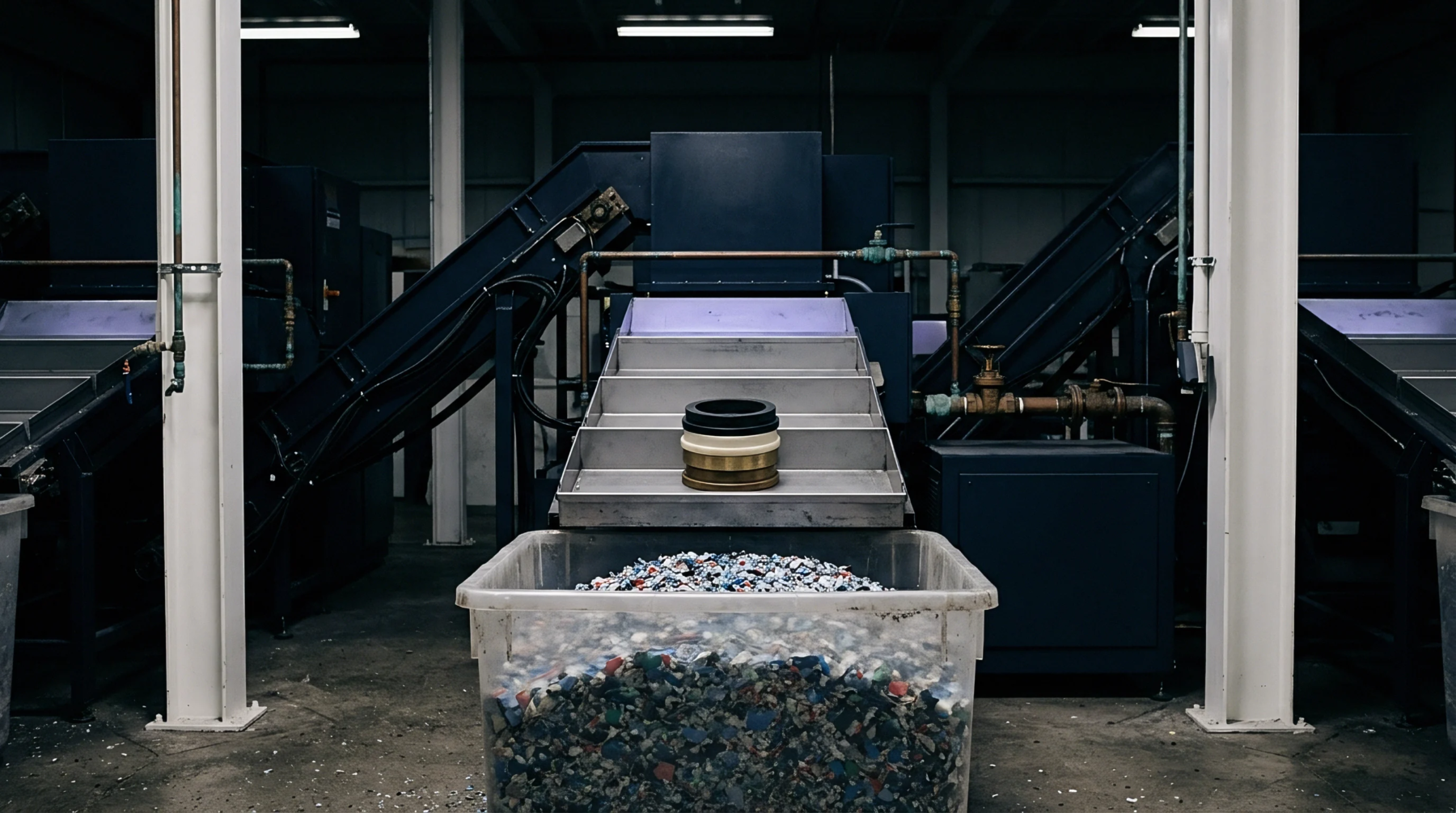
Resolving mineral oil saturated hydrocarbons from polyolefin oligomers demands online liquid chromatographic cleanup combined with two-dimensional gas spectrometry.

Polyolefin oligomer screening requires coupled LC-GC-FID quantification of POSH and POAH fractions below ten parts per billion using matched food simulants.
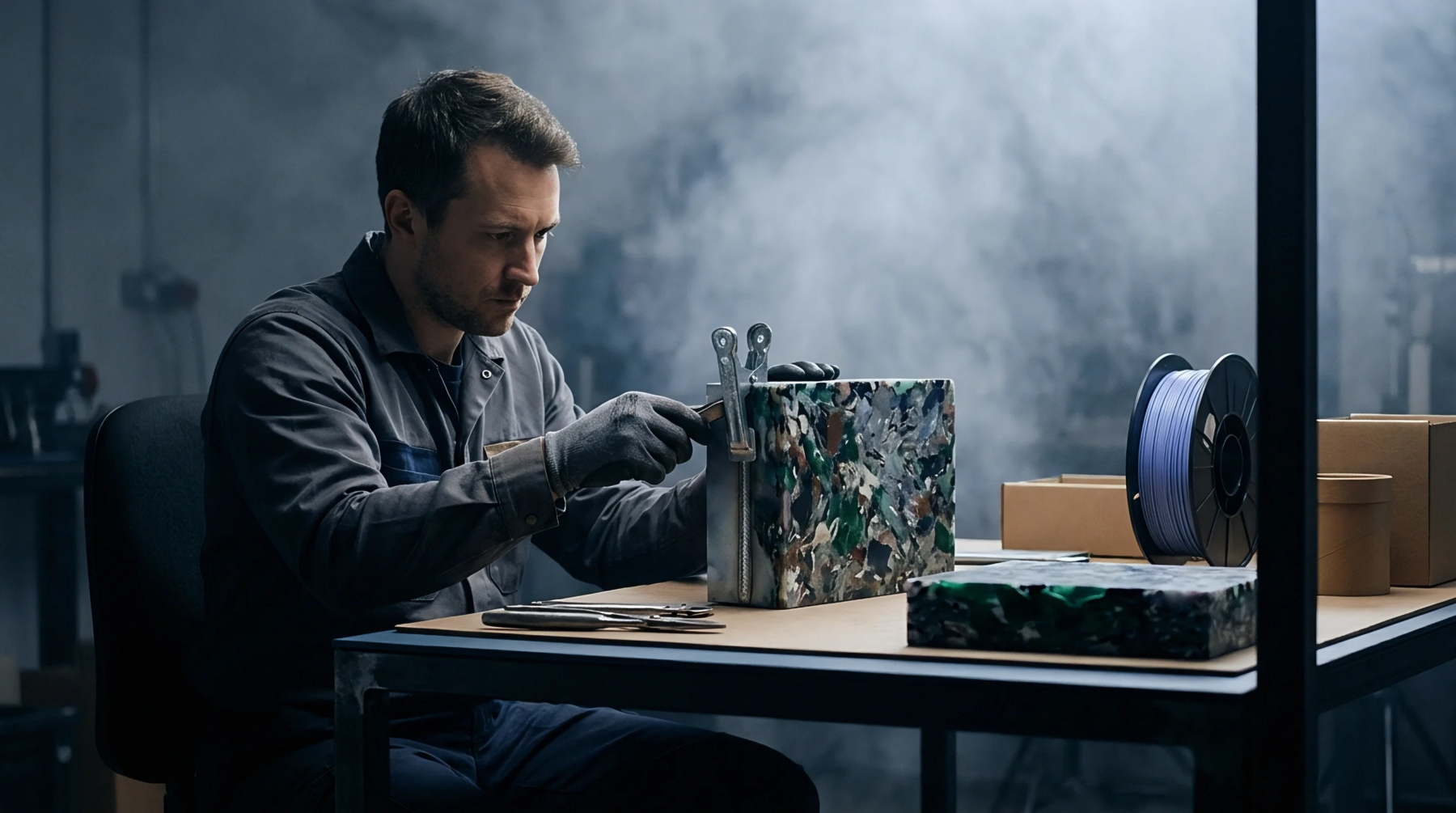
Verify recycled polyolefin food contact clearance by combining LC-GC-FID quantification of C10-C50 oligomers with toxicological screening under Cramer Class thresholds.
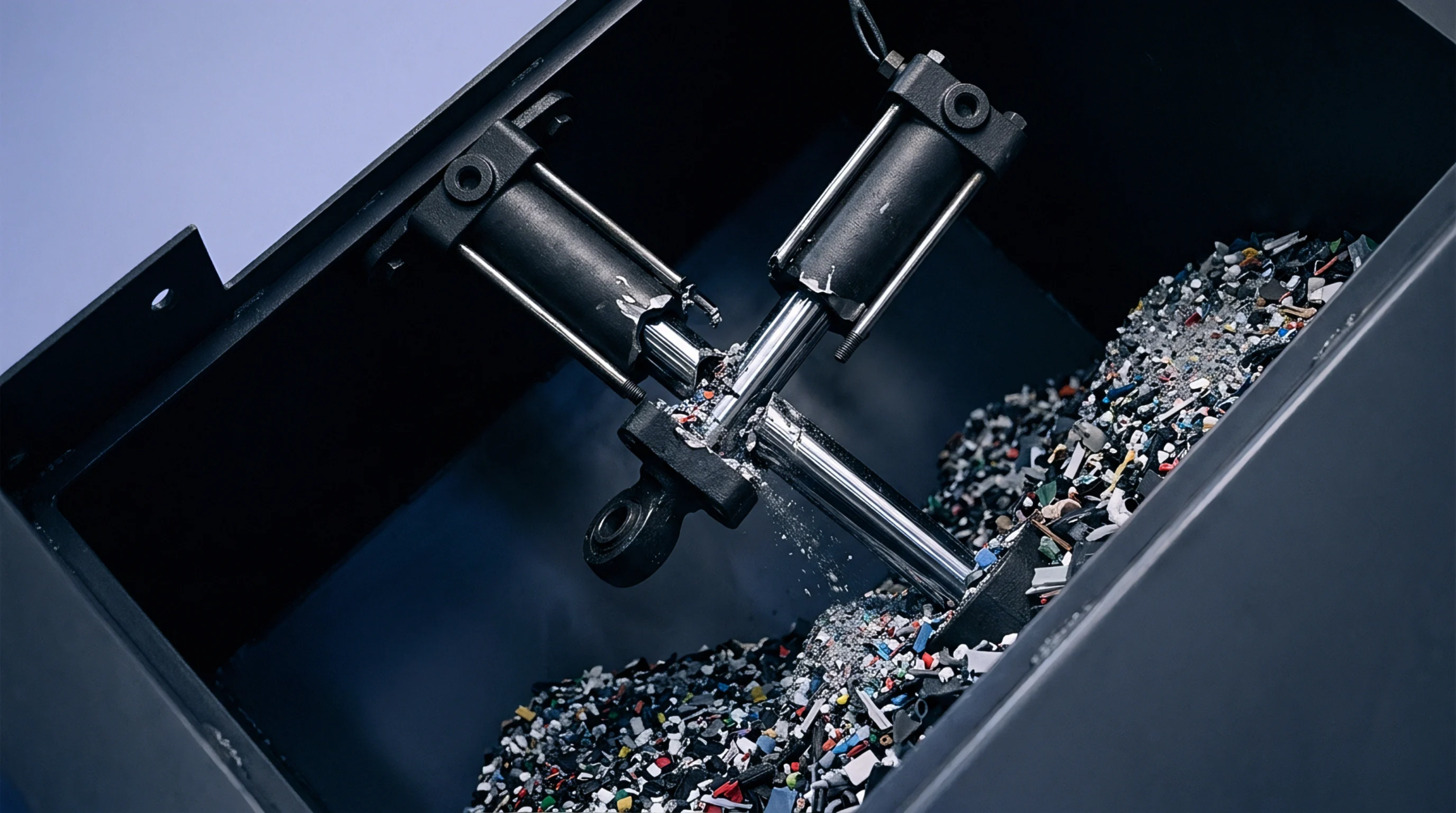
Deriving standardized toxicological concern thresholds for unidentified recycled polyolefin oligomers requires splitting migrated mass at 1000 Daltons and applying Cramer Class III limits to the bioavailable fraction.
Expertise is a utility, not a secret. sentiention™ publishes its working knowledge as open reference: intelligence layer covering the materials it sources, the markets it enters, and the reference that serves both.