
Analytical Clean up Protocols for Differentiating Oligomers from Mineral Hydrocarbons
Chemical epoxidation paired with silver silica gel fractionation isolates mineral hydrocarbons from interfering polyolefin oligomers in food contact testing.
Chemical epoxidation paired with silver silica gel fractionation isolates mineral hydrocarbons from interfering polyolefin oligomers in food contact testing.

Signal quenching in Simulant D2 reduces high-mass hydrocarbon response, requiring empirical multipliers to avoid underreporting migration compliance.
Dynamic matrix correction factors adjust chromatographic peak integrations to compensate for detector response loss when quantifying oligomers in complex food simulants.

Analytical screening of unknown polyolefin migrants requires coupled GC-QTOF and LC-Orbitrap mass spectrometry matched to rigorous food simulant extraction physics.
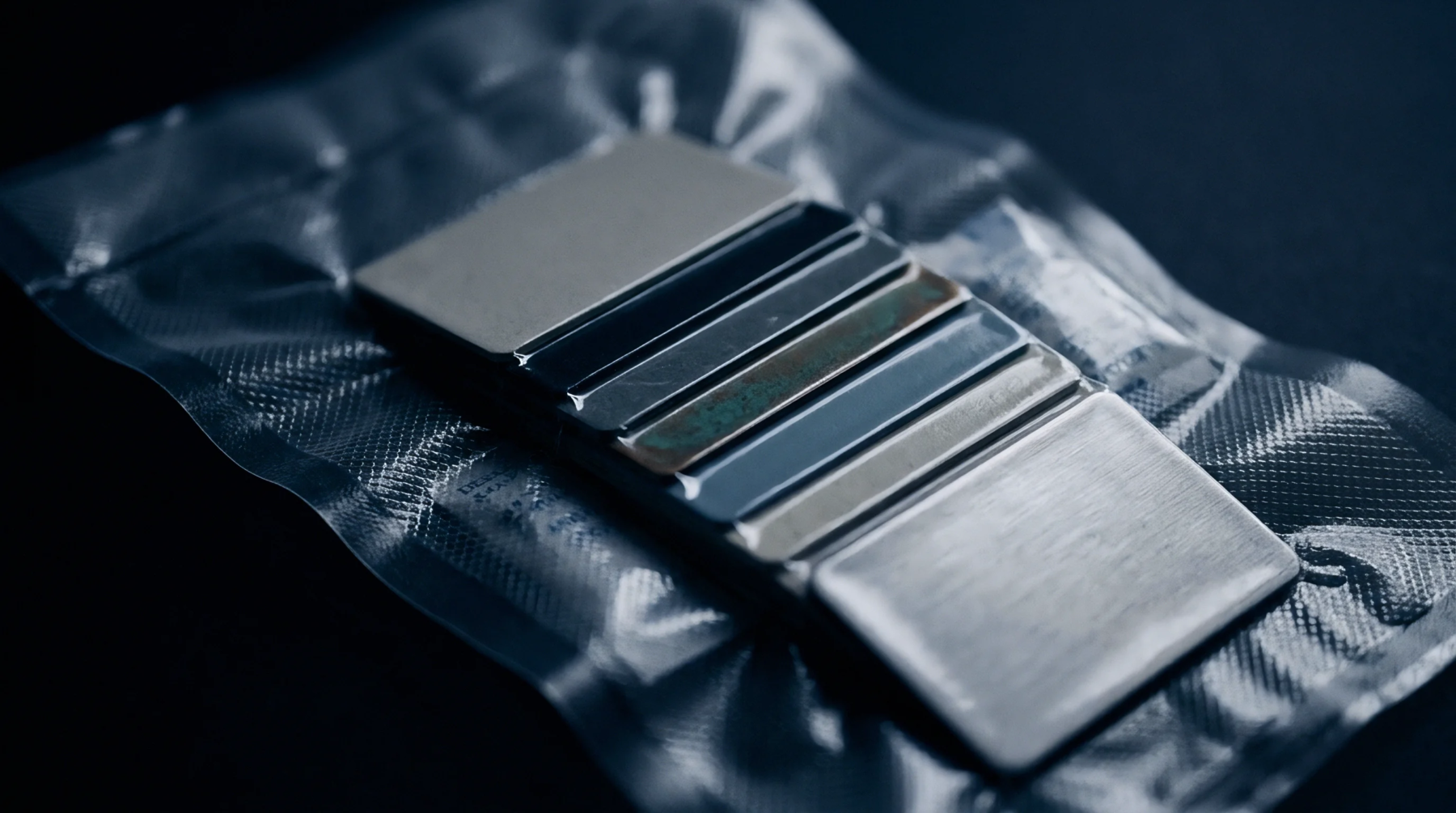
Deconvolution by GCxGC-TOFMS and epoxidation separates native polyethylene oligomers from mineral oil contaminants, preventing false positive compliance rejections.
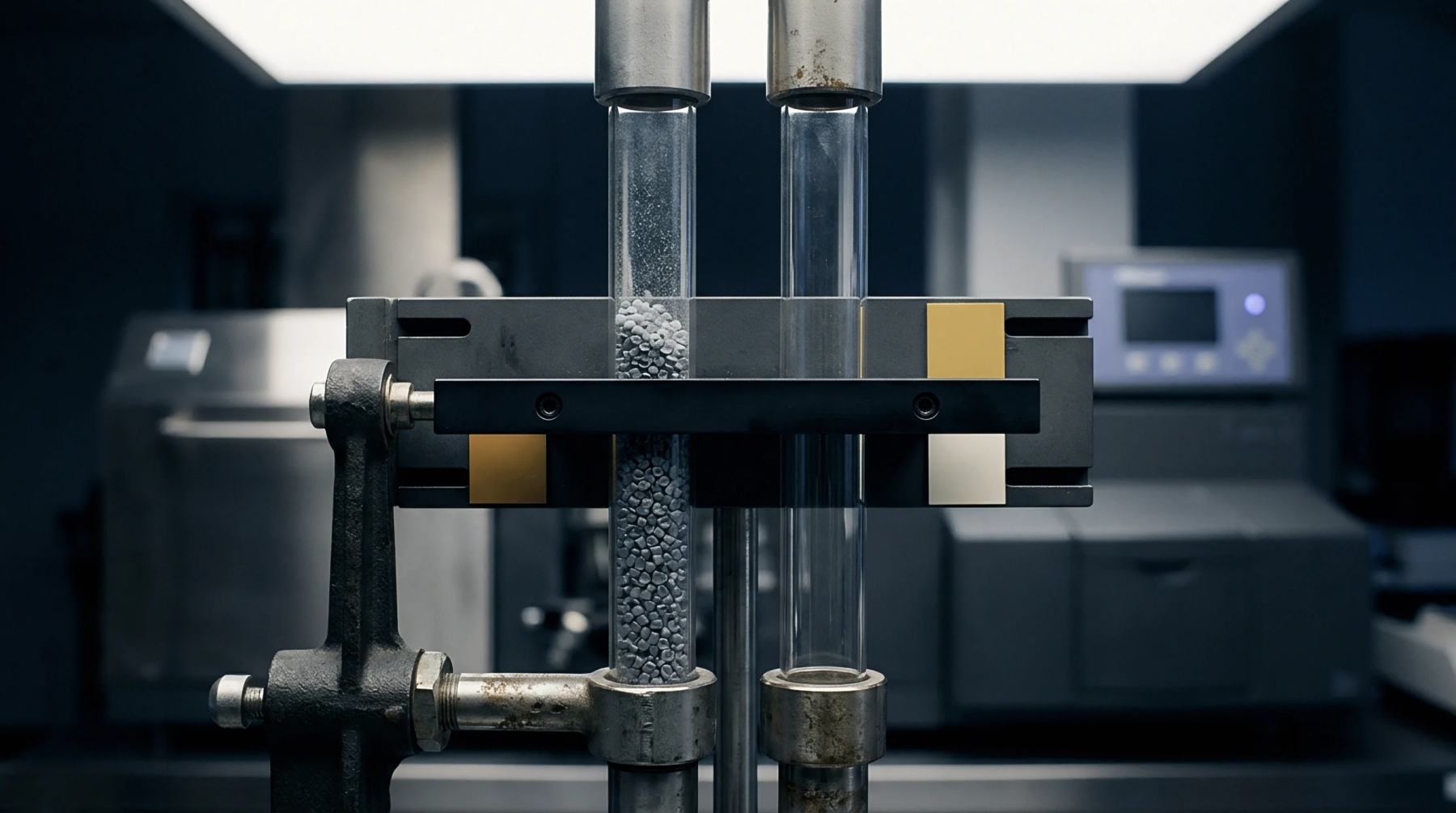
Substitutive solvent testing isolates polyolefin oligomers using isooctane or ethanol, requiring empirical reduction factors to correct for matrix swelling.
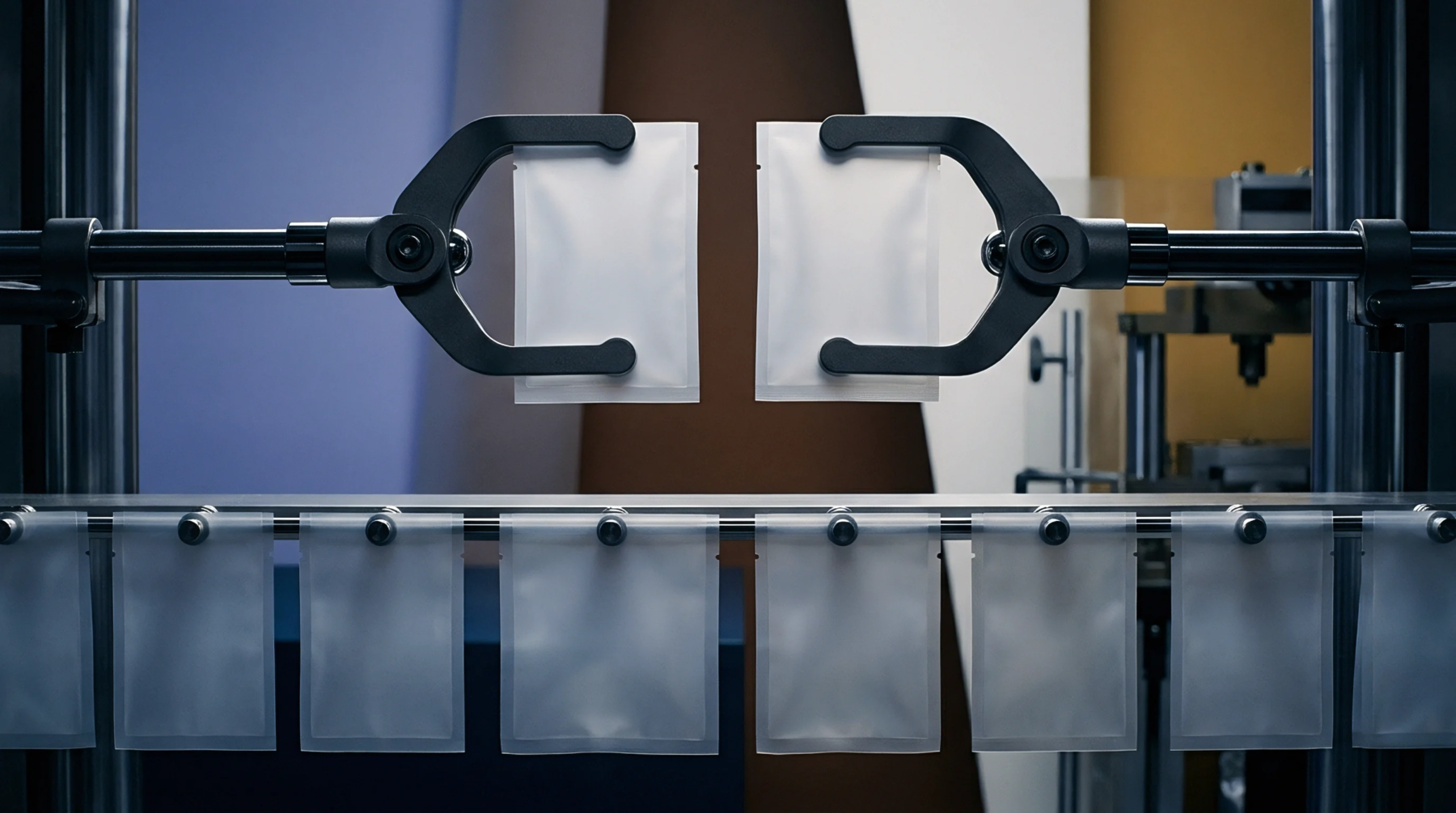
Polyolefin saturated hydrocarbons migrate via temperature-dependent diffusion, requiring LC-GC-FID separation and strict C16-C35 bioaccessibility compliance checks.

Comprehensive GCxGC-FID standardization for C20-C50+ hydrocarbons requires cool-on-column injection, cryogenic modulation, and verified FID response factors.

Chromatographic discrimination requires chemical epoxidation or multi-dimensional separation to isolate branched polyolefin oligomers from mineral oils.
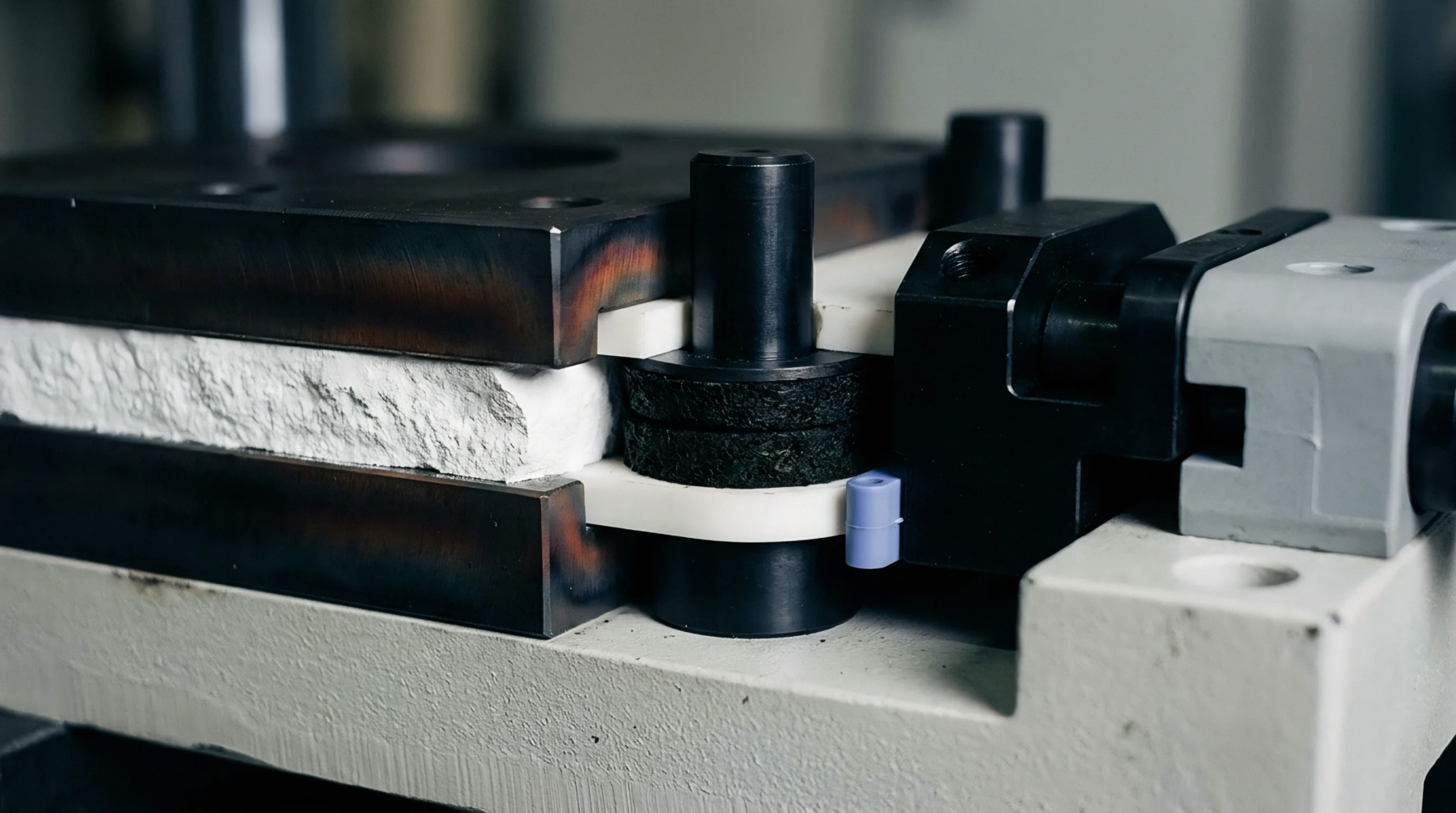
Characterizing polyolefin hydrocarbons requires LC-GC-FID and epoxidation cleanup to distinguish mineral oil contamination from polymer oligomers.

Identifying polyolefin oligomers in food packaging requires LC-GC-FID pre-fractionation and risk assessment under EU 10/2011 Article 19 NIAS rules.

Online LC-GC-FID coupled with epoxidation isolates polyolefin oligomers from mineral oil hydrocarbons to prevent false positives in food-contact compliance.
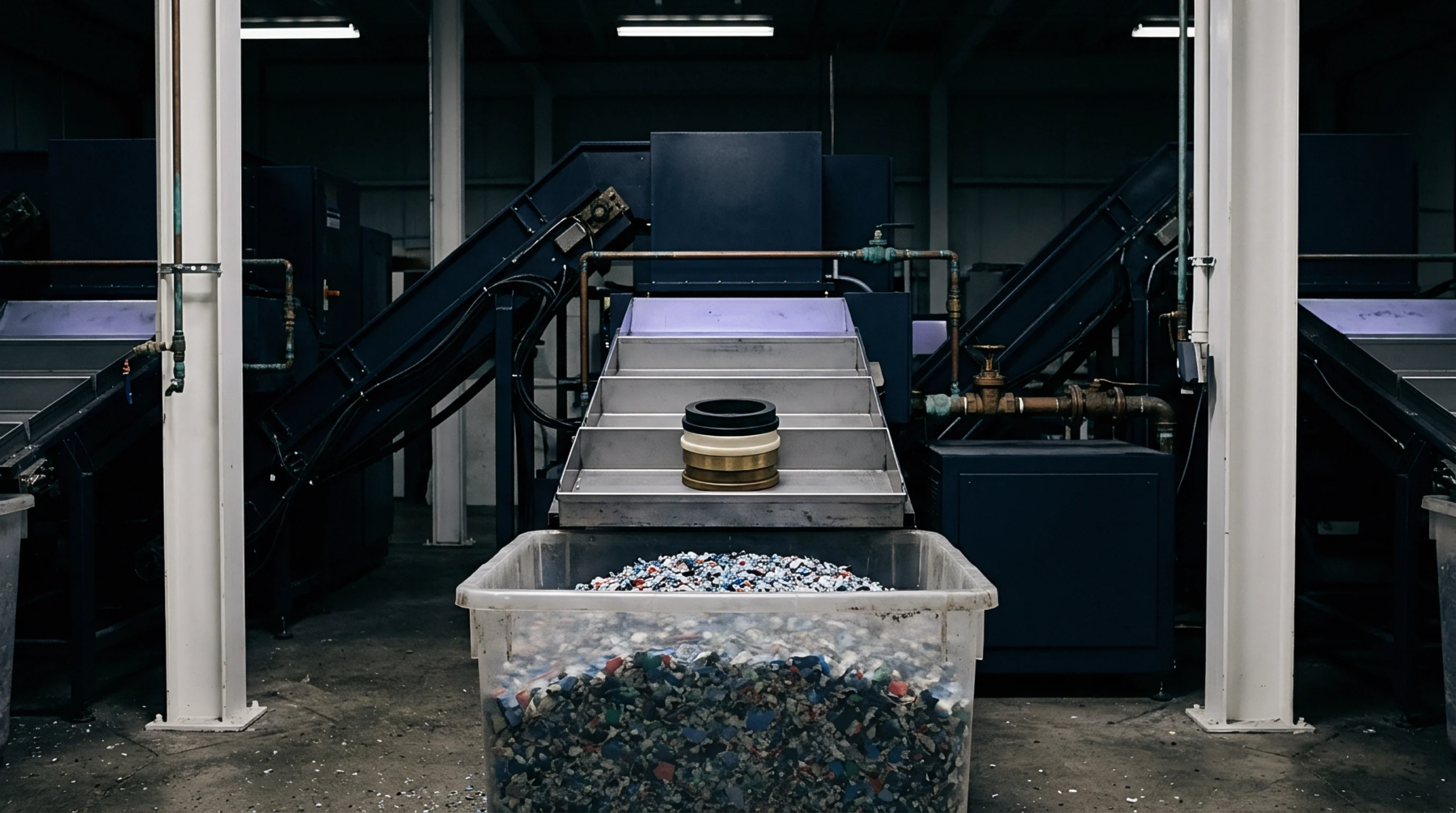
Selective epoxidation suppresses olefin interferences to enable exact LC-GC-FID quantification of aromatic hydrocarbons in food grade recycled polyolefins.

MOSH and MOAH speciation in recycled polyolefins requires online LC-GC-FID with epoxidation to remove POSH and POMH interferences before declaring food contact compliance.

Quantifying unidentified polyolefin oligomer risk requires fractionating extracts, applying Cramer Class III toxicological thresholds, and validating migration.

Online LC-GC-FID with silver nitrate and epoxidation clean-up provides defensible quantification of MOSH and MOAH by removing interfering polymer oligomers.
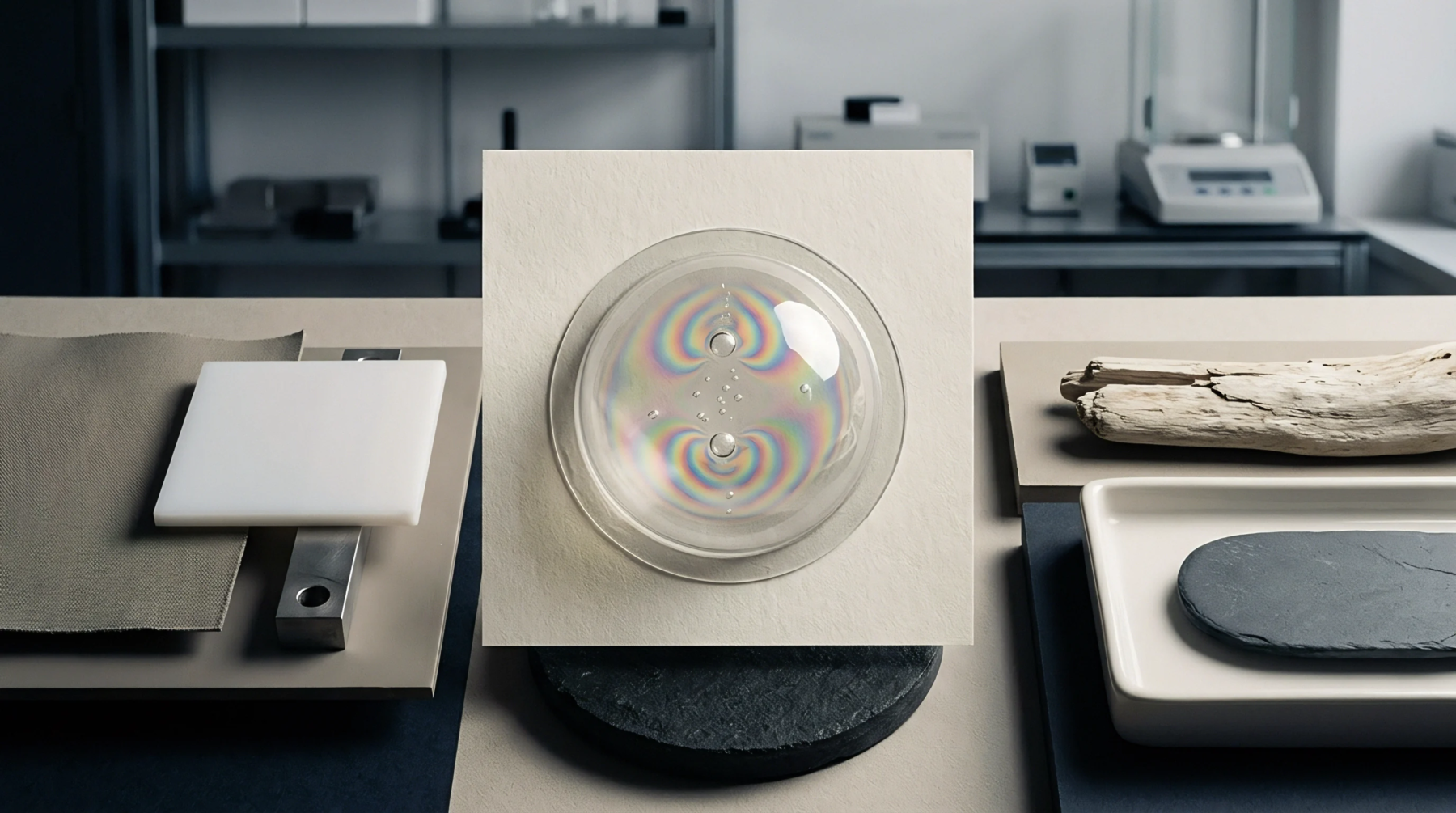
Polyolefin oligomer co-elution requires epoxidation clean-up and GCxGC deconvolution to prevent false mineral oil failures in migration dossiers.

Polyolefin oligomer interferences in recycled resins require epoxidation and LC-GC-FID separation to quantify MOSH and MOAH accurately below regulatory thresholds.
Resolving mineral oil saturated hydrocarbons from polyolefin oligomers demands online liquid chromatographic cleanup combined with two-dimensional gas spectrometry.

Analytical screening of HDPE consignments requires solvent extractions, GC-MS profiling, and diffusion modeling to verify food contact compliance before release.

Verify recycled polyolefin food contact clearance by combining LC-GC-FID quantification of C10-C50 oligomers with toxicological screening under Cramer Class thresholds.
Expertise is a utility, not a secret. sentiention™ publishes its working knowledge as open reference: intelligence layer covering the materials it sources, the markets it enters, and the reference that serves both.