Ground Rules for Standardized Simulant Matching in Polyolefin Food Packaging Verification
Matching standardized food simulants to polyolefin packaging depends on polymer swelling behavior, contact temperature, and food lipophilicity to verify legal migration limits.


Equivalence
Testing polyolefin packaging for food contact compliance demands matching real foodstuffs to standardized physical and chemical reference fluids. Polyolefins like low-density polyethylene, high-density polyethylene, and polypropylene exhibit non-polar semi-crystalline structures. These structures interact with food components through absorption, dissolution, and matrix swelling.
European Union Regulation 10/2011 and United States Food and Drug Administration regulation 21 CFR 177.1520 establish standard simulants to reproduce these contact dynamics under laboratory conditions without the analytical complexity of real food matrices.

Thermodynamic Behavior of Food Simulant Selection
Polymer matrices lack static crystal lattices, allowing low-molecular-weight additives to move through amorphous regions during fluid contact. Non-polar polyolefins demonstrate high affinity for lipophilic fluids. Simulant Selection rests on thermodynamic partition coefficients and diffusion rates within the polymer.
Standard aqueous simulants like ten percent ethanol by volume (Simulant A) and three percent acetic acid by weight (Simulant B) measure hydrophilic and acidic food interactions. Twenty percent ethanol (Simulant C) evaluates low-alcohol foods and milk products. Fifty percent ethanol (Simulant D1) targets oil-in-water emulsions and spiritous beverages.
Vegetable oil, specifically refined olive oil or sunflower oil (Simulant D2), acts as the primary standard for fatty foods.
Polymer swelling alters internal diffusion coefficients. Solvents penetrating the amorphous polyolefin structure lower the glass transition temperature of the polymer phase. Mass transfer accelerates beyond natural storage conditions when solvent absorption occurs.
The Piringer diffusion model calculates migrant transport based on polymer density, temperature, and molecular weight. Low-density polyethylene possesses an amorphous fraction near forty-five percent, yielding rapid migrant desorption. High-density polyethylene features crystallinity up to seventy percent, restricting migrant transport to narrow amorphous channels.
Polypropylene copolymer exhibits intermediate diffusivity, influenced heavily by ethylene comonomer distribution.
Polyolefins swell in lipophilic media.

Standardized Fluid Classifications across Regulatory Jurisdictions
European test protocols specify ethanol ten percent by volume for aqueous products, while North American frameworks deploy distilled water for neutral extractions. Acidic food simulation relies on three percent acetic acid in both regions, targeting metal catalyst residues and basic organometallic additives. Fatty food simulation diverges significantly between standard test bodies.
Regulation EU 10/2011 mandates vegetable oil (Simulant D2) as the default fatty medium, permitting alternative media like iso-octane and ninety-five percent ethanol only under defined correction factors. FDA regulations under 21 CFR 176.170 and 177.1520 accept n-heptane extractions at elevated temperatures alongside ethanol-water mixtures.
Solvent absorption changes matrix density.
Replacing vegetable oil with volatile organic solvents introduces extraction severity bias. Iso-octane penetrates polyolefin matrices at ambient temperatures faster than vegetable oil at forty degrees Celsius. Standard test procedures apply solvent reduction factors to lower measured mass transfer to legally equivalent thresholds.
European Standard EN 1186 establishes these reduction factors based on food group classifications. Mechanical deformation of flexible pouches during static extraction alters contact surface area, skewing calculated specific migration figures. Verification requires controlled cell exposure to ensure single-sided contact for multi-layer laminates.
| Polyolefin Resin Grade | Standard Food Simulant | Approved Alternative Medium | Swelling Factor Index | Kinetic Correction Factor |
|---|---|---|---|---|
| Low Density Polyethylene (LDPE) | Vegetable Oil (Simulant D2) | Iso-Octane / 95% Ethanol | 1.85 | 0.50 |
| Linear Low Density Polyethylene (LLDPE) | Vegetable Oil (Simulant D2) | Iso-Octane / 95% Ethanol | 1.62 | 0.50 |
| High Density Polyethylene (HDPE) | Vegetable Oil (Simulant D2) | Iso-Octane / 95% Ethanol | 1.15 | 0.80 |
| Polypropylene Homopolymer (PP-H) | Vegetable Oil (Simulant D2) | Iso-Octane / 95% Ethanol | 1.28 | 0.80 |
| Polypropylene Random Copolymer (PP-R) | Vegetable Oil (Simulant D2) | Iso-Octane / 95% Ethanol | 1.44 | 0.65 |
Selecting an inappropriate simulant invalidates the conformity declaration and exposes the importer to product recalls when official enforcement laboratories detect non-compliant migration.


Swell
Non-polar polyolefin resins absorb hydrophobic solvents during high-temperature contact exposures. Solvent-induced swelling expands the free volume between polymer chains, artificially accelerating the migration of antioxidants, slip additives, and low-molecular-weight oligomers. Testing compliance under standardized conditions demands precise control over solvent uptake to prevent complete matrix dissolution or structural collapsing during bench testing.
Solvent Induced Matrix Expansion in Non Polar Polymers
Organic solvents like iso-octane, hexane, and ninety-five percent ethanol enter the amorphous domains of polyethylene and polypropylene. Solvent uptake alters the physical dimensions of thin packaging films, increasing the available surface area in contact with the extraction fluid. Standard EN 1186-1 defines specific test parameters to evaluate mass loss without damaging structural integrity.
High-density polyethylene exhibits low swelling in aqueous media but swells up to twelve percent by weight in pure iso-octane at sixty degrees Celsius. Polypropylene random copolymers absorb up to fifteen percent iso-octane under identical conditions due to flexible ethylene linkages within the polymer backbone.
Temperature accelerates additive diffusion.
Bench testing using volatile organic substitutes requires rigorous mathematical correction to reflect real vegetable oil contact. Standardized test condition OM2 demands ten days at forty degrees Celsius in vegetable oil, representing long-term storage at ambient temperatures. Testing with iso-octane under condition OM2 substitutes two days exposure at twenty degrees Celsius.
Standardized condition OM3 requires two hours at seventy degrees Celsius, replaced by iso-octane exposure for two hours at forty degrees Celsius. Over-extraction occurs when test temperatures exceed the glass transition or melting onset of the polyolefin phase, causing extensive polymer swelling and false positive migration failures.
Polypropylene exposed to iso-octane for two hours at forty degrees Celsius exhibits matrix swelling exceeding twenty-two percent by mass, distorting diffusion kinetics compared to olive oil at ten days.
Worked Calculation of Mass Transfer under Accelerated Iso-Octane Extraction
Consider a five-layer blown film structure containing a ninety-micron linear low-density polyethylene food contact layer placed in contact with iso-octane to verify overall migration under test condition OM3. The lab cuts a film specimen measuring exactly one decimeter by one decimeter, exposing two decimeters of total surface area to one hundred milliliters of iso-octane in a standardized glass cell.
Assume an initial dry sample mass of 4.5210 grams. Contact proceeds for two hours at forty degrees Celsius. After exposure, the analyst removes the iso-octane solution, evaporates the solvent to dryness in a tared stainless steel vessel, and dries the residue at one hundred five degrees Celsius until reaching constant mass.
The residual mass measures 0.0142 grams. Standard surface-to-volume normalization applies six square decimeters of contact area per kilogram of food.
Calculate raw overall migration per surface area:
Overall Migration = (Residual Mass in Milligrams) / (Surface Area in Square Decimeters)
Overall Migration = 14.2 mg / 2.0 dm² = 7.1 mg/dm².
Fatty foods demand strict screening.
Apply the regulatory food category reduction factor (FR). For a packaging application handling pasteurized milk products, standard EN 1186-1 assigns a reduction factor FR of 2. The adjusted overall migration value becomes 7.1 divided by 2, yielding 3.55 mg/dm².
This value falls safely below the statutory overall migration limit of 10.0 mg/dm² established in Regulation EU 10/2011. Skipping the reduction factor calculation yields an inaccurate non-compliance finding of 7.1 mg/dm² under standard uncorrected limits.
Fatty food simulant substitution protocols present distinct analytical failure pathways during laboratory verification:
- Excessive Matrix Dissolution occurs when substitute solvents like iso-octane penetrate amorphous polyolefin domains at temperatures exceeding forty degrees Celsius, causing total structural collapse of thin-gauge flexible films.
- Volatile Additive Loss arises during high-temperature solvent evaporation steps, driving off low-molecular-weight antioxidants like Butylated Hydroxytoluene before gravimetric residue measurement.
- Incomplete Solvent Extraction happens when heavy vegetable oil residues absorb permanently into thick polyolefin walls, generating artificial weight gains that obscure genuine polymer component migration.
- Incorrect Reduction Factor Application emerges when testing teams apply default fatty food reduction factors to dry or aqueous food packaging applications, underreporting legal migration figures.
When testing linear polyolefins against non-polar fluids, selecting a shorter exposure duration at equivalent temperature prevents excessive matrix degradation while preserving analytical accuracy.


Media
Standardized chemical solutions serve as direct analytical stand-ins for diverse food categories under Regulation EU 10/2011 Annex III. Selection of test media matches the physical phase, acidity, alcohol content, and fat content of the intended foodstuff. Substituted media must reproduce the extraction severity of actual foods without causing chemical breakdown of the polyolefin substrate.

Which Simulant Matrix Validates Polyolefin Retort Pouches?
High-temperature polyolefin applications like retort pouches, microwaveable trays, and hot-fill bottles present extreme extraction conditions. Standardized test condition OM5 specifies exposure for two hours at one hundred degrees Celsius or at reflux temperature. Condition OM6 requires four hours at one hundred degrees Celsius, representing worst-case processing for worst-case food contact.
Testing polyolefin retort packaging intended for fatty foods under condition OM5 prohibits liquid vegetable oil due to thermal oxidation and oil degradation above one hundred degrees Celsius.
Oligomers migrate through amorphous regions.
Solid-phase adsorbent media like poly(2,6-diphenyl-p-phenylene oxide), commercially designated as Tenax or Simulant E, replaces liquid simulants for high-temperature testing of dry and fatty foods above one hundred degrees Celsius. Standard EN 1186-13 defines test protocols for Simulant E extractions up to one hundred seventy-five degrees Celsius. Polyolefin samples are covered with porous Tenax powder at specified mass ratios.
After thermal exposure, the analyst extracts absorbed migrants from the Tenax matrix using diethyl ether or acetone for gas chromatography analysis.
Standard EN 1186-13 contact testing with poly(2,6-diphenyl-p-phenylene oxide) above one hundred degrees Celsius without baseline thermal blanking invalidates specific migration values for volatile oligomers.
Solid Phase Extraction Media for High Temperature Contact
Aqueous and acidic media leaching mechanisms differ fundamentally from solvent extraction. Three percent acetic acid (Simulant B) selectively extracts inorganic metal residues from Ziegler-Natta polymerization catalyst systems. Magnesium chloride support structures, titanium tetrachloride traces, and organoaluminum co-catalysts residue in polyolefin resins leach readily into acidic media.
Standard ICP-MS testing quantifies specific migration limits for aluminum (1.0 mg/kg), zinc (5.0 mg/kg), and titanium.
Mass balance calculations reveal loss.
Verification of polyolefin packaging requires following a strict, step-by-step laboratory media preparation and extraction procedure:
- Cut representative specimens from finished polyolefin converted articles to yield exactly two square decimeters of contact surface area.
- Pre-treat glass extraction cells by rinsing with analytical grade solvent and drying at one hundred twenty degrees Celsius for two hours.
- Fill the contact cell with one hundred milliliters of pre-heated test simulant, ensuring complete immersion of single-sided contact plates.
- Seal extraction cells using inert polytetrafluoroethylene gaskets to prevent volatile analyte loss or atmospheric contamination during heating cycles.
- Place sealed assembly into a calibrated thermostatic oven maintained within plus or minus one degree Celsius of target exposure temperature.
- Remove cells immediately upon completion of test duration and cool to twenty degrees Celsius over thirty minutes.
- Separate liquid simulant into clean quartz vessels for gravimetric mass determination or instrumental mass spectrometry screening.
Resin suppliers frequently state that raw pellet test reports satisfy finished article requirements because conversion temperatures do not generate new volatile breakdown products.

Partition
Chemical migrants divide between the solid polyolefin matrix and the contacting fluid according to thermodynamic activity coefficients. Mass transfer kinetics depend on initial migrant concentration in the polymer, molecular weight of the migrating species, temperature, contact duration, and polymer density. Precise calculation of specific migration values requires combining physical laboratory testing with validated computational mass transfer models.

Diffusion Modeling and Specific Migration Limits
Regulation EU 10/2011 Annex IV recognizes computational modeling based on the Piringer parameterization model as an accepted screening method for demonstrating compliance with specific migration limits (SML). The diffusion coefficient D calculated by the model represents worst-case mass transfer based on polymer-specific matrix parameters. High-density polyethylene features a lower diffusion matrix parameter (Ap = 14.5) than low-density polyethylene (Ap = 11.5), suppressing migration rates by up to two orders of magnitude at room temperature.
Polymer density dictates migration velocity.
Specific migration testing quantifies individual additive compounds against statutory limits. Common polyolefin additives include antioxidants like Irganox 1010 and Irgafos 168, slip agents like erucamide and oleamide, antistatic agents like glycerol monostearate, and acid scavengers like calcium stearate. Antioxidant breakdown during melt processing generates degradation products, including tris(2,4-di-tert-butylphenyl) phosphate and 2,4-di-tert-butylphenol.
Testing laboratories deploy high-performance liquid chromatography paired with triple quadrupole mass spectrometry (HPLC-MS/MS) to isolate and quantify these transformation products.
Linear polyolefins with high crystallinity suppress additive diffusion faster than branched structures of identical density.

Analytical Mass Spectrometry Screening for Non Intentionally Added Substances
Non-intentionally added substances (NIAS) comprise impurities in raw materials, reaction intermediates, polymer breakdown products, and contaminant set-off from printing inks. Gas chromatography paired with time-of-flight mass spectrometry (GC-QTOF-MS) screens for volatile and semi-volatile NIAS in polyolefin extracts. Cyclic oligomers ranging from twelve to thirty-six carbon atoms represent the primary NIAS fraction in polypropylene resins.
These cyclic structures lack dedicated specific migration limits, requiring risk assessment under threshold of toxicological concern (TTC) concepts.
Recycled resins introduce non-target migrants.
| Chemical Additive / Substance | CAS Registry Number | Specific Migration Limit (SML) | Standard Test Simulant | Analytical Instrumentation |
|---|---|---|---|---|
| Irganox 1010 (Hindered Phenol) | 6683-19-8 | 60.0 mg/kg | Vegetable Oil / 50% Ethanol | HPLC-UV / LC-MS/MS |
| Irgafos 168 (Phosphite Antioxidant) | 31570-04-4 | 60.0 mg/kg (as oxid. sum) | Iso-Octane / 95% Ethanol | HPLC-UV / LC-MS/MS |
| Erucamide (Slip Agent) | 112-84-5 | No SML (OML applies) | 50% Ethanol (Simulant D1) | GC-FID / GC-MS |
| Zinc Stearate (Acid Scavenger) | 557-05-1 | 5.0 mg/kg (expressed as Zn) | 3% Acetic Acid (Simulant B) | ICP-OES / ICP-MS |
| PP Cyclic Oligomers (C12 – C30) | Not Assigned | 0.01 mg/kg (TTC limit) | 95% Ethanol / Tenax | GC-QTOF-MS |
Inserting standard purchase clause EN 13130-1 Annex A into resin supply contracts shifts the burden of specific migration limit verification directly onto the raw material manufacturer.

Chain
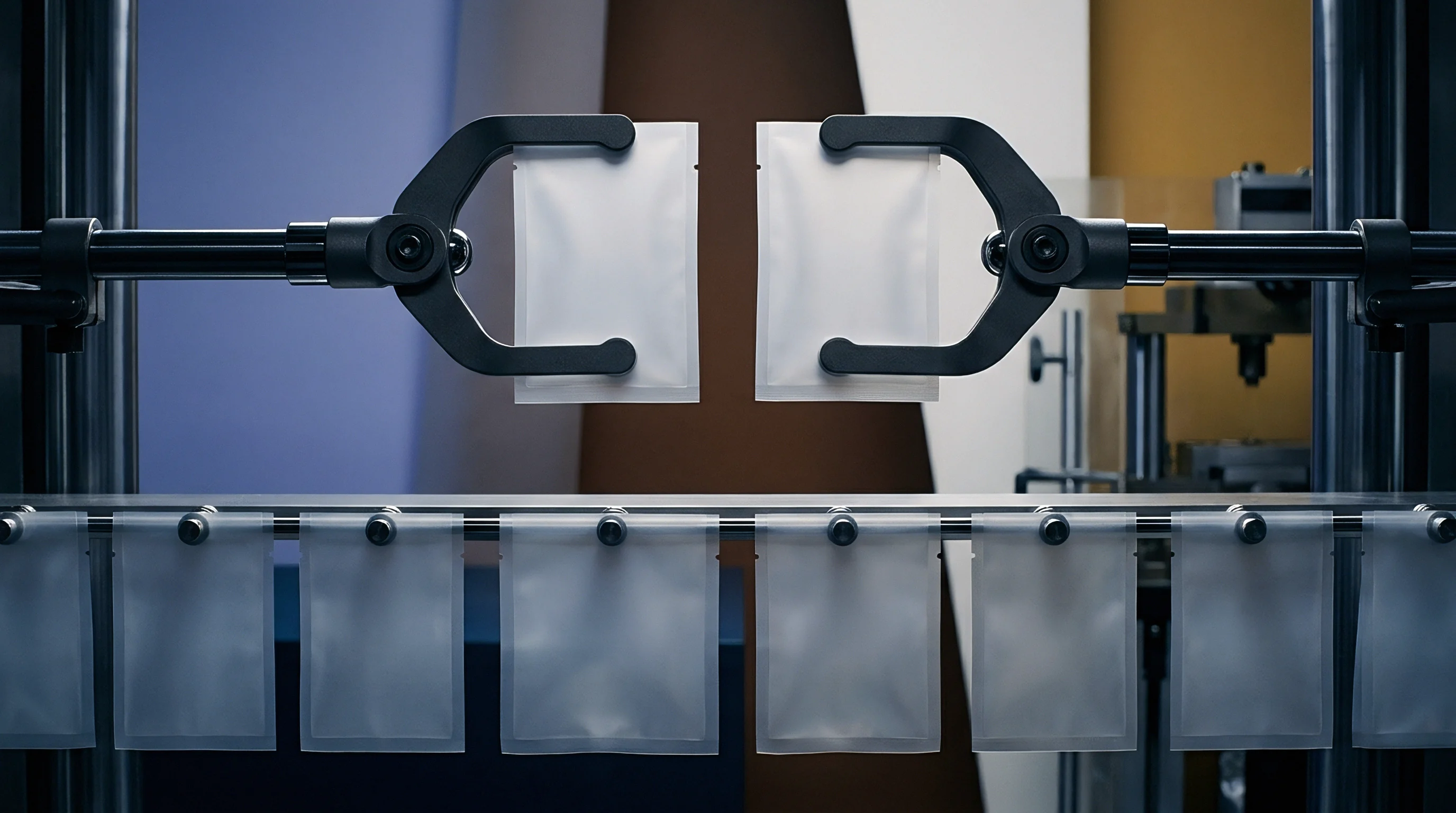
Documentary compliance flows backward from the converted pouch on a retail shelf to the original polymerization reactor lot. Every intermediate supplier in the conversion chain must issue a Declaration of Compliance (DoC) under Regulation EU 10/2011 Article 15. The DoC validates that upstream resin components, color concentrates, adhesives, and printing inks operate within statutory chemical migration boundaries when processed under specified conditions.

Traceability Requirements across Packaging Conversion Stages
A complete food contact packaging assembly integrates multiple distinct material streams. Polymer resin manufacturers synthesize base pellets, adding primary antioxidants and acid scavengers. Masterbatch producers incorporate pigments, anti-block silica, and organosilicon processing aids.
Film extruders process pellets into monolayer or coextruded blown films, adding slip agents to control surface friction. Converters laminate films to aluminum foil or oriented polyester substrates using polyurethane adhesives, printing exterior surfaces with solvent-based inks.
Customs officials verify conformity dossiers.
Documentary gaps appear when converters assume raw resin Declarations of Compliance cover finished converted laminates. Extrusion processing temperatures ranging from one hundred eighty to two hundred sixty degrees Celsius generate thermal degradation products absent in pristine polymer pellets. Solvents from laminating adhesives, such as ethyl acetate or alcohol mixtures, remain trapped within multi-layer structures, migrating into food contact layers over time.
Printing ink components like photoinitiators (such as benzophenone and isopropylthioxanthone) transfer to food contact surfaces during film roll storage via surface set-off mechanisms.
A declaration of conformity carrying migration values from raw resin pellets fails to prove compliance for converted printed laminates.

Declaration of Compliance Dossier Assembly and Supporting Analytical Records
Assembling a legally defensible food contact dossier requires collecting sequential records across all production steps:
- Obtain raw material Declarations of Compliance from resin producers, verifying chemical identity and positive listing under EU 10/2011 Annex I.
- Identify all dual-use additives subject to food additive restrictions under Regulation EC 1333/2008, including glycerol monostearate (E471) and silicon dioxide (E551).
- Collect masterbatch technical data sheets to confirm heavy metal concentration limits stay below one hundred parts per million combined lead, cadmium, mercury, and hexavalent chromium.
- Execute laboratory migration testing on finished converted packaging films using standardized food simulants matched to end-use conditions.
- Compile supporting analytical test reports from ISO 17025 accredited testing facilities, linking lab sample lot numbers directly to production batch certificates.
Quality assurance programs require linking batch certificates to analytical test reports. Procurement contracts must include explicit supplier declaration clauses to manage regulatory non-compliance risk effectively:
- Dual-Use Additive Disclosure obligates raw material suppliers to identify all food additive substances present in polyolefin resins, enabling downstream food packers to track total food formulation limits.
- NIAS Risk Assessment Records mandate resin suppliers to provide gas chromatography mass spectrometry screening data covering non-intentionally added substances present in base polymers.
- Standardized Simulant Match Guarantees bind film extruders to perform migration testing using worst-case food simulants appropriate for the buyer’s specified end-use food categories.
- Batch Specific Test References require converters to cite current laboratory test report numbers directly on commercial sales invoices and certificates of analysis.
Whether regulatory authorities will accept combined computational diffusion modeling in place of physical third-exposure testing for complex multi-layer polyolefins remains unresolved in current enforcement practice.

Obligation
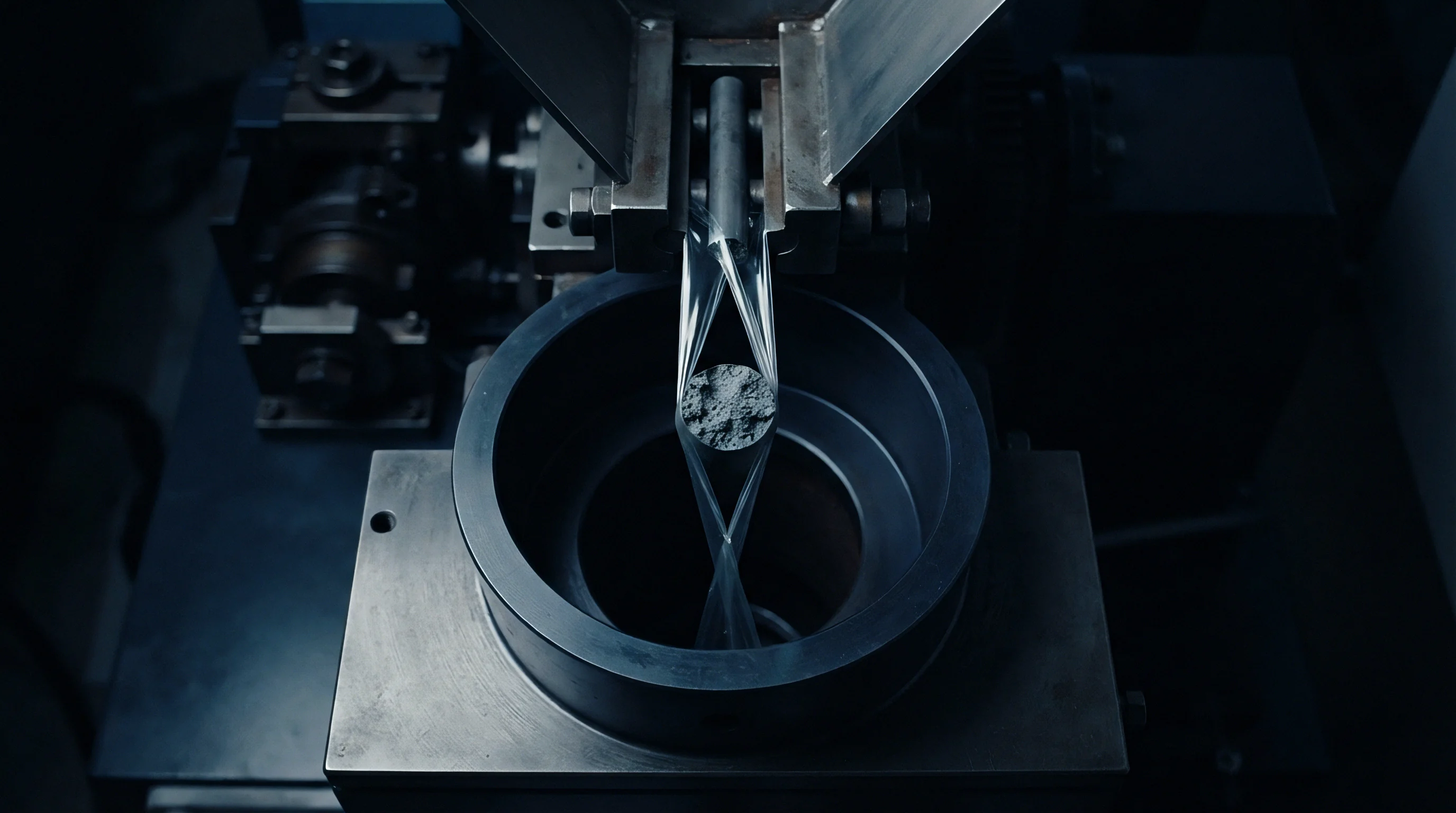
Market surveillance authorities enforce chemical migration limits at port entries through systematic sampling and documentary inspection. Importing entities carry legal liability for placing non-compliant food packaging onto commercial markets within the European Union and North America. Border rejections under the European Rapid Alert System for Food and Feed (RASFF) lead to immediate shipment quarantine, mandatory destruction, or forced product re-export at importer expense.

Market Surveillance and Rapid Alert Enforcement Mechanics
Enforcement laboratories execute official control testing using accredited mass spectrometry methods. RASFF notifications targeting polyolefin food contact materials focus primarily on unauthorized primary aromatic amines from laminating adhesives, excessive overall migration into fatty food simulants, and specific migration of formaldehyde or zinc additives. Customs authorities seize shipments arriving without valid Declarations of Compliance or carrying documents referencing outdated regulations.
Test reports reference specific batches.
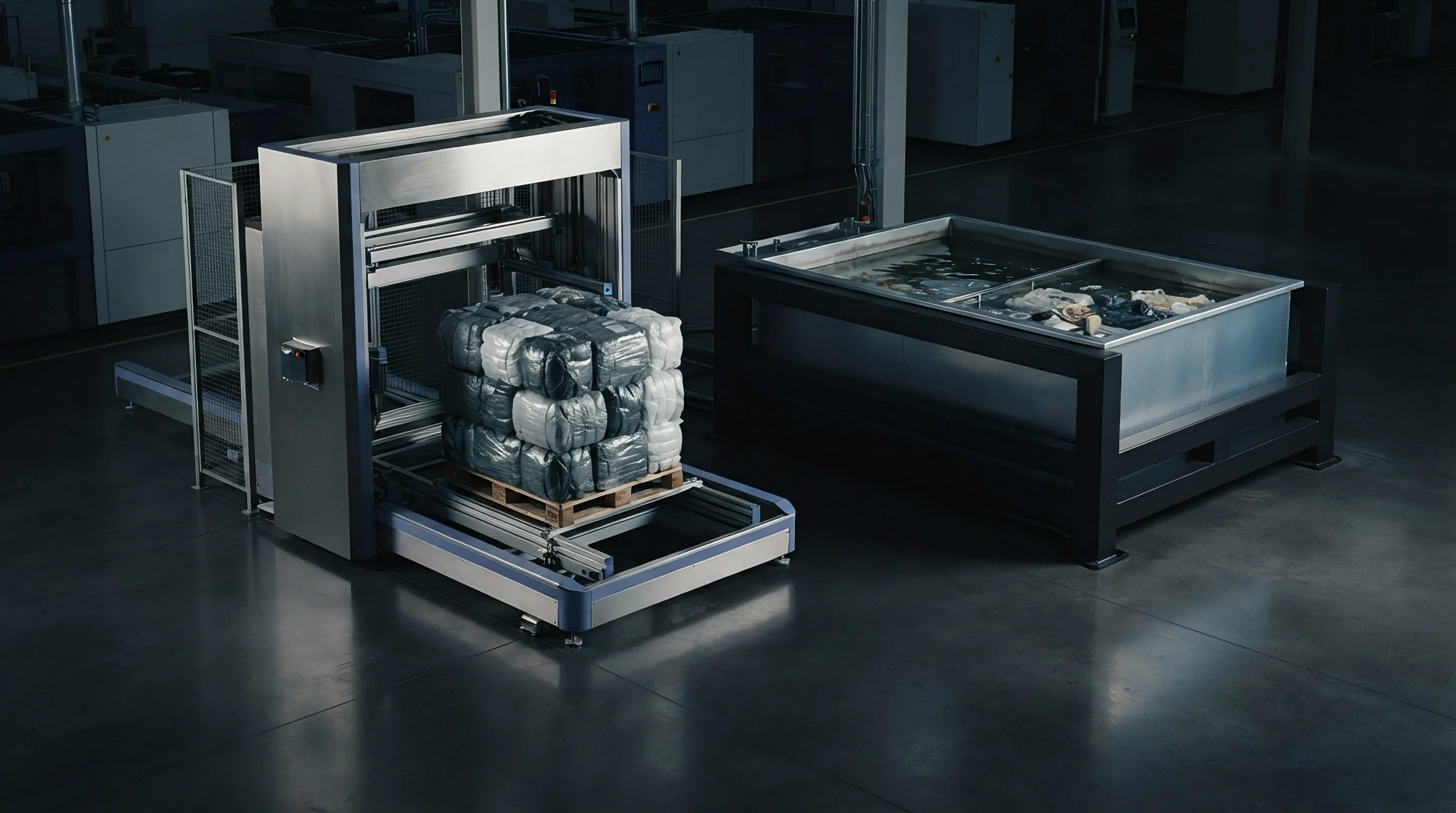
Landed cost calculations must absorb compliance verification testing expenses alongside potential non-compliance liabilities. Complete migration testing according to EN 1186 and EN 13130 standards costs between two thousand and five thousand Euros per packaging configuration. Skipping laboratory testing creates catastrophic financial liabilities when market surveillance authorities discover non-compliant migration during routine retail sampling.
Border rejections create immediate cash liabilities.
Landed Cost Exposure and Batch Verification Protocols
Commercial contracts must price compliance obligations directly into purchasing mechanics. Third-party laboratory audit schedules ensure continuous batch verification without testing every production container. Importers establish skip-lot inspection protocols based on supplier risk ratings, testing every fifth container for overall migration and specific additive limits.
Data gaps invalidate supplier claims.
| Compliance Non-Conformity Trigger | Regulatory Enforcement Mechanism | Direct Financial Consequence | Landed Cost Impact (% of Lot Value) |
|---|---|---|---|
| Overall Migration Limit Exceeded (> 10 mg/dm²) | RASFF Notification / Port Seizure | Mandatory Cargo Destruction & Customs Fines | 100% Total Loss + Disposal Fees |
| Unlisted NIAS Exceeding TTC Threshold | Market Recall / Product Withdrawal | Retail Removal & Brand Damage Claims | 150% to 300% Lot Value |
| Missing Dual-Use Additive Disclosure | Documentary Rejection at Border Entry | Demurrage & Administrative Processing Delay | 15% to 35% Freight Value |
| Inapplicable Simulant Test Condition Cited | Customs Administrative Hold | Re-testing Fees & Accelerated Lab Costs | $5,000 to $12,000 Fixed Cost |
Importers who review batch analytical records prior to port arrival maintain full control over commercial risk and regulatory compliance.