
Bio-Based Polyester Oligomer Identification in Food Contact Simulants
Identifying bio-based polyester oligomers requires high-resolution LC-MS screening, surrogate calibration factors, and simulant-specific recovery validation.
Identifying bio-based polyester oligomers requires high-resolution LC-MS screening, surrogate calibration factors, and simulant-specific recovery validation.

Recycled polyolefin packaging requires non-targeted GC-MS and LC-MS screening to ensure non-intentionally added substance migration remains below 0.01 mg/kg.
Matching standardized food simulants to polyolefin packaging depends on polymer swelling behavior, contact temperature, and food lipophilicity to verify legal migration limits.
Polyolefin liner compliance requires establishing specific migration limits, screening for non-intentionally added substances, and maintaining full dossier traceability.

Quantitation of UV ink breakdown fragments in recycled films demands target GC-MS/LC-MS extraction paired with non-target screening for degradation products.
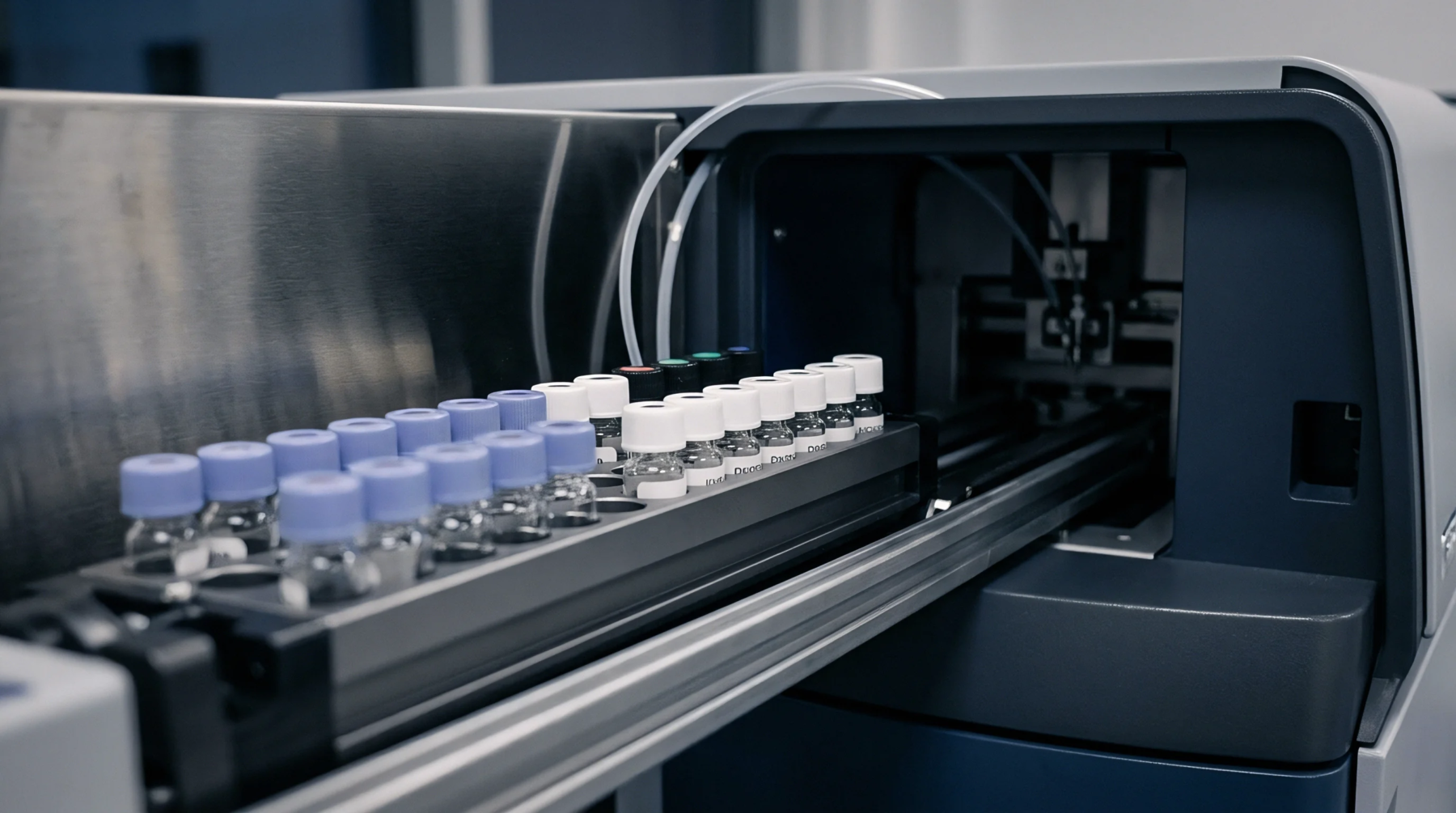
Validation of HPLC CAD enables accurate quantification of cyclic PET oligomers in food simulants through uniform aerosol response calibration.

Non-targeted screening workflows require orthogonal GC-MS and LC-HRMS platforms to detect volatile, non-volatile, and adhesive oligomer migrants down to an analytical evaluation threshold derived from toxicological thresholds of concern.
Expertise is a utility, not a secret. sentiention™ publishes its working knowledge as open reference: intelligence layer covering the materials it sources, the markets it enters, and the reference that serves both.