
Polyolefin Low Molecular Weight Extraction and Migration Testing
Polyolefin migration compliance requires batch-specific testing for low molecular weight hydrocarbons using accredited simulants, exact temperatures, and GC-MS.
Polyolefin migration compliance requires batch-specific testing for low molecular weight hydrocarbons using accredited simulants, exact temperatures, and GC-MS.

Visbroken polypropylene risks organoleptic contamination and thermal degradation; verify residual peroxide, NIAS limits, and OIT before food contact use.

Imported polyolefin virgin resin declarations require batch-matched GC-MS monomer analysis and complete Annex I chemical chain documentation prior to entry.

Analytical screening of HDPE consignments requires solvent extractions, GC-MS profiling, and diffusion modeling to verify food contact compliance before release.

Sourcing thin-wall PP homopolymer demands qualifying melt flow rates above 60 g/10 min while auditing peroxide residues to protect mechanical impact.
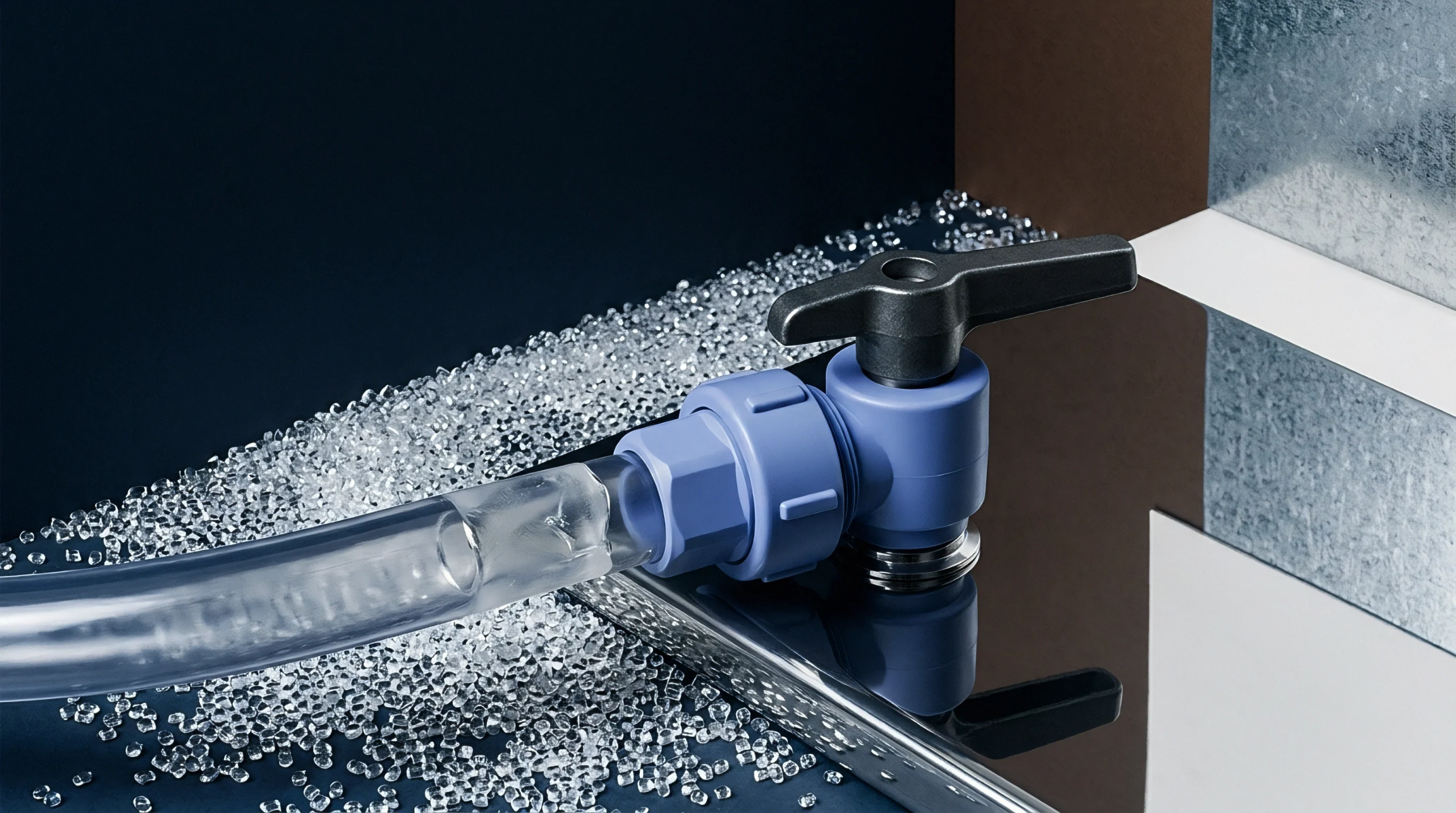
Preparative isolation of low molecular weight polyolefin fractions requires rigorous thermal solvent extraction to verify food contact compliance and REACH boundaries.
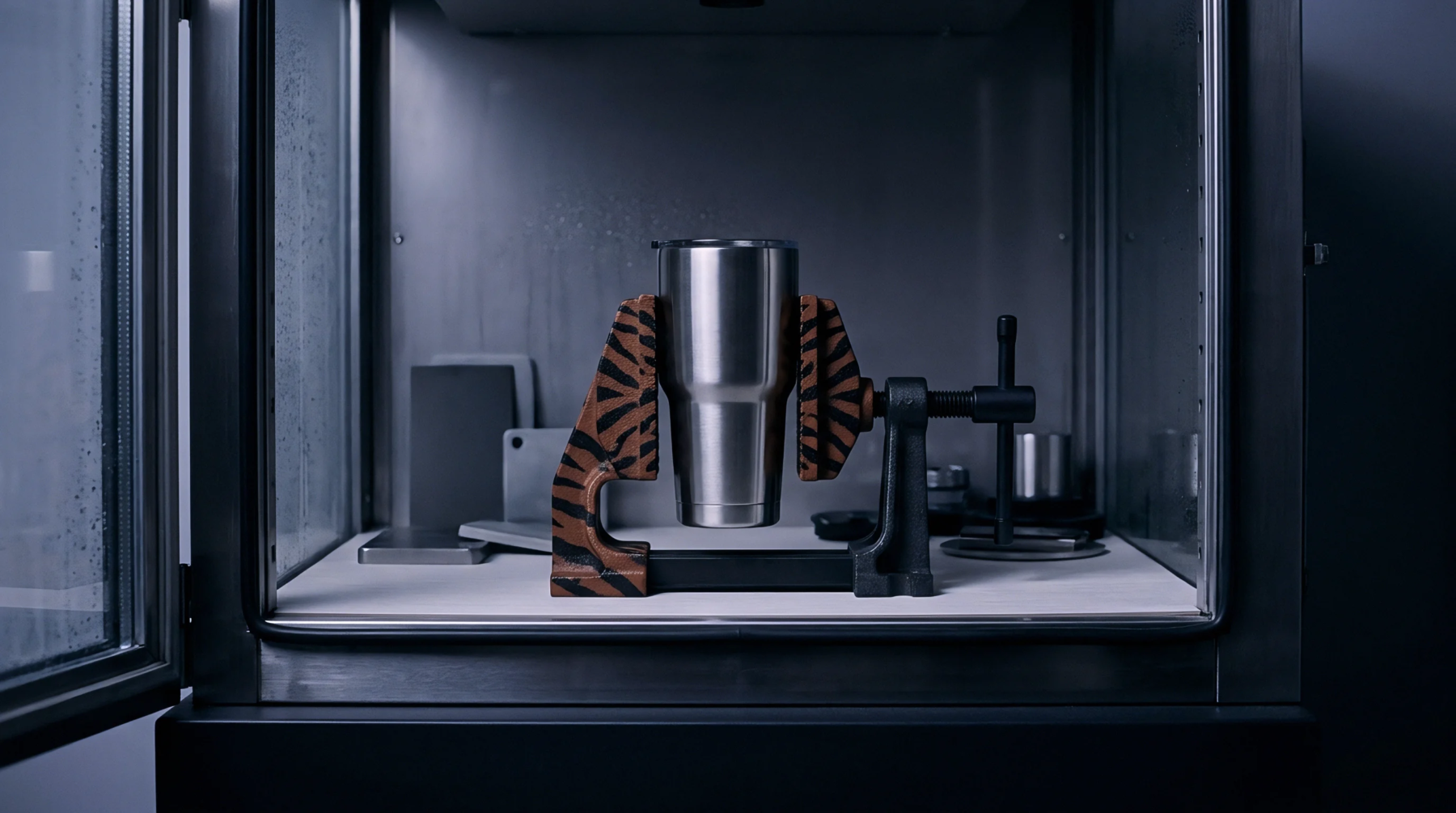
Sub-1000 Da polyolefin bioaccessibility requires preparative SEC isolation, micellar digestion extraction, GCxGC-HRMS identification, and compliance validation.
Expertise is a utility, not a secret. sentiention™ publishes its working knowledge as open reference: intelligence layer covering the materials it sources, the markets it enters, and the reference that serves both.