Meaning
Customs nomenclature organizes specialty polymer stabilizers and vulcanization accelerators within a specific classification for functional chemical additives. In plastics compounding and resin distribution, heading 3812 governs prepared antioxidant formulations and hindered amine light stabilizer packages designed to protect synthetic resins during melt processing. The category stops applying to isolated, chemically defined single compounds classified under Chapter 29, and to additive concentrates whose carrier resin content qualifies them as primary plastic forms under Chapter 39.
Carrier Content
Chemical additive mixtures containing minor polymer binders undergo strict tariff scrutiny based on carrier threshold percentages. Customs authorities assign antioxidant blends to heading 3812 when the polymer component acts solely as a dust-suppressing binder without providing structural polymer matrix properties. Increasing the carrier resin concentration transforms the additive package into a plastic masterbatch under heading 3901 through 3911.
Thermal Degradation
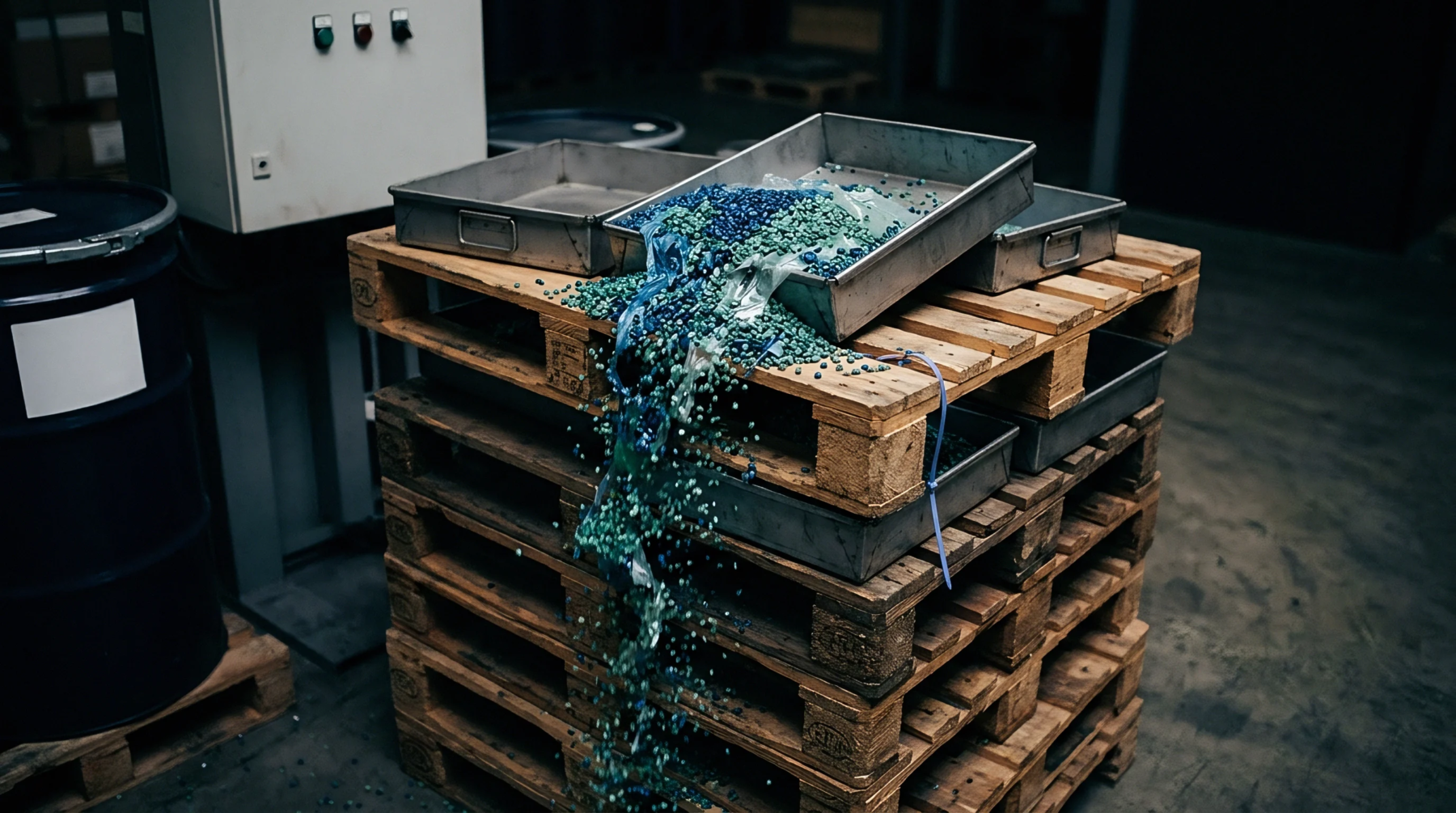
Processing window stability during extrusion and injection moulding relies on the precise balancing of primary and secondary stabilizers classified within this tariff provision. Phenolic antioxidants suppress radical formation during initial barrel heating, while phosphite compounds decompose hydroperoxides during high-shear residence periods. Resin compounders adjust these stabilizer ratios to prevent yellowing and molecular weight drop when processing recycled polyolefins.
Regrind resin exhibits higher initial peroxide values, requiring supplemental antioxidant additions that alter the formulation balance. Sourcing pre-blended additive systems under heading 3812 provides consistent melt flow indexing across continuous moulding runs, preventing screw foul and black specks. High regrind percentages demand aggressive stabilizer loading, raising compounding costs but protecting melt viscosity from catastrophic thermal breakdown during cyclic moulding stalls.
Compound Valuation
Landed costs for imported chemical packages fluctuate according to regional trade remedies applied to functional rubber and plastic additives. Sourcing managers evaluate whether importing concentrated additive mixtures under heading 3812 generates lower tariff liabilities than purchasing fully compounded polymer pellets. Reclassification audits by customs agencies can retroactively assess duties if an imported package contains unregistered chemical precursors or unspecified carrier materials.