Meaning
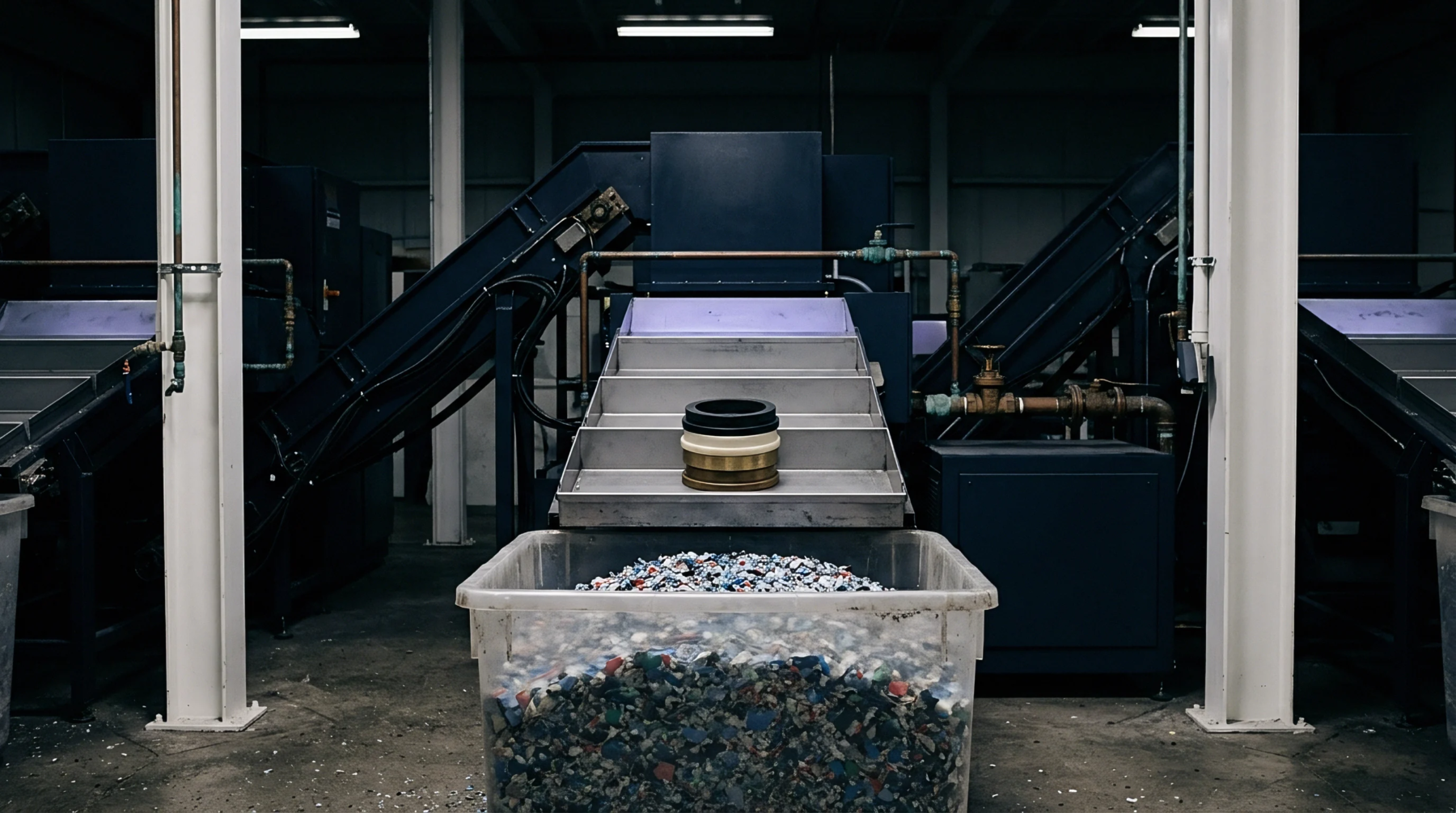
Recycled resin streams derived from household or commercial waste containing polyethylene or polypropylene fractions. Processing post-consumer polyolefin requires advanced sorting technology to remove non polymer contaminants and incompatible resin types. The material is widely used in the production of non food packaging and agricultural pipes.
Its environmental profile makes it a preferred choice for companies looking to reduce their carbon footprint.
Economic Value
Price fluctuations for this material are often tied to the cost of virgin resin and the availability of high quality waste streams. While post-consumer polyolefin is generally cheaper than new plastic, the added costs of washing and pelletizing can narrow the margin. Moulders must calculate the total cost of ownership including the higher scrap rates associated with recycled content.
Processing Challenge
Variability in the melt flow index often leads to inconsistent part weights and filling patterns during injection moulding. Because post-consumer polyolefin contains a mix of different molecular weights, the processing window is usually narrower than that of virgin material. Adjusting the injection pressure and hold time is necessary to manage these fluctuations.
Part Suitability
Finished products made from these resins may exhibit lower impact strength or different aesthetic qualities compared to those made from pure resins. Using post-consumer polyolefin in visible components sometimes requires the addition of pigments or mineral fillers to mask imperfections. The selection of the grade depends on the mechanical requirements of the final application.