Meaning
Numerical thresholds define the lowest concentration at which an analyte can be measured with acceptable precision. Determining the limit of quantitation ensures that reports on restricted substances like heavy metals in plastic toys are accurate. Values below this point are reported as non-detectable for compliance purposes.
Detection Boundary
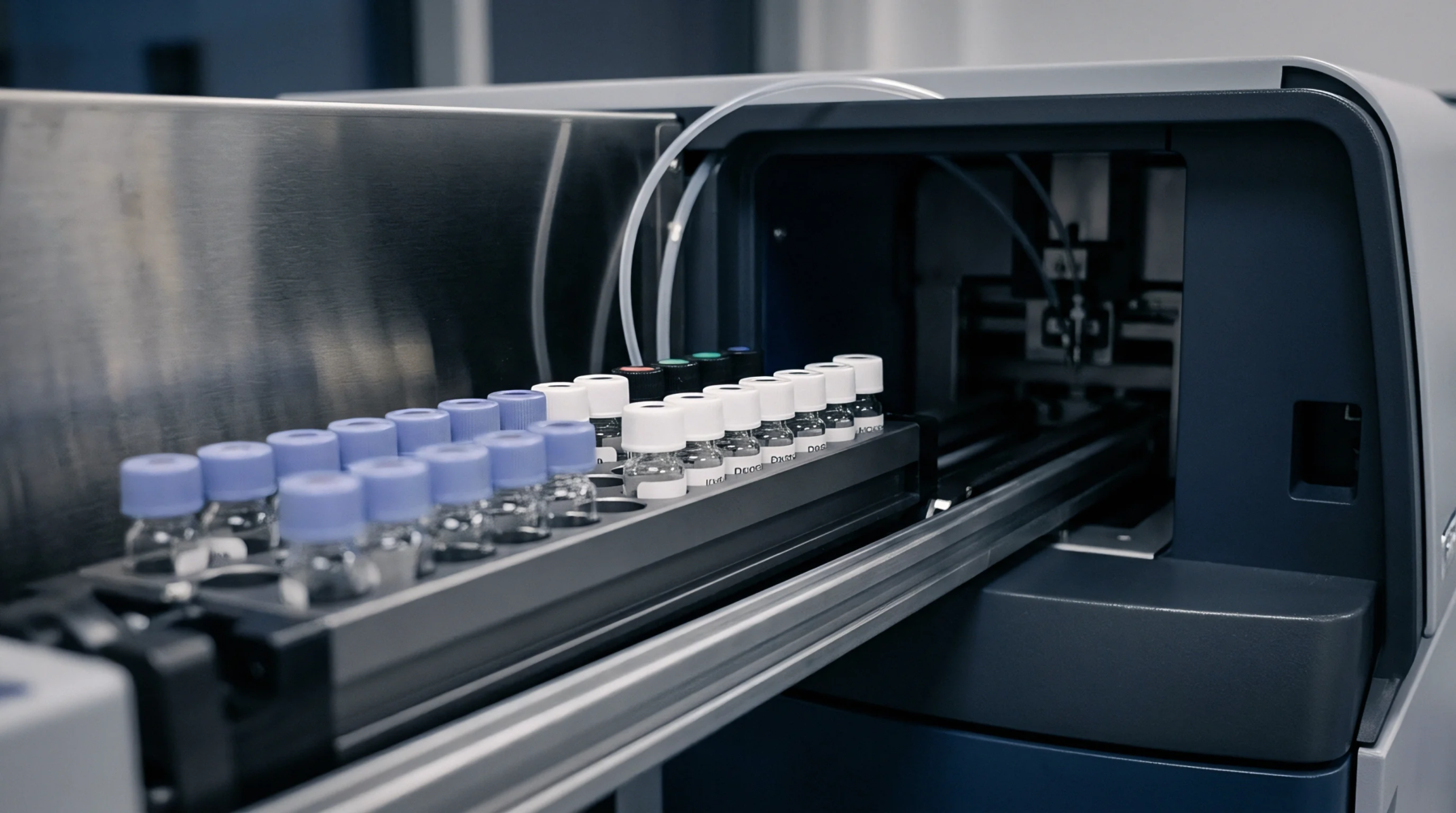
Laboratory staff calculate the value based on the signal-to-noise ratio of the analytical instrument. While the limit of quantitation is higher than the limit of detection, it provides the certainty needed for regulatory filings. This boundary is established by testing samples with known low-level concentrations until the variance reaches a defined maximum.
Analytical Sensitivity
High-performance liquid chromatography and mass spectrometry offer lower thresholds than traditional wet chemistry methods. When the limit of quantitation is reached, the measurement uncertainty must be small enough to allow for a clear pass or fail decision. Moulders buying recycled resin depend on these low limits to verify the absence of legacy additives.
This prevents the accidental introduction of banned chemicals into the production line. Regular verification of this limit is required whenever the instrument undergoes maintenance or a new batch of reagent is opened.
Reporting Requirement
Test results must clearly state the threshold used for the analysis. Precise limit of quantitation data ensures legal compliance.