Enforcing Total Fluorine Limits in Imported Packaging
Total fluorine combustion screening identifies non-compliant imported packaging before customs entry by detecting all organofluorine additives and processing aids.

Combustion
Analytical quantification of halogens in packaging materials relies on thermal decomposition under pressurized oxygen streams, followed by liquid ion chromatography to measure liberated fluoride ions in an aqueous absorbing solution. Standard protocols such as EN 14582 and DIN 51723 specify burning samples inside a sealed quartz tube or oxygen bomb apparatus at temperatures exceeding 900 degrees Celsius. Under these conditions, organic polymer matrices break down completely into carbon dioxide, water vapor, hydrogen fluoride, and other hydrogen halides.
Measuring total fluorine serves as an indirect screening threshold for synthetic perfluoroalkyl and polyfluoroalkyl substances (PFAS). While direct targeted analysis via liquid chromatography-tandem mass spectrometry (LC-MS/MS) captures only known linear and branched structures, combustion ion chromatography (CIC) measures all organofluorine contributions ~ including high-molecular-weight polymers, side-chain fluorinated acrylic copolymers, and processing aids. Modern equipment routinely achieves a limit of quantitation of 10 milligrams of fluorine per kilogram of dry packaging material, providing the baseline sensitivity required by regional environmental protection statutes.
Screening Mechanics for Organic Fluorine Conversion
Inside a controlled furnace environment, thermal oxidation converts carbon-fluorine bonds into ionic species. Solid packaging samples are weighed into ceramic boats and fed into a hydropyrolytic combustion furnace operating at 1050 degrees Celsius, where moist oxygen gas streams convert covalently bound fluorine into gaseous hydrogen fluoride. The gas stream then passes through absorbing solutions of dilute hydrogen peroxide or deionized water, trapping the target analyte without matrix retention.
Anion exchange columns using carbonate or hydroxide eluents separate the ions prior to suppressed conductivity detection, with peak areas calibrated against certified fluorine standards. Because sulfur or chlorine can create matrix interferences, distinct chromatographic steps are required to prevent peak overlap with fluoride signals. In recycled paper pulp, high silica concentrations often demand special fluxing agents or modified furnace residence times to ensure full release of fluorinated additives.

Standard Method Performance and Digestion Parameters
Validation protocols establish the sample mass, gas flow rates, and detection thresholds for each standard. EN 14582 uses oxygen bomb digestion for solid waste and polymers, while DIN 51723 and draft standard EN 17822 tailor hydropyrolytic furnace conditions to paper, paperboard, and plastics. Any variation in digestion efficiency affects the reported fluorine values, particularly when non-volatile fluorinated polymers resist complete thermal cleavage.
| Standard Method | Digestion Technique | Limit of Quantitation | Primary Interference | Applicable Substrate Scope |
|---|---|---|---|---|
| EN 14582 | Oxygen Bomb Combustion | 20 mg/kg F | High sulfur content | Plastics, paperboard, solid waste |
| DIN 51723 | Hydropyrolytic Combustion | 10 mg/kg F | Inorganic fluoride salts | Polymeric films, coated papers |
| ASTM D7359 | Pyrohydrolytic CIC | 5 mg/kg F | Volatile organic halides | Aromatic resins, polyolefins |
| Draft EN 17822 | Controlled Tube Furnace CIC | 10 mg/kg F | High ash / mineral filler | Molded pulp, food-contact paper |
| Methods note: Detection limits depend on sample mass, furnace residence time, and chromatographic suppression efficiency during ion exchange separation. | ||||
Measured total fluorine can stem from background minerals in raw pulp water rather than intentional barrier coatings.

Substrates
Paperboard formulations and molded plant-fiber articles rely on surface treatments to resist grease, oil, and water penetration. Historically, side-chain fluorinated polymers featuring perfluorinated carbon tails supplied the necessary low surface energy across fibrous matrices. Regulatory restrictions have since pushed global compliance checking toward total fluorine limits capped at 100 milligrams per kilogram dry weight in jurisdictions including California, New York, and Washington state.
Polyethylene containers treated with post-molding fluorination present a very different analytical profile than fiber substrates. In-situ or post-extrusion fluorination uses fluorine gas mixtures to form a thin, highly fluorinated barrier layer on inner container surfaces, reducing solvent permeability. During combustion testing of whole-wall core samples, this modified layer releases substantial fluorine, often exceeding 1000 milligrams per kilogram.
Separating surface-bound barrier treatments from internal polymer additives requires microtome sectioning prior to digestion.

Molded Pulp Packaging and Side-Chain Fluorinated Polymers
Bagasse, bamboo, and recycled paper fibers feature porous capillary structures that readily absorb lipids and liquids. Adding perfluorinated acrylate monomers or phosphate surfactants during pulping builds an oleophobic network through the full wall thickness. This dense distribution of carbon-fluorine bonds yields total fluorine concentrations between 300 and 2500 milligrams per kilogram when analyzed by pyrohydrolytic combustion ion chromatography.
Alternative barrier systems use bio-based waxes, microfibrillated cellulose, or synthetic aqueous dispersion coatings like styrene-butadiene and acrylic copolymers. These non-fluorinated coatings provide grease resistance without producing fluoride peaks during ion chromatography. Confirming compliance requires analyzing both the unbleached structural pulp and functional surface coatings to verify that no component layer contains fluorinated treatment chemicals.
Total fluorine concentrations in molded fiber food packaging exceeding 100 mg/kg dry weight trigger immediate rejection under US state compliance statutes when evaluated by EN 14582 oxygen bomb digestion.
In-Situ Fluorination of Polyethylene Containers
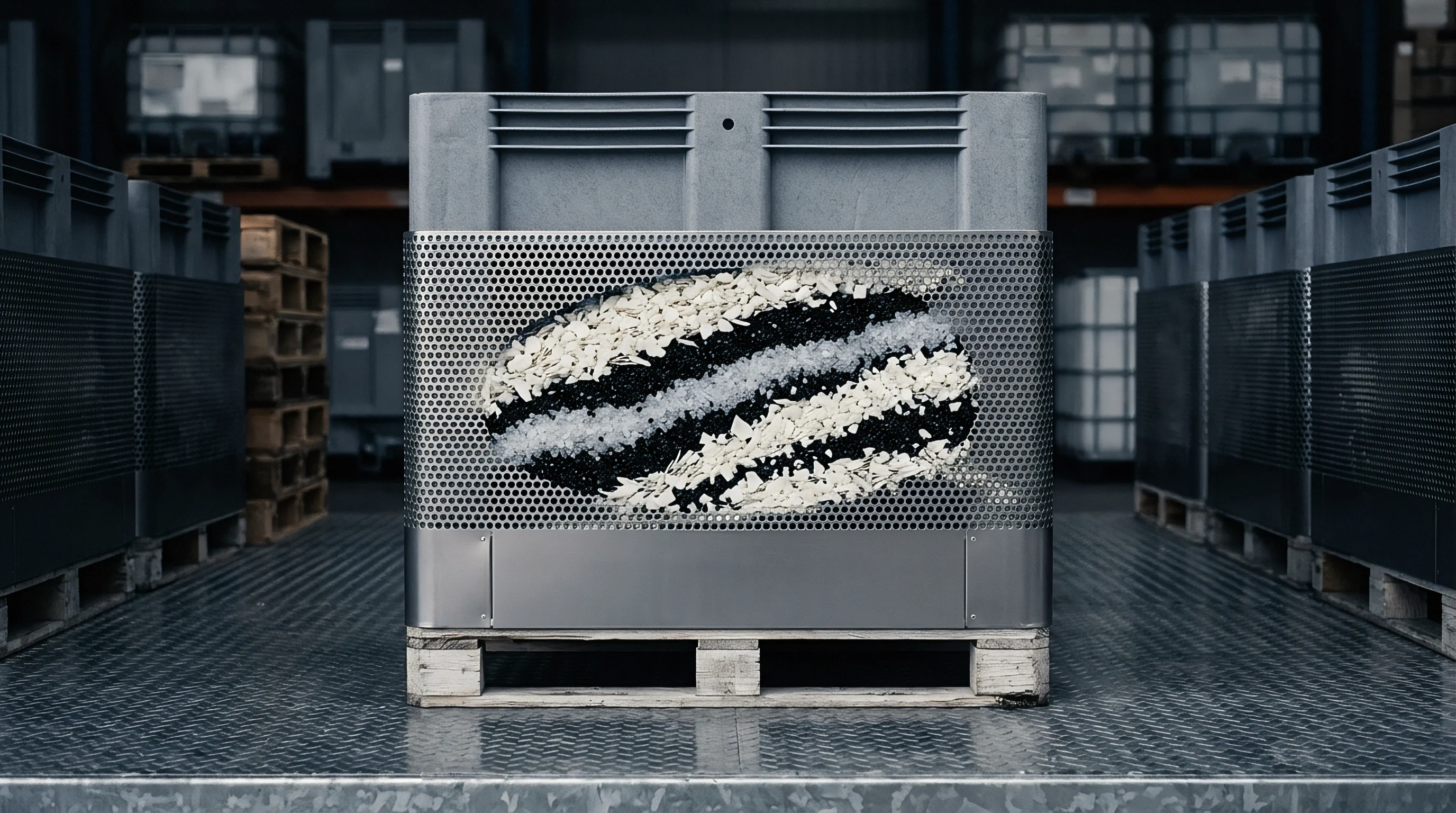
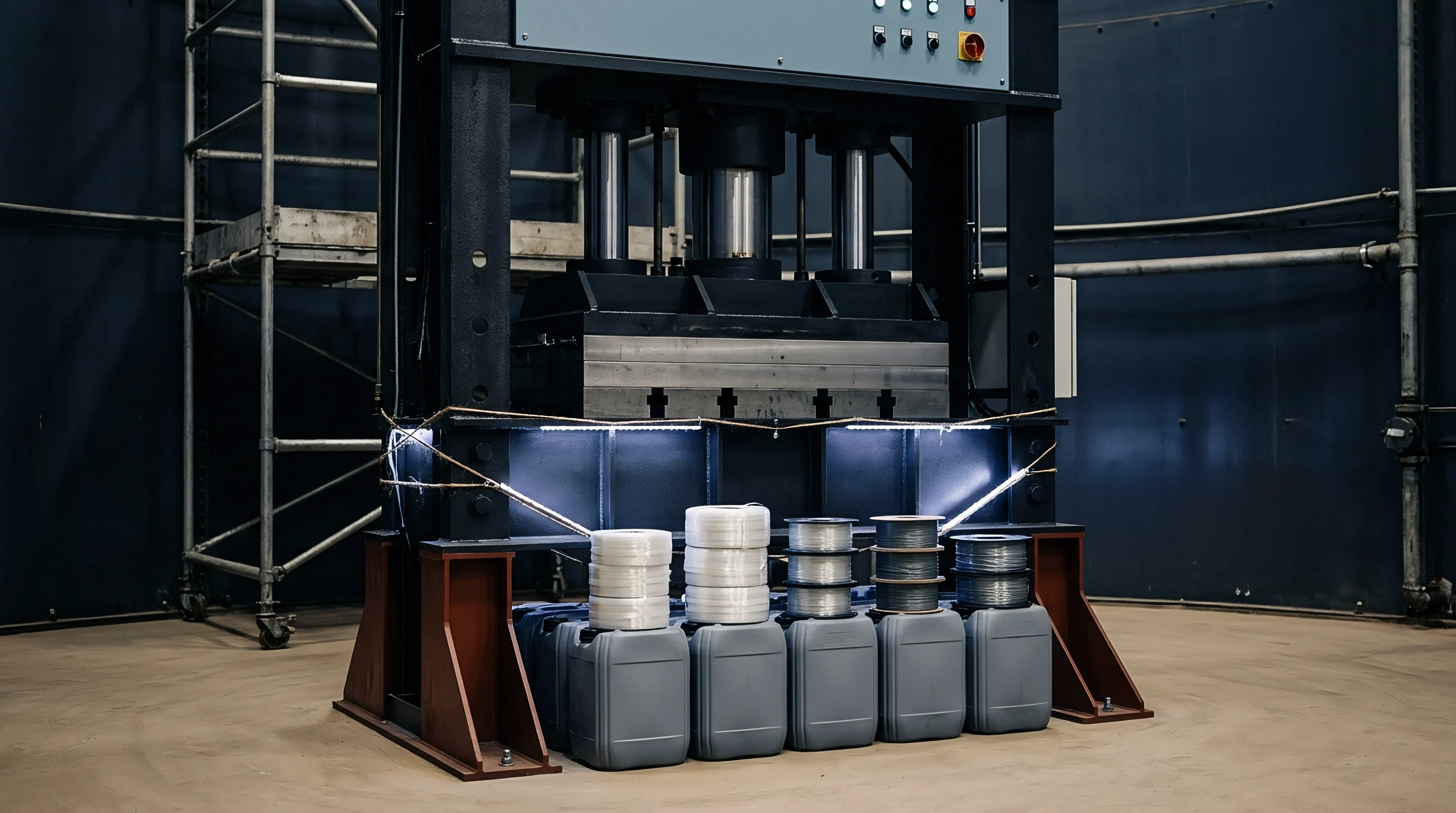
High-density polyethylene (HDPE) blow-molded drums, bottles, and jerrycans often undergo internal fluorination during manufacturing. Exposing hot polymer walls to elemental fluorine mixed with nitrogen forms a fluorinated skin 10 to 100 nanometers thick, providing a barrier against aggressive chemicals, fuel additives, and industrial liquids.
Regulators restrict specific perfluoroalkyl carboxylates, such as PFOA and PFHxA, which can form as unintended degradation products during aggressive fluorination. Standard whole-packaging combustion measures the combined fluorine of both the thin skin and the unfluorinated bulk polymer. To determine the actual chemical density of the modified surface, testing protocols isolate the inner 50 micrometers of the container wall.
Switching to non-fluorinated sizing agents preserves market access while avoiding the analytical ambiguity inherent in fluorine screening.
Paperwork
Declarations of compliance for cross-border packaging shipments require analytical test data tied directly to current lot numbers. Importers cannot satisfy verification obligations under European Union Regulation (EC) 1935/2004 or US Food and Drug Administration rules with generic material safety data sheets from resin suppliers. Audits must cover the full chain of custody, from raw synthesis through converting, film lamination, and final slitting.
Exclusion clauses in raw material declarations regularly expose legal vulnerabilities during audit reviews. Resin manufacturers frequently certify base polymer specifications while disclaiming liability for processing aids, masterbatches, or slip additives introduced downstream. Audit workflows must examine every functional component of imported packaging to ensure total fluorine limits are evaluated against the converted finished article rather than virgin resin.
Traceability Chains across Converting Supply Lines
Cross-border supply networks often introduce testing gaps at converter handover points. While raw material declarations document virgin resin purity, converters frequently add fluorinated processing aids (PPA) to prevent melt fracture during high-speed film extrusion. Added at concentrations between 200 and 1000 milligrams per kilogram, these fluoroelastomer PPAs push total fluorine above action thresholds despite zero addition in the base resin.
Audits trace lot-specific certificates of analysis through masterbatch compounders to verify PPA structure and addition rates. Compliance records must detail the sample mass, digestion standard, and quantitation limit applied by the testing facility. Reports that lack explicit batch references matching the bill of lading carry no weight during border enforcement audits.
Contracts specifying maximum total fluorine limits require lab reports referencing EN 14582 or DIN 51723 executed on the exact lot number appearing on the bill of lading.

What Triggers Total Fluorine Screening at Inspection?
Enforcement authorities use risk-based sampling protocols targeting high-risk imports at seaports and customs hubs. Molded plant-fiber food containers, grease-resistant paper wrappers, and fluorinated plastic drums top the priority lists on customs audit matrices.
- Review the bill of lading to match commercial product descriptions against high-risk packaging substrate classifications.
- Cross-check the importer declaration of conformity against the mandatory lot-specific laboratory testing report.
- Verify that the testing report specifies an accredited combustion ion chromatography method with a quantitation limit below 10 milligrams per kilogram.
- Confirm that total fluorine values fall beneath the specific destination market regulatory limit, accounting for measurement uncertainty.
- Quarantine non-compliant lots at the port of entry pending secondary target analysis or mandatory re-exportation.
Requiring batch-matched total fluorine screening reports in purchasing contracts eliminates financial exposure for the importer of record during regulatory audits.


Crate
Port inspections rely on standardized statistical sampling to determine compliance before releasing shipments into national commerce. Under ISO 2859-1 single sampling plans, inspection officers take representative units across multiple master cartons within a container payload.
European Safety Gate notifications show growing enforcement against imported packaging exceeding fluorine and organofluorine limits. Authorities in Germany, France, and Denmark regularly detain unbleached fiber takeaway containers from overseas mills. If combustion screening shows total fluorine above national action levels, inspectors issue formal rejections, blocking market access and ordering cargo destruction at the importer’s expense.
Customs Lot Sampling and Physical Verification
Sampling protocols at container freight stations determine the statistical validity of compliance testing. Inspection teams pull cartons from the front, middle, and door-end of sea containers to account for potential lot mixing during loading. Selected units are sealed in vapor-proof aluminum foil packaging for transport to accredited labs, preventing cross-contamination from ambient organic vapors.
At the laboratory, intake procedures confirm seal integrity and record sample weights before processing. Fiber products undergo cryogenic milling to reduce particle sizes below 250 micrometers, ensuring complete oxidation during oxygen bomb combustion. Compositing samples across different cartons is strictly prohibited under validation rules, as blending high-fluorine sub-lots with compliant material hides localized contamination.
Screening paper substrates for total fluorine identifies fluorinated additives long before targeted mass spectrometry isolates individual perfluoroalkyl acids.
European Safety Gate Enforcement Patterns
RAPEX and Safety Gate tracking records show systematic enforcement against imported food-contact items containing prohibited organofluorine compounds. Rejections are not limited to direct perfluorooctanoic acid (PFOA) content; they also target total fluorine levels under regional environmental laws and EU POPs Regulation (EU) 2019/1021.
| Jurisdiction | Regulatory Basis | Analytical Parameter | Action Level Threshold | Primary Target Articles |
|---|---|---|---|---|
| United States (State level) | California AB 1200 / NY S8857 | Total Organic Fluorine (TOF) / TF | 100 mg/kg F (dry weight) | Molded fiber, food-contact paper |
| European Union | POPs Regulation (EU) 2019/1021 | PFOA and related substances sum | 0.025 mg/kg PFOA / 1.0 mg/kg sum | All polymeric & paper packaging |
| Denmark | Executive Order 681/2020 | Total Organic Fluorine (TOF) | 20 mg/kg F (indicator threshold) | Paper and paperboard materials |
| European Union (Proposed) | REACH Universal PFAS Restriction | Total Fluorine (TF) screening limit | 50 mg/kg F (unless proven non-PFAS) | All packaging polymers & coatings |
Relying on screening declarations that ignore matrix-specific background interferences frequently creates serious legal liabilities for importers.
- Analytical Scope Exclusion occurs when testing documentation covers only raw polymer pellets, omitting functional barrier inks and coatings.
- Mismatched Sample Identification invalidates test reports when carton lot numbers fail to match shipping manifest entries.
- High Quantitation Boundaries hide illegal additives when labs report non-detect values above standard regulatory limits.
- Omitted Matrix Recovery Data prevents verification of complete thermal oxidation during pyrohydrolytic combustion ion chromatography.
Failing to verify total fluorine before departure risks container seizure, mandatory cargo destruction, and public listing on regulatory recall portals.
Arithmetic
Calculating the financial risk of non-compliant packaging imports requires accounting for testing fees, vessel demurrage, storage, cargo destruction, and supply chain disruption. A single 20-tonne shipment of molded fiber liners representing $85,000 in purchase order value carries substantial contingent exposure.
A customs quarantine triggered by a total fluorine failure quickly escalates. Storage fees run $400 per day per container, while targeted LC-MS/MS re-testing adds $1,800 per sample set. Incinerating a 20-tonne quarantined container as hazardous waste incurs $12,000 in disposal charges, on top of regulatory fines.
Total exposure on an $85,000 shipment easily exceeds $97,400, even before factoring in lost sales.

Cost Variance of Reformulated Barrier Formulations
Replacing fluorinated processing aids or side-chain fluorinated polymers with non-fluorinated alternatives shifts unit economics for converters. Bio-based wax emulsions, dispersion coatings, and silicone slip agents each introduce distinct cost profiles and processing demands.
Evaluating substitution costs requires weighing additive prices against changes in machine throughput. Non-fluorinated processing aids often require higher addition rates to prevent melt fracture during polyolefin extrusion, altering masterbatch compound economics. Mills must weigh these raw material cost increases against the risk of border rejections.
Inorganic fluorides from mineral fillers elevate total fluorine measurements without indicating the presence of synthetic organofluorine chemistries.
Landed Cost Exposure under Batch Rejection
A rejected shipment creates losses across multiple accounting lines, rapidly eroding margins. Consider a lot of 500,000 molded pulp food containers shipped overseas in two 40-foot sea containers.
Financial modeling assumes the following baseline costs:
Base FOB procurement: $42,500 per container ($85,000 total). Ocean freight and duty: $7,500 per container ($15,000 total). Storage and demurrage: $400 per day over a 21-day hold ($8,400 total).
Targeted LC-MS/MS lab re-testing: $3,600. High-temperature incineration disposal: $12,000. Legal representation and customs filings: $6,500.
Supplier replacement lead time penalty: 45 days of lost retail sales.
These direct expenditures add up to a $130,500 loss on an initial $85,000 material purchase. To protect against this exposure, contractual chargeback clauses should require full supplier indemnification for disposal, testing, and demurrage costs resulting from fluorine non-compliance.
- Pre-Shipment Bomb Digestion requires testing independent sample cuts from every manufacturing batch before container loading.
- Raw Material Declaration Verification ensures converters supply signed chemical inventory lists for all additives, masterbatches, and processing aids.
- Inorganic Fluoride Interference Screening separates mineral fluoride contributions from synthetic organofluorine polymers during laboratory evaluation.
- Contractual Rejection Clause Alignment assigns full financial liability for port destruction expenses back to the exporting converter.
Whether automated inline X-ray fluorescence screening can achieve the low milligram-per-kilogram detection thresholds required for regulatory defense remains an open question for high-speed converting operations.

Dispute
Discrepancies between total fluorine screening and targeted PFAS analysis frequently spark commercial disputes among importers, laboratories, and regulatory agencies. Total fluorine testing measures every source of fluorine in a sample. While elevated values often indicate organofluorine additives, mineral fillers, naturally occurring inorganic fluorides, and process water used during pulping can also raise baseline readings.
Extractable organic fluorine (EOF) and extractable total fluorine (ETF) methods resolve these baseline conflicts by isolating organic components prior to combustion. Solvent extraction with methanol, methyl tert-butyl ether, or ethyl acetate pulls out synthetic organofluorine surfactants and polymers while leaving insoluble inorganic minerals in the matrix residue. Subsequent combustion ion chromatography on the concentrated extract yields a direct measurement of extractable organofluorine, confirming whether fluorinated chemicals were intentionally added.

Inorganic Fluoride Distinctions in Spectroscopic Screening
Inorganic minerals such as cryolite, calcium fluoride, or fluorapatite naturally occur in certain clays and fillers used in paper manufacturing and polymer compounding. Standard pyrohydrolytic combustion ion chromatography oxidizes these inorganic species alongside organic fluoropolymers, producing elevated total fluorine values that do not stem from restricted PFAS chemistries.
Techniques like particle-induced gamma-ray emission (PIGE) spectroscopy and X-ray photoelectron spectroscopy (XPS) offer non-destructive surface screening. PIGE measures surface fluorine within minutes, making it useful for rapid screening at inspection hubs. If PIGE or total fluorine CIC returns values above 100 milligrams per kilogram, secondary extraction protocols step in to separate benign mineral fluorides from regulated synthetic coatings.
Reconciling Total Fluorine Screening with Targeted Chromatography
Targeted LC-MS/MS testing quantifies specific perfluoroalkyl acids like PFOA, PFOS, and PFHxA down to sub-part-per-billion concentrations. However, these target compounds often account for less than one percent of the total organic fluorine in samples coated with side-chain fluorinated acrylic polymers. Relying solely on LC-MS/MS can create a false sense of compliance, leaving high-molecular-weight fluorinated polymers undetected even when total fluorine regulatory caps are breached.
A defensible compliance file combines total fluorine combustion screening with extractable organic fluorine testing and targeted mass spectrometry. Initial screening by CIC checks overall fluorine levels. If results exceed action thresholds, extractable organic fluorine procedures isolate the organic fraction, and targeted LC-MS/MS identifies specific restricted perfluoroalkyl acids.
This tiered approach produces verifiable data capable of defending imported packaging against customs seizures and enforcement penalties.