Meaning
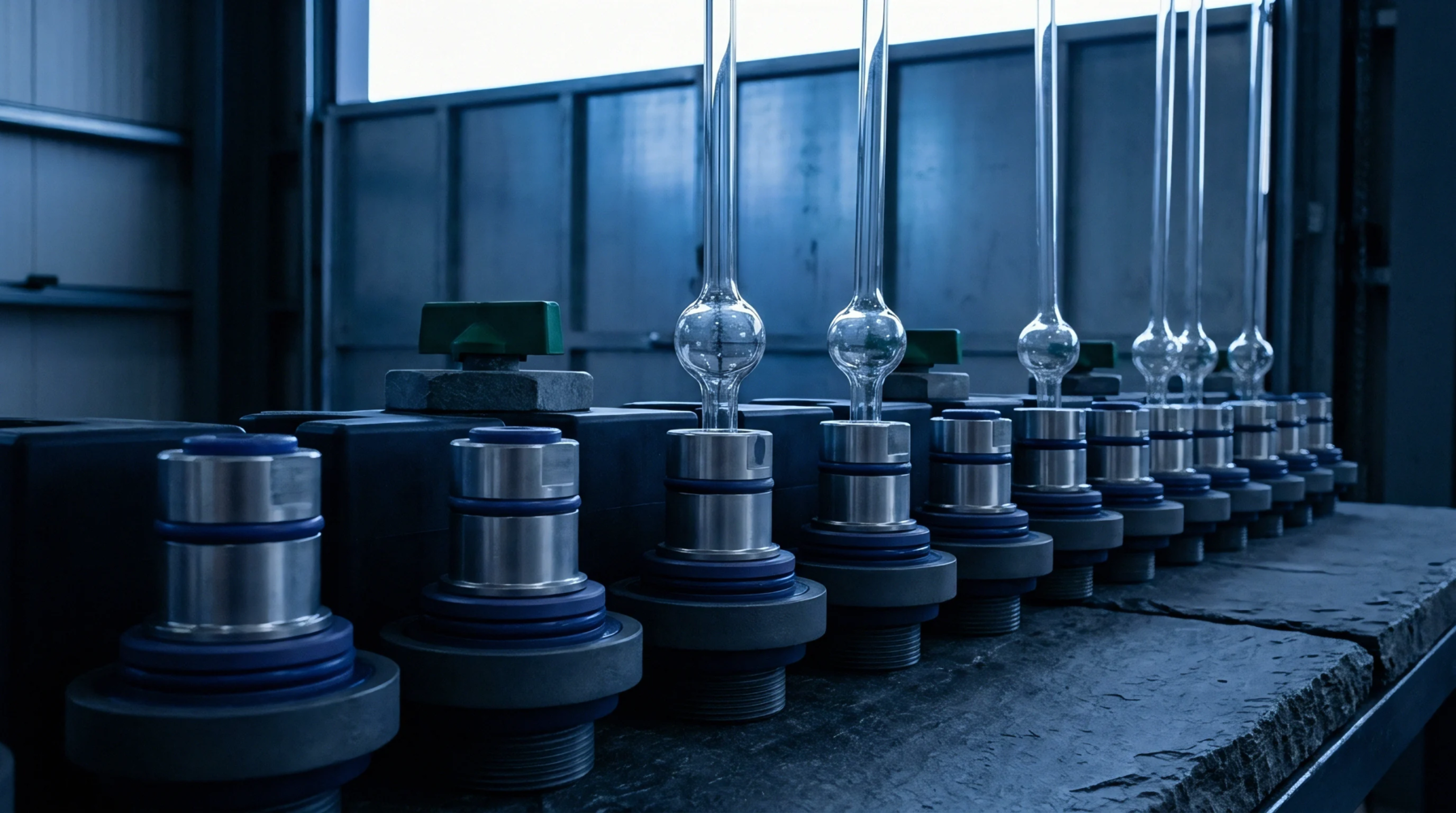
Solvent extraction using a specific non polar liquid provides a rapid alternative to long duration fatty food tests. The use of isooctane screening reduces the evaluation period from days to hours by accelerating the leaching process. This method targets the same chemical groups as olive oil but acts much faster on the polymer surface.
Chemical Resistance
Polymer durability against non polar solvents is a primary factor in material selection for oily environments. Although isooctane screening is aggressive, it provides a clear picture of how well a resin holds its additives. Testing shows which antioxidants and stabilizers are likely to migrate into the contents.
Results help engineers choose materials that will not contaminate the products they contain. Failure to resist this solvent often indicates a low density or a high degree of amorphous regions in the plastic.
Time Reduction
Shortening the development cycle allows for faster market entry and lower laboratory costs. A standard fatty food test might take ten days, whereas isooctane screening yields results in just a few hours. This efficiency is achieved by the high solubility of polymer additives in the solvent.
Use of this technique is common during the initial material qualification phase.
Process Efficiency
Production lines benefit from quick feedback on the quality of the moulded parts. Constant monitoring through isooctane screening ensures that changes in processing temperatures have not compromised the barrier properties. High migration values signal a need for immediate adjustment of the injection moulding parameters.
Final parts must pass these checks to be considered compliant with safety standards.