
PET Drying Windows and the Hydrolysis a Moulder Absorbs
Excess residual moisture causes instant ester chain hydrolysis in molten PET, dropping intrinsic viscosity and destroying mechanical part strength.
Excess residual moisture causes instant ester chain hydrolysis in molten PET, dropping intrinsic viscosity and destroying mechanical part strength.

Deriving standardized toxicological concern thresholds for unidentified recycled polyolefin oligomers requires splitting migrated mass at 1000 Daltons and applying Cramer Class III limits to the bioavailable fraction.

House blends sold under branded grade names alter molecular weight distribution and melt rheology, requiring lot-level shear, thermal, and impact testing.

Delivered resin moisture guarantees require coulometric Karl Fischer verification under ISO 15512 Method B1 paired with machine downtime chargeback clauses.

Determining commodity resin grades requires multi-point shear viscosity validation and strict Certificate of Analysis contract limits to secure part performance.

Tracking melt flow changes and oxidation time prevents part failure from degraded recycled polyolefin resins.

Undisclosed post-industrial polymer additions breach express resin specifications when melt stability and impact properties diverge from prime baselines.

Undeclared regrind degrades melt stability and impact strength; verify batch history using melt flow rate delta and oxidative induction time limits.

Melt flow index and density metrics must be verified together under exact standard loads to control polyolefin processability and field crack resistance.

Verify bulk plastic packaging against pre-production certificates using lot-specific AQL dock sampling, ATR-FTIR screening, and full DoC dossier traceability.

Enforceable recyclate compliance claims demand silo quarantine protocols, ASTM D6866 chemical verification, and un-capped indemnity clauses offsetting regulatory fines.

Mass spectrometry NIAS risk analysis quantifies unknown contaminants in recovered polypropylene using TTC thresholds to defend food-contact compliance dossiers.

Optimal thermal oxidation stabilizer letdown ratios for post-consumer polyethylene balance melt shear degradation with active antioxidant dosing to minimize landed part cost.

Detecting post-industrial additions relies on combining differential scanning calorimetry, high-shear viscosity sweeps, and oxidative induction testing on arrival.

Capillary rheometry fails below 10% third-pass regrind because high shear rates mask molecular weight drop beneath equipment noise floors.

Impact copolymers deliver superior notched and subzero impact resistance over homopolymers by incorporating a dispersed ethylene-propylene rubber phase.
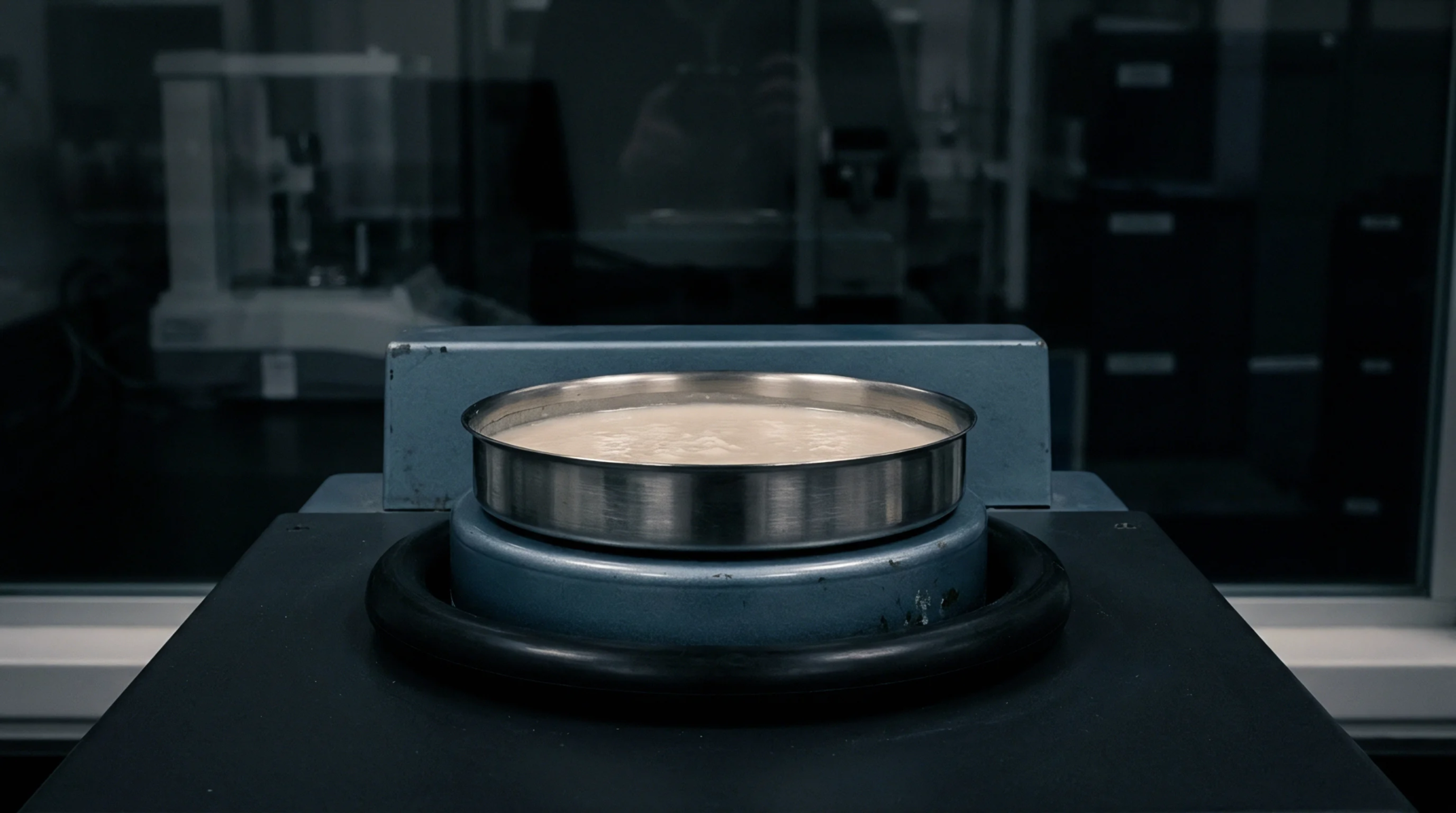
Zero-shear viscosity limitations prevent physical separation of hydrolyzed polymer fractions when short-chain plasticization and viscous fingering collapse flow differentials.
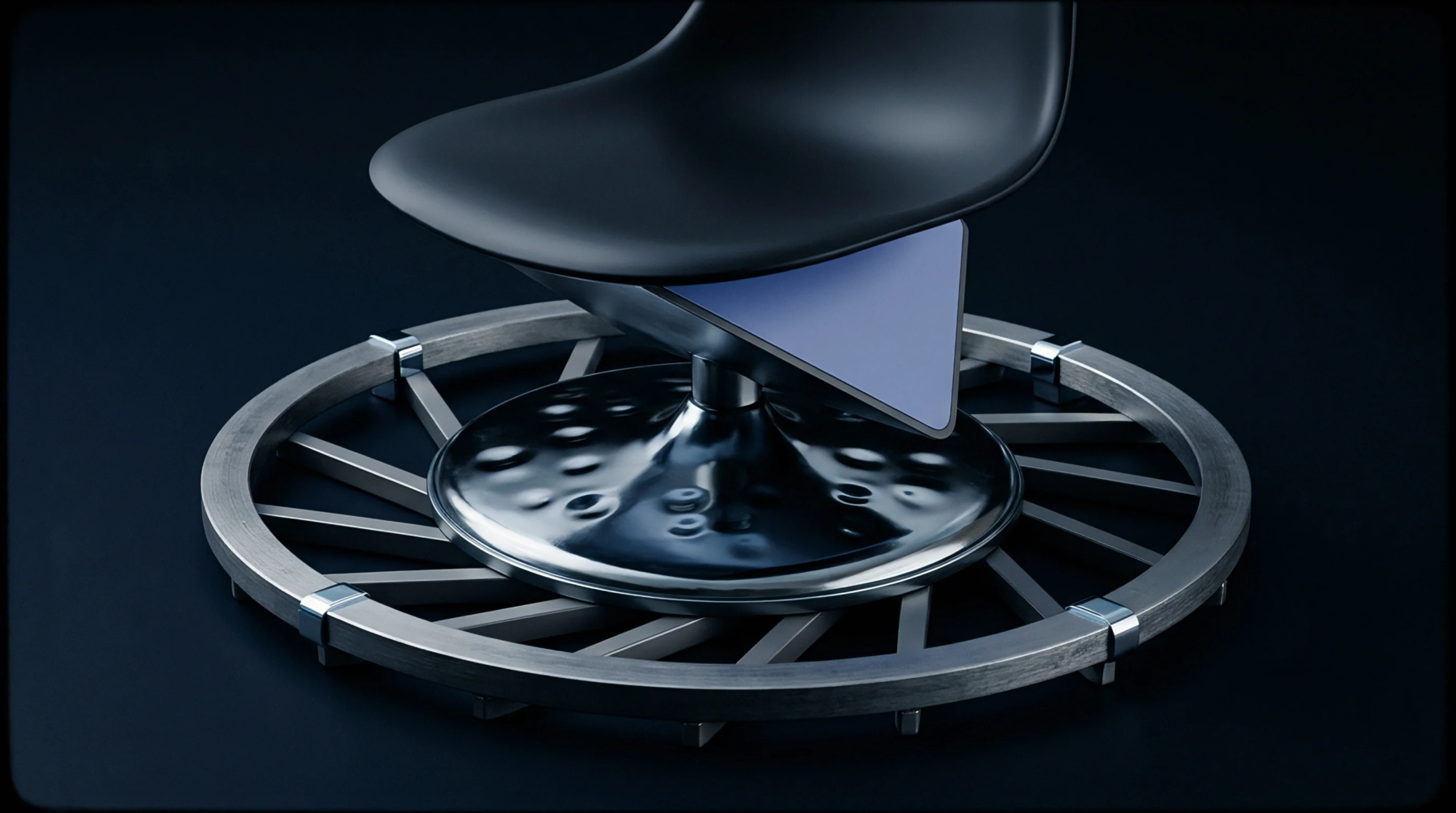
Characterizing polymer chain scission in rPET lots requires pairing solution viscometry with end-group titration to quantify backbone loss and dryer failure.
Polyolefin degradation evaluation requires coupling multi-load melt flow testing and OIT analysis to quantify chain scission and restabilize flake lots.

Zero-shear viscosity drops exponentially before MFR shifts, providing an early indicator of antioxidant depletion in recycled polypropylene.

Establishing Trouton ratio floors via capillary extensional rheology prevents catastrophic web tear and parison sag in regrind polyolefin blends.

Maintaining desiccant dryers at -40°C dew point prevents hydrolytic degradation, preserving melt viscosity and mechanical performance in hygroscopic polymers.

Calibrating high-shear capillary rheology via Bagley and Weissenberg-Rabinowitsch corrections prevents off-spec polyolefin lot processing failures.

Post-consumer HDPE sourcing relies on batch melt testing, DSC thermal screening, and mass balance audits to prevent factory scrap and field failure.

House blending recycled resins causes melt viscosity drift and crosslinked gel contamination that disrupts mold filling and degrades part mechanical strength.
Multi-party moisture disputes depend on ISO 15512 Method C baseline sampling at loading and container dew point tracking before silo transfer.

Undisclosed recycled content invalidates virgin resin warranties when analytical testing proves melt flow or thermal deviation beyond contractual tolerance.

Undeclared regrind in virgin polymer collapses oxidation stability and broadens viscosity bands, increasing landed cost per good part despite initial pellet discounts.
Dynamic low-frequency rheometry identifies thermal degradation in recycled polyolefins that single-point melt flow tests miss entirely.

Verify post-consumer resin lot conformity by combining core lance sampling, melt flow shear sweeps, and DSC purity screens before unloading silos.
Expertise is a utility, not a secret. sentiention™ publishes its working knowledge as open reference: intelligence layer covering the materials it sources, the markets it enters, and the reference that serves both.