Meaning
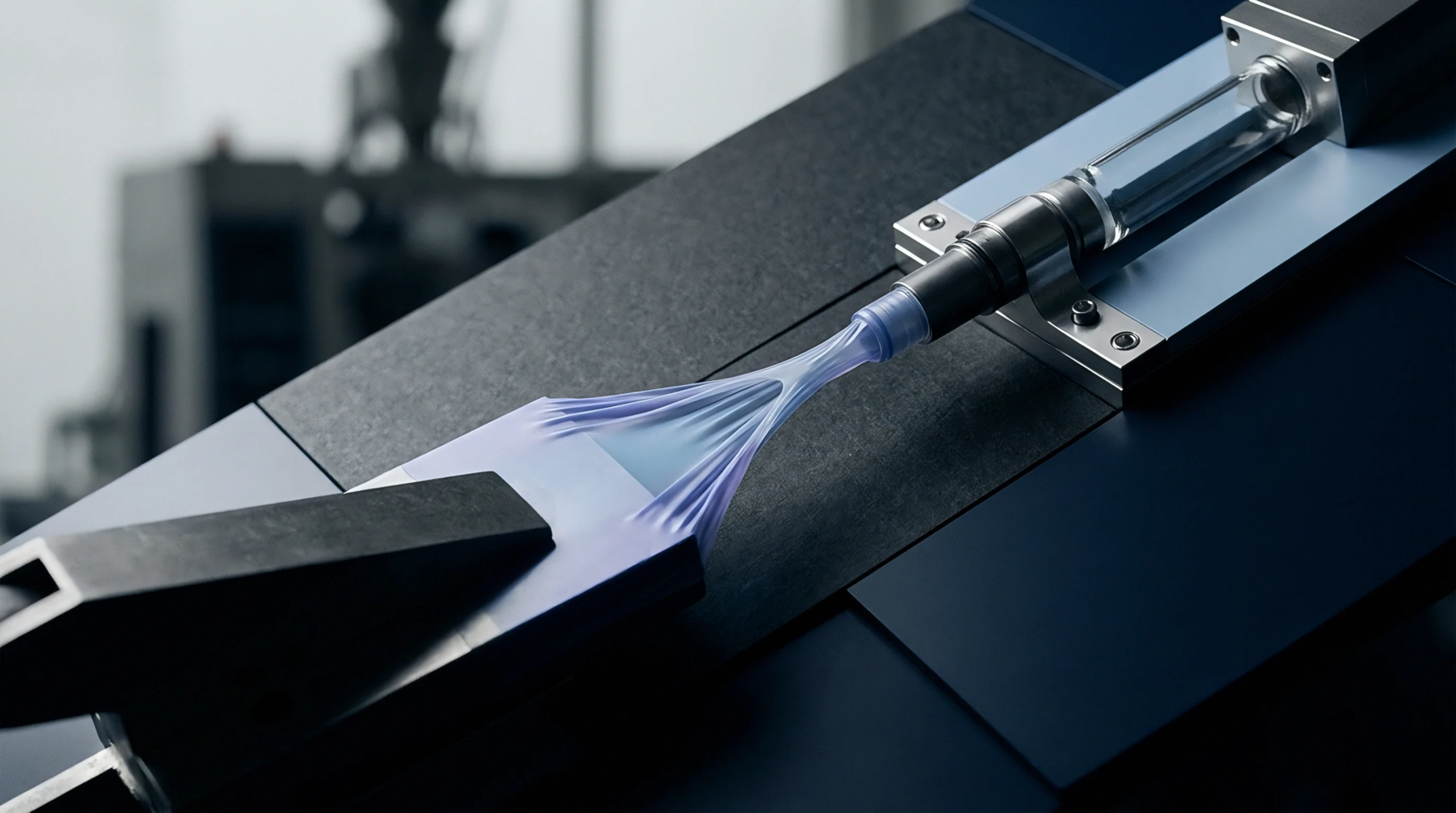
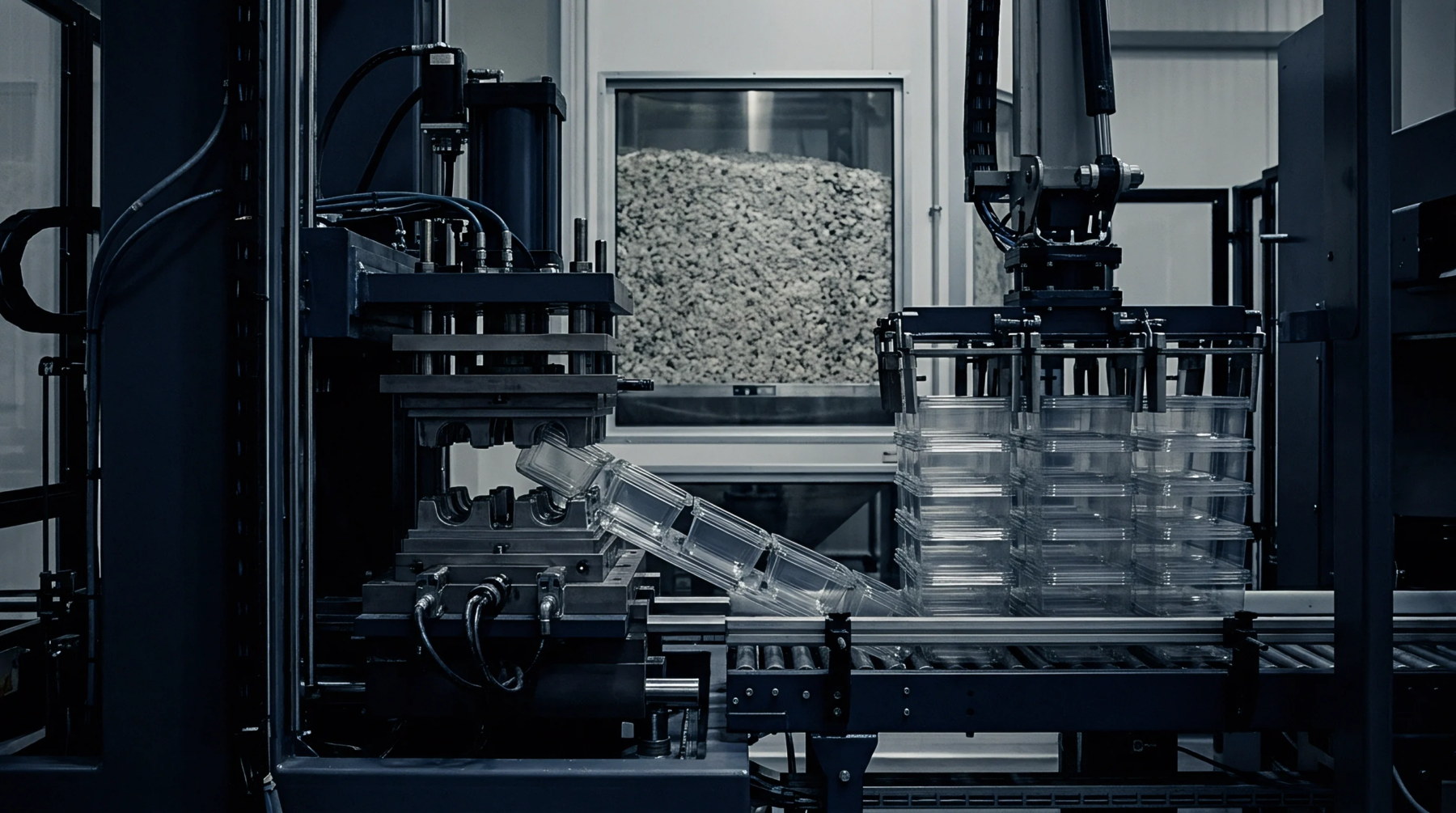
A plastic manufacturing method converts a flat sheet of thermoplastic material into a three dimensional shape through heat and pressure. The thermoforming process starts when a sheet receives infrared radiation until reaching a pliable state above the glass transition temperature of the polymer. A vacuum pulls the softened material into a female mould or air pressure forces the sheet against a male tool to define the geometry.
The cycle concludes with cooling to lock the shape before trimming. This production technique addresses needs for large surface area parts with thin wall sections. It operates across food packaging, automotive components and enclosure manufacturing where high speed production at lower tooling costs remains the objective for plastic part fabrication.
Processing Variables
Precision control over sheet temperature dictates the final wall thickness distribution and part definition. If the heater output fluctuates, thermoforming creates uneven stretch ratios that leave thin spots on corner radii. Operators monitor the dwell time to ensure consistent softening across the entire surface area.
Too much heat leads to excessive sag and sheet thinning before the mould contact. Conversely, insufficient heat causes material webbing or incomplete detail reproduction because the polymer lacks the required flow properties to conform to the tool profile. The equipment relies on precise vacuum timing to evacuate trapped air between the plastic and the mould cavity.
Consistent pneumatic pressure settings prevent excessive mechanical stress on the sheet. Variations in the cooling rate alter the internal stress profile of the moulded item and change dimensional stability over time.
Material Economics
Selecting the correct resin grade impacts the total cost per part because virgin material prices differ from regrind percentages. Regrind polymers frequently show different melt flow indices that necessitate constant parameter adjustment to maintain output quality. Datasheet values provide a baseline for material performance under laboratory conditions, but these numbers fail to capture the reality of a production cycle where heat soak and mechanical shear affect the polymer chain.
A moulder manages the trade off between material cost savings and the yield losses from inconsistent feedstock. High volume runs demand strict control over scrap rates since small changes in regrind consistency force frequent adjustments to the heater banks. Proper drying cycles for hygroscopic resins prevent surface blisters that increase the rejection rate.
Total cost stability depends on the ability to maintain predictable moulding cycles despite variations in raw material source.
Tooling Performance
Design of the mould determines the physical limit of the drawn part geometry. Aluminium tools provide efficient heat transfer while cast epoxy moulds offer reduced initial investment for low volume production runs. The geometry of the mould dictates how the sheet stretches during the vacuum draw.
Draft angles prevent part sticking and simplify the removal process after the cooling phase finishes. Moulder expertise resides in the placement of air vents to prevent trapped air pockets that cause localized defects or loss of detail. Excessive tool wear leads to poor part definition and higher finish costs during the secondary trimming phase.
Effective cooling channels inside the mould allow for shorter cycle times by moving heat away from the thermoplastic surface faster. Precise tool alignment ensures uniform wall thickness and reduces the risk of warpage in the finished component.