
Quantifying Polyolefin Oligomers in Food Contact Polyethylene Testing
Quantifying polyolefin oligomers relies on silver nitrate silica cleanup, epoxidation of olefins, and LC-GC-FID UCM hump integration against alkane markers.
Quantifying polyolefin oligomers relies on silver nitrate silica cleanup, epoxidation of olefins, and LC-GC-FID UCM hump integration against alkane markers.

Computational prediction of LC-ESI relative response factors reduces semi-quantification errors for uncharacterized food contact migrants.

Establishing non-target screening limits requires dividing toxicological thresholds by lower-bound relative response factors to ensure reliable detection.

Preparative isolation of low molecular weight polyolefin fractions requires rigorous thermal solvent extraction to verify food contact compliance and REACH boundaries.

Non-intentionally added substance mass spectrometry protocols require combined GC-HRMS and LC-HRMS screening below 10 ppb to verify recycled polyolefin food safety.
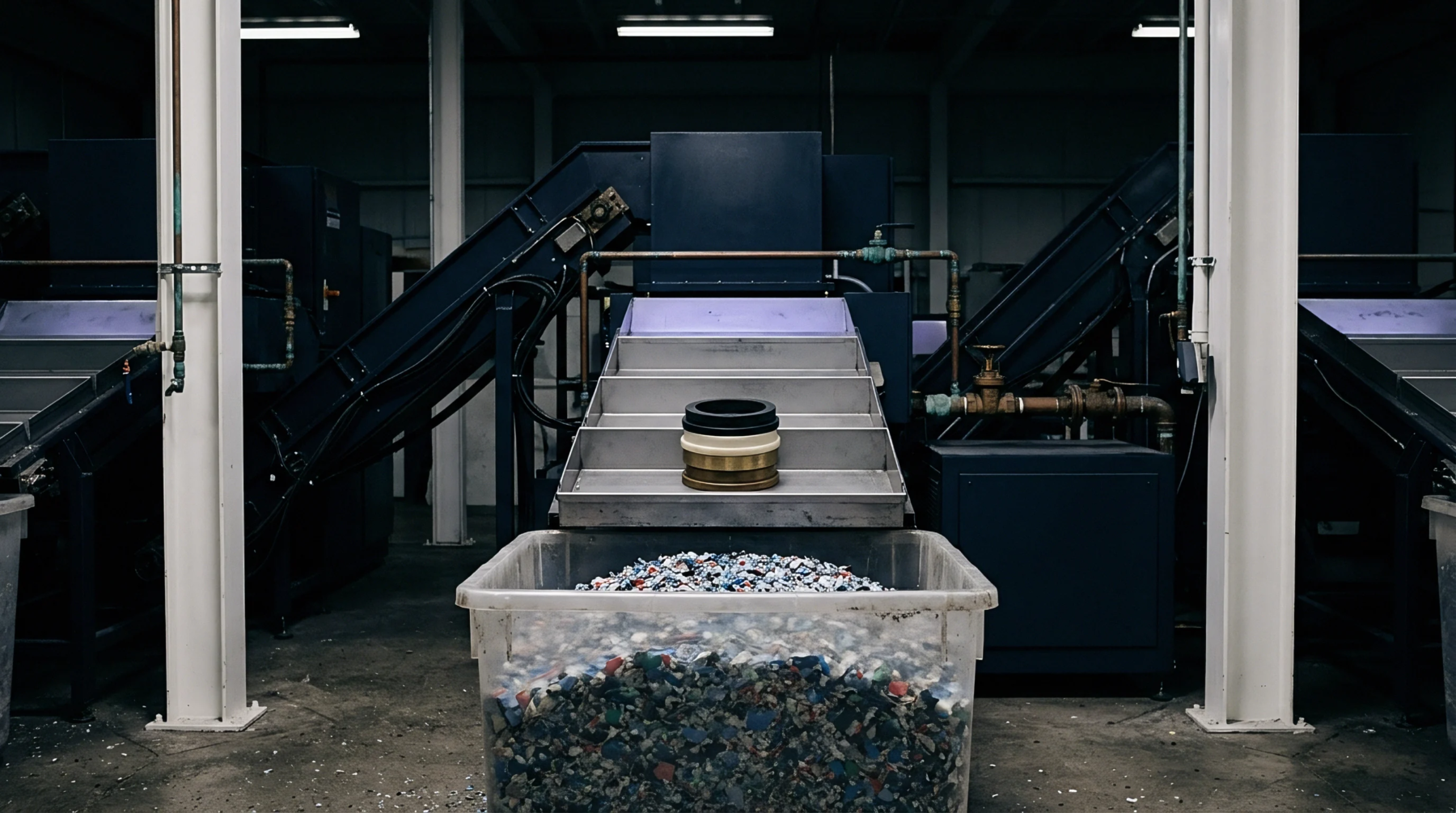
Polyolefin food contact validation requires surrogate challenge testing demonstrating matrix devolatilization down to safe migration thresholds under worst-case parameters.

Auditing converter additive disclosures against container migration limits requires screening recipe dosages against diffusion kinetics and analytical test results.

Ionization efficiency matrix corrections convert high-resolution mass spectrometry peak areas into accurate migrant concentrations, preventing false compliant packaging declarations.

Challenge testing verifies recycled polymer decontamination by measuring surrogate contaminant removal across reactors to prove secondary packaging conformity.

Mandatory upstream disclosure of dual-use additive identities and migration potential enables downstream food packers to verify total food additive compliance.

High-resolution mass spectrometry non-target screening identifies toxicologically uncharacterized polyolefin migrants down to sub-10 ppb compliance thresholds.

Cross-border polymer migration compliance requires testing finished articles under verified worst-case simulants, contact times, and surface-to-volume ratios.

Structure cross-border packaging contracts with statutory compliance warranties, lot-matched testing dossiers, and letter-of-credit clearance milestones.

Statutory plastic packaging tax directives require site-specific physical attribution of recycled resin mass, invalidating multi-site mass balance credit transfers.

Verifying chemical recycled polymer mass balance ledgers requires physical boundary mass-loss accounting, yield deductions, and batch-level credit transfer documentation.

Toxicological threshold scoring maps unidentified polymer migrates to Cramer exposure limits, mandating genotoxic screening below 0.00015 mg/kg food.

Determining food simulants for recycled polyolefin migration requires matching contaminant polarity to lipophilic or aqueous media while preventing solvent swelling distortion.

Quantifying semi-volatile photoinitiators in recycled polyolefins requires matrix-matched standard addition to counter 40% measurement uncertainty.

Multi-dimensional GC deconvolution quantifies baseline humps in HDPE compliance dossiers, isolating polyolefin oligomers from critical NIAS and mineral oils.

Polyolefin oligomer screening couples GC-FID envelope quantitation with diffusion modeling to clear POSH fractions against the 1.8 mg/kg food threshold.

Calculating mass spectrometry relative response factors for uncharacterized cyclic ester oligomers requires ionization efficiency modeling to prevent migration underestimation.

Mass balance accounting requires rigorous yield loss deductions and fuel exclusion rules to legally defend circular resin claims during regulatory audits.
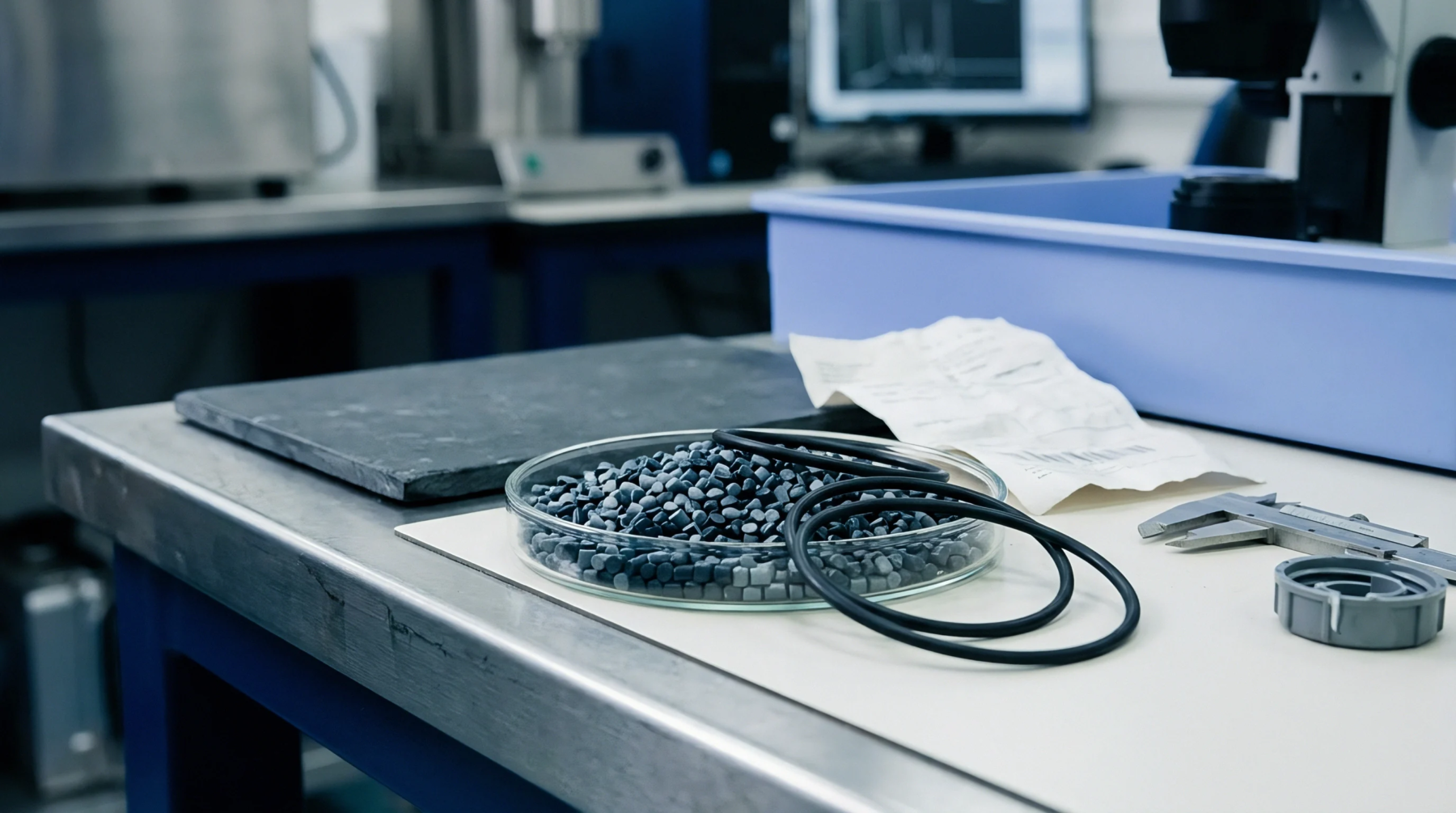
Mass spectrometry NIAS risk analysis quantifies unknown contaminants in recovered polypropylene using TTC thresholds to defend food-contact compliance dossiers.

Managing recycled plastic compliance under EU waste rules requires challenge-tested decontamination, accredited migration testing, and audited traceability dossiers.

Groundwork for identifying non-intentionally added photoinitiators in polyolefins requires high-resolution mass spectrometry and toxicological screening.

Sub-1000 Da polyolefin bioaccessibility requires preparative SEC isolation, micellar digestion extraction, GCxGC-HRMS identification, and compliance validation.

Deriving polyolefin hydrocarbon hump compliance requires LC-GC-FID fraction isolation and Cramer Class derivation to set verifiable limits against migration test data.

Verify recycled polyolefin food contact clearance by combining LC-GC-FID quantification of C10-C50 oligomers with toxicological screening under Cramer Class thresholds.

Verify bulk plastic packaging against pre-production certificates using lot-specific AQL dock sampling, ATR-FTIR screening, and full DoC dossier traceability.

Legacy contaminant quantification in post-consumer polyolefins requires combining total solvent extraction with specific migration testing to manage commercial and regulatory risks.
Expertise is a utility, not a secret. sentiention™ publishes its working knowledge as open reference: intelligence layer covering the materials it sources, the markets it enters, and the reference that serves both.