
Auditing Challenge Test Operational Parameters for European Union Decontamination Authorization
Decontamination challenge tests establish fixed operational envelopes; process drift outside validated temperature and vacuum limits voids compliance.
Decontamination challenge tests establish fixed operational envelopes; process drift outside validated temperature and vacuum limits voids compliance.
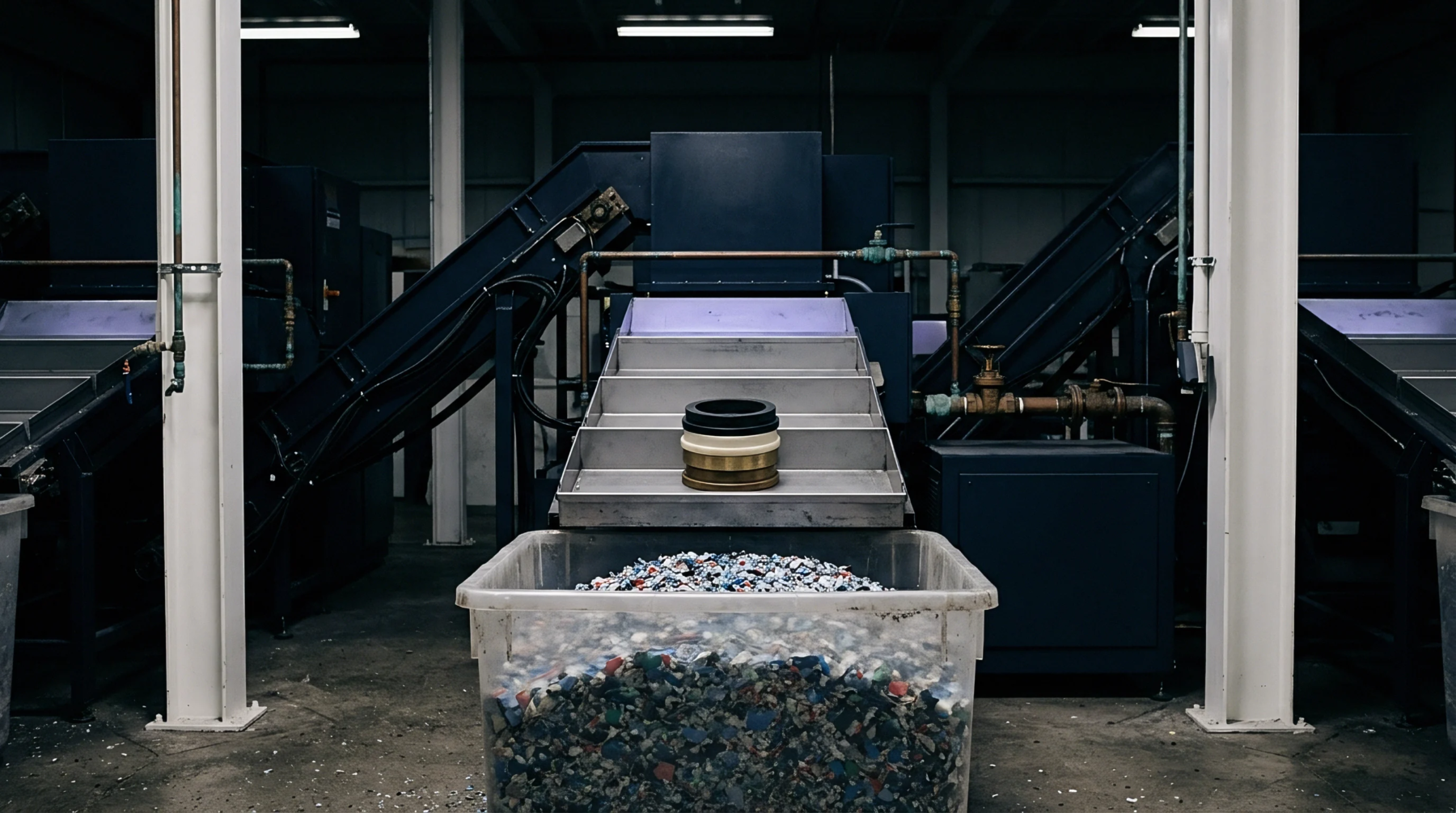
Post-consumer resin dossiers require dual GC-HRMS and LC-HRMS screening with response-factor modeling to establish NIAS toxicological thresholds below 10 ppb.
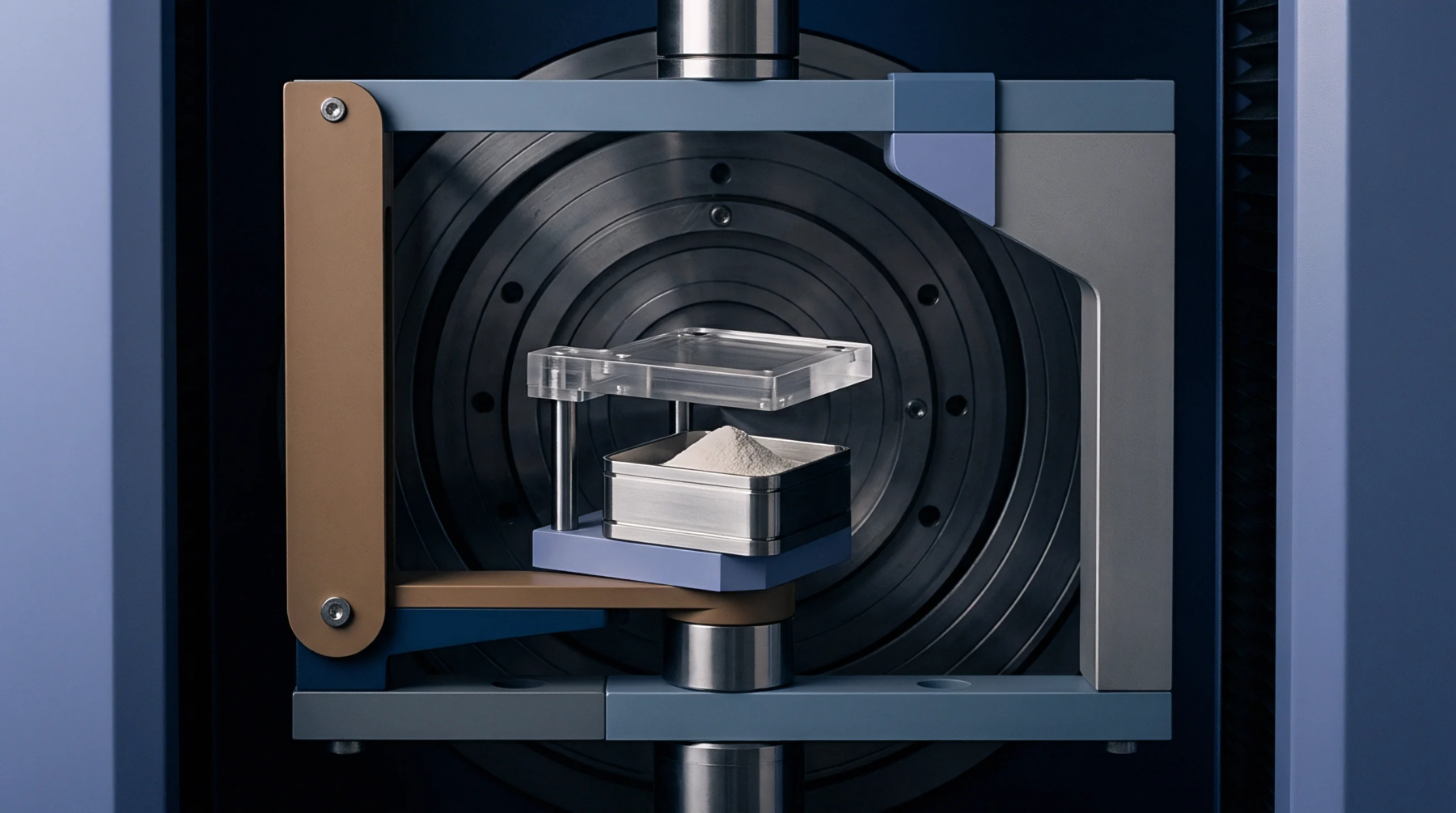
Chromatographic mass transfer characterization couples LC-GC-FID extraction with Fickian diffusion modeling to verify sub-1000 Dalton oligomers stay below 0.5 mg/kg.

In vitro gastrointestinal bioaccessibility bioassays measure micellar oligomer solubilization to establish true systemic intake limits for recycled polyolefin packaging.

Polyolefin non-intentionally added substances require Cramer structural classification and TTC intake conversions to set defensible analytical screening thresholds.

High molecular weight unsaturated polyolefin oligomers between C20 and C50 require dual-dimensional gas chromatography to ensure migration remains below 0.6 mg/kg.

Polyolefin oligomeric saturated hydrocarbon compliance demands LC-GC-FID isolation, epoxidation cleanup, and fractionated TTC thresholding backed by batch testing.

Clearing recycled polyolefins for food contact demands HPLC-GC-FID and GCxGC-MS identification of oligomeric fractions evaluated against TTC thresholds.
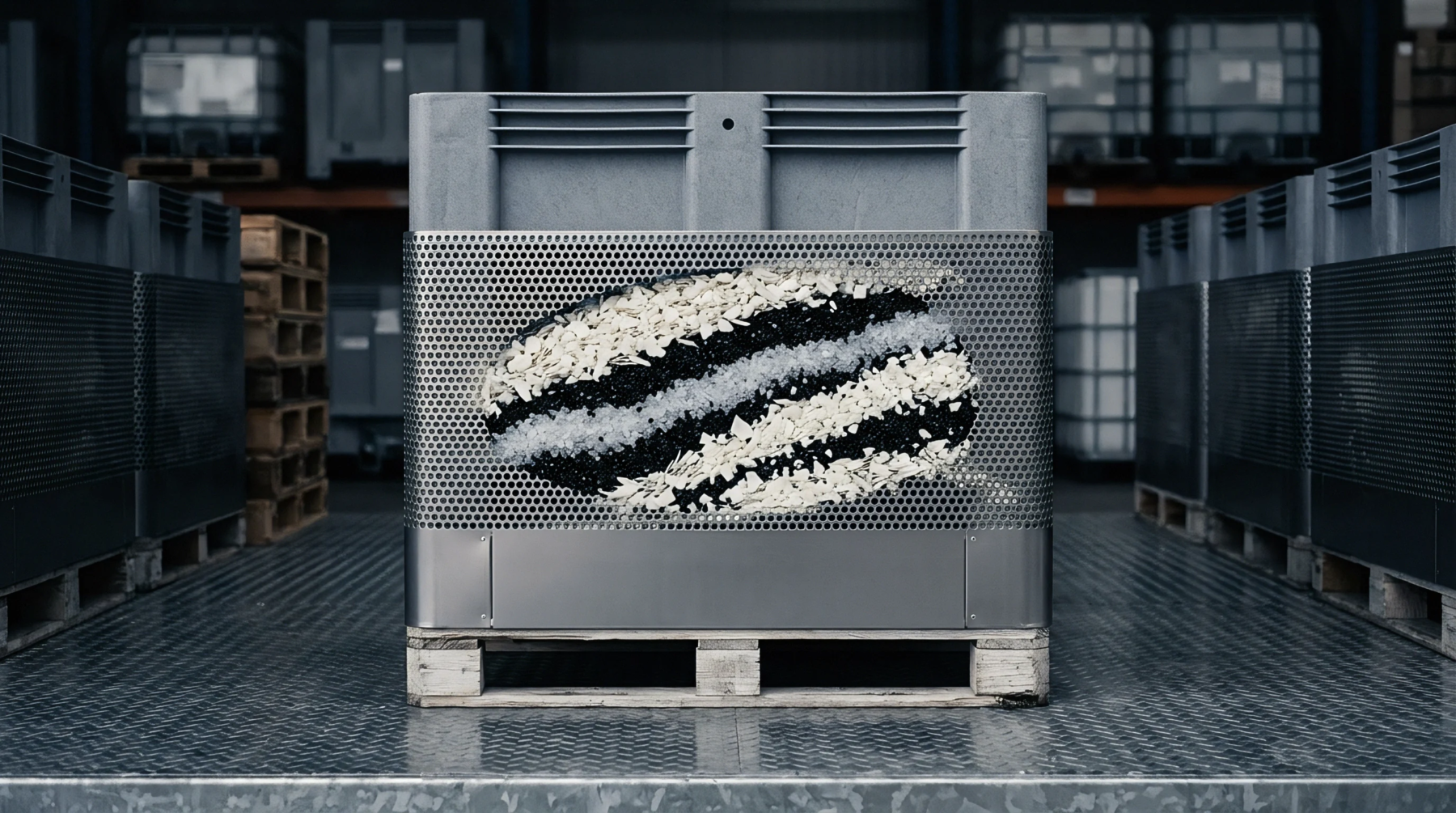
Dock acceptance of production packaging lots relies on non-target analytical screening and strict lot-specific verification behind declarations.
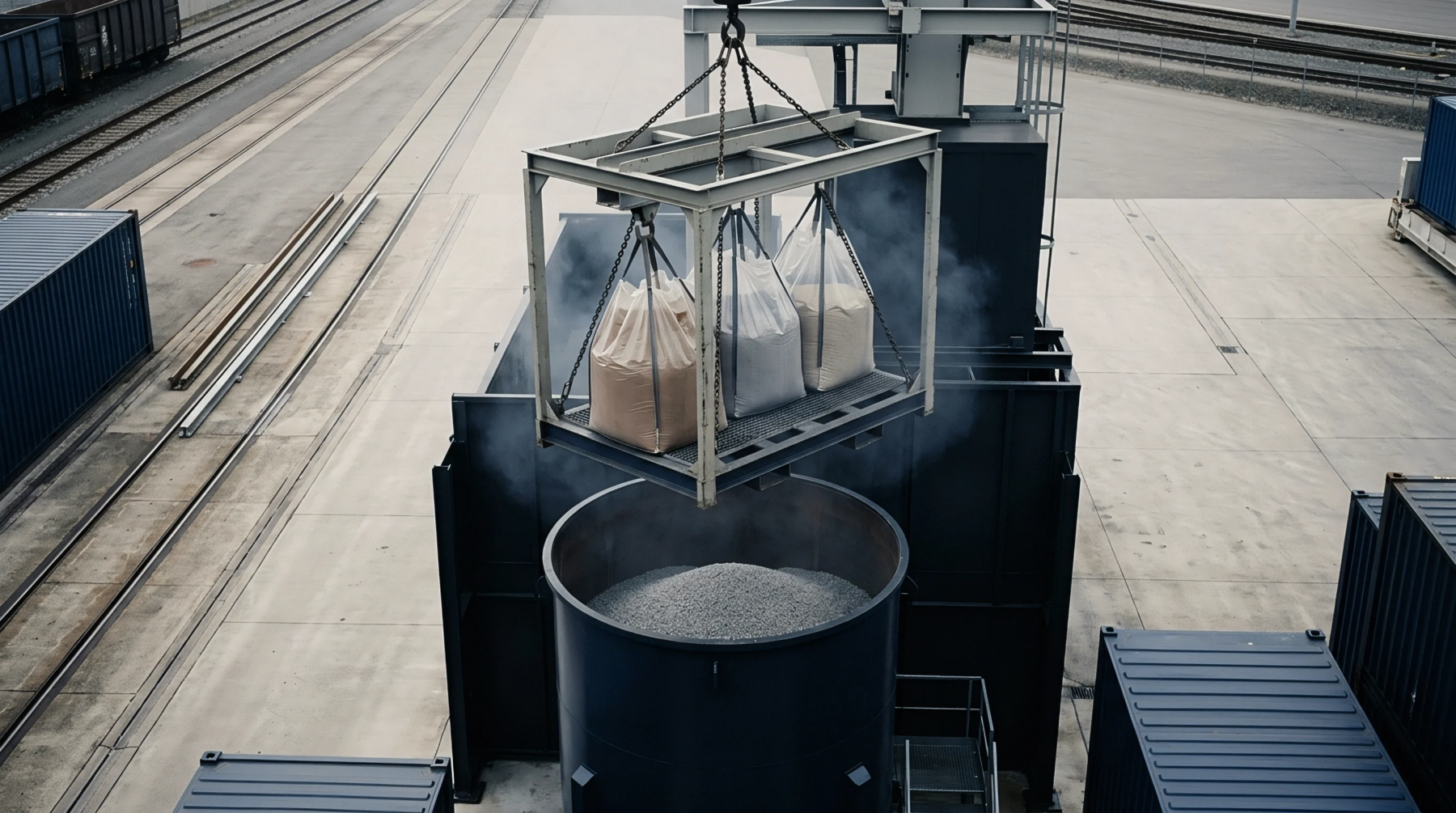
Validating food contact safety in bulk packaging relies on matching simulant test parameters to geometry and auditing chemical declarations for every additive.

Polyolefin oligomer interferences in recycled resins require epoxidation and LC-GC-FID separation to quantify MOSH and MOAH accurately below regulatory thresholds.

Polyolefin scrap contaminant baseline screening relies on rapid spectroscopic triage, solvent extraction, and GC-MS profiling to verify food contact safety.

Polymer degradation in recycled polyolefin food contact laminates accelerates solvent extraction kinetics, requiring calibrated diffusion modeling for compliance verification.

Verifying food contact reports against resin specifications requires matching batch numbers, validating simulants, and recalculating surface contact ratios.

Double dipping prevention in cross border mass balance claims demands strict physical batch matching ISO 22095 registry retirements and verified mass yield audits.

ISO 22095 mass balance audits demand strict site boundaries, verified baseline yield conversions, and zero negative credit balances across accounting periods.

Imported polyolefin virgin resin declarations require batch-matched GC-MS monomer analysis and complete Annex I chemical chain documentation prior to entry.
Mass balance credit verification requires matching steam cracker feed matrix yields against physical furnace conversion limits using auditable mass allocation models.

Co-processing plastic pyrolysis oil in steam crackers requires yield-based mass balance attribution under ISCC PLUS rules to substantiate circular claims.

Recycled plastic food contact compliance requires rigorous surrogate challenge testing, non-target NIAS screening, and lot-traced migration verification.

Surrogate calibration of cyclic polyolefin oligomers requires response factor correction to prevent massive quantification errors in food simulant compliance testing.

Non-target screening of polyolefin food contact oligomers requires dual GC-APCI and LC-HRMS analysis to resolve saturated aliphatic species below 1000 Da.

Standardized food simulant selection for polyolefins depends on food solubility, polymer swelling factors, and mandatory thermal contact windows.

High temperature polymer NIAS screening requires combined GC MS and LC HRMS untargeted profiling to detect melt degradation products above ten ppb.

Standardized NIAS calibration in PET relies on surrogate matrix-matched standards, response factor thresholds, and verified limits of detection below ten parts per billion.

Untargeted screening by GC-MS and LC-HRMS combined with Threshold of Toxicological Concern metrics establishes legal food-contact safety for recycled polyolefins.

Mass balance recycled declarations require isotopic and NIAS analytical screening to defend credit claims against border rejections and customs tax audits.

Quantitation of UV ink breakdown fragments in recycled films demands target GC-MS/LC-MS extraction paired with non-target screening for degradation products.

Chromatographic isolation of dual-use migrants from fat matrices requires GPC or SPE lipid cleanup to prevent mass spectrometry ion suppression and false negatives.

Post consumer resin compliance requires analytical screening of migrants paired with toxicological evaluation using threshold of toxicological concern models.
Expertise is a utility, not a secret. sentiention™ publishes its working knowledge as open reference: intelligence layer covering the materials it sources, the markets it enters, and the reference that serves both.